
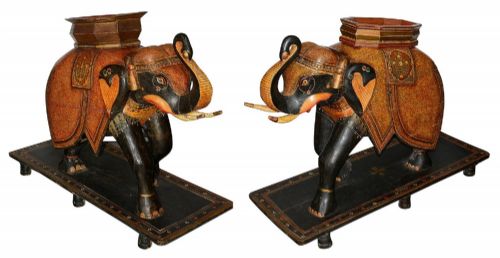


Antique Wood Table Sculptures
Antique wood table sculptures bring character to a room, ranging from Black Forest bears to Chinese rootwood carvings.
Antique Wood Table Sculptures
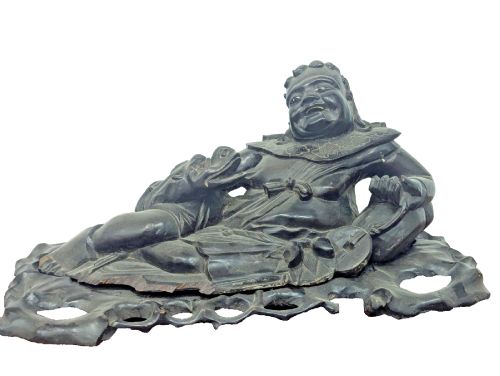
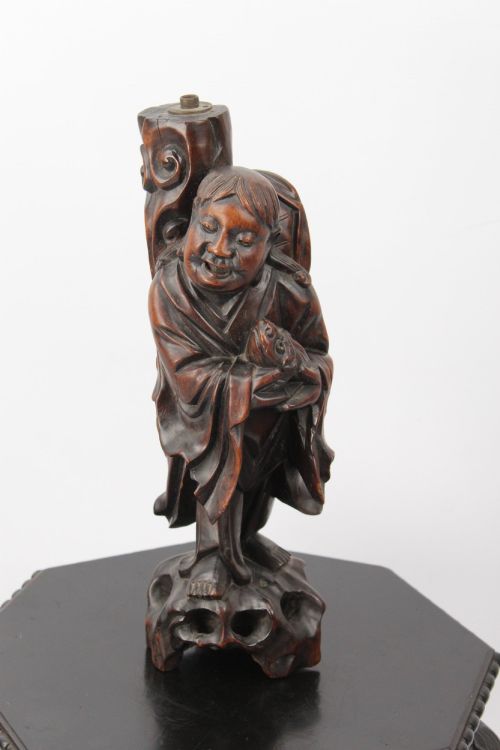
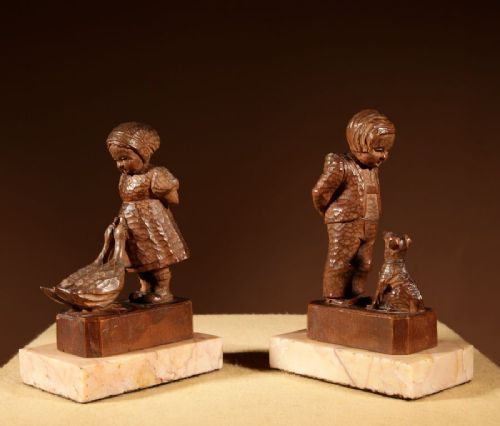
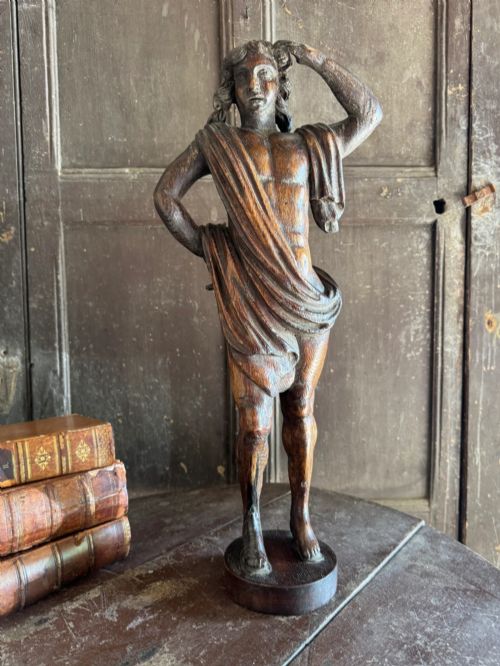
These pieces are three-dimensional carved objects designed for tabletops, pedestals, and display surfaces. When you search for antique wood table sculptures, you encounter figurative works, animals, architectural fragments, and functional items like gongs or lamp bases.
The selection on this page spans several centuries, drawing on European, Asian, and African traditions. Pieces range from Georgian giltwood ornaments and Victorian figures to Swiss Black Forest carvings and Chinese rootwood objects.
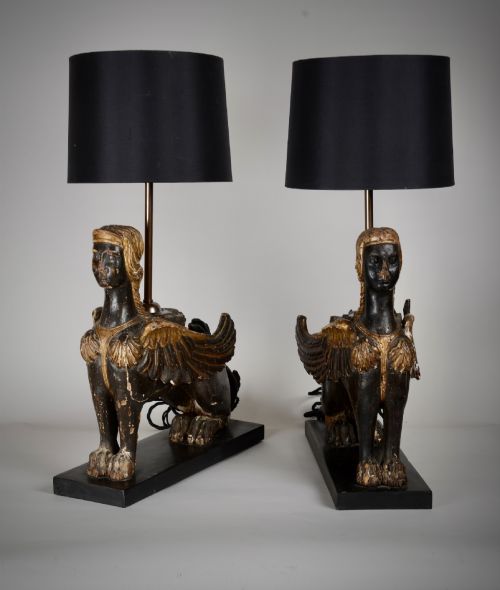
Forms vary widely from naturalistic animals and human figures to mythological subjects and architectural stands. Many pieces combine sculpture with function, serving as table lamps, stands, or dinner gongs.
How they were made
Carvers shaped these works primarily from hardwoods, limewood, oak, and rootwood using traditional hand chisels and gouges. The natural grain of the timber often dictated the final contours of figures and rootwood stands.
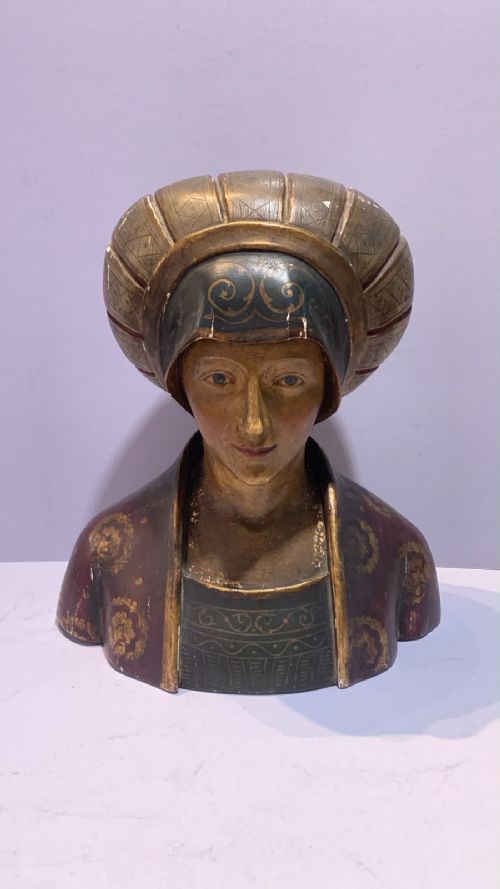
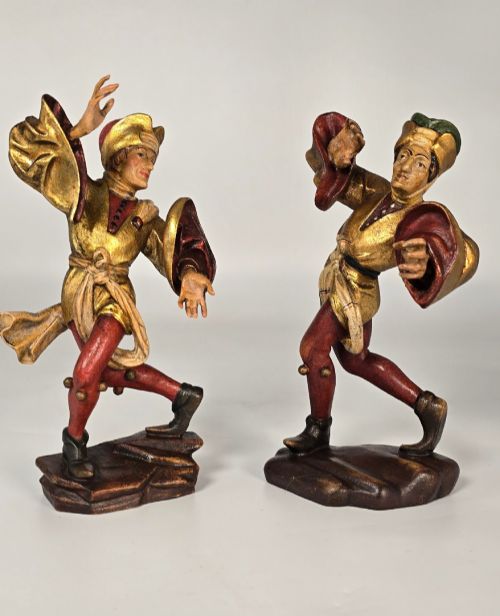
Many sculptures received surface treatments such as gesso, gold leaf, paint, lacquer, or ebonisation to enhance details and protect the wood. Gilding and polychrome paintwork appear frequently on European and Asian decorative figures.
Some Victorian bears hold card trays and honey pots with expressions of permanent mild surprise.
What varies in quality
The integrity of the original surface finish defines the standard of preservation. Pieces retaining their early giltwood, lacquer, or ebonised coatings hold greater visual coherence than those stripped or heavily repainted.
The Antique Wood Table Sculptures Glossary
- Black Forest
- A style of wood carving originating in the mountainous regions of central Europe, known for realistic animal and figurative subjects. Bears and woodland creatures feature prominently in this tradition.
- Rootwood
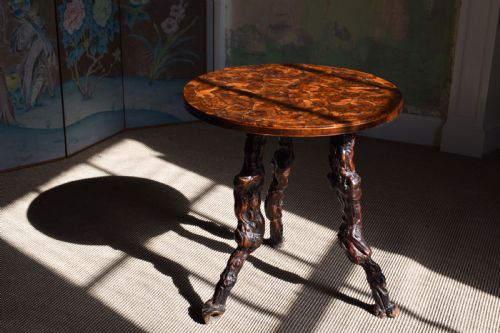
- A material utilising the gnarled underground growth of trees, shaped by nature before receiving human intervention. Chinese artisans favoured this material for stands and lamp bases.
- Giltwood
- Timber coated with a thin layer of gold leaf over a preparation of gesso. This technique added rich reflection to decorative ornaments and frames.
- Ebonised
- Wood treated with a chemical stain or black finish to imitate expensive ebony. This dark surface finish was popular during the Victorian period for dramatic contrast.
- Gong
- A percussion instrument consisting of a metal bell or disc suspended within a carved wooden frame. These decorative items served functional roles in period dining rooms.
Antique Wood Table Sculptures: Frequently Asked Questions
What subjects do these sculptures show?
The subjects range from animals such as bears and elephants to human figures including immortals, nobles, and dancers. Mythological creatures and architectural pagodas also appear across the selection.
Many pieces draw on specific regional traditions, such as Swiss woodland scenes or Chinese Daoist iconography.
How were table gongs used?
Table gongs served a practical purpose in period homes for calling servants or announcing meals. The metal bell hung inside an elaborate carved wooden or brass stand.
Craftsmen often shaped these stands as animals, figures, or architectural structures to display on side tables.
Where were Black Forest carvings made?
Black Forest carvings originated in Switzerland and the surrounding mountain regions during the nineteenth century. Local woodcarvers produced realistic depictions of local wildlife and figures.
These pieces typically utilise limewood or softwoods finished with a warm wax polish.
How do I care for antique wood sculptures?
Keep wooden sculptures away from direct heat sources and strong sunlight to prevent the timber from splitting. Dust them gently with a dry, soft cloth.
Avoid applying modern silicone polishes, which can damage historic lacquer, paint, and giltwood surfaces.