
Antique Wood Shelving
Antique wood shelving offers practical utility and rich period character, ranging from compact hanging wall brackets to grand library bookcases.
Antique Wood Shelving
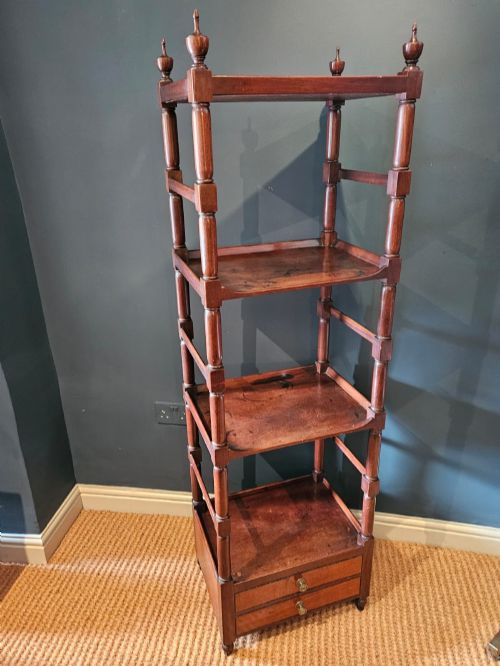
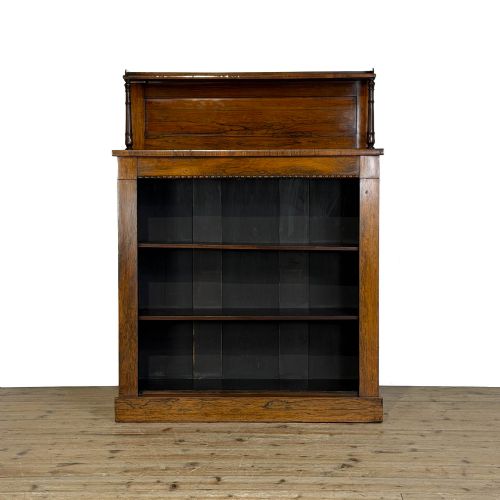
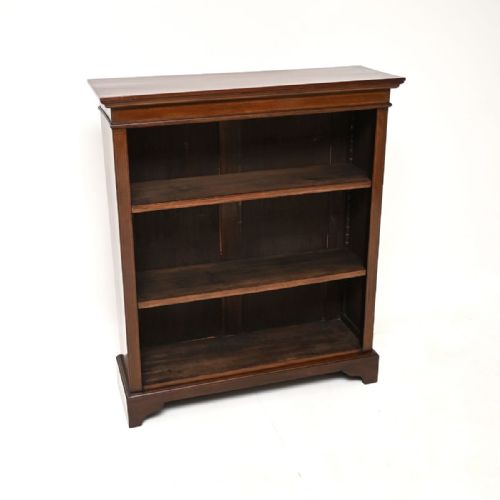
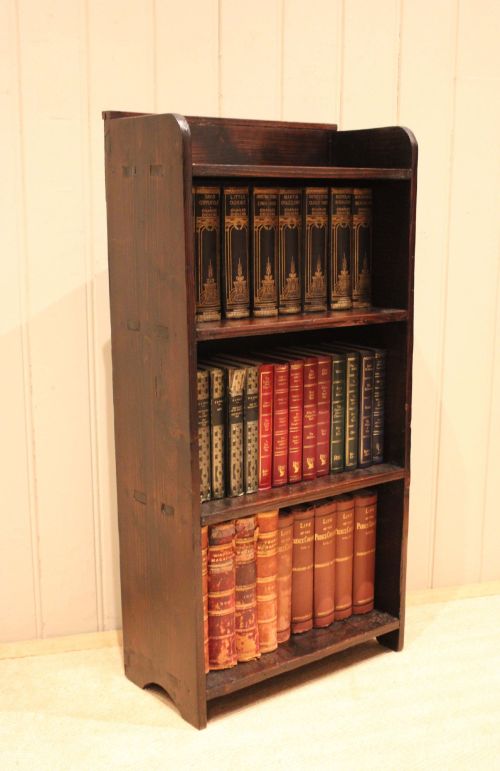
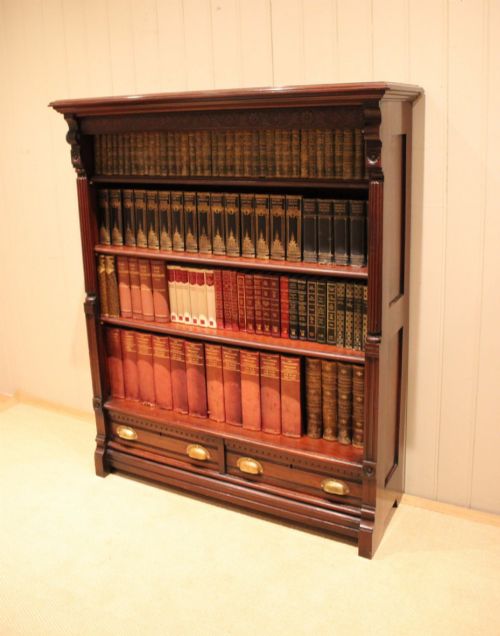
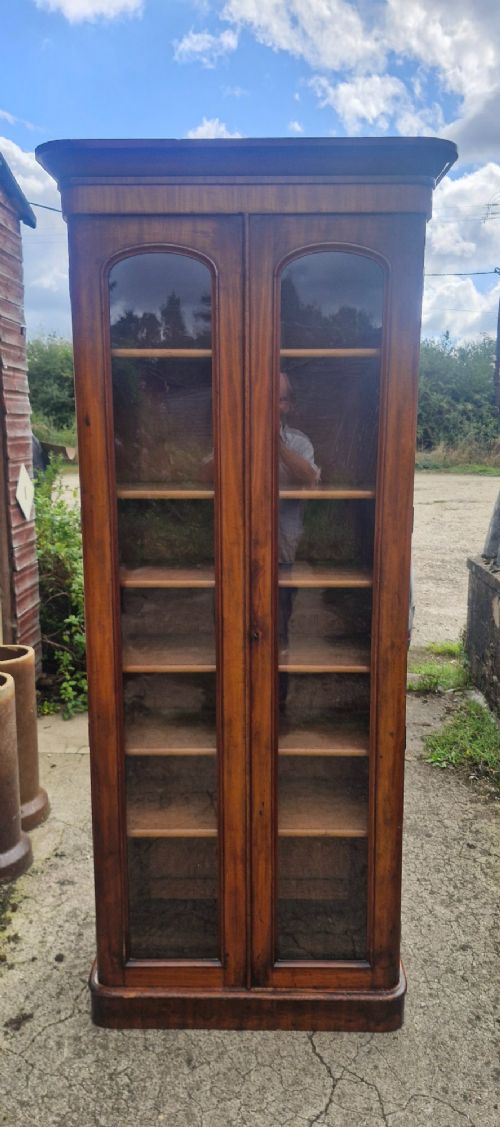
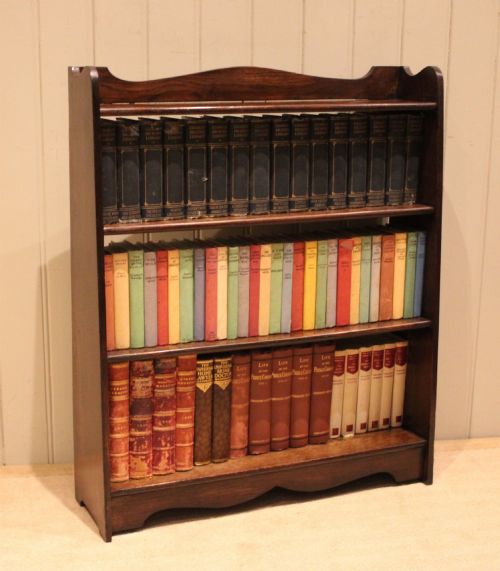
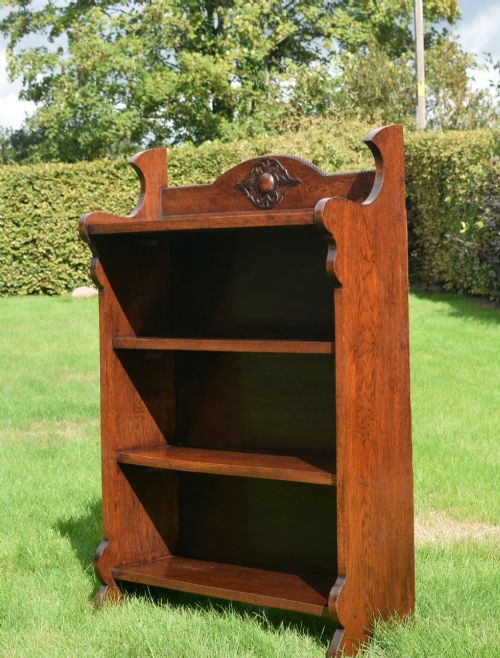
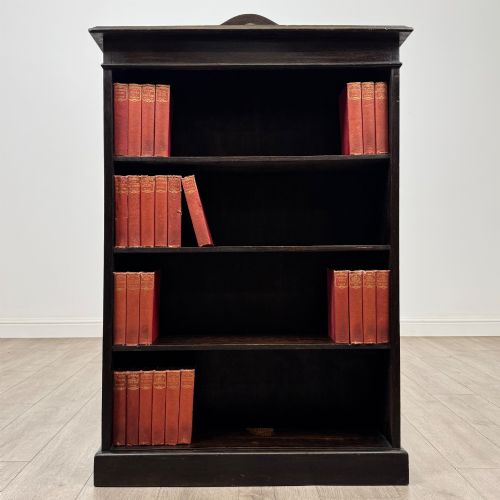
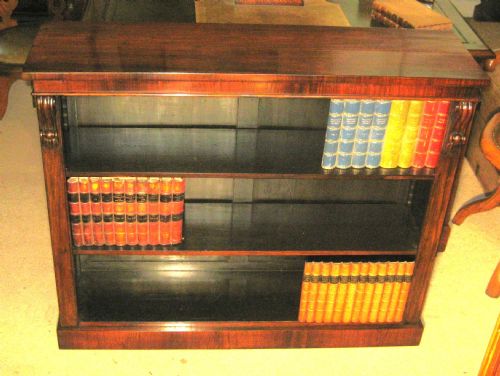
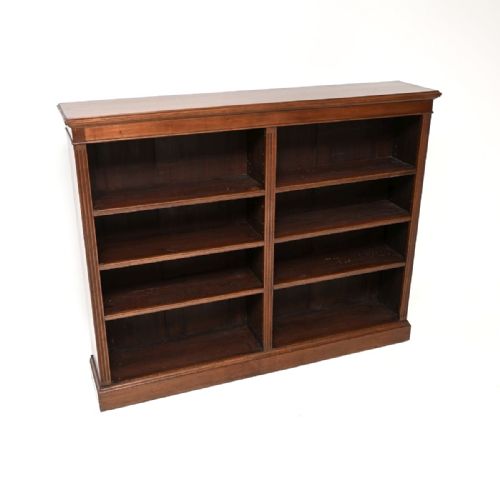
The forms vary considerably according to their original domestic function, including slim oak open bookcases, walnut corner cabinets, and mahogany waterfall structures. Many incorporate adjustable shelves or integrated brass fittings, reflecting the practical requirements of period libraries and sitting rooms. Buyers frequently select these items to introduce authentic historical craftsmanship and warm timber tones into contemporary living spaces.
Materials and construction methods
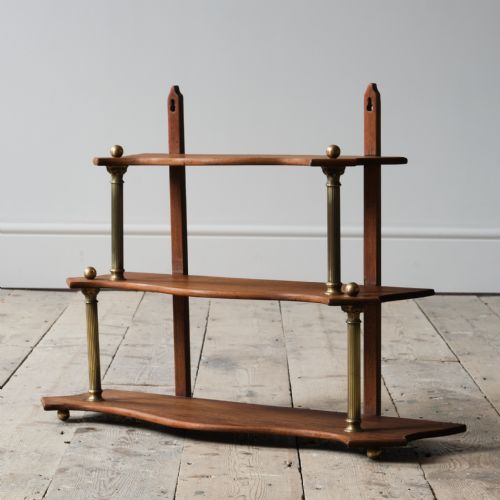
Cabinet makers constructed these pieces primarily using dense hardwoods such as mahogany, oak, walnut, and rosewood, alongside softer pine and ebonised timber. Timber selection dictated the structural integrity and visual weight of each unit, with denser woods allowing for finer carved details and slender upright supports. Brass brackets, hanging fixtures, and decorative trims frequently complement the primary wood substrates.
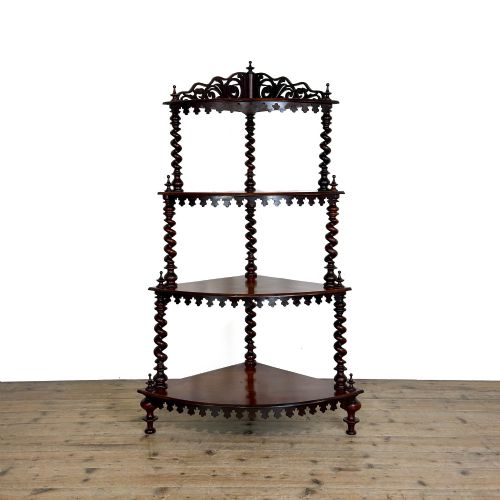
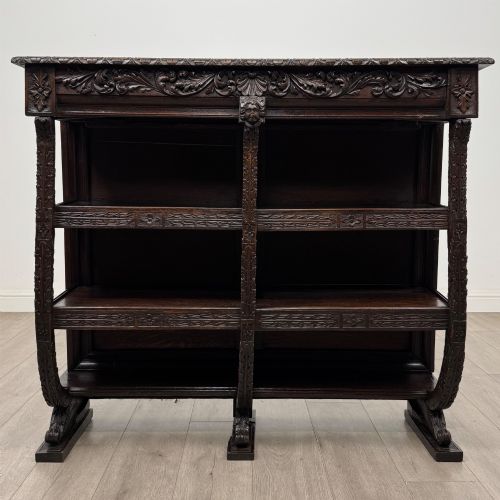
Joinery techniques ranged from traditional dovetailing to intricate hand-carving and surface inlays, particularly within Victorian and Edwardian examples. Units often utilised adjustable shelf mechanisms, barley twist columns, or beaded edges to enhance both utility and aesthetic appeal. The integration of mirrored panels or brass detailing added distinct decorative flourishes to wall brackets and etageres.
Distinctions in craftsmanship and design
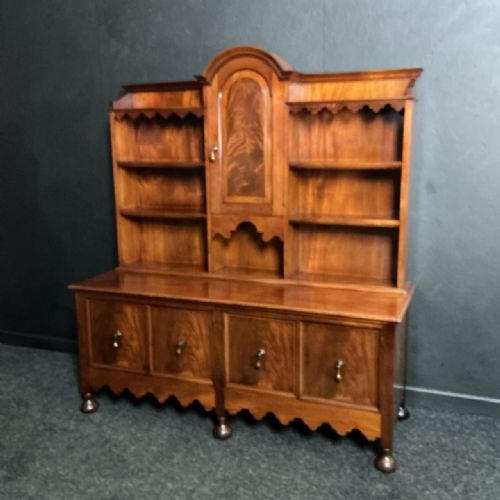
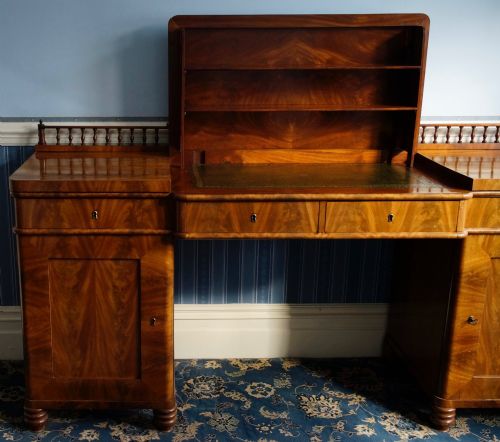
The standard of a piece depends heavily on the selection of timber grain, the precision of the joinery, and the sophistication of any carved or inlaid ornamentation. Superior examples display carefully matched veneer patterns, robust internal framing, and well-executed decorative styles such as Regency waterfall curves or Arts and Crafts motifs. Simpler utility pieces rely on straightforward plank construction with minimal embellishment.
Proportion and architectural balance also distinguish finer furniture from standard production. Well-designed cornices, balanced shelf spacing, and harmonious brass hardware elevate the visual impact of an open bookcase or whatnot. Pieces that retain their original surface patination and functional adjustable shelving mechanisms command greater appreciation among collectors.
The Antique Wood Shelving Glossary
- Waterfall bookcase
- A tiered shelving unit where each successive shelf steps back from the one below it. This creates a cascading profile popular in Regency furniture design.
- Etagere
- A decorative piece of furniture consisting of a set of open shelves for displaying small objects. It often incorporates mixed materials such as rosewood and brass.
- Open bookcase
- A bookcase lacking glazed or wooden doors, allowing direct access to the interior shelves. These units range from low dwarf bookcases to large library fixtures.
- Adjustable shelves
- Shelving supported by movable pegs or ratchets that allow the vertical space between tiers to be altered. This feature provides flexibility for storing books of varying heights.
Antique Wood Shelving: Frequently Asked Questions
How do I style antique shelving?
Integrate these pieces into modern or traditional rooms by balancing books with ceramics, framed photographs, or glassware. Allow adequate breathing room on each tier to showcase the timber grain and construction details.
Position freestanding bookcases against solid walls or utilise wall-hanging brackets in compact spaces to maximise floor area while retaining architectural interest.
What woods were used for shelving?
Cabinet makers predominantly utilised durable hardwoods including mahogany, oak, walnut, and rosewood. Softer woods like pine and ebonised timber also appeared in specific regional or period designs.
Hardwoods provided the necessary structural strength for supporting heavy book collections, while decorative timbers added rich colour and distinct grain patterns to sitting rooms.
How do I date a bookcase?
Examine the overall stylistic markers, construction methods, and hardware types present on the unit. Victorian pieces often feature heavier carved ornamentation or barley twist supports, whereas Edwardian and later examples frequently display lighter inlaid details.
Reference the secondary woods used in the drawer linings or backboards to confirm the manufacturing period alongside observable design characteristics.
Were these shelves made for books?
While many open bookcases and library units served specifically for housing literature, others functioned as display spaces for ornaments and curiosities. Whatnots and etageres were primarily designed to exhibit decorative objects rather than heavy volumes.
Consider the depth and structural reinforcement of the shelves when determining whether a piece is suitable for large book collections or lighter decorative display.