
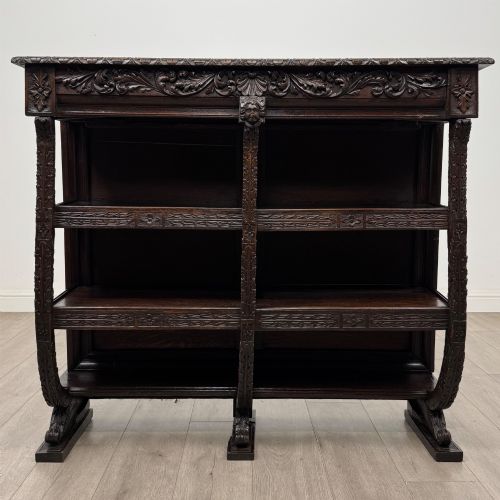
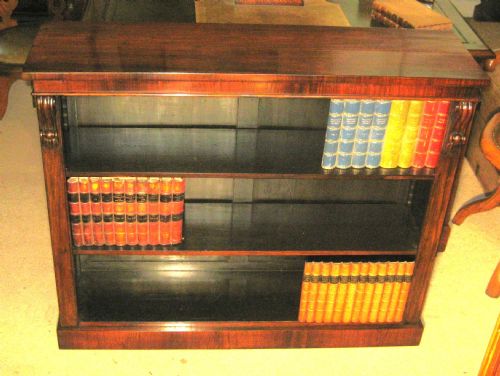
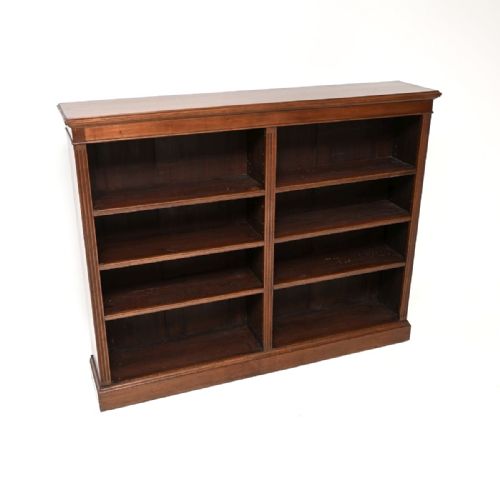
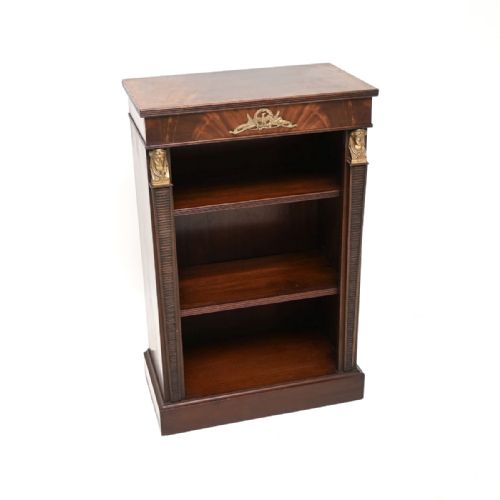
Antique Wood Shelf Unit
An antique wood shelf unit brings warmth and practical display space to a room, holding books and collections while showing the grain of mahogany, oak, or walnut.
Antique Wood Shelf Unit
When searching for an antique wood shelf unit, buyers encounter open bookcases, wall shelves, etageres, and whatnots designed for domestic storage and display. These pieces originate from periods spanning the 19th century, the Victorian era, the Edwardian period, and the Regency years.
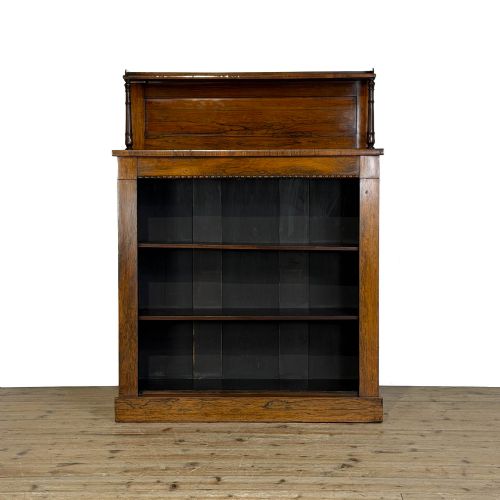
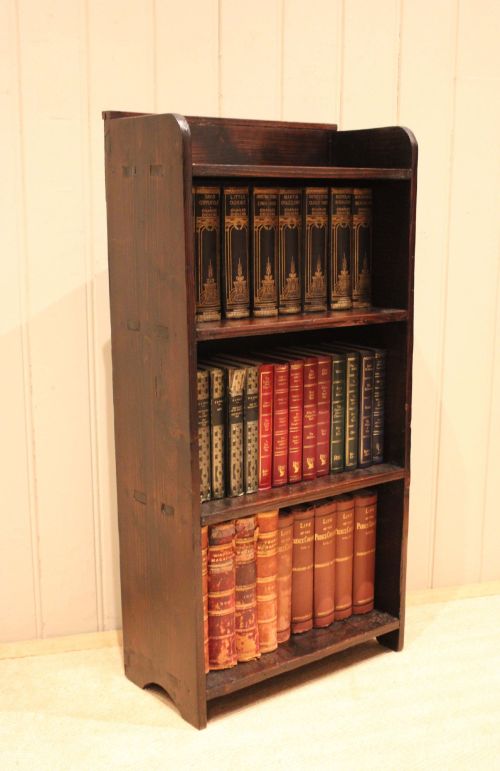
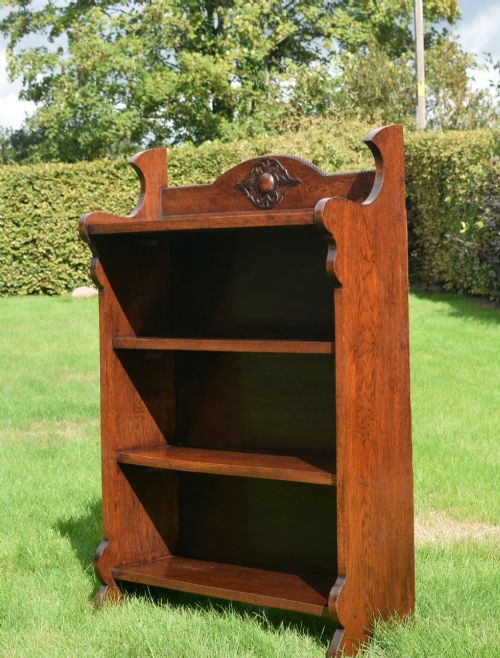
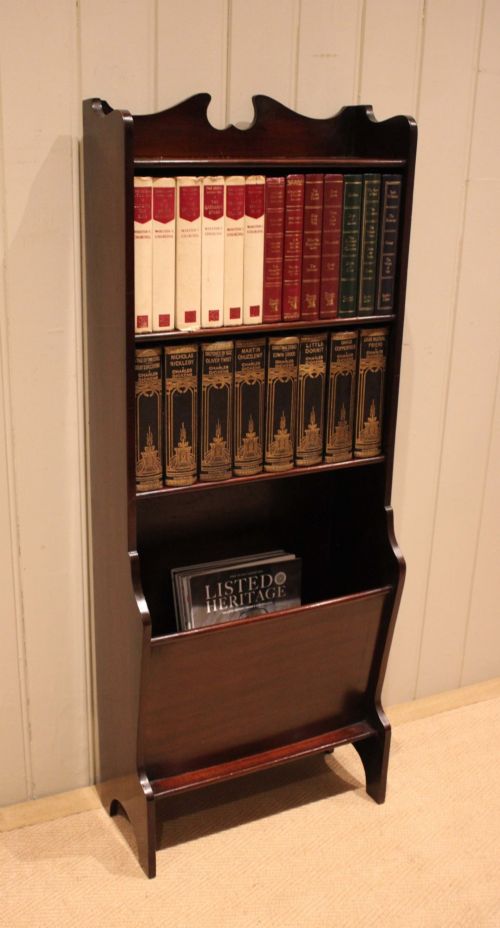
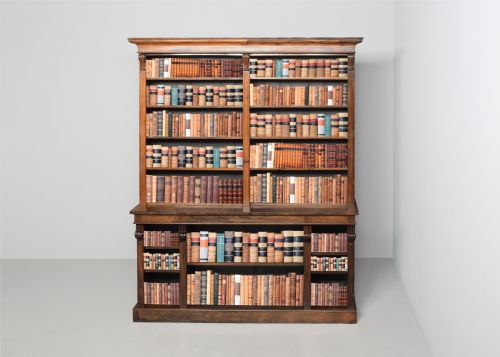
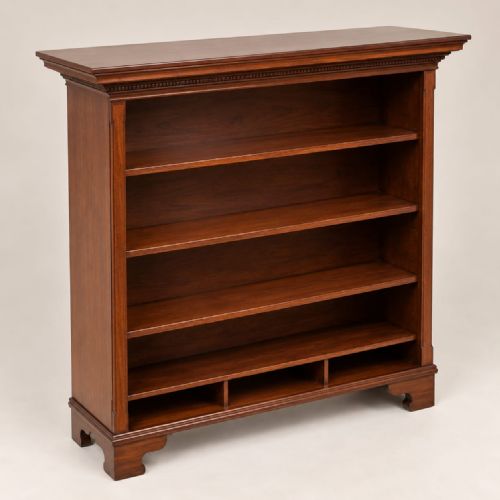
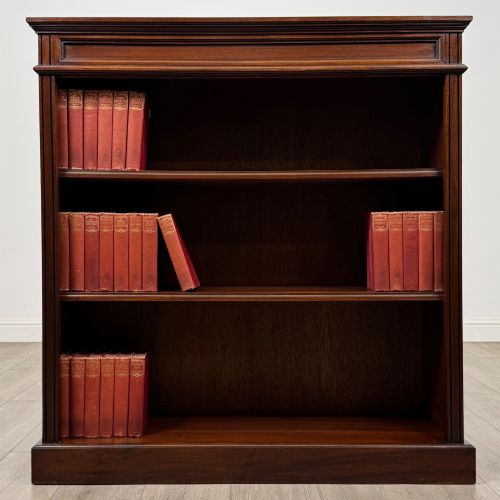
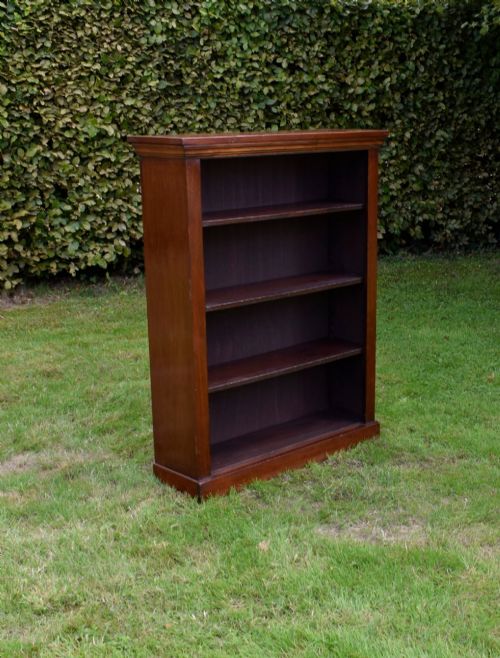
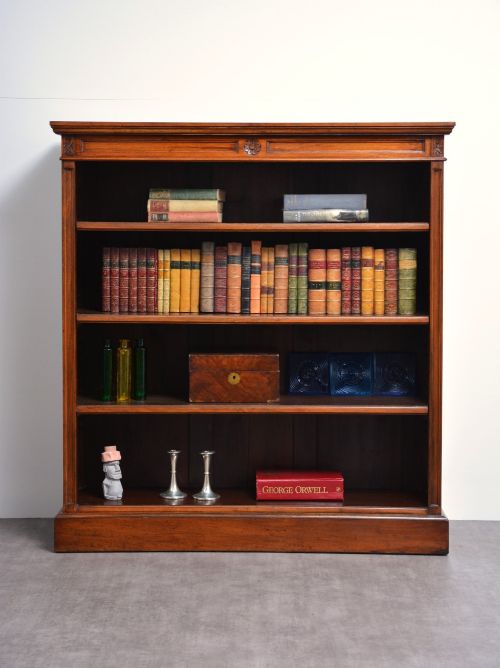
The version most commonly met on this page is the open mahogany bookcase from the Victorian era, often featuring adjustable shelves and simple upright proportions. Alongside these sit oak library pieces, walnut wall shelves, and tiered rosewood whatnots.
Makers and manufacturers utilised various forms, from small rustic units to large library bookcases and hanging shelves, reflecting the changing interior requirements of homes across the nineteenth and early twentieth centuries.
How they were made
Construction relies primarily on timbers such as mahogany, oak, walnut, rosewood, and pine, selected for their structural strength and decorative grain patterns. Craftsmen built these shelf units using traditional joinery, often incorporating brass fittings and adjustable shelf mechanisms.
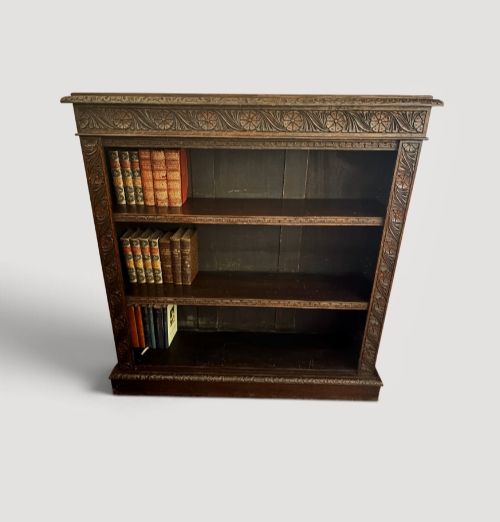
Surface finishes range from polished mahogany and burr walnut to carved oak and ebonised details, displaying the natural figuring of the wood alongside hand-carved elements like barley twists or beaded edges.
Listings feature woods including mahogany, oak, walnut, rosewood, burr walnut, pine, teak, and padauk.
What varies in quality
Quality in an antique wood shelf unit depends on the selection of timber, such as figured mahogany or burr walnut, and the crispness of any carved ornamentation. Pieces displaying thoughtful proportions and refined detailing stand apart from simpler utilitarian examples.
The integrity of the construction, including the smoothness of adjustable shelf systems and the stability of upright supports, dictates the standing of a piece within its period.
The Antique Wood Shelf Unit Glossary
- Open bookcase
- A piece of furniture designed for storing books without glass doors enclosing the front. These units allow immediate access to volumes and showcase colourful bindings.
- Whatnot
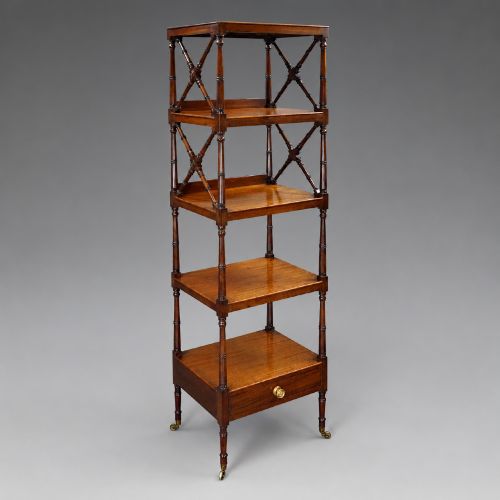
- A multi-tiered piece of freestanding furniture used for displaying ornaments and small objects. They often feature open shelves supported by turned columns or uprights.
- Waterfall bookcase
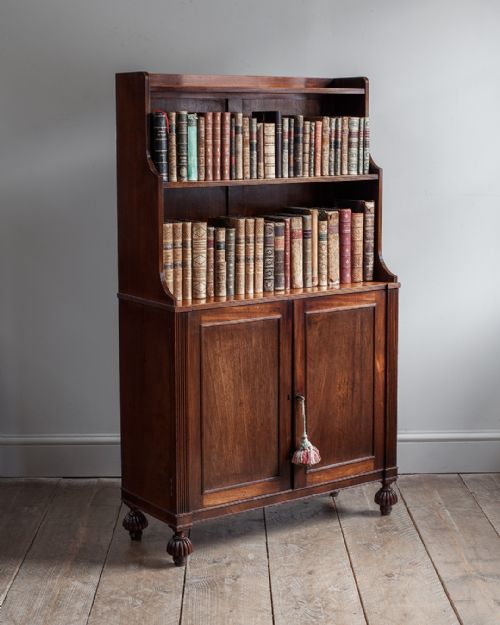
- A shelving unit where each tier is shallower than the one below, creating a stepped profile resembling a cascading waterfall. This style gained popularity during the Regency period.
- Etagere
- A French term for a piece of furniture consisting of a set of open shelves for displaying bric-a-brac. They are typically lighter in construction than standard bookcases.
- Breakfront
- A cabinet or bookcase whose central section projects forward from the flanking sections. This architectural arrangement adds depth and visual interest to larger library pieces.
Antique Wood Shelf Unit: Frequently Asked Questions
How do I style an antique wood shelf unit?
Balance the weight of heavy books with smaller decorative objects, ceramics, and framed prints across the different tiers. Leaving some space empty helps the timber grain and the proportions of the piece remain visible.
Mix vertical book placements with horizontal stacks to create visual variation, ensuring the display complements rather than conceals the craftsmanship of the shelving.
Were these shelves always used for books?
While many were built as open bookcases for libraries and parlours, many variations like whatnots and etageres served primarily to display decorative ornaments. Wall shelves and hanging units provided compact display space in smaller rooms.
Domestic interiors of the nineteenth century adapted these pieces for multiple uses, including holding magazines, sheet music, and personal collections.
How do I identify a Victorian bookcase?
Victorian pieces frequently utilise dense timbers like mahogany and rosewood, often featuring deep polishing, adjustable wooden shelving, and occasionally carved details such as barley twists. The proportions tend to be substantial and sturdy.
Later Victorian examples may incorporate walnut or oak, reflecting shifting aesthetic tastes towards revival styles and lighter domestic furniture.
Can adjustable shelves be trusted on old units?
Most antique library bookcases and open units use wooden bearer strips or metal ratchets to allow shelf height adjustment. These systems were engineered to support heavy volumes securely.
Careful inspection of the shelf supports ensures they sit evenly within their housings, providing a stable surface for everyday use.