

Antique Wood Lowboy Table
An antique wood lowboy table is a compact, multi-drawer occasional piece designed for personal grooming or writing, offering timeless utility and restrained elegance.
Antique Wood Lowboy Table
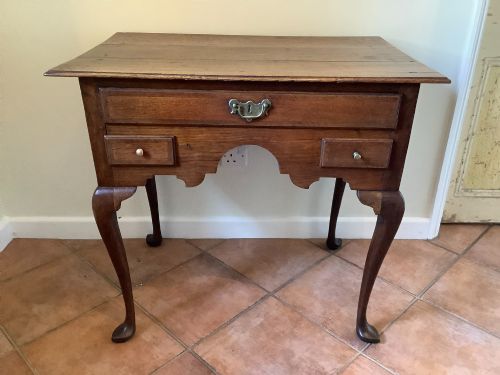
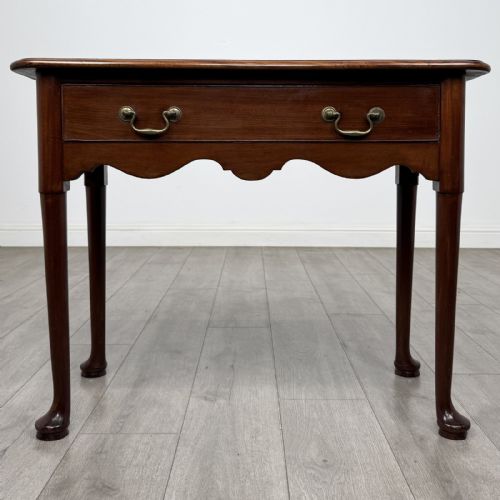
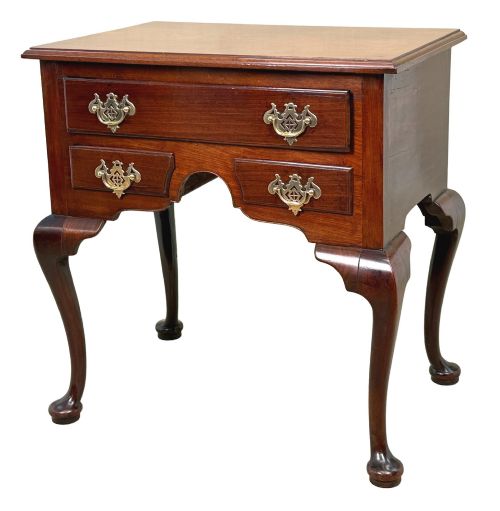
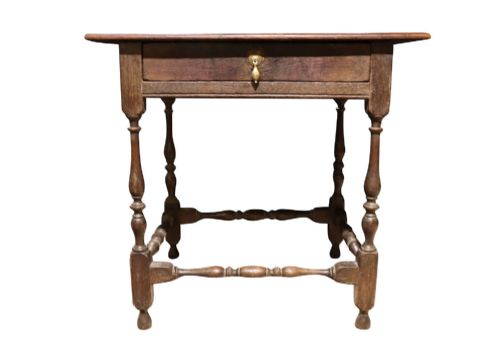
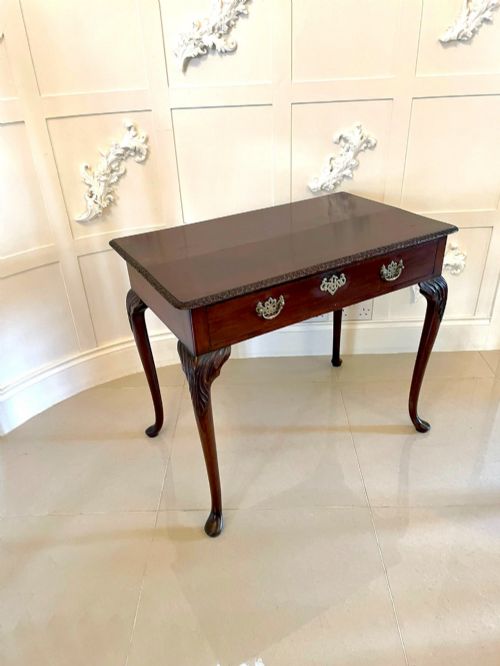
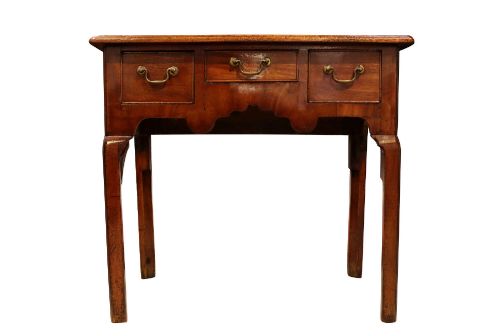
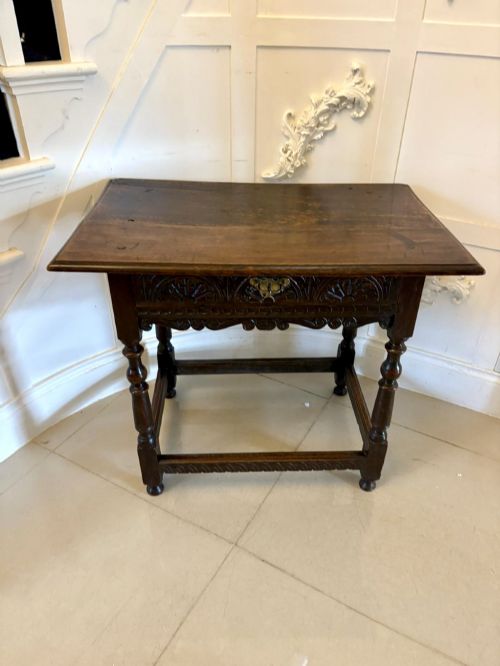
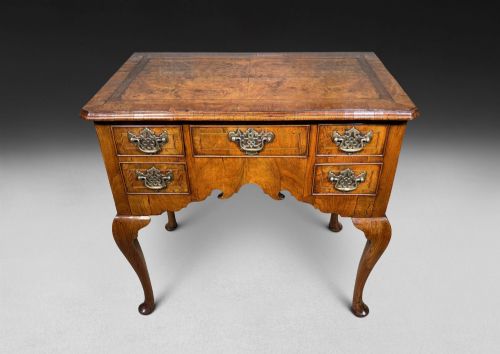
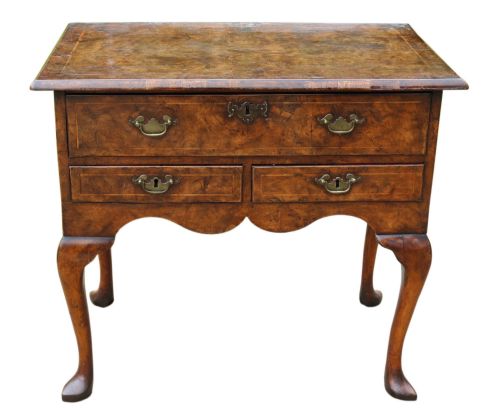
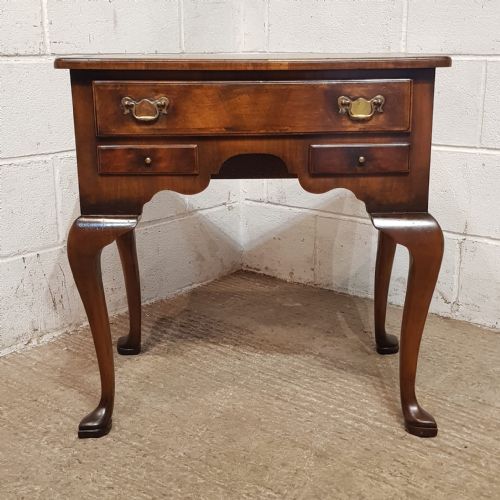
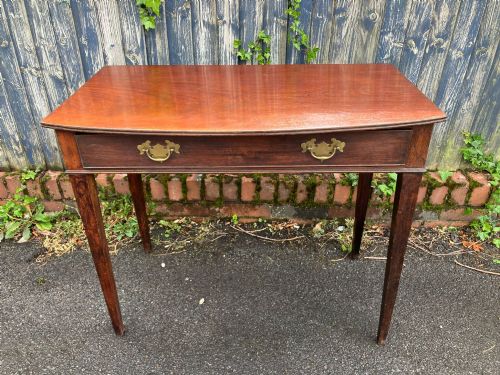
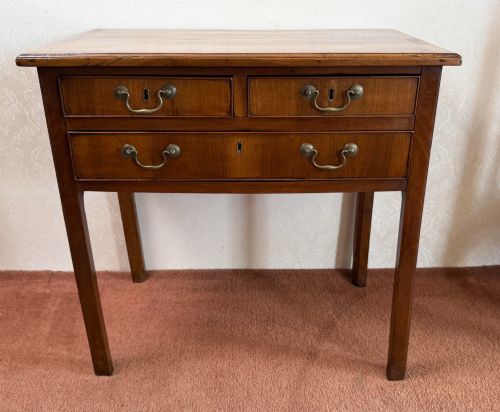
An antique wood lowboy table is fundamentally a small, waist-high table fitted with one, two, or three drawers beneath the work surface. The listings show these pieces appearing predominantly in forms from the seventeenth, eighteenth, and nineteenth centuries, spanning distinct stylistic revivals into the twentieth century.
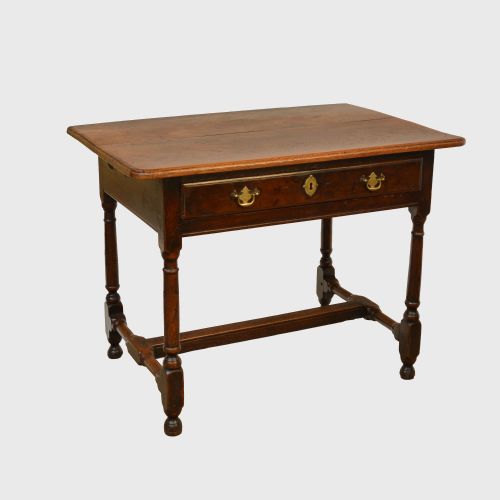
Buyers meet versions ranging from sturdy vernacular oak and elm examples to highly figured mahogany and walnut pieces made during the Georgian eras. These tables frequently double in function as dressing tables, writing desks, or compact side tables within domestic settings.
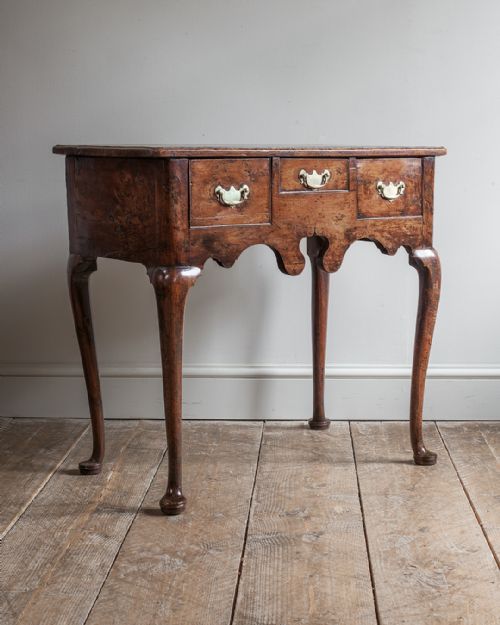
Originating primarily as English domestic furniture, the category encompasses regional country pieces alongside refined metropolitan furniture. The typical layout places small drawers within a valanced or arched apron, raised on slender cabriole or straight legs.
How they were made
Cabinetmakers constructed these tables using a solid timber frame combined with book-matched veneers for superior decorative surfaces. The recorded materials include dense hardwoods like mahogany, oak, and walnut, frequently augmented by burr walnut, yew, elm, and cherrywood.
Construction relied upon traditional joinery techniques, including tightly fitted mortise and tenon joints for the underframe and hand-cut dovetails for the drawer construction. Secondary softwoods often formed internal drawer linings, while brass drop handles and escutcheons secured the drawer fronts.
Antique Wood Lowboy Table Retail Price Guide 2026
Typical asking prices for wood lowboy table among the pieces listed under this phrase on Sellingantiques today, from the lower quarter to the upper quarter. They describe what is for sale here now, not the wider market.
Recorded materials span traditional English hardwoods, highlighting frequent use of oak, mahogany, walnut, yew, and elm.
What varies in quality
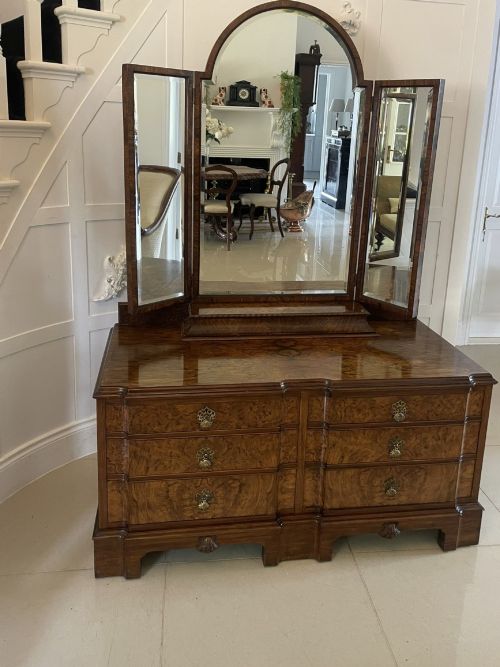
The degree of figuration and selection in the timber sets individual pieces apart, particularly when cabinetmakers utilised burr walnut, figured mahogany, or rich yew wood. Higher grade examples display careful grain matching across the drawer fronts and top surface, creating a cohesive visual pattern.
Proportion and the delicacy of the undercarriage define the upper tier of craftsmanship, where slender cabriole legs or sharply turned cabriole structures meet cleanly profiled aprons. The execution of hand-cut dovetailing and the retention of original brass hardware further distinguish superior examples from simpler regional output.
The Antique Wood Lowboy Table Glossary
- Lowboy
- A small, waist-high table with drawers, typically used as a dressing table or side table during the seventeenth and eighteenth centuries.
- Cabriole leg
- A furniture leg that curves outward at the knee and tapers inward toward the ankle, frequently ending in a pad or foot.
- Dovetail
- A joint used to secure drawer corners, formed by interlocking wedge-shaped fingers of wood.
- Burr walnut
- A prized wood veneer obtained from the burl growths of walnut trees, noted for its swirling, highly figured grain patterns.
- Apurn
- The decorative wooden member beneath the table surface that connects the legs, often shaped with curves or arches.
Antique Wood Lowboy Table: Frequently Asked Questions
What was a lowboy used for?
These tables served primarily as compact dressing tables in bedrooms, holding personal grooming items within their drawers. They also functioned as convenient writing desks or side tables in private parlours.
Because of their modest footprint, they easily adapted to various rooms throughout a historic house for everyday domestic tasks.
How do I date an antique lowboy?
Dating relies heavily on observing the timber species, leg profiles, and drawer construction methods. Earlier pieces often feature oak or walnut with joined frames, while later eighteenth-century examples frequently showcase mahogany with fine dovetailing.
Stylistic markers such as William and Mary turnings or George II cabriole legs further narrow down the exact period of manufacture.
Are lowboys and side tables the same?
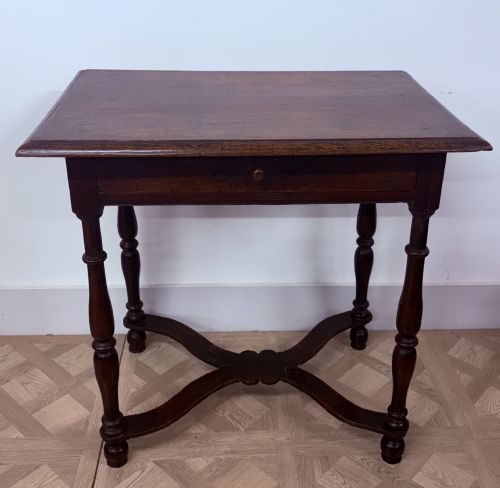
While all lowboys function as side tables due to their form, not every side table qualifies as a lowboy. A true lowboy specifically incorporates one to three drawers beneath a waist-high top and rests on distinct legs.
General side tables listed in the evidence may lack drawers entirely or follow different proportion standards.
How do I style a lowboy at home?
A lowboy fits neatly into hallways, living rooms, or bedrooms as an accent piece with practical storage. Placing a table lamp or a small mirror above it highlights its traditional proportions without overcrowding the surface.
The modest depth allows the piece to sit flat against walls in narrow spaces where larger furniture would fail to fit.