

Antique Wood Display Shelf
An antique wood display shelf holds small treasures and books, bringing warmth and character to a room through centuries of timber craftsmanship.
Antique Wood Display Shelf
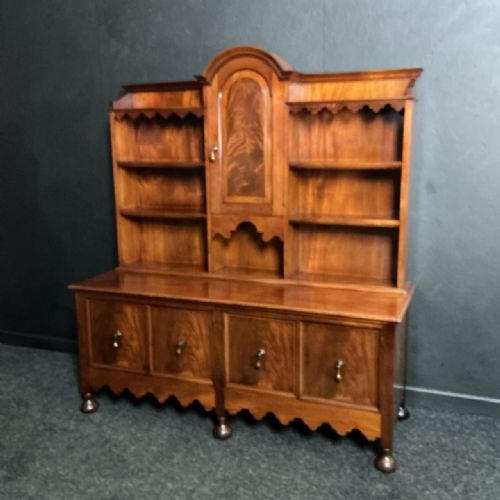
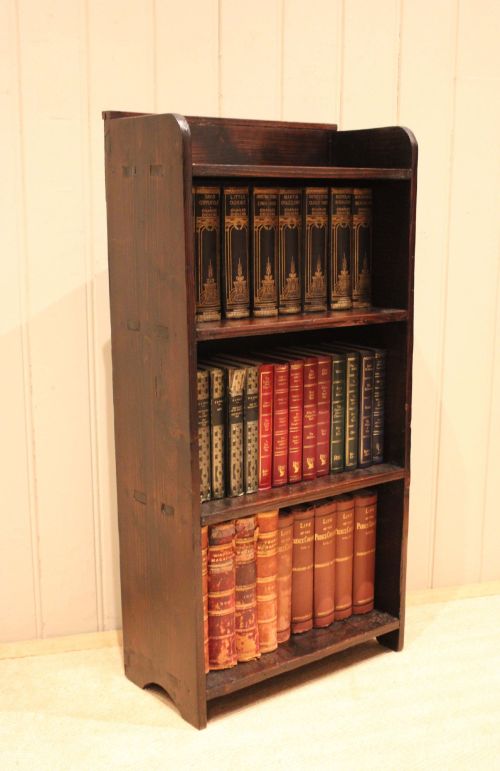
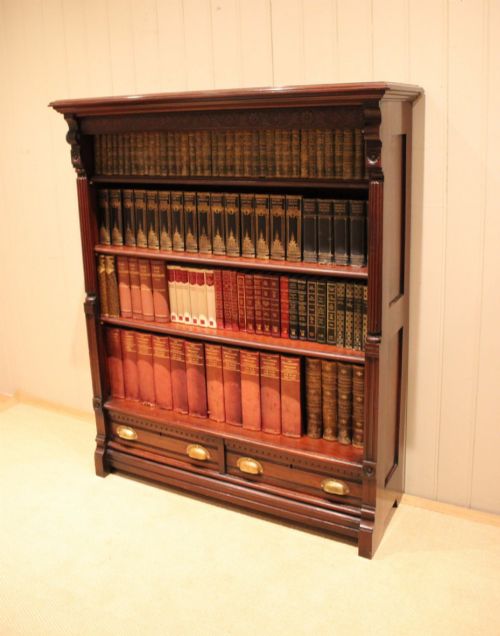
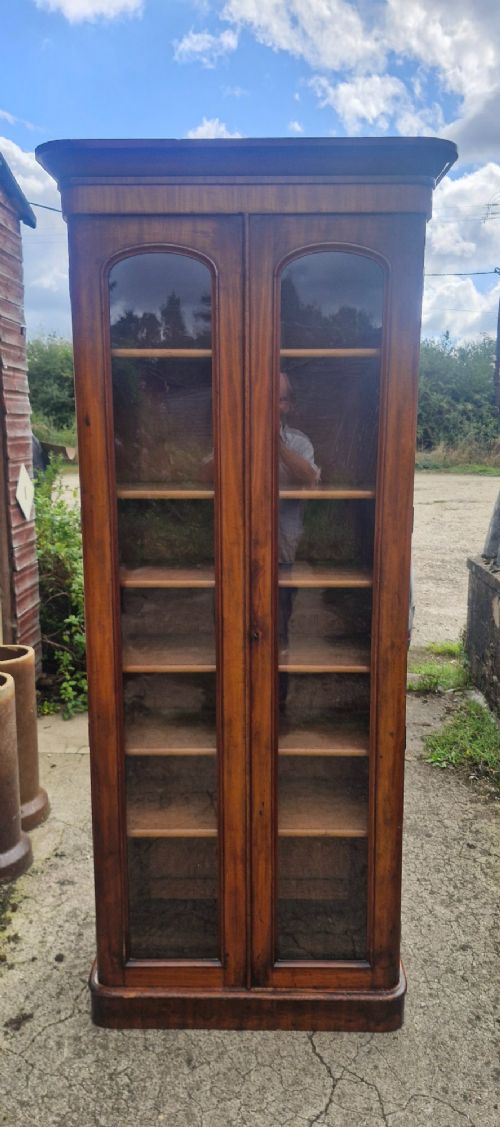
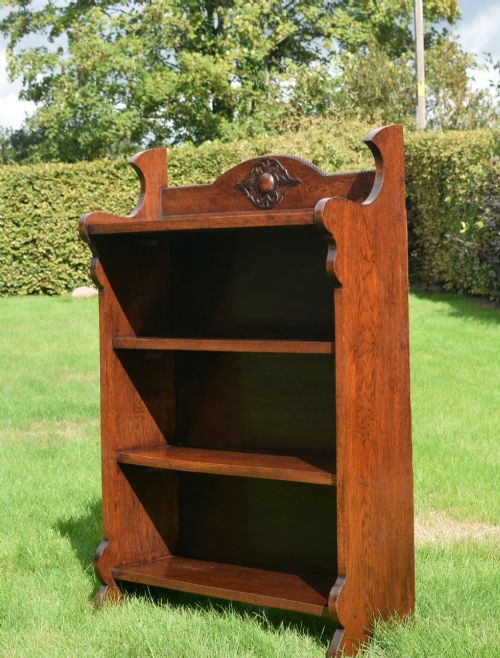
When you search for an antique wood display shelf, you encounter pieces designed to organise and exhibit books or decorative objects. The selection draws heavily from the nineteenth and early twentieth centuries, spanning Victorian, Edwardian and Regency eras.
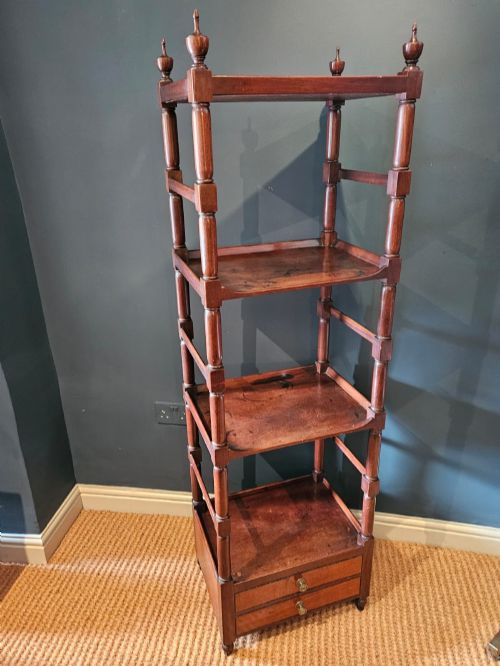
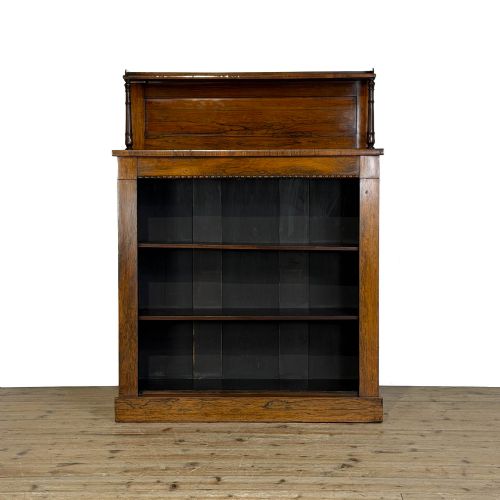
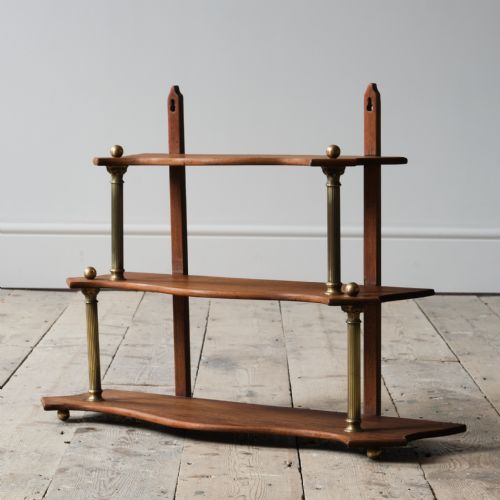
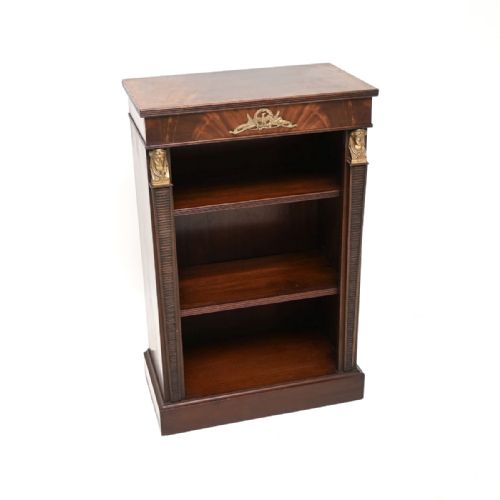
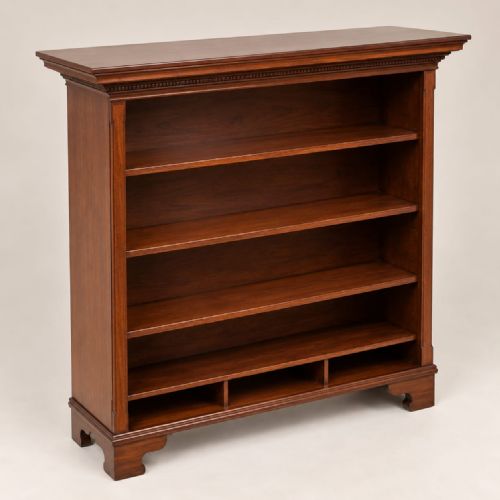
Most items you meet take the form of open bookcases, multi-tiered whatnots, wall hanging shelves and corner cabinets. These pieces range from small wall brackets to large floor-standing units with adjustable shelving.
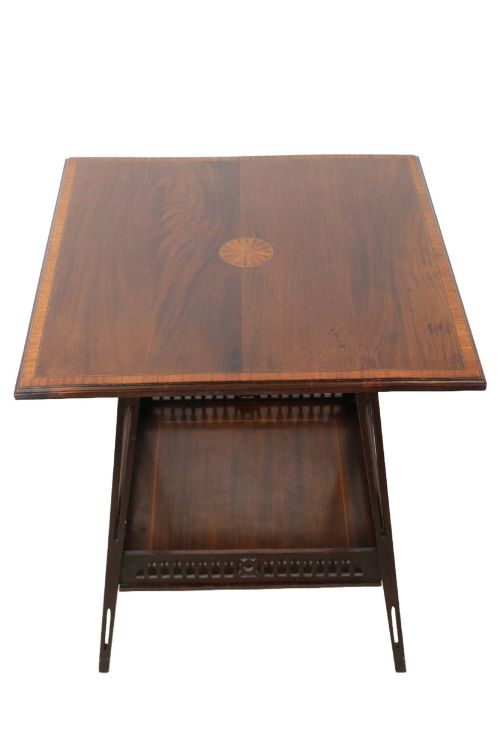
Origins include standard domestic furniture alongside specialised music cabinets and side tables adapted for display. The variety reflects changing interior fashions from George III designs through to Arts and Crafts simplicity.
Materials and construction
Cabinet makers relied primarily on hardwoods such as mahogany, oak, walnut and rosewood, frequently incorporating brass fixtures, glass panels and pine secondary woods. These timbers were selected for grain and durability, then polished or waxed to a deep lustre.
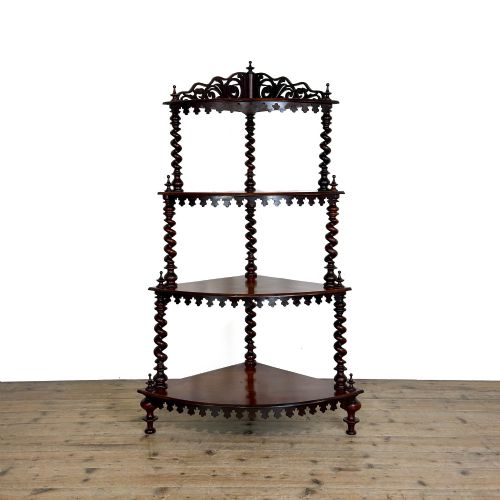
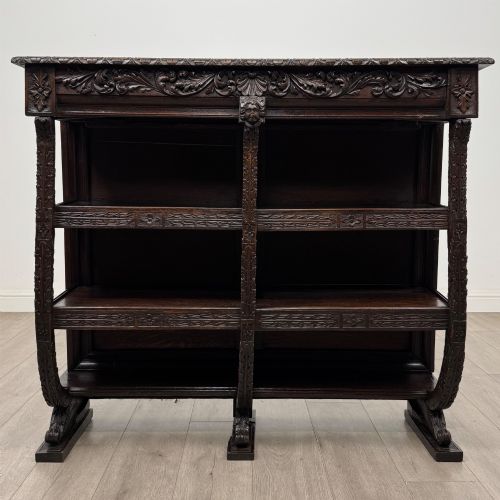
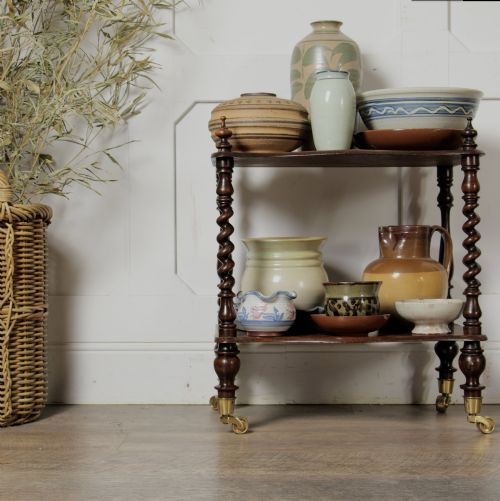
Construction techniques include tailored joinery for tiered whatnots and wall brackets, alongside sturdy frames for open bookcases and cabinets. Turned elements such as barley twist supports appear regularly, while some pieces feature intricate hand carving or delicate inlay.
Adjustable shelving systems on later Victorian and Edwardian bookcases demonstrate practical engineering designed for functional libraries. Ebonised finishes and parcel gilding also surface in pieces intended for more formal reception rooms.
The listings encompass nineteenth and twentieth-century periods, featuring mahogany, oak, walnut, rosewood and pine alongside glass and brass elements.
Standards of craftsmanship
Quality rests upon the selection of timber and the precision of the joinery rather than ornamentation alone. Dense, well-figured mahogany or quarter-sawn oak distinguishes superior examples from utilitarian pieces.
The integration of secondary materials, such as heavy brass brackets, finely turned columns or crisp hand-carved details, elevates a piece. Proportion and structural integrity determine whether a multi-tiered shelf or bookcase holds its line over decades of use.
Trevor Page & Co·Gabriel Viardot
The Antique Wood Display Shelf Glossary
- Étagère
- A French term for a piece of furniture with open shelves for displaying small objects or ornaments. These often appear in ebonised wood or exotic timbers.
- Barley twist
- A type of decorative turning resembling a twisted rope, commonly used for the vertical supports on 19th-century stands and bookcases.
- Wall bracket
- A small shelf or support fixed directly to a wall to hold a single decorative item or bust. They are frequently carved from oak or walnut.
- Padauk
- A heavy, durable tropical hardwood with a reddish hue, occasionally found in mid-19th-century Anglo-Indian shelving units.
Antique Wood Display Shelf: Frequently Asked Questions
What is a whatnot shelf?
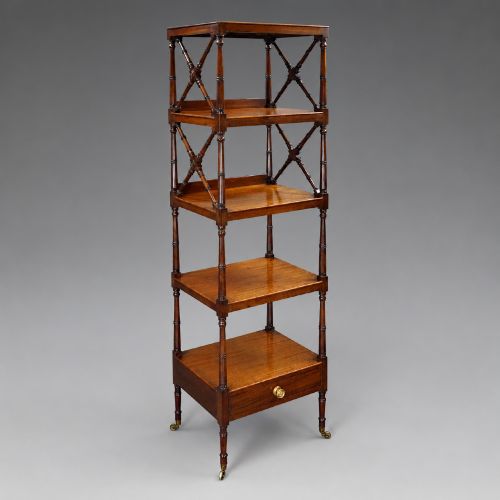
A whatnot is an open tiered stand designed specifically for displaying ornaments and small possessions. It allows items to be viewed from multiple angles.
These pieces typically feature three to four shelves supported by turned wooden columns, making them suitable for corners or small wall spaces.
How do I hang wall shelves safely?
Hanging antique wall shelves requires securing fixings directly into wall studs or using heavy-duty wall anchors appropriate for the wall type. Antique wood and brass brackets bear considerable weight when loaded with books.
Check the structural integrity of the original hanging points on the back of the shelf before mounting to ensure the timber holds firm.
How do I tell Victorian from Edwardian bookcases?
Victorian bookcases generally feature darker, heavier timbers like mahogany or walnut with dense carving, deep polish and sometimes barley twist columns. They often include adjustable wooden shelving.
Edwardian pieces tend to display lighter oak or mahogany construction, occasionally with simple inlay work, reflecting a shift towards brighter domestic interiors.
Can adjustable shelves be trusted?
Late 19th-century and early 20th-century bookcases often utilise metal ratchets or wooden pegs for adjustable shelf heights. These systems were built to bear the heavy load of bound volumes.
Inspect the shelf supports and inner cabinet walls to confirm the original mechanisms remain solid and level before loading them with heavy books.