
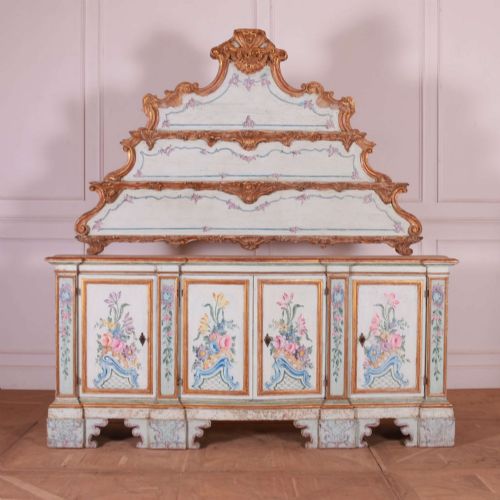
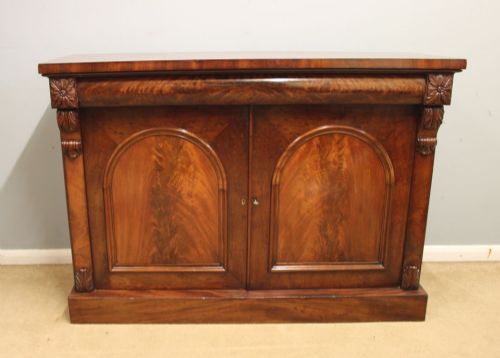
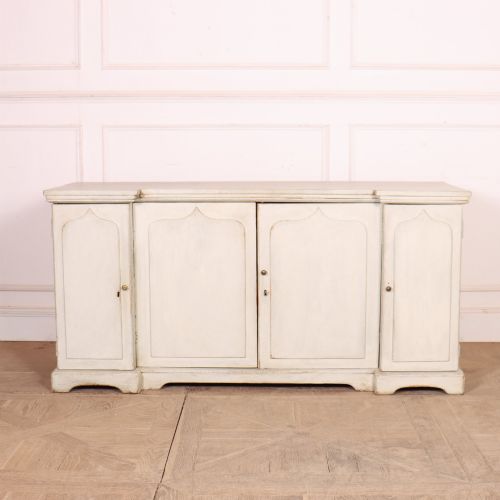
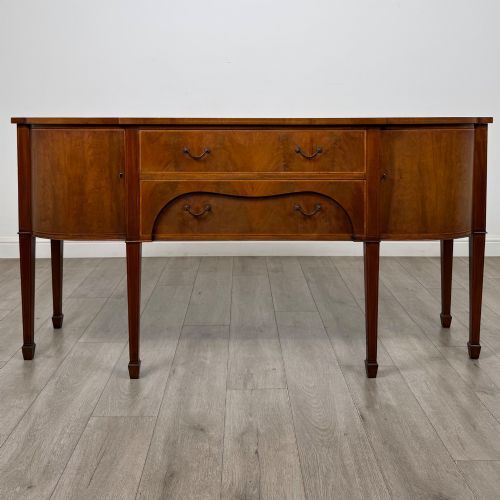
Antique Wood Buffet Cabinet
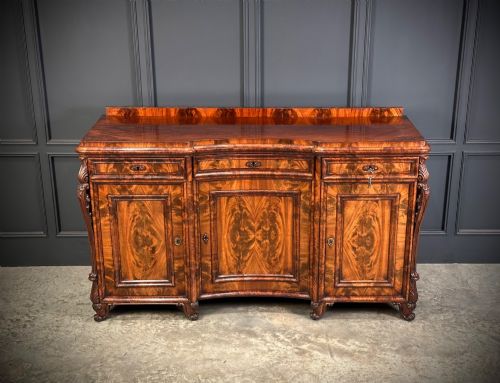
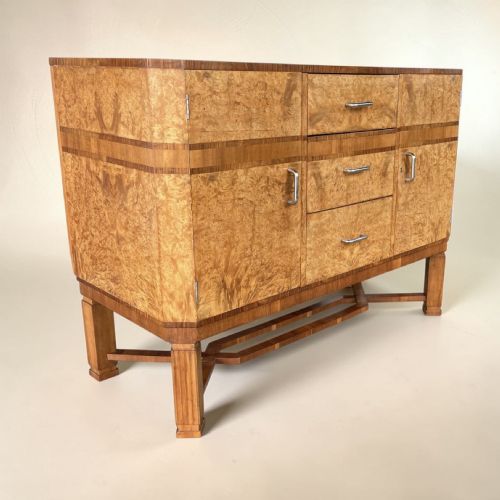
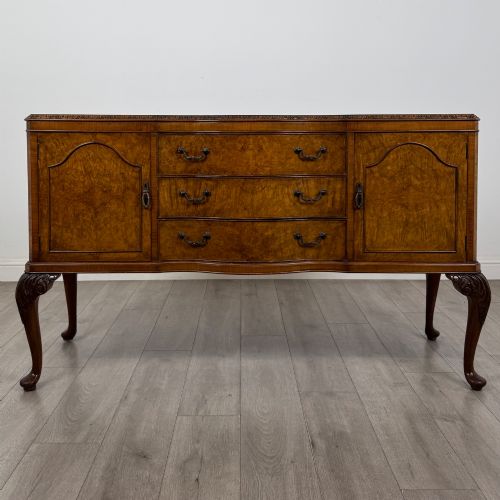
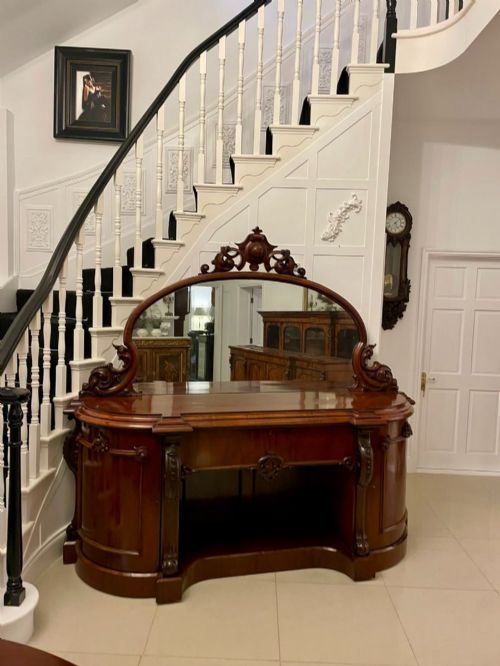
An antique wood buffet cabinet grounds a dining room, offering substantial timber storage built to last generations.
Antique Wood Buffet Cabinet
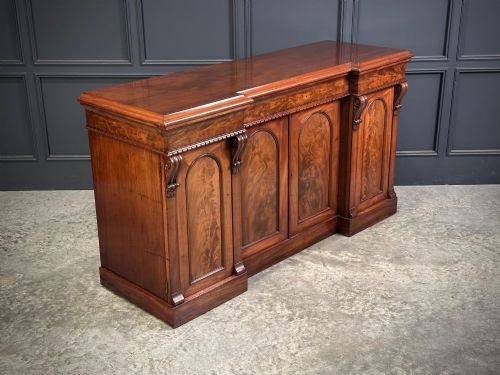
When you search for an antique wood buffet cabinet, you encounter heavy dining room storage pieces spanning sideboards, servers, credenzas, and dressers. These items originate across the eighteenth, nineteenth, and early twentieth centuries, reflecting changing domestic habits in dining and storage.
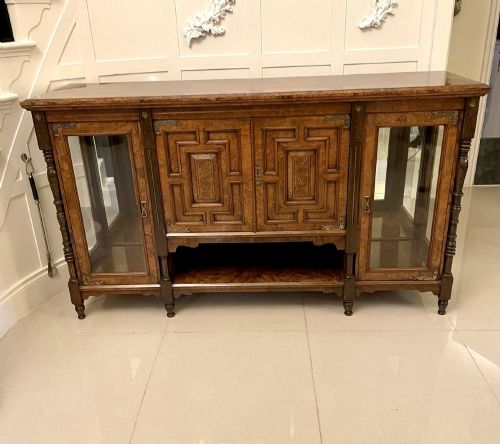
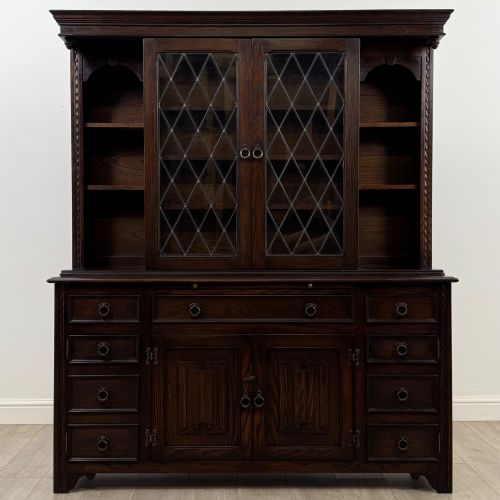
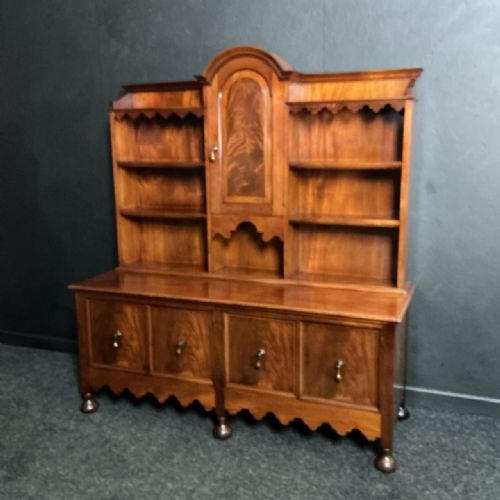
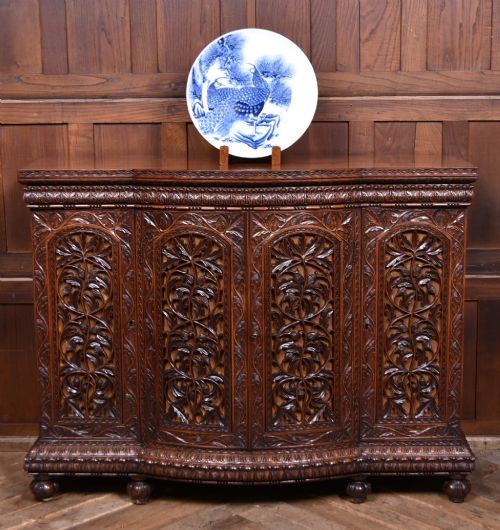
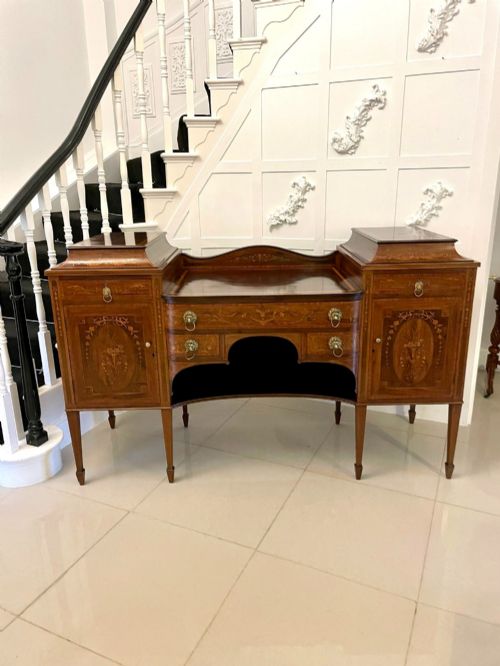
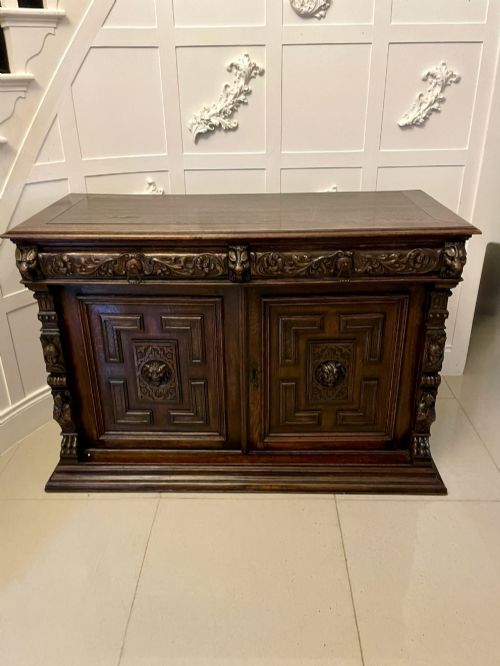
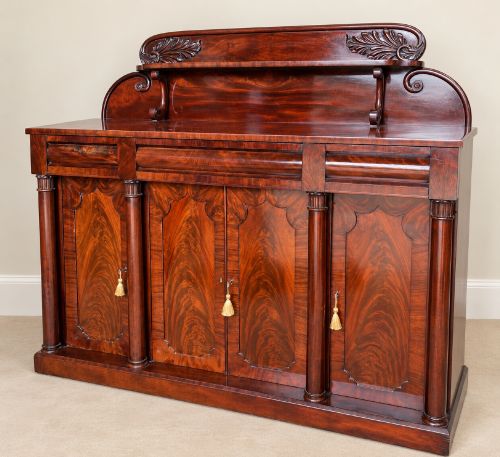
The versions you meet most frequently on this page are nineteenth-century and Edwardian pieces formed from mahogany or oak. They range from simple bow-front servers to large carved Victorian server units and French hunting cabinets.
Makers and workshops across Britain and continental Europe shaped these storage items for grand dining spaces and formal rooms. Regional variations show in the choice of native woods like oak alongside imported timbers such as mahogany and padouk.
What varies in quality
The caliber of an antique wood buffet cabinet rests upon the selection of timber and the precision of its joinery. Superior examples display carefully matched flame veneers and deep, hand-carved ornamentation that remains crisp and well-defined.
Internal construction, drawer linings, and original brass hardware distinguish workshop pieces from mass-produced items. The harmony of proportions and the integrity of the timber movement across doors and panels dictate the standing of each piece.
Listings feature eighteenth-century Georgian and Sheraton pieces alongside nineteenth-century Victorian and Edwardian examples in oak, mahogany, and walnut.
Hewetsons London
The Antique Wood Buffet Cabinet Glossary
- Buffet
- A sideboard or cabinet designed for storing and serving food. It provides a wide top surface alongside cupboard and drawer storage below.
- Credenza
- A sideboard or buffet cabinet typically lacking legs, sitting low to the floor with cupboards. Originating in Italy, it gained popularity in Victorian drawing rooms.
- Breakfront
- A piece of furniture where the central section projects forward from the flanking sides. This architectural arrangement creates depth and visual interest on large sideboards.
- Marquetry
- The art of applying pieces of veneer to a structure to form decorative patterns. Craftsmen use various coloured woods to build intricate pictorial designs.
- Serpentine
- A front contour that curves inward in the centre and outward at the ends. This flowing shape demands high skill from the cabinet maker.
Antique Wood Buffet Cabinet: Frequently Asked Questions
What is an antique wood buffet cabinet used for?
These pieces provide substantial storage for dining rooms, holding tableware, linens, and serving dishes within enclosed cupboards and drawers.
The wide top surface functions as a servery during meals or a display area for decorative ceramics and silver.
How do I identify the period of a buffet?
Examine the primary wood choice, the style of carving, and the construction methods used inside the drawers and cabinet backs. Georgian pieces favour understated mahogany lines, whereas Victorian examples often display heavier carved oak or flame mahogany.
Edwardian items frequently return to lighter classical revival motifs like Sheraton inlay and satinwood banding.
How do I care for antique timber furniture?
Keep wooden cabinets away from direct sunlight and heat sources to prevent the timber and veneers from drying out and splitting. Dust regularly with a dry cloth and apply occasional specialist wax to nourish the polished surface.