


Antique Wood Animal Ornament
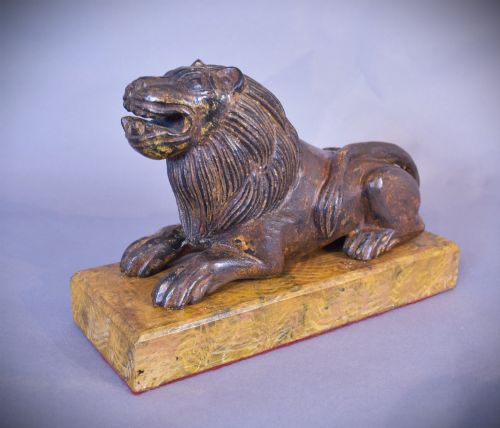
An antique wood animal ornament brings nature indoors through carvings of bears, elephants, and lions shaped from hardwood or linden wood.
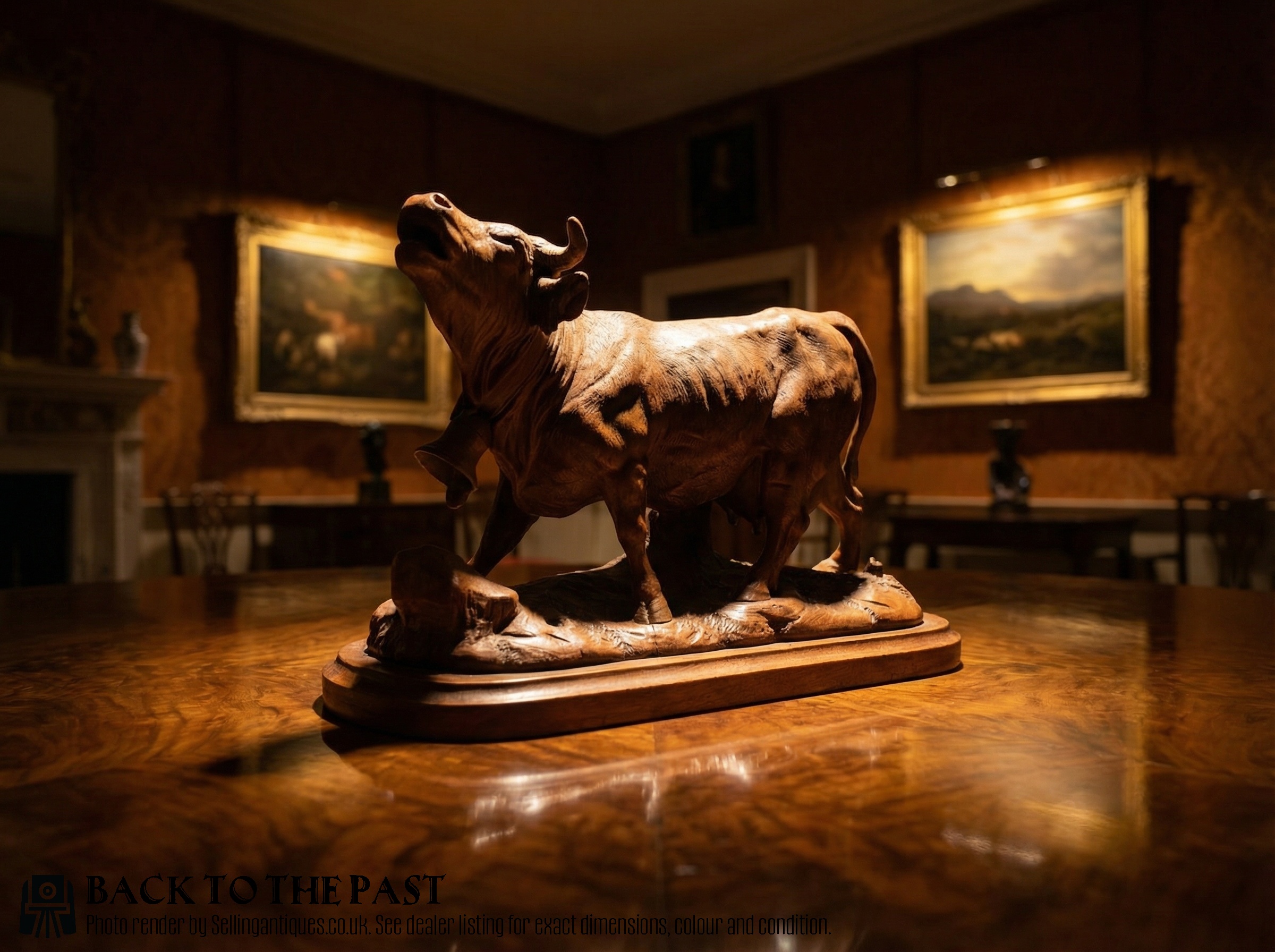
Antique Wood Animal Ornament
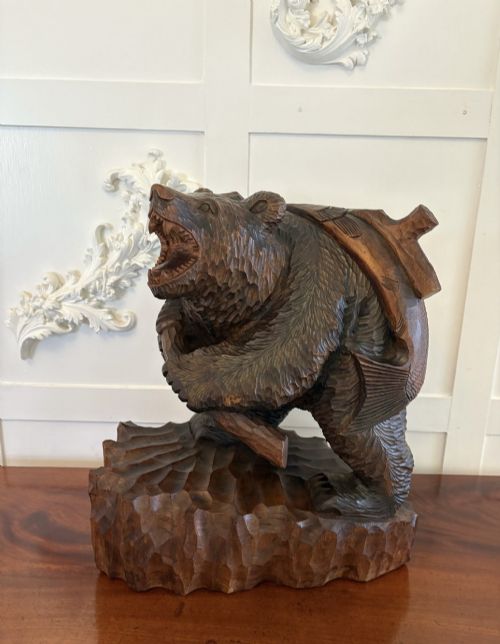
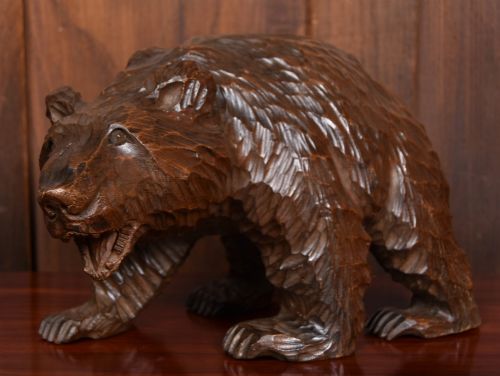
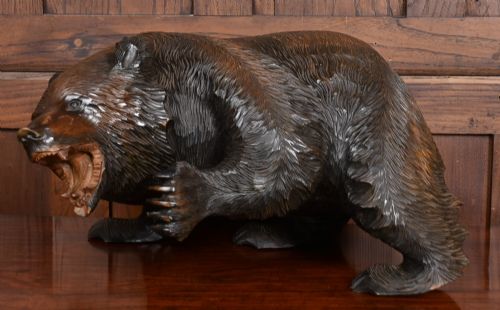
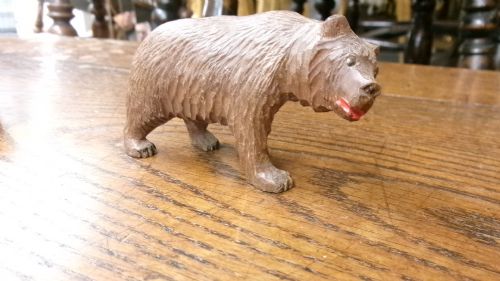
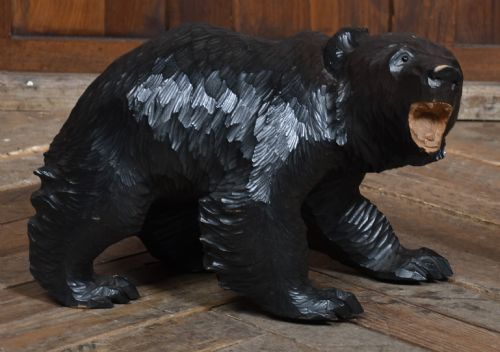
The version most commonly encountered on this page is the carved wooden bear, often originating from European workshops or Japanese traditions like Kibori Kuma. These pieces range from miniature depictions to large figures, frequently capturing animals in realistic or expressive postures.
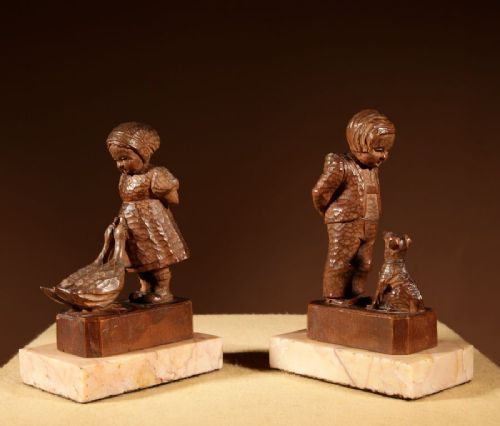
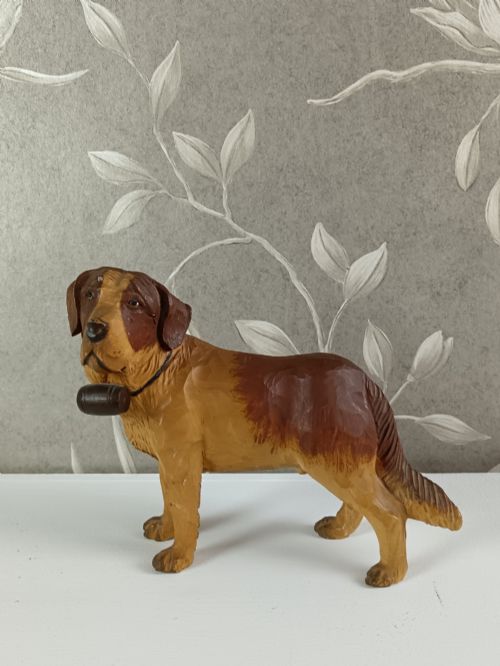
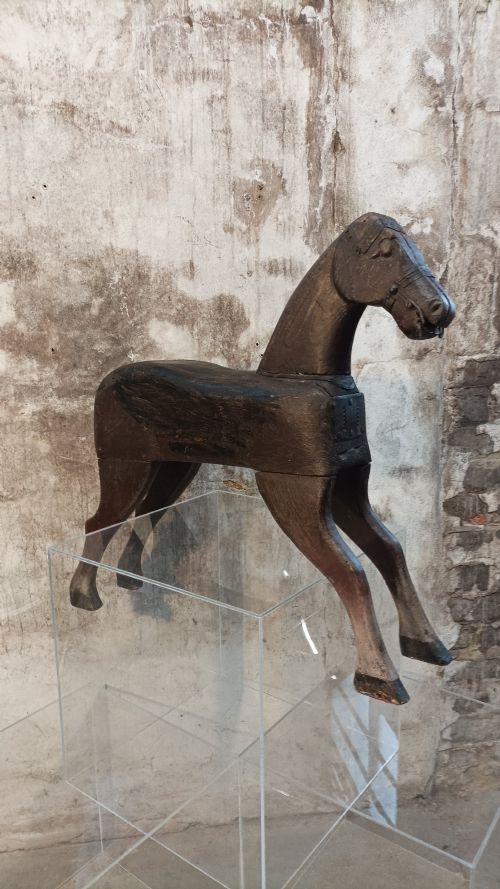
Beyond bears and elephants, the category includes domestic dogs, wild cats, horses, and sea creatures fashioned by folk artists and specialised carvers. Each piece reflects the aesthetic preferences and natural observation of its period of origin.
Materials and construction
Carvers utilised a variety of woods suited to intricate detail work, most notably linden wood, walnut, teak, ebony, and general hardwoods. Linden wood offered a soft yet dense medium for European and Japanese artisans to render fur texture and facial expressions with precision.
Listings feature woods including linden wood, walnut, ebony, and teak across sculptures of bears, elephants, lions, and dogs.
Assessing craftsmanship
The fidelity of anatomical proportion and the expressiveness of the animal's posture dictate the upper tier of these carvings. Master carvers captured movement and tension in muscle and bone, whereas simpler workshop pieces rely on static symmetry.
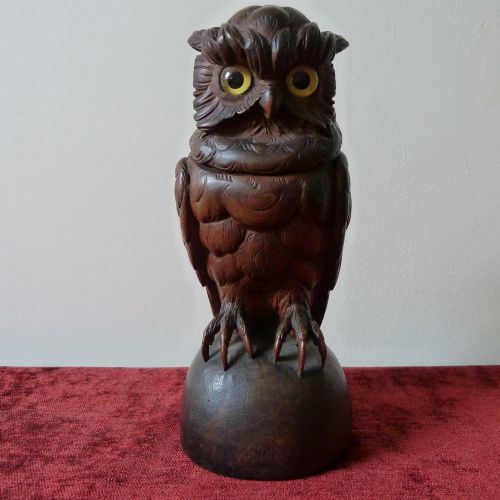
Depth of relief and texture in fur, skin, or feathers separate refined sculptures from naive folk art. The integration of functional elements, such as inkwells or lidded boxes, also distinguishes utilitarian desk objects from purely decorative statuary.
The Antique Wood Animal Ornament Glossary
- Black Forest
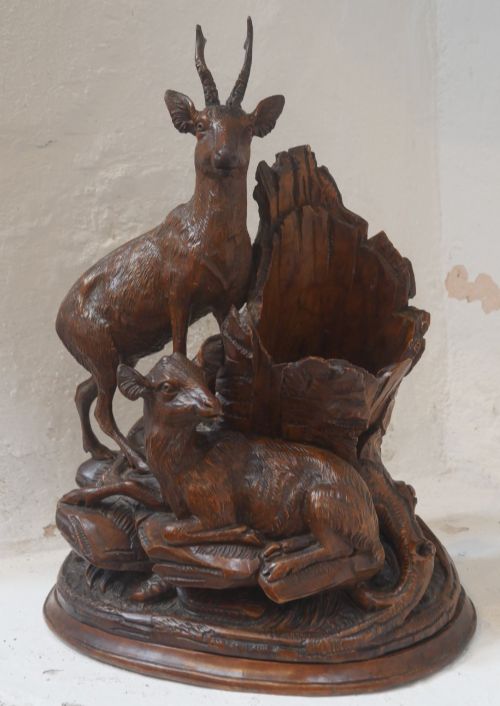
- A style of wood carving originating from the Swiss and German mountain regions, characterised by realistic depictions of bears, deer, and alpine animals. These pieces often doubled as functional household items like inkwells or hall stands.
- Kibori Kuma
- A traditional Japanese style of wood-carved bear, often depicted carrying a fish in its mouth. The technique originated in Hokkaido during the Meiji period.
- Okimono
- A Japanese term for a small decorative statue or ornament intended for display on a shelf or in a tokonoma alcove. These carvings display intricate detail in subjects ranging from rabbits to frogs.
- Folk Art
- Objects created by self-taught or traditional artisans outside academic traditions. These figures often display naive proportions and charm through simplified painted surfaces.
Antique Wood Animal Ornament: Frequently Asked Questions
How do I identify a Black Forest carving?
Black Forest carvings are typically rendered in linden wood or walnut and depict forest animals with realistic textures. Look for deep brown tones and subjects like bears, mountain goats, or owls.
Many of these pieces served practical functions, such as inkwells, umbrella stands, or small boxes, alongside purely decorative sculptures.
What is a Kibori Kuma bear?
A Kibori Kuma is a wooden carved bear from Japan, particularly associated with Hokkaido and the Meiji period. They frequently feature the animal holding a salmon.
Carvers utilised hand tools to texture the fur, creating distinct patterns that help differentiate regional Japanese folk carving from European work.
How should I care for antique wood animals?
Keep wooden sculptures away from direct sunlight and sudden temperature shifts to prevent the timber from splitting or warping. Dust gently with a dry, soft cloth.
Avoid applying modern polishes or oils, as these can build up on the hand-carved surfaces and darken the natural patina of the wood.
Are these animals carved from a single piece?
Many smaller figures and miniature bears are carved from one block of wood, while larger sculptures may involve joined sections for limbs or bases. Regional variations dictate construction methods.
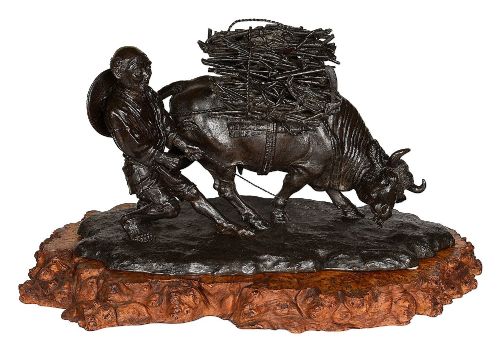
Indian Raj period elephants and Chinese water buffaloes often utilise dense hardwoods like ebony or teak, sometimes incorporating separate bases or ivory tusks.
What periods do these carvings come from?
The majority of these animal ornaments date from the nineteenth century through the early twentieth century, spanning the Victorian and Meiji eras. Earlier seventeenth-century pieces occasionally appear.
Stylistic markers, such as the naturalism of Black Forest work or the distinct themes of Anglo-Indian exports, help contextualise the production era.