


Antique Wine Trough
An antique wine trough brings centuries of hospitality straight into your room, offering deep vessels crafted to chill bottles or display greenery with effortless style.
Antique Wine Trough
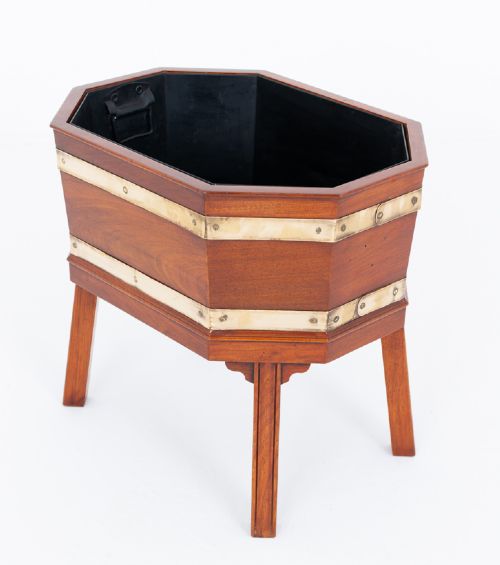
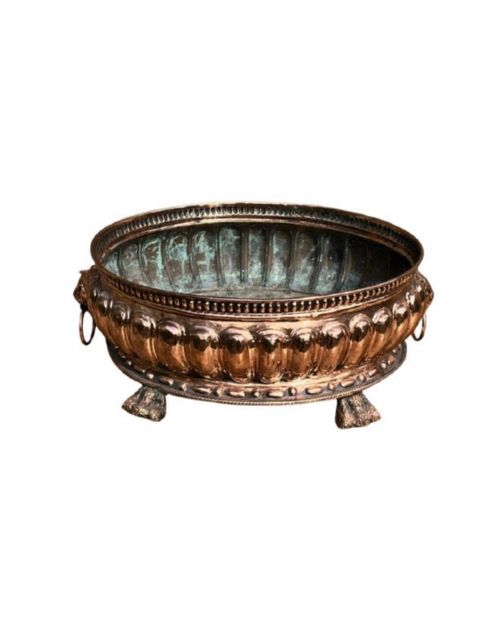
When you search for an antique wine trough, you encounter substantial serving vessels and planters originating from the eighteenth century onwards. These pieces span Georgian, Regency, and Victorian periods, often crossing over in form with wine coolers, cellarettes, and jardiniere stands.
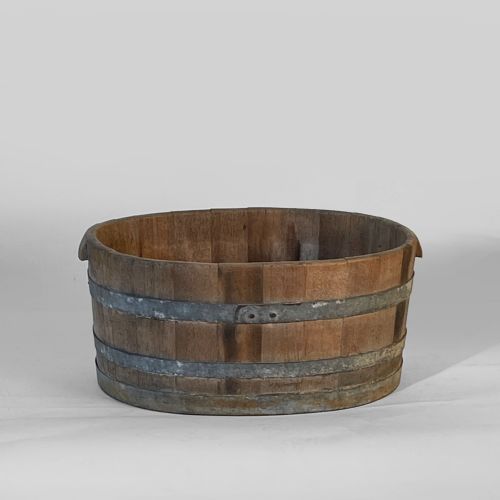
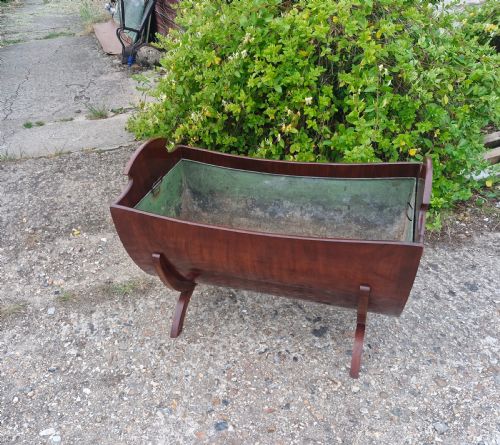
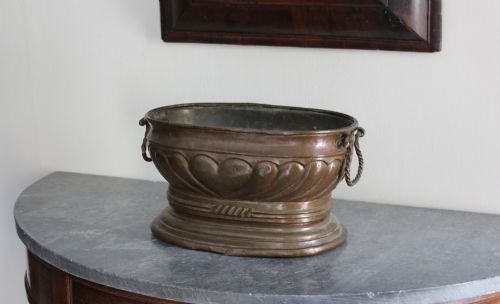
Mahogany and copper dominate the selection, appearing alongside oak, brass, and occasional treen or zinc elements. Forms range from boat-shaped copper bowls and coopered tubs to brass-bound mahogany carriers designed for grand dining rooms or country houses.
Many examples double as planters or log baskets, reflecting how nineteenth-century households repurposed heavy wooden and metal containers. The versions you meet most frequently on this page combine sturdy timber staves with metal liners or repoussé decorative details.
Evaluating craftsmanship
Quality rests upon the integrity of the materials and the crispness of the joinery or metalwork. Finer pieces display dense mahogany timbers with rich grain patterns, substantial brass banding, and well-cast mounts rather than thin veneers or stamped substitutes.
The degree of hand-finishing defines the upper tier of these vessels, visible in clean dovetailing, tightly fitted coopered staves, and deeply chased repoussé ornamentation. Maker attributions or documented workshops further elevate examples through superior proportions and structural refinement.
Some nineteenth-century wooden containers were built specifically to collect stray wine dregs, proving that spilling drops is a very old tradition indeed.
Gillows of Lancaster·Lister and Co
The Antique Wine Trough Glossary
- Coopered
- Constructed from curved wooden staves bound together with metal hoops, much like a traditional barrel. This technique ensured watertight integrity for washing tubs and wine coolers.
- Repoussé
- A metalworking technique where the artisan hammers the design from the reverse side to create a raised relief on the front. This ornamentation appears frequently on nineteenth-century brass planters.
- Cellarette
- A lockable container or floor-standing trough used to store wine bottles near the dining table before serving. Georgian and Regency examples often featured lead linings and partitioned interiors.
- Ormolu
- Gilded bronze mounts applied to furniture and decorative objects during the eighteenth and nineteenth centuries. They provide polished metallic highlights against dark mahogany surfaces.
Antique Wine Trough: Frequently Asked Questions
What is an antique wine trough used for today?
These versatile vessels serve brilliantly as heavy-duty planters for indoor house plants or as striking log baskets beside a fireplace.
Collectors also utilise them during gatherings as deep champagne coolers or bottle holders, keeping the historical function alive in modern spaces.
How do I tell a Georgian wine cooler from a Victorian one?
Georgian pieces typically showcase restrained classical proportions in solid mahogany with brass banding and fitted interior partitions. They reflect the formal dining habits of the eighteenth century.
Victorian and Edwardian iterations often embrace more ornate decorative treatments, including hammered copper, repoussé brass bowls, and varied revival styles.
Are these troughs waterproof?
Many original wooden troughs feature metal liners or lead linings designed to hold melting ice and wet bottles safely. However, timber staves can dry out over time and may require care before holding water directly.
Using a modern inner tray protects the antique wood while allowing you to display fresh floral arrangements or plants.
Where were these pieces originally placed in a home?
Wine troughs and cellarettes stood directly on the dining room floor near the host or sideboard for easy access during long meals. Jardiniere stands and copper bowls found their places on tables, window ledges, or dedicated pedestals in reception rooms.