

Antique Wine Bowl
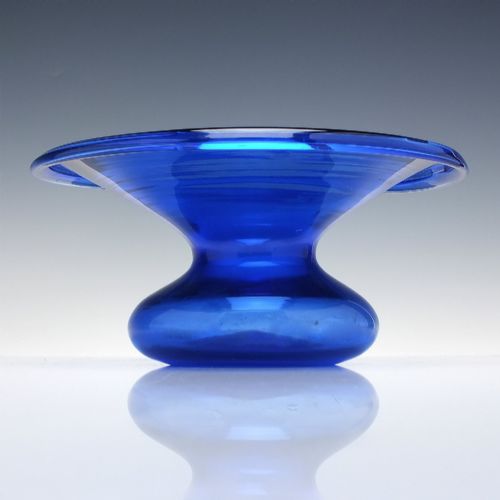
An antique wine bowl brings heavy glass and crisp silver to the table, offering a tangible connection to Georgian and Victorian dining traditions.
Antique Wine Bowl
The search for an antique wine bowl leads through a variety of drinking vessels, rummers, and coolers originating largely from the eighteenth and nineteenth centuries. Buyers frequently encounter related forms such as rummers, brandishing cut or ribbed bowls designed for communal drinking or heavy wine service.
Pieces span Georgian, Victorian, and Regency periods, utilising clear glass, lead crystal, and silver plate. The selection leans heavily toward eighteenth-century drinking vessels, baluster stems, and heavy bowls rather than purely decorative modern tableware.
Materials and construction
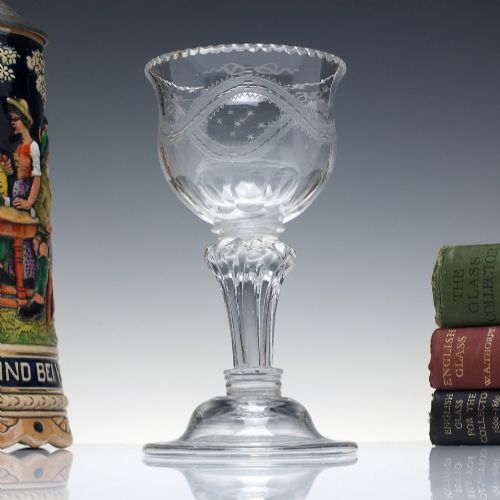
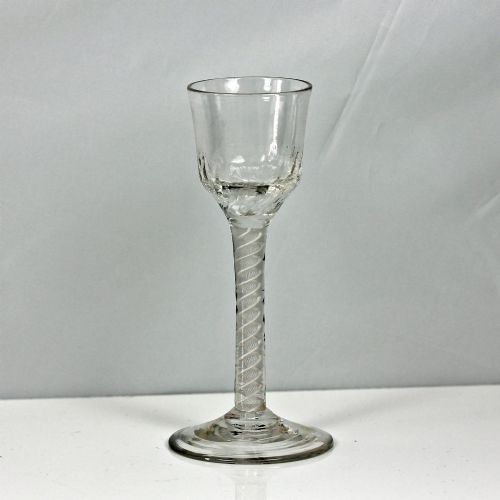
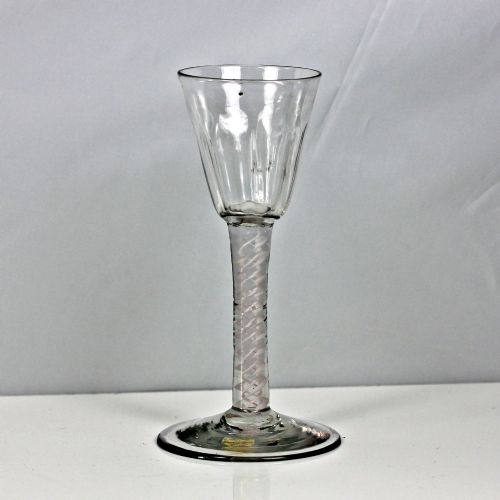
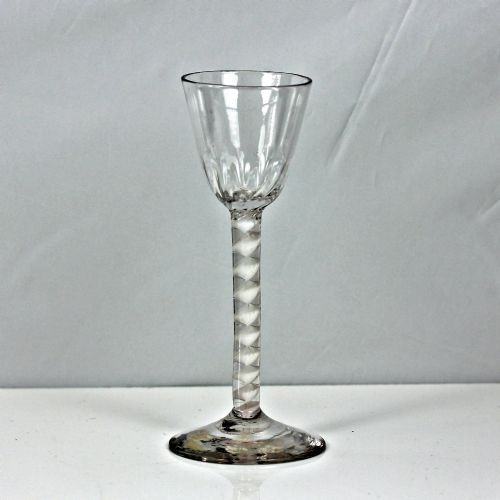
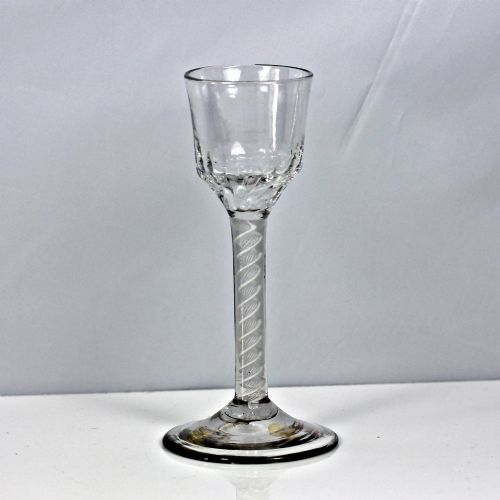
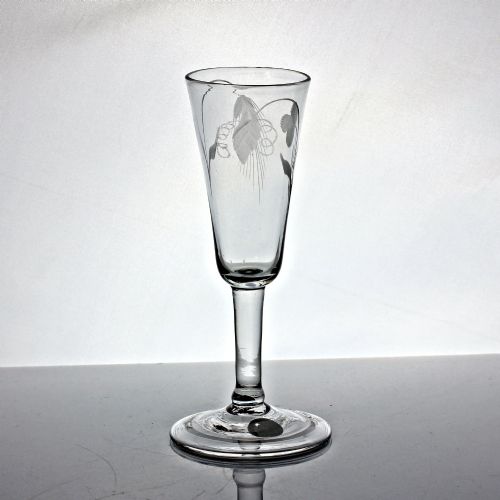
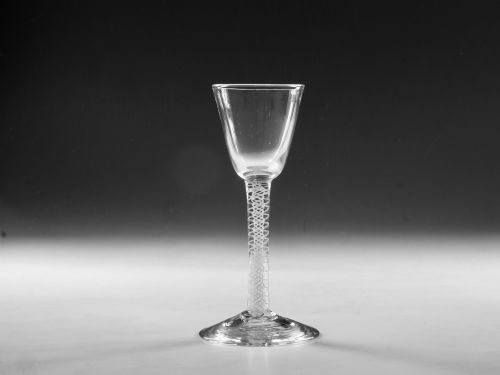
Makers utilised lead glass, flint glass, and clear glass, alongside silver plate and white enamel, shaping them through blowing, moulding, and cutting techniques. Early examples often incorporate air twists, opaque twists, and folded feet formed while the metal remained molten.
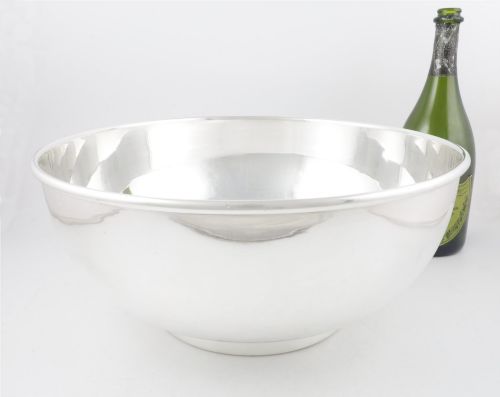
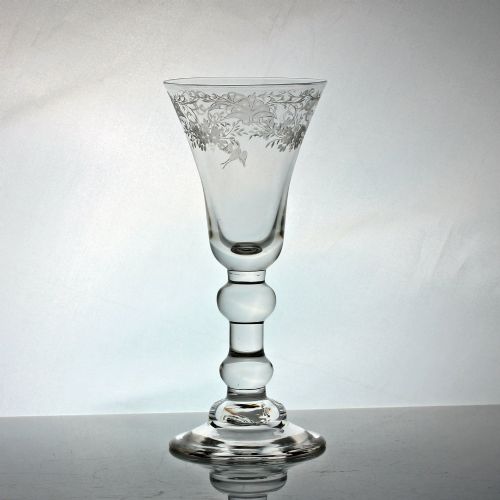
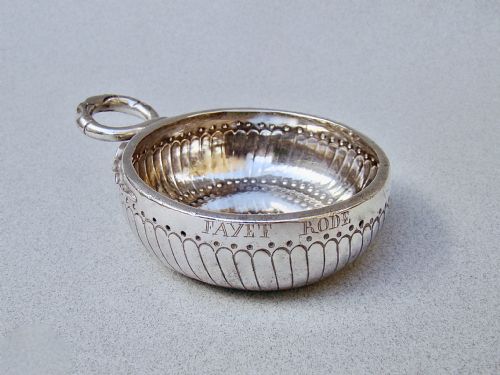
Surface decoration relies on hobnail cutting, rib moulding, and delicate engraving depicting hops and barley. Metalsmiths worked solid silver and silver plate into bowls and quaichs, employing chasing and piercing for textural contrast.
Antique Wine Bowl Retail Price Guide 2026
Typical asking prices for wine bowl among the pieces listed under this phrase on Sellingantiques today, from the lower quarter to the upper quarter. They describe what is for sale here now, not the wider market.
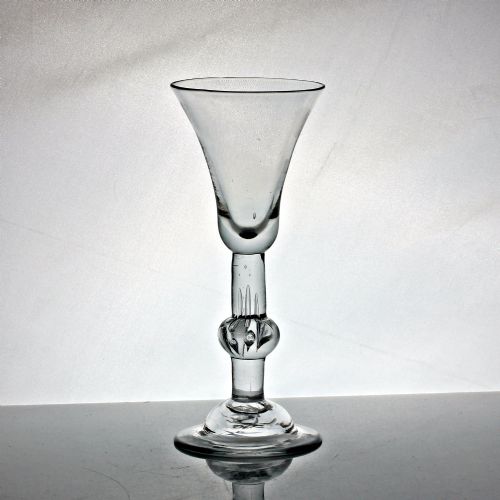
Early glassmakers incorporated air bubbles into stems deliberately, transforming trapped gas into delicate optical twists.
Factors determining quality
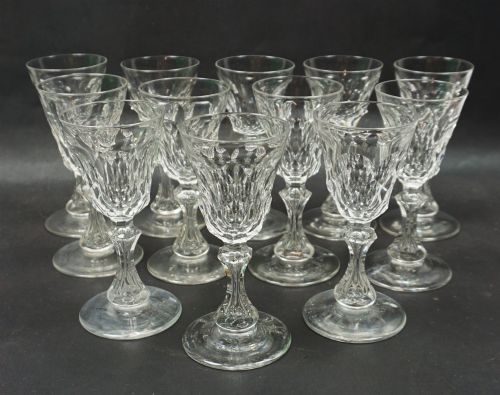
Quality rests upon the clarity of the metal and the precision of the twist or cut. Superior pieces display heavy metal with deep, clean facets and minimal inclusions, whereas lesser items show grey metal or clouded surfaces.
Proportion and weight dictate the standing of a piece within its period. A well-balanced baluster stem or a crisply hobnail-cut rummer demonstrates superior craftsmanship compared to thick, clumsy equivalents lacking definition.
Mappin And Webb
The Antique Wine Bowl Glossary
- Baluster
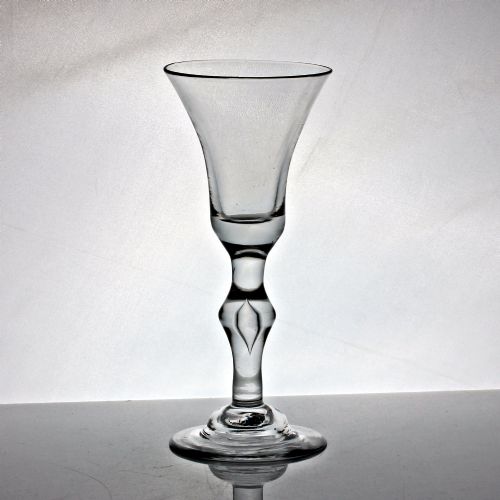
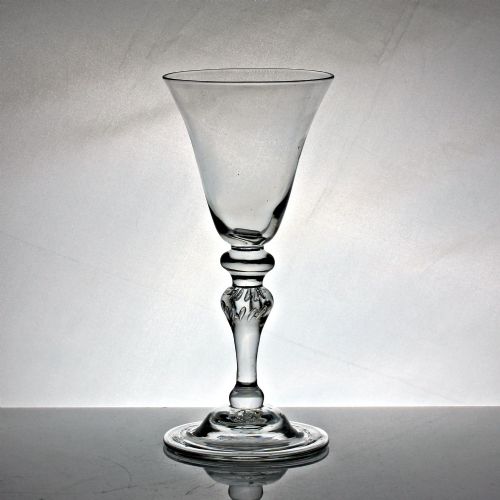
- A heavy, thick stem form seen on eighteenth-century drinking vessels. It imitates architectural supports with knops and swollen profiles.
- Ogee
- An S-shaped double curve forming the profile of a bowl. It draws inward at the rim and flares outward below.
- Rummer
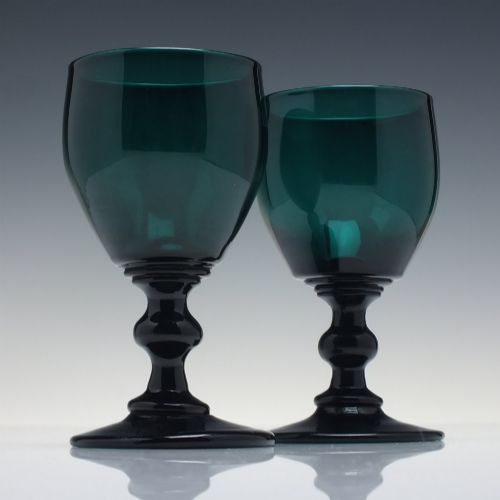
- A large, heavy drinking glass popular in the Georgian and Regency eras. It sits on a short stem with a bucket or round bowl.
- Air twist
- A spiral of elongated air bubbles trapped inside a glass stem. Makers created them by drawing and twisting heated glass rods.
- Quaich
- A traditional shallow two-handled drinking vessel. It translates from a wooden bowl form into silver and pewter.
Antique Wine Bowl: Frequently Asked Questions
What is an antique wine bowl?
An antique wine bowl or related rummer is a historic drinking vessel used for serving wine or spirits during eighteenth and nineteenth-century gatherings.
These pieces reflect the social habits of the Georgian and Regency periods, often featuring heavy lead glass or cut crystal designed for communal passing around the table.
How do I date an antique wine bowl?
Dating relies on identifying manufacturing characteristics such as pontil marks, stem construction, and bowl shapes. Eighteenth-century pieces frequently display opaque twists or baluster stems, while later nineteenth-century items utilise heavier hobnail cutting and moulded bases.
Examining the metal composition and wear patterns on the foot rim provides further clues to a piece's age and origin.
How were these glass bowls used?
Historic glass vessels held wine, punch, or spirits during formal dining and tavern gatherings. Large rummers and bowls accommodated communal drinking before individual glassware became standard practice.
Craftsmen engineered them with thick walls and heavy feet to withstand the rigours of frequent use and active table service.