
Antique Waterfall Shelves
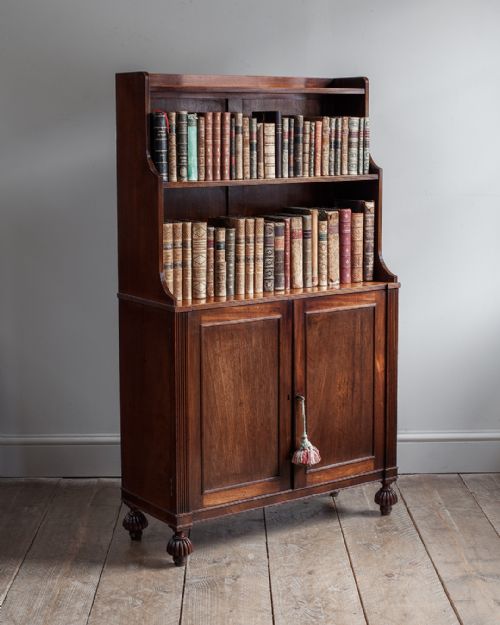
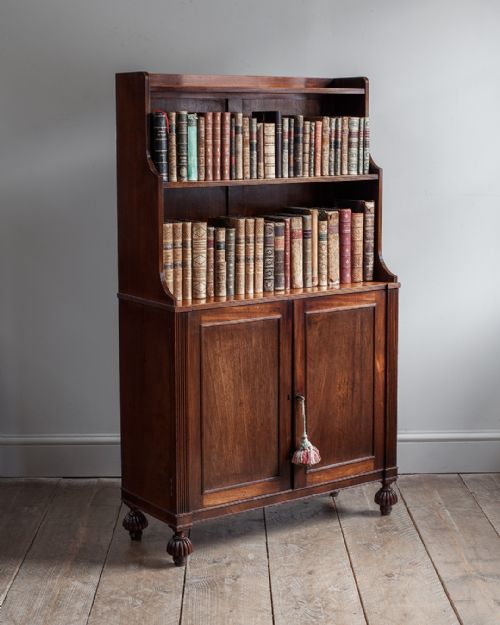
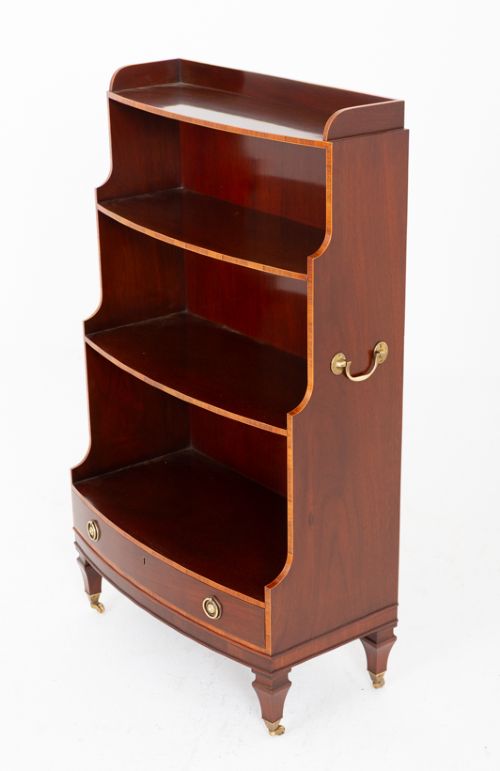
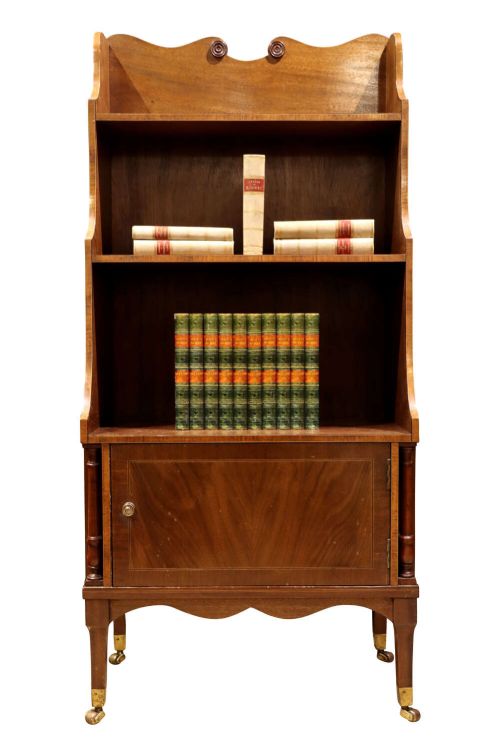
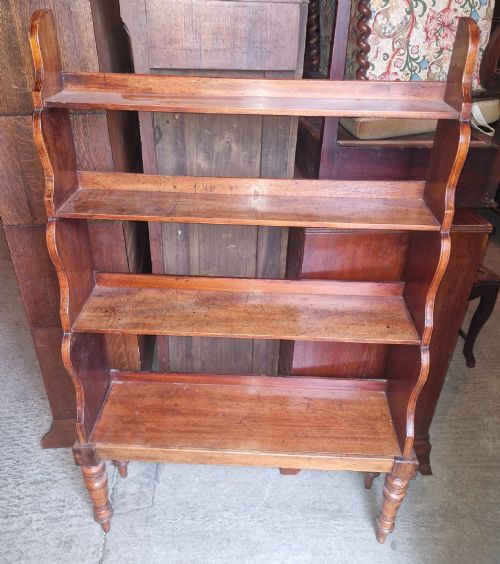
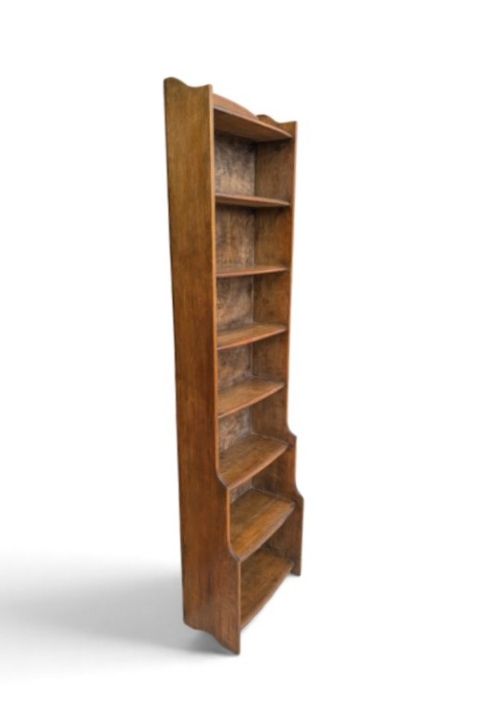
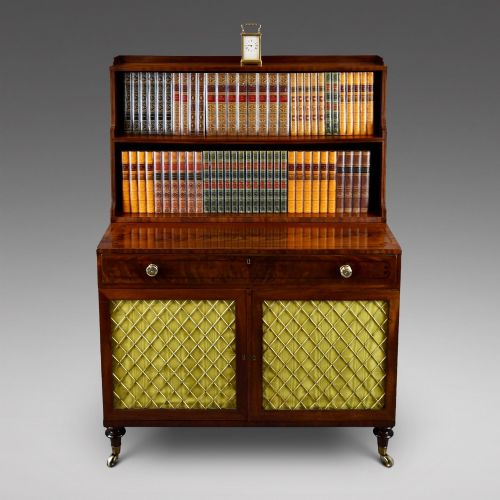
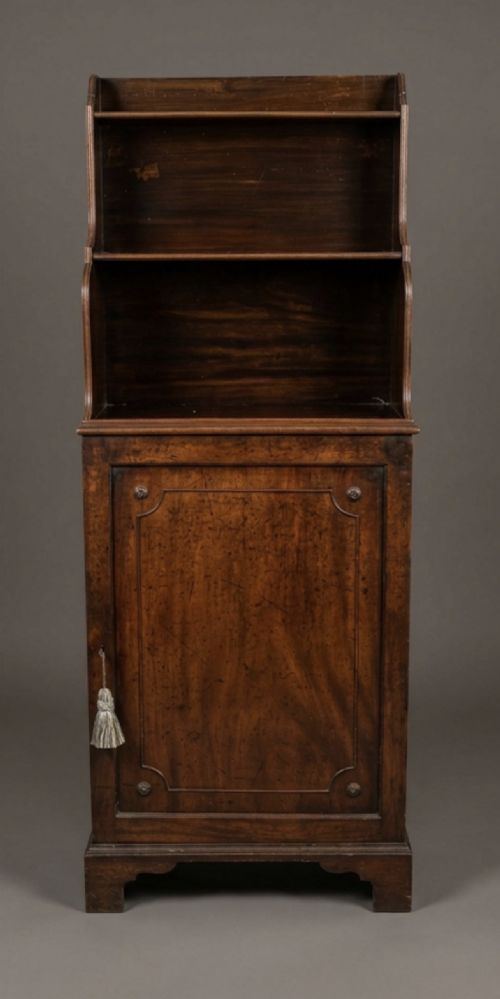
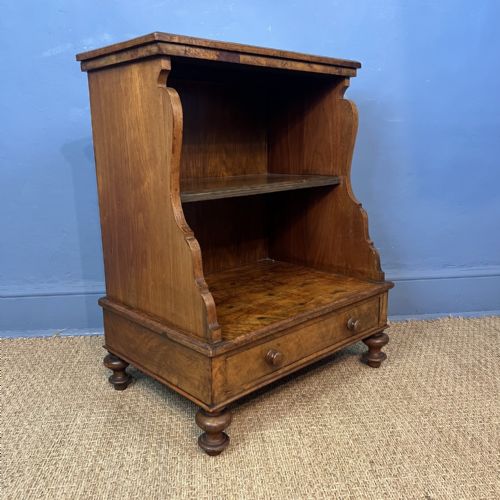
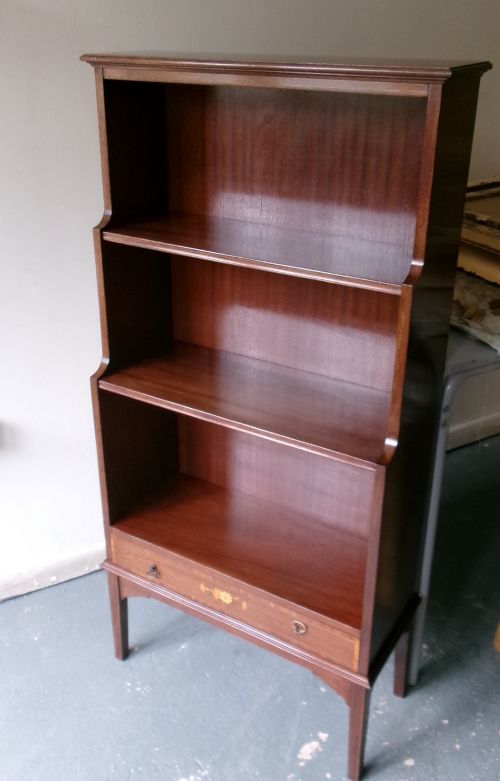
These antique waterfall shelves step down tier by tier to display books and objects with real architectural grace.
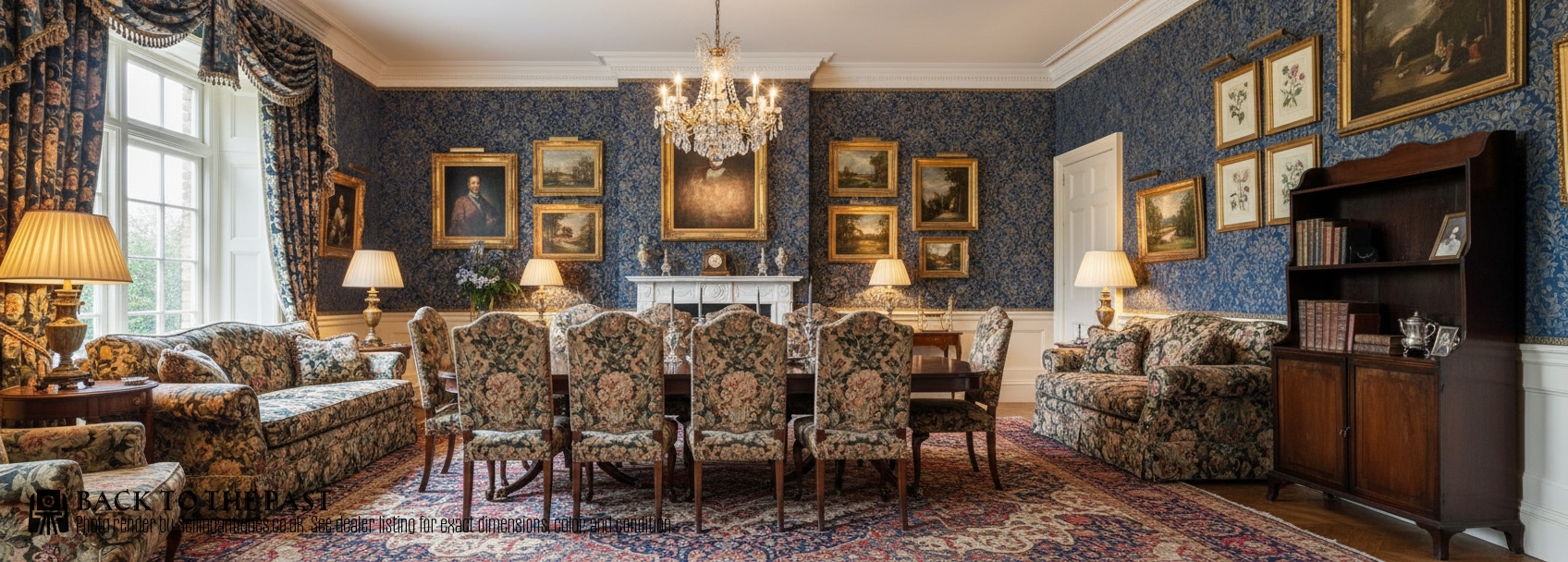
What antique waterfall shelves are
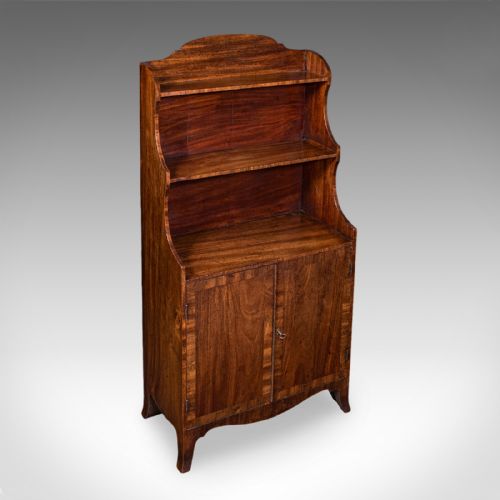
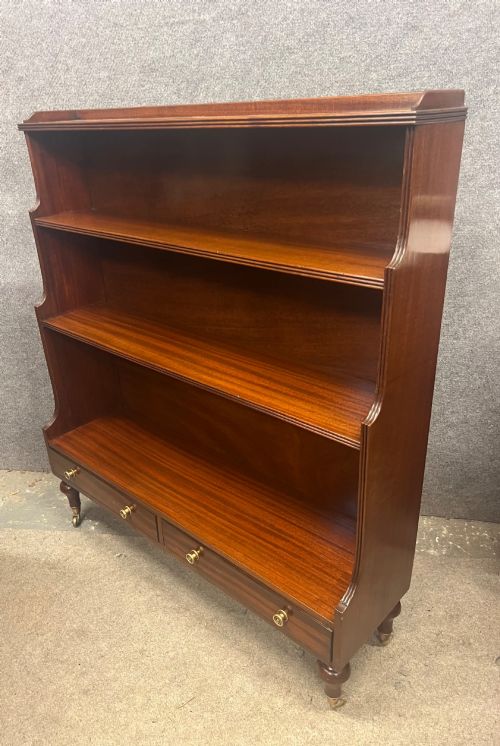
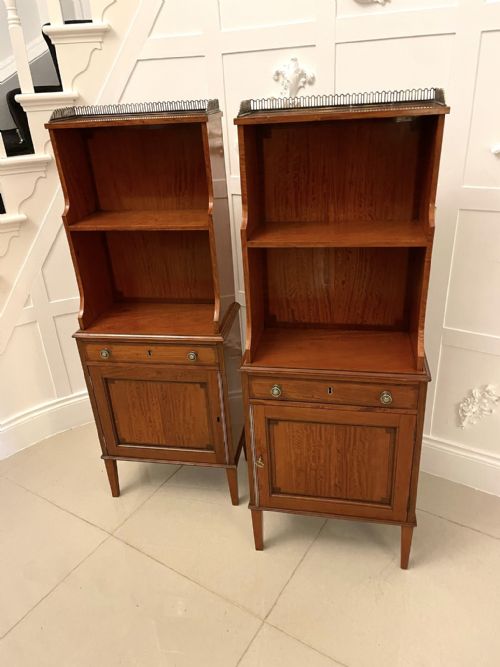
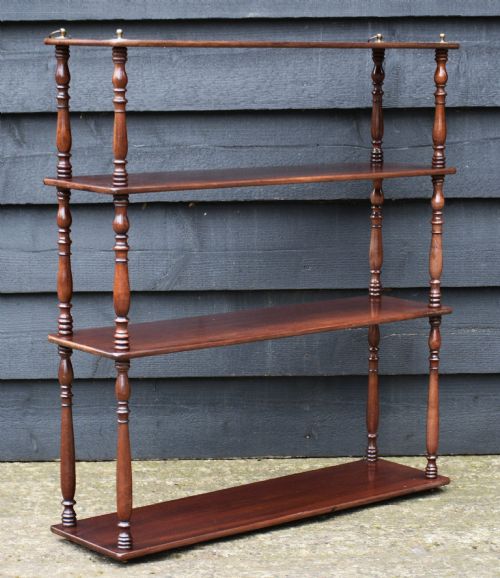
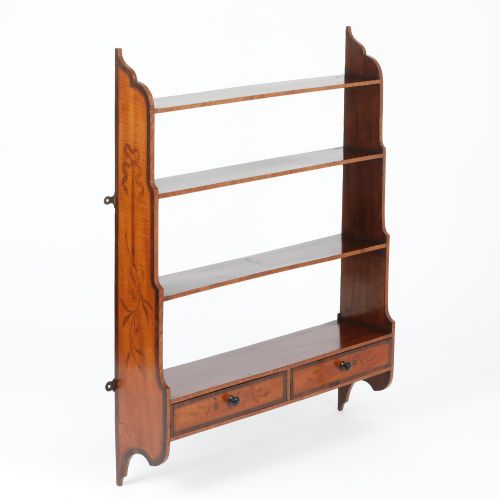
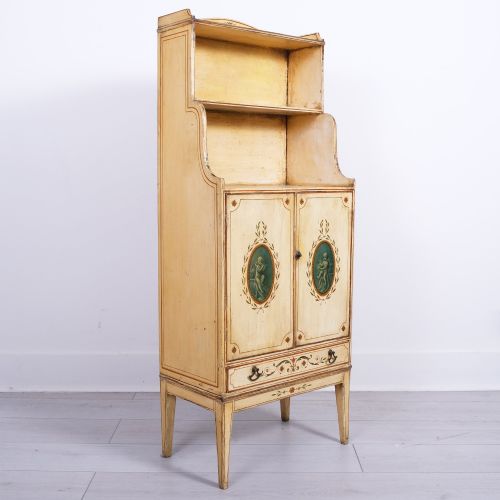
When you search for antique waterfall shelves, you are looking at stepped open bookcases and wall shelves where each tier recedes from the one below it. The form dates back to the Georgian, Regency, and nineteenth-century periods, designed to hold books and display ornaments within easy reach. You will most frequently meet mahogany and painted wood versions on this page, alongside occasional examples in oak and satinwood.
The pieces on offer span grand open bookcases standing on the floor and compact three-tier wall shelves meant to be hung. Styles range from restrained George III designs to more elaborate Grand Regency interpretations and twentieth-century Edwardian updates. Most examples follow the classic graduated shelf arrangement, though certain variations include integrated compartments or display sections.
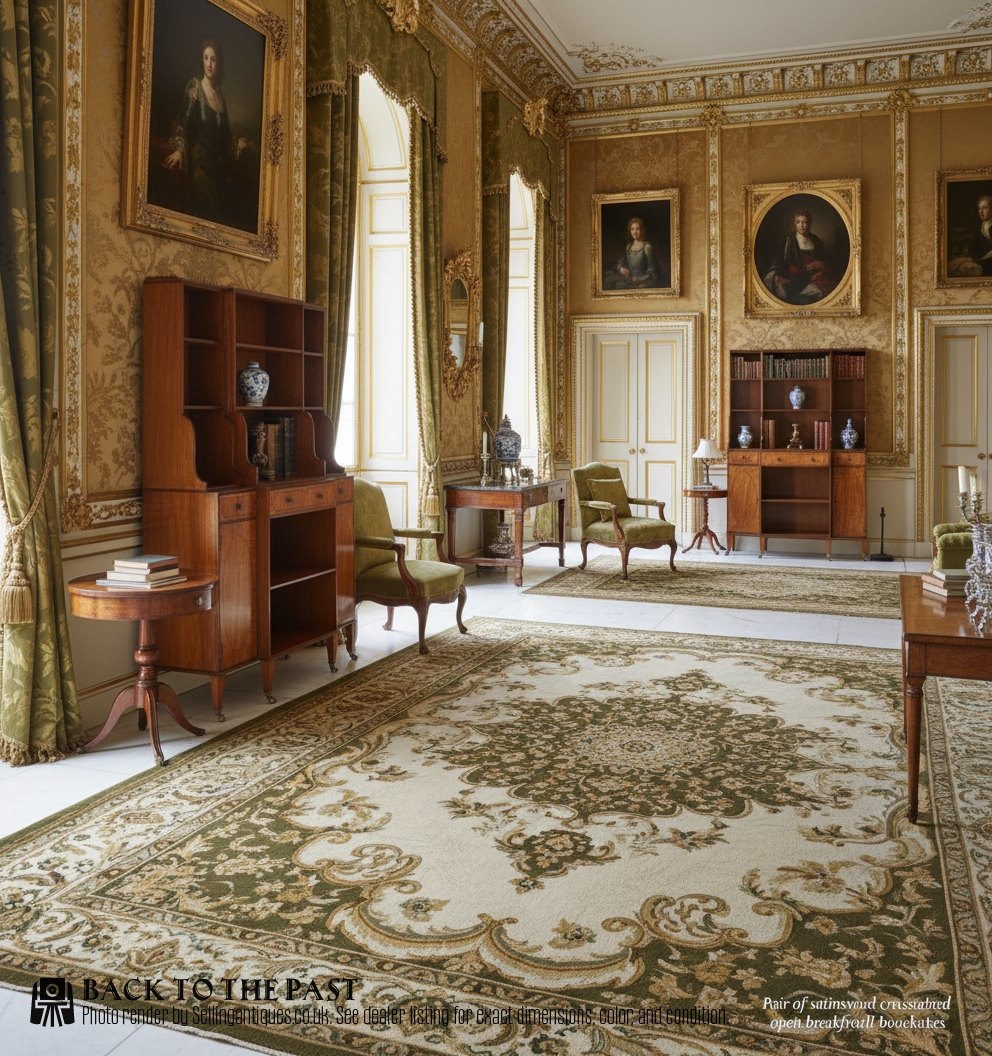
How they were made
Cabinetmakers built these shelves using timber such as mahogany, oak, walnut, and satinwood, often applying painted finishes or crossbanded details to enhance the grain. The graduated tiers required precise carpentry to ensure each step supported weight securely while maintaining the characteristic cascading profile.
Many items incorporated brass details, particularly in handles, mounts, or supporting galleries. Wall-mounted variants required sturdy hanging brackets, while floor-standing bookcases utilised substantial plinths or feet to anchor the tapering upper sections.
Retail Price Guide 2026
Typical UK retail prices for waterfall shelves, calculated from the Sellingantiques database of over a million retail prices indexed since 2003. This retail price guide relies exclusively on Sellingantiques data; no external sources or auction records are used, so the figures do not describe the wider market.
Listings feature pieces spanning the eighteenth, nineteenth, and early twentieth centuries, constructed in mahogany, oak, walnut, satinwood, and painted timber.
What varies in quality
Quality in these pieces rests on the choice of timber and the crispness of the joinery along the stepped tiers. Finer examples display carefully selected mahogany or figured satinwood with matched grain, whereas simpler pieces rely on painted finishes or plain oak.
The proportion and balance of the graduating shelves dictate the visual success of the piece. Superior examples maintain a harmonious descent from top to bottom without awkward gaps or clumsy bracket supports.
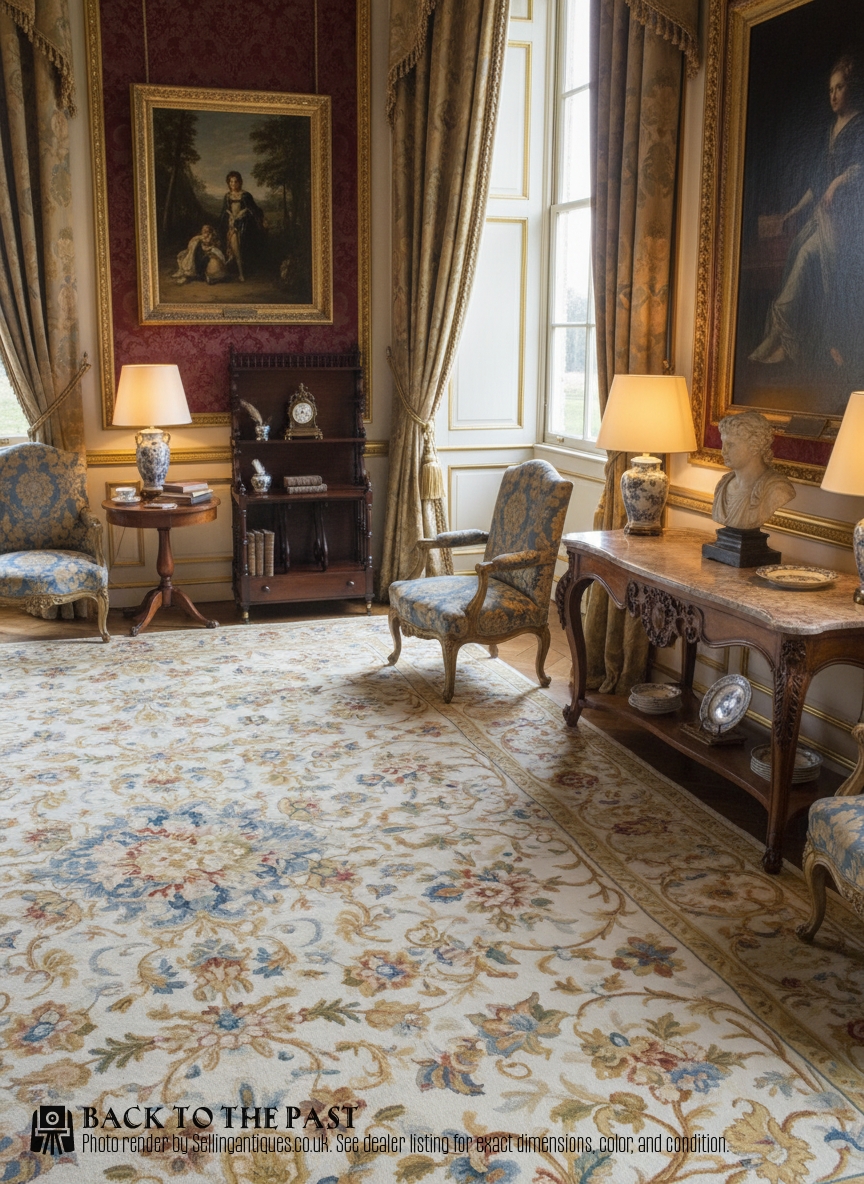
The Antique Waterfall Shelves Glossary
- Waterfall shelves
- A set of open shelves that step back progressively from bottom to top, resembling a cascade of water. This form became popular during the Georgian and Regency periods for displaying books and decorative objects.
- Crossbanding
- A strip of veneer applied to the border of a shelf or top, running perpendicular to the main grain. This decorative technique highlights the edge of the timber.
- Open bookcase
- A bookcase lacking doors, allowing direct access to the contents. Most waterfall pieces take this open form to showcase bindings.
- Breakfront
- A cabinet or bookcase where the central section projects forward from the flanking sections. This configuration adds architectural depth to larger pieces.
Frequently Asked Questions
What are waterfall shelves used for?
These pieces served primarily to hold working libraries, novels, and display items in drawing rooms and studies. The stepped design kept book titles visible and allowed quick access.
Today, they function well in modern interiors for displaying books, ceramics, and small sculptures while taking up minimal floor space.
How do I date an antique waterfall shelf?
Dating relies on identifying the timber, construction methods, and stylistic cues of periods like Georgian, Regency, or Edwardian. Earlier pieces often feature solid mahogany and hand-cut dovetails.
Later nineteenth and early twentieth-century examples introduce woods like walnut and oak alongside machine-sawn components.
Are waterfall shelves sturdy enough for heavy books?
Most floor-standing bookcases use heavy timber frames and solid backs to support substantial book collections safely. Wall-mounted versions require proper fixings into masonry or studs to bear weight.
Checking the thickness of the shelves and the strength of the side supports helps determine their capacity.
Where should I place waterfall shelves in a room?
Floor-standing open bookcases look best against a flat wall where their stepped profile can be appreciated from the side. Wall-hung versions suit smaller spaces above desks or sideboards.
Keeping them away from direct sunlight protects the timber and any decorative painted finishes from fading.