

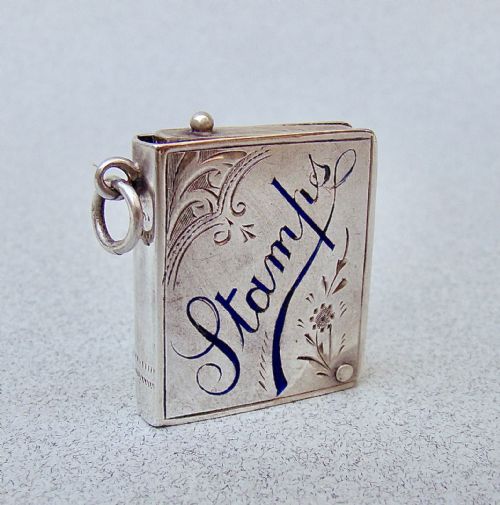


Antique Watch Accessory
These antique watch accessory pieces span centuries of practical horology, offering functional elegance for your pocket or desk.
Antique Watch Accessory
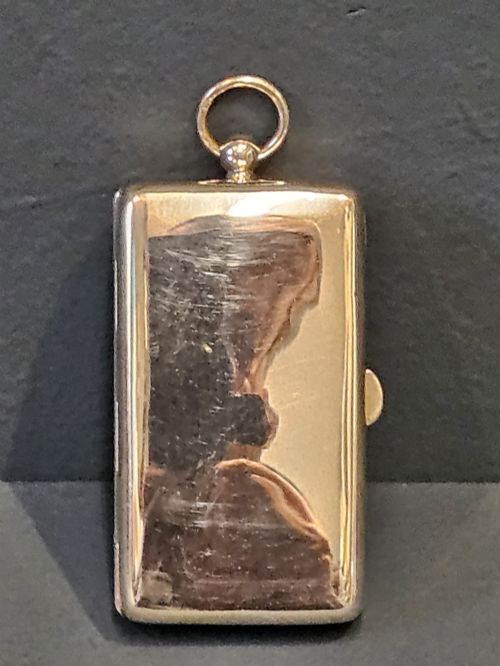
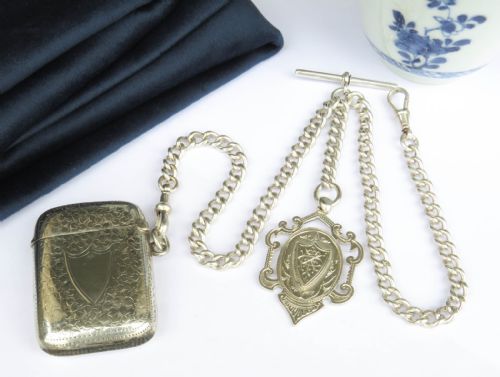
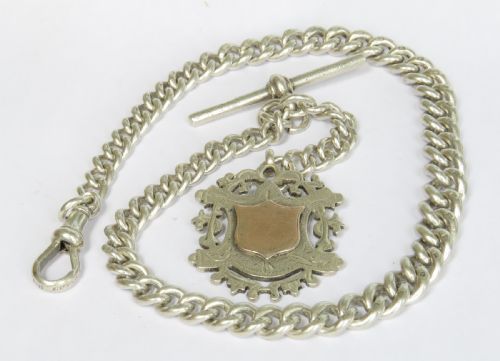
An antique watch accessory encompasses pocket watch chains, sovereign cases, vesta cases, and desk accessories designed to house, secure, or complement timepieces and pocket items. You will frequently meet pocket watch chains, often termed albert chains, alongside sovereign cases and desk inkwells incorporating timepieces.
The selections originate from periods spanning the Victorian era through the Edwardian years up to the 1930s. Materials range from sterling silver and gold to brass, glass, velvet, and enamel.
Forms vary from double sovereign cases and chatelaine chains to capstan-shaped desk inkwells with clocks. Collectors encounter items associated with specific reigns such as George V and Queen Victoria.
Materials and construction
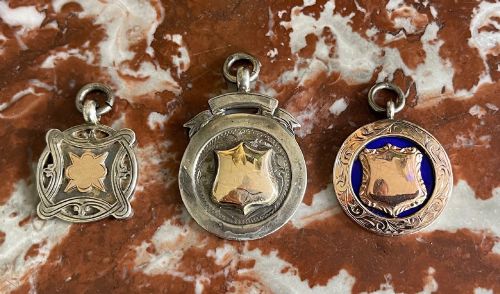
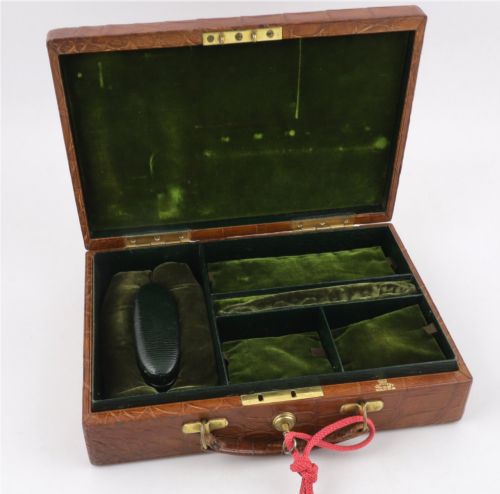
Makers utilised sterling silver, rolled gold, and yellow gold alongside base metals like brass for structural integrity. Enamel decoration and croc leather upholstery added decorative and tactile surface finishes.
Silversmiths employed hallmarking for precious metals, registering work through assay offices such as Birmingham and Chester. Chains utilised distinct link formations such as the figaro style, fitted with swivel fobs and dog clips.
Distinguishing quality
Quality rests upon the weight of the silver or gold and the crispness of the hallmarks stamped into the metal. Substantial metal thickness in albert chains and dual-purpose sovereign or vesta cases marks out superior output.
The complexity of decorative techniques, such as applied guilloche enamel or detailed leatherwork on jewellery boxes, determines the standard of the piece. Intact mechanisms on swivel fobs, dog clips, and spring-loaded cases reflect higher manufacturing pedigree.
Aaron Lufkin Dennison·J C Vickery·Crisford & Norris
The Antique Watch Accessory Glossary
- Vesta case
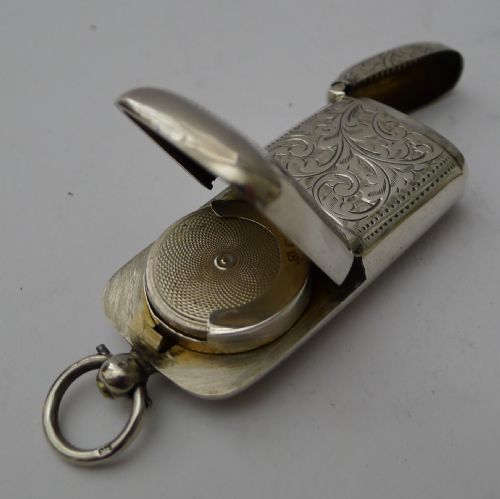
- A small pocket container designed to hold matches. Many surviving examples combine this function with a sovereign case for coins.
- Sovereign case
- A small circular metal container engineered to hold British sovereign gold coins securely. They frequently appear combined with match holders or attached to watch chains.
- Guilloche enamel
- A decorative mechanical technique where precise patterns are engraved beneath translucent enamel. It provides a luminous patterned finish on small accessories.
- Chatelaine
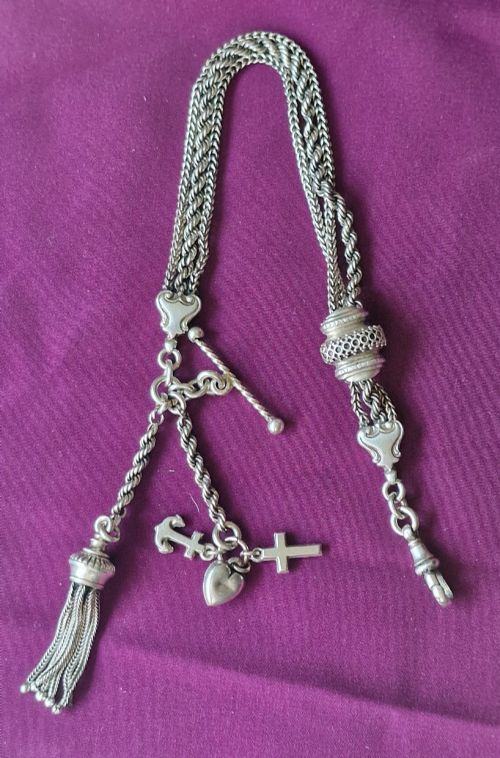
- A decorative belt hook worn from the waist with suspended chains. These chains carried functional items like pocket watches, keys, or sewing tools.
Antique Watch Accessory: Frequently Asked Questions
What is an albert chain?
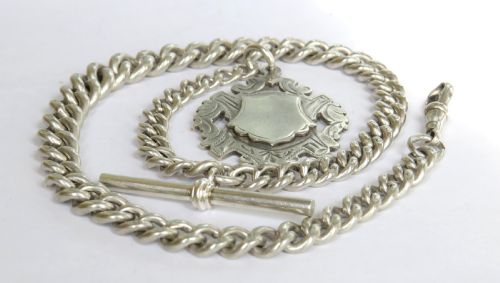
An albert chain is a specific style of pocket watch chain designed to pass through a buttonhole on a waistcoat. It typically secures a pocket watch at one end while anchoring to the garment via a T-bar.
Single albert chains feature a single drop from the buttonhole, whereas double albert chains loop across the front with two distinct strands meeting at the centre.
How do I wear a pocket watch chain?
The T-bar fastens through a buttonhole of your waistcoat or jacket, securing the chain across the front. The pocket watch itself sits safely in the matching pocket.
Any attached fobs, sovereign cases, or charms hang from the central drop or dangle freely beneath the buttonhole as a decorative counterweight.
What was a sovereign case used for?
A sovereign case stored circulating gold sovereign and half-sovereign coins safely in a pocket. They prevented the soft gold from wearing against other pocket items.
Many examples incorporate a spring-loaded hinge and internal partition so coins remained snug and accessible when needed for transactions.
How do I date a silver watch accessory?
British silver items carry hallmarks that identify the assay office, the standard of silver, and a specific date letter corresponding to the year of testing. Town marks like the Birmingham anchor or Chester city arms provide geographic origin.
Maker marks alongside these stamps cross-reference with historical registers to pinpoint the exact year of manufacture.