

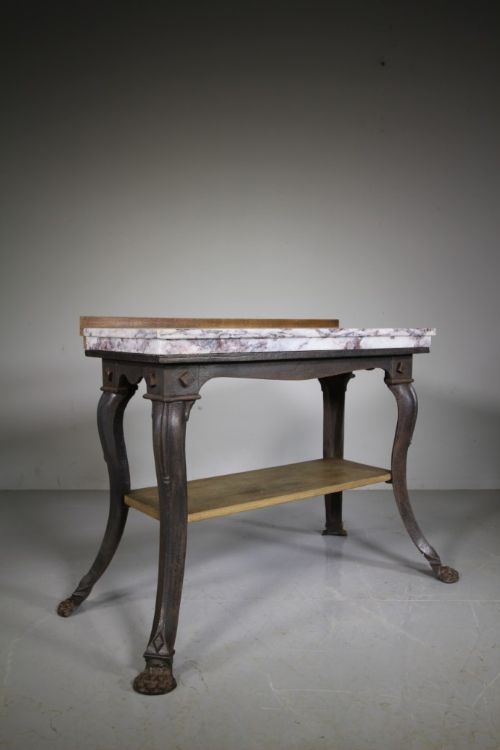


Antique Washstand with Marble
An antique washstand with marble is a practical piece of bedroom furniture that pairs a durable stone surface with period timber.
Antique Washstand with Marble
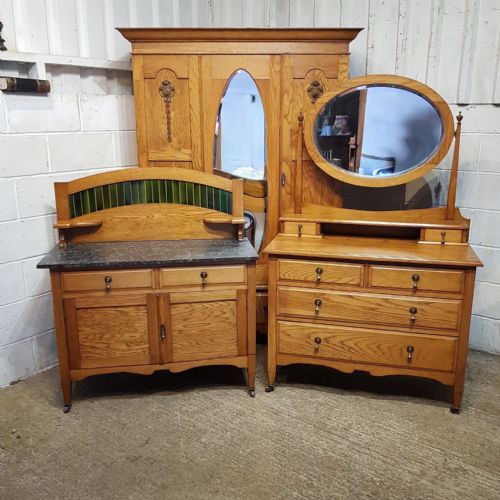
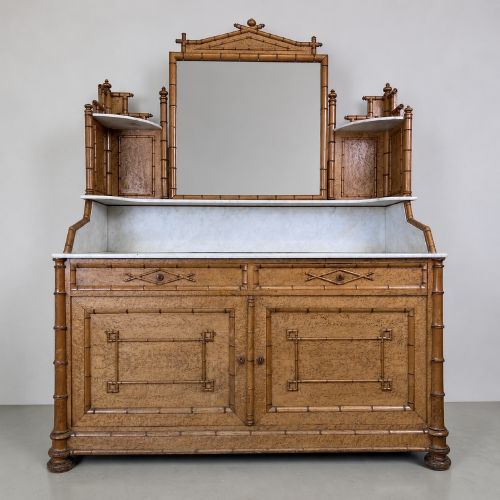
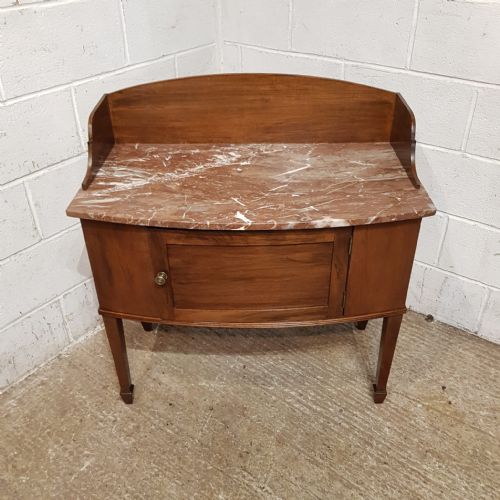
An antique washstand with marble brings together a stone slab designed to resist water with timber frames ranging from pine and oak to mahogany and satinwood. These bedroom pieces date from the nineteenth century through the Edwardian era and into the early twentieth century.
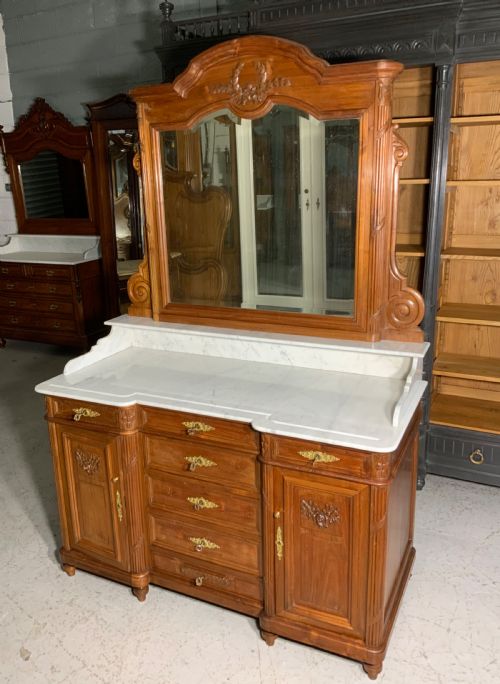
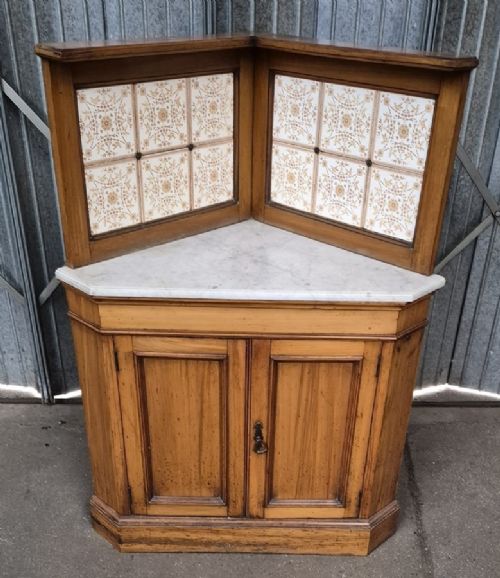
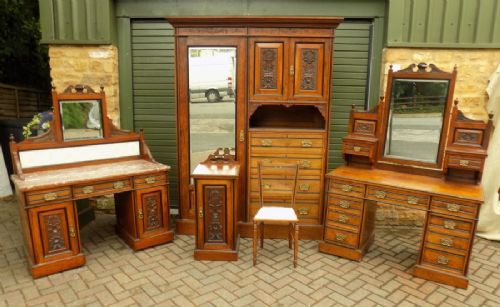
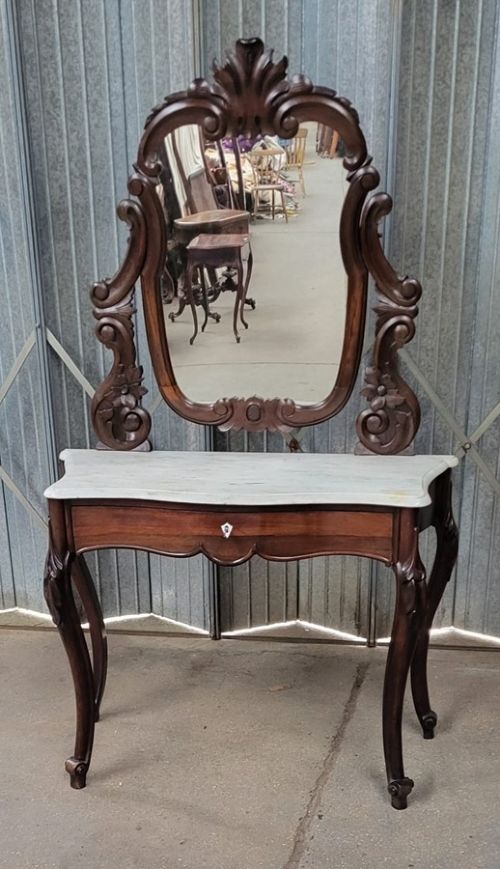
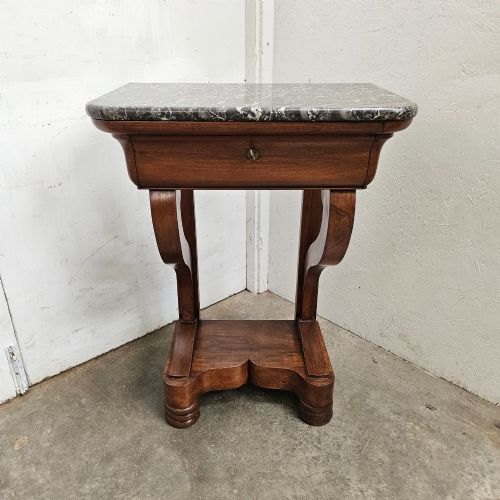
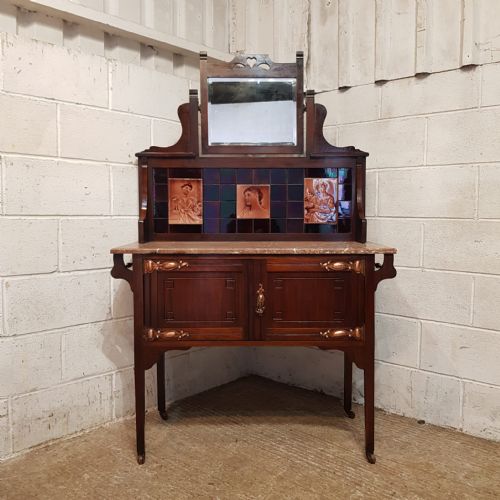
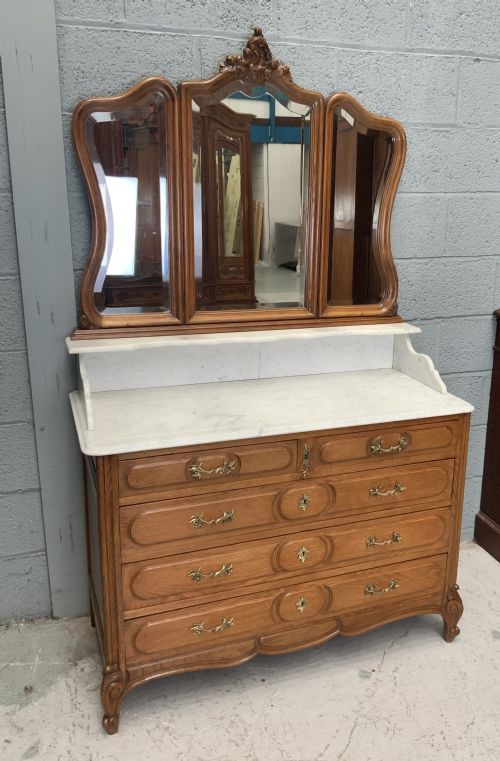
The most common versions on this page are Edwardian and Victorian washstands featuring white marble tops, sometimes accompanied by tiled backs, cupboards, or hidden mirrors. Alongside dedicated washstands, buyers will find related forms such as dressing tables, side tables, and sideboards fitted with marble.
Origin styles vary across the selection, encompassing plain pine utility pieces, inlaid mahogany cabinet work, French provincial designs, and Arts and Crafts examples. Each piece reflects the sanitary and grooming requirements of period bedchambers before plumbed bathrooms became standard.
What varies in quality
Quality rests upon the selection of timber and the sophistication of the joinery, moving from simple painted pine to finely figured mahogany and satinwood with complex inlay. The integration of the marble top and its supporting frame demonstrates the original maker's skill.
Subtleties in proportion, the presence of matching tiled backs or cupboard doors, and intact original hardware distinguish finer bedroom furniture from standard utility pieces.
Some washstands hide secret mirrors waiting to pop up when morning routines demand a quick glance.
Maples
The Antique Washstand with Marble Glossary
- Washstand
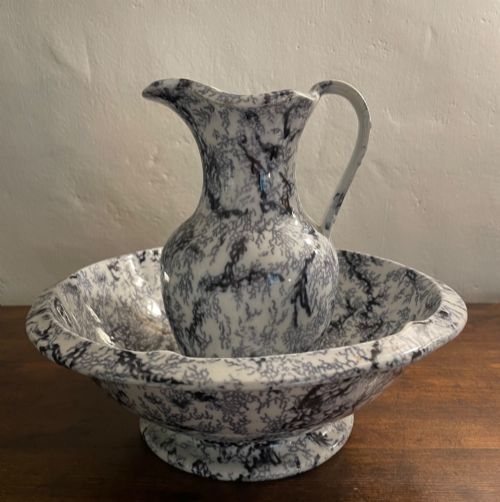
- A piece of bedroom furniture designed to hold a basin, jug, and washing accessories. They frequently incorporate marble tops to protect the wood from water.
- Marble top
- A polished stone slab fitted to the upper surface of a table or cabinet. It provides a cool, impermeable workspace for washing or food preparation.
- Satinwood
- A durable hardwood with a lustrous, golden-yellow grain often used for fine veneer and inlay work during the eighteenth and nineteenth centuries.
- Aesthetic Movement
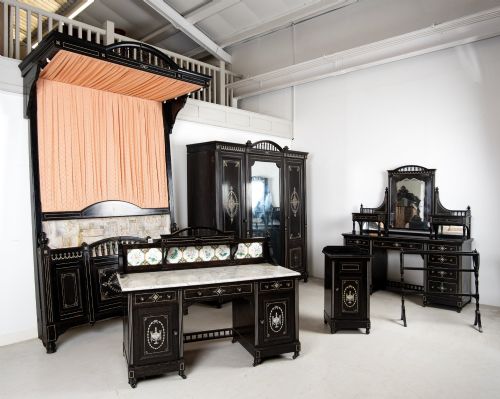
- A late nineteenth-century design style that emphasised visual beauty over narrative content, often visible in ebonised furniture finishes.
- Splashback
- A vertical panel rising behind the washing surface to protect the wall from water marks, sometimes fitted with decorative tiles.
Antique Washstand with Marble: Frequently Asked Questions
What is an antique washstand with marble?
An antique washstand with marble is a piece of nineteenth or early twentieth century bedroom furniture built with a stone top to hold washing basins.
These items range from simple pine utility washstands to elaborate inlaid mahogany cabinets with cupboards and tiled splashbacks.
How were marble top washstands used?
They served as the primary washing station in bedrooms before plumbed bathrooms were common, holding basins, ewers, and grooming items.
The stone surface protected the surrounding wooden furniture from water damage during daily use.
How do I live with an antique washstand?
These pieces integrate well into modern bathrooms, hallways, or living areas as side tables or sink surrounds.
The stone surface requires basic care to avoid staining from acidic liquids, while the timber frames benefit from standard wood maintenance.
How can I tell Victorian from Edwardian washstands?
Victorian washstands often feature darker timbers like mahogany and walnut, sometimes with heavy proportions or ebonised surfaces.
Edwardian examples tend to display lighter woods like satinwood or lighter pine, often with more restrained inlay and simpler lines.