

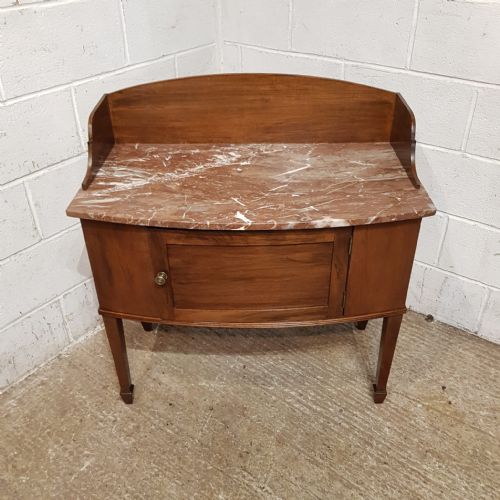

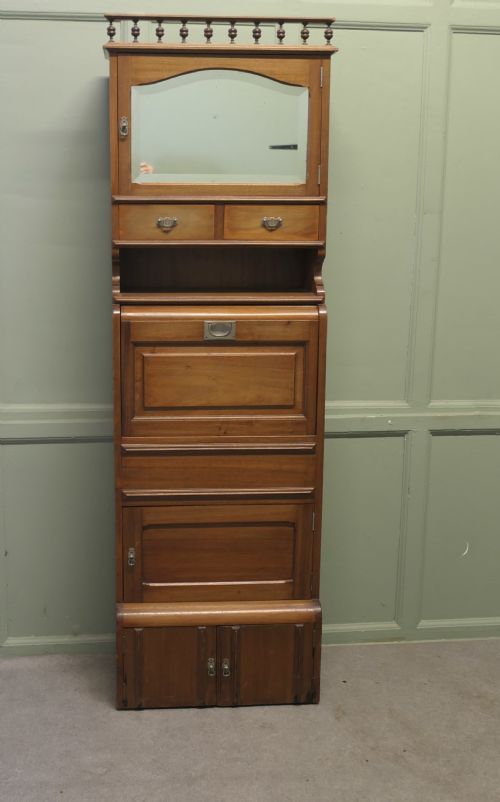
Antique Washstand Cabinet
An antique washstand cabinet conceals basin plumbing and chamberware behind timber doors, offering functional bedroom storage with period charm.
Antique Washstand Cabinet
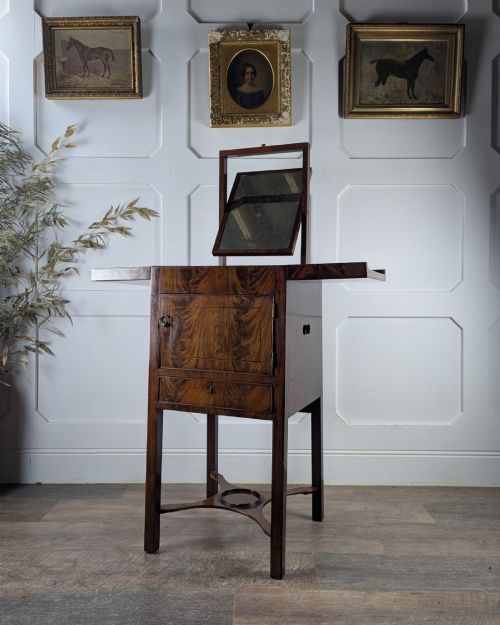
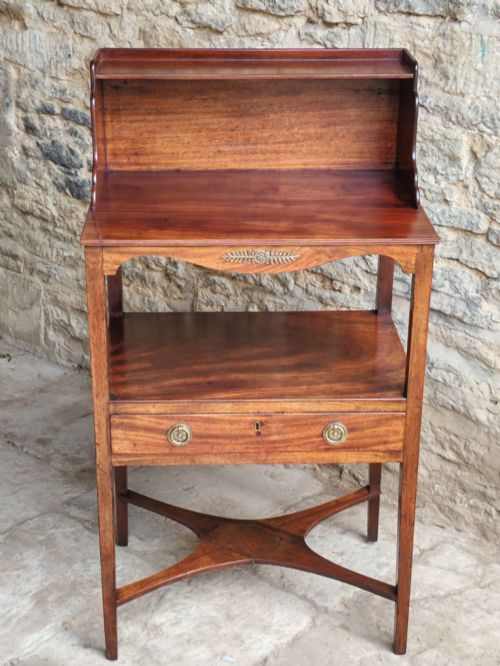
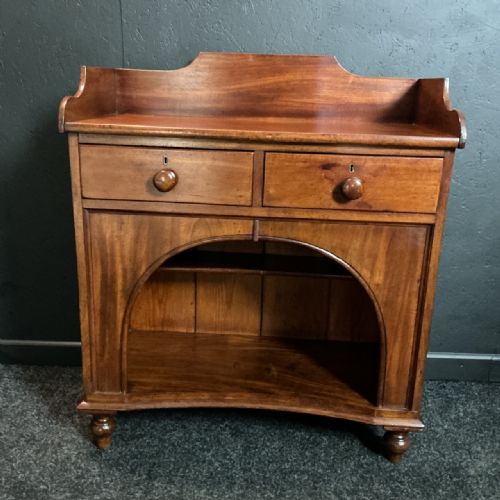
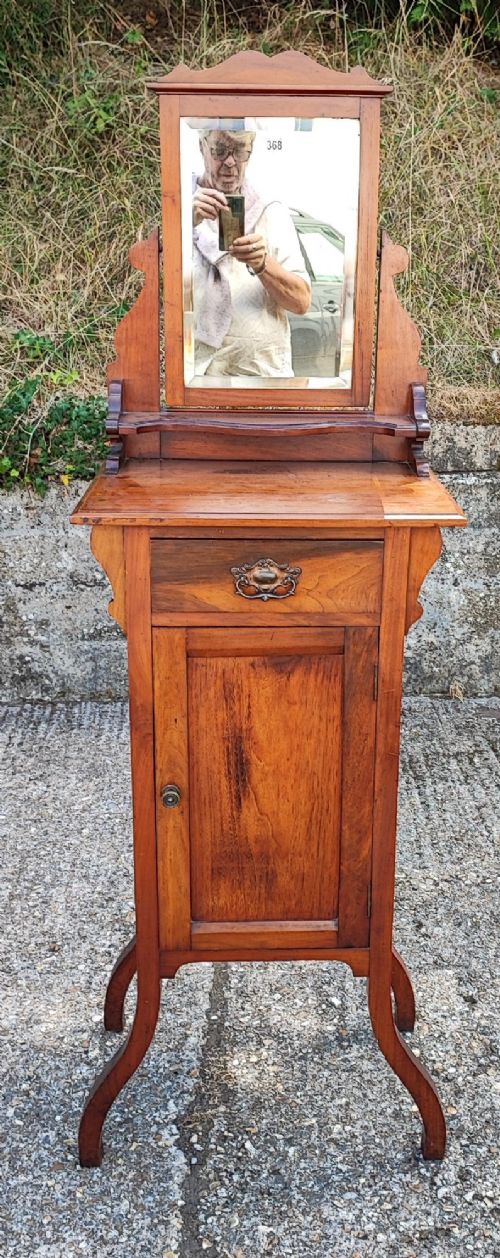
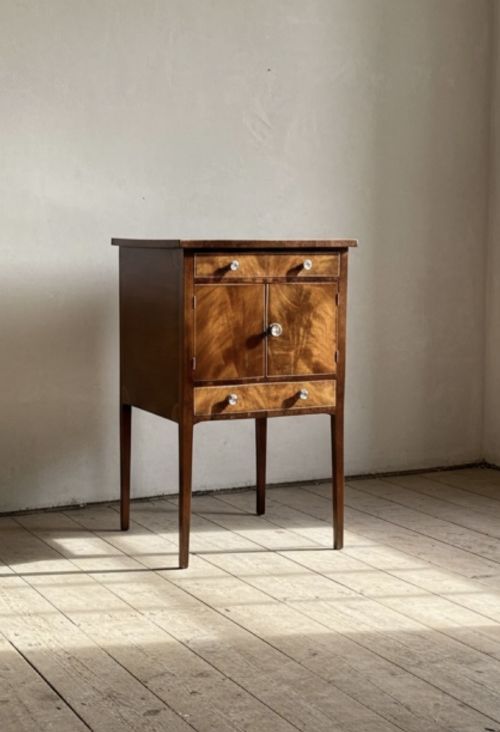
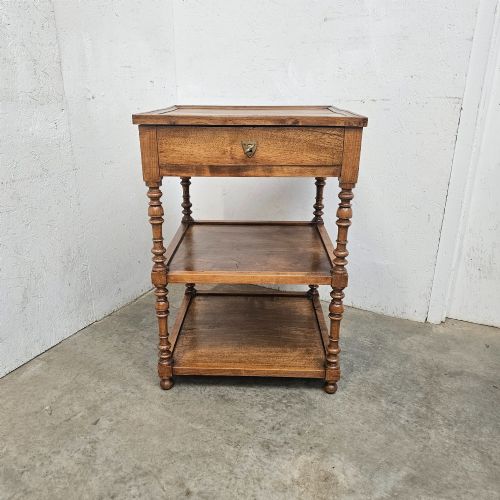
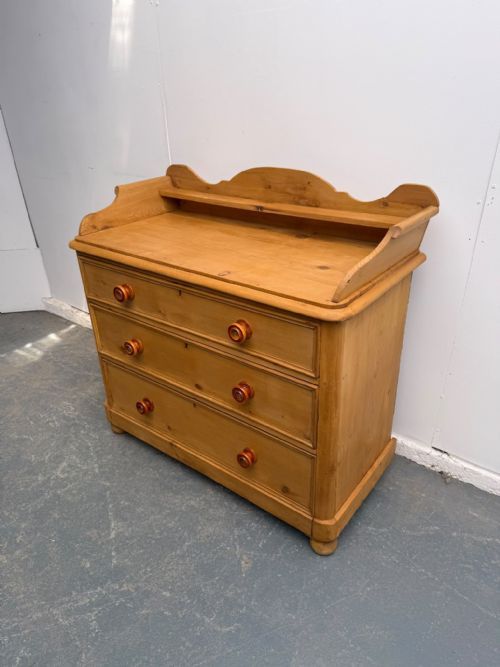
An antique washstand cabinet serves as a dedicated bedroom or dressing room washing station, often incorporating cupboards, shelving, or fold-away surfaces. When searching this phrase, buyers encounter pieces spanning the Georgian, Victorian, and Edwardian eras.
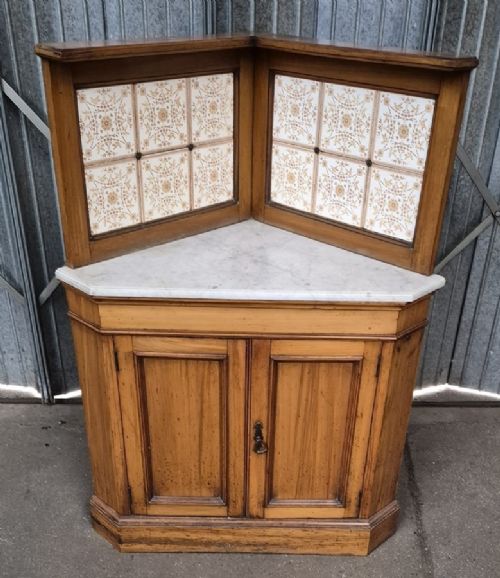
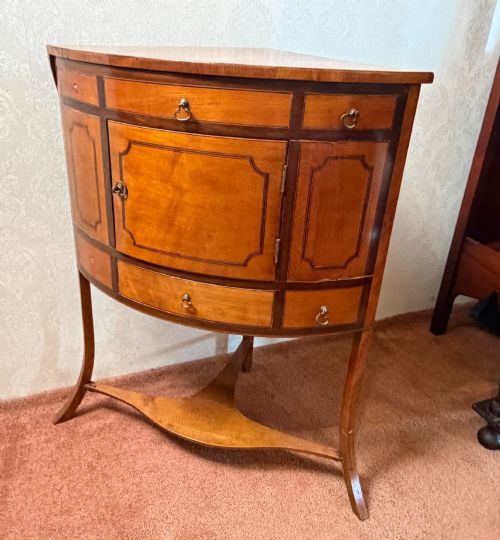
The most common forms on this page include corner washstands designed to fit into room angles, alongside freestanding cabinets in mahogany and walnut. These designs reflect the changing domestic hygiene habits before plumbed bathrooms became standard in every home.
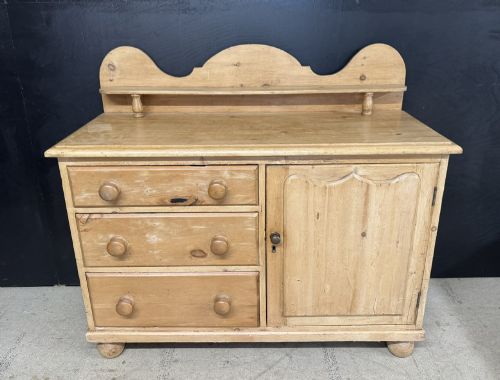
Makers adapted these cabinets into various regional and stylistic outputs, from French provincial chestnut lavabo units to British bow-fronted marble-topped variants. Each piece demonstrates how cabinetmakers integrated practical basins and jugs into refined furniture.
Materials and construction
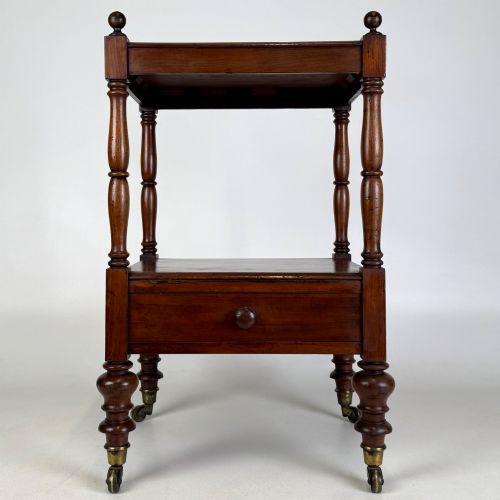
Makers relied heavily on dense hardwoods such as mahogany and walnut for the primary framework, often employing satinwood or birch for decorative contrast. These timbers provided the structural rigidity necessary to support heavy stone elements.
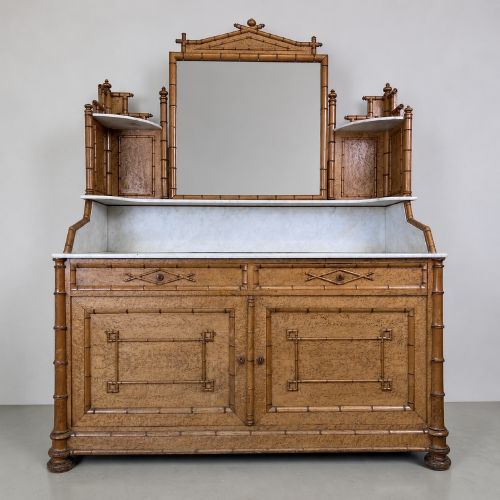
Marble slabs frequently form the upper surface to protect the surrounding timber from water splashes during washing. Brass fittings, ceramic basins, and occasional pewter cisterns complete the utilitarian function embedded within the cabinetry.
The inventory records cabinet designs from the Georgian, Regency, Victorian, and Edwardian periods.
Distinctions in craftsmanship
The superiority of a piece rests on the selection of timber figures, such as figured walnut or flame mahogany veneers, matched carefully across doors and panels. Cabinetmakers who utilised robust internal framing and precise dovetail joints produced items that endure.
The integration of original marble tops, intact ceramic tiles, and matching brass hardware separates standard utility items from high-end bespoke commissions. Details like marquetry inlay or specialised folding mechanisms indicate superior workshop skill.
Walker And Sons·Harrods
The Antique Washstand Cabinet Glossary
- Washstand cabinet
- A piece of furniture designed to hold a wash basin, jug, and chamberware, enclosed behind doors or fitted with shelves. These items date primarily from the eighteenth to the early twentieth centuries.
- Marble top
- A stone slab fitted to the surface of a cabinet to resist water damage and staining during washing routines. This material added significant weight and value to the piece.
- Pot cupboard
- A small bedside or corner cabinet designed originally to house a chamber pot out of sight. They often feature a single door and a small enclosed shelf.
- Lavabo
- A wash basin unit, frequently paired with a cistern and tap mechanism for water delivery. French provincial examples often incorporate pewter or ceramic reservoirs.
- Marquetry
- Decorative veneer work created by fitting pieces of different woods into patterns to adorn drawer fronts and cabinet doors. This technique was favoured by cabinetmakers on high-end Victorian walnut pieces.
Antique Washstand Cabinet: Frequently Asked Questions
How were antique washstand cabinets used?
These cabinets functioned as the primary washing station in bedrooms before plumbed indoor bathrooms became common. Users placed a ceramic basin and water jug on top, while the lower cupboards stored washcloths, soap, and chamberware.
Over time, many of these cabinets lost their original basins as households adopted modern plumbing. Today, owners frequently repurpose them as bathroom sink vanities or general bedroom storage cupboards.
What woods were used for washstands?
Cabinetmakers primarily utilised mahogany and walnut for their durability and resistance to humid bedroom environments. Rich grains and deep patinas characterise these traditional furniture woods.
Lighter woods like satinwood, pine, and birch appear on specific regional or later pieces, sometimes paired with exotic veneers. Marble tops were added to shield these timbers from water splashes.
How do I date an antique washstand?
Dating relies on observing construction methods, hardware styles, and prevailing design periods such as Georgian, Regency, or Victorian. Hand-cut dovetails and solid timber frames generally point to earlier eighteenth and early nineteenth-century origins.
Later Victorian and Edwardian examples often feature machine-sawn elements, varied hardware, and different veneering techniques. Comparing the piece's structural characteristics against known period styles helps narrow the decade of manufacture.
Can I use an antique washstand as a bathroom vanity?
Many buyers successfully convert these cabinets into modern bathroom vanities by mounting a contemporary basin on top. The interior cupboards provide practical storage for plumbing pipes and toiletries.
Careful sealing of the timber and marble surfaces protects the antique wood from modern water exposure. This adaptation gives historical furniture a functional role in contemporary homes.