




Antique Walnut Vanity Glass
An antique walnut vanity glass brings warm timber tones and clear reflection to a dressing space, combining centuries of cabinet-making skill.
Antique Walnut Vanity Glass
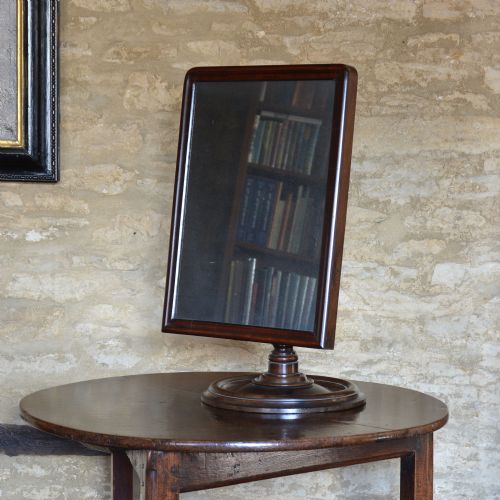
An antique walnut vanity glass encompasses various forms used for grooming and dressing, most commonly encountered as dressing table mirrors, toilet swing mirrors, and shaving glasses dating from the seventeenth century through to the Art Deco period.
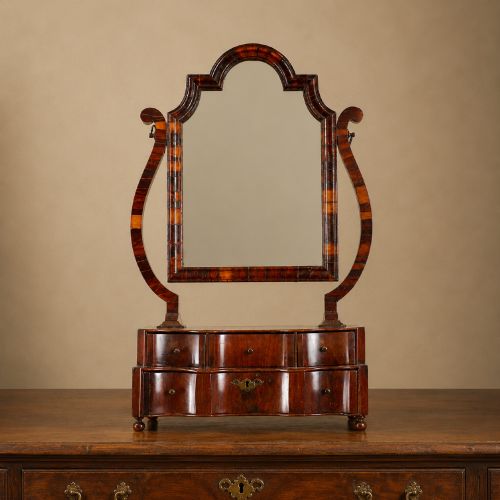
Buyers seeking an antique walnut vanity glass will find pieces ranging from compact Georgian box mirrors with fitted drawers to Victorian adjustable toilet glasses and Dutch marquetry swing frames.
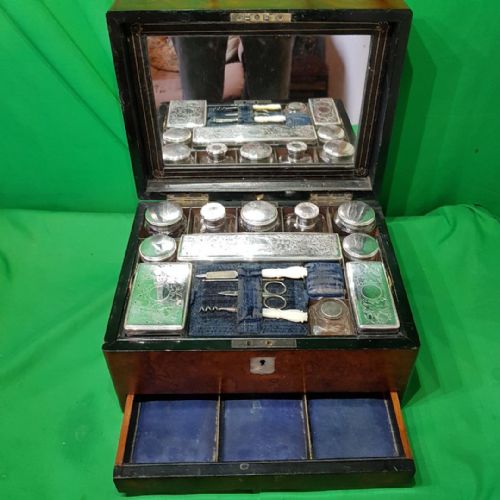
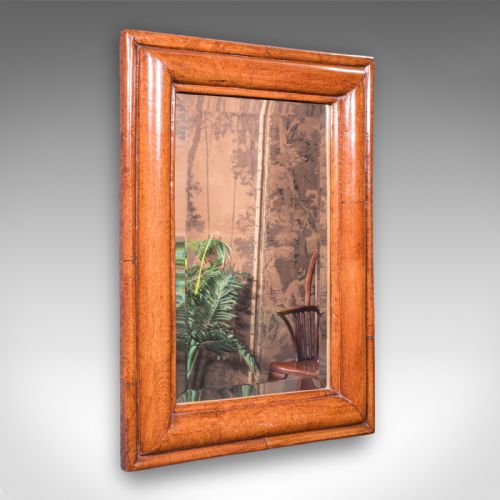
The selection extends to related dressing accessories such as burr walnut vanity boxes, travelling sets, and wall mirrors utilising the same rich timber and glass combinations.
Materials and construction methods
Cabinet-makers constructed these frames using solid walnut or applied figured burr walnut veneer over secondary woods, frequently incorporating boxwood stringing or laburnum banding for decorative contrast.
Reflecting surfaces rely on traditional mirror glass, sometimes bevelled along the edges, held within pivoted frames that allow the glass to tilt on brass pins or screws.
More elaborate examples integrate secondary materials such as ormolu mounts, giltwood accents, velvet linings, and small brass handles on fitted drawers beneath the glass.
Current listings feature walnut vanity glasses and mirrors spanning from the seventeenth century through to Art Deco designs from 1930.
Distinguishing quality in walnut mirrors
Quality rests upon the selection of the timber, where highly figured burr walnut veneer or dense grain pattern demonstrates superior craftsmanship compared to plain or later stained substitutes.
The sophistication of the joinery and the retention of original mirror plates, brass hardware, and secondary drawer linings dictate the integrity and desirability of the piece.
The Antique Walnut Vanity Glass Glossary
- Toilet mirror
- A smaller mirror designed to sit atop a dressing table, chest, or bureau, usually mounted on upright supports with pivoting screws.
- Burr walnut
- A specialised timber cut from walnut tree growths, producing swirling, highly decorative grain patterns prized by cabinet-makers.
- Box mirror
- A compact dressing glass fitted with a small storage compartment or drawers forming the base beneath the pivoting mirror frame.
- Marquetry
- The art of applying decorative veneer pieces in geometric or pictorial patterns onto the wooden surface of the frame.
Antique Walnut Vanity Glass: Frequently Asked Questions
How do I date an antique walnut vanity glass?
Dating relies on observing construction techniques, timber choice, and the style of the mirror frame and base supports. Earlier pieces from the seventeenth and eighteenth centuries often feature hand-cut dovetails and distinct moulding profiles.
Later Victorian and Edwardian examples incorporate machine-sawn elements, different mirror silvering techniques, and distinct hardware styles that align with nineteenth and twentieth-century production methods.
Where should I place a vanity glass at home?
These mirrors suit dressing tables, chest tops, or side tables where their pivoting frames can be adjusted for practical use. Placing them near natural light enhances their reflective quality and highlights the grain of the walnut.
Wall-mounted variants require secure fixings appropriate to their weight, particularly older frames with solid timber and heavy glass plates.
How do I care for walnut and mirror glass?
Walnut benefits from occasional light polishing with traditional beeswax to maintain the moisture and depth of the timber finish. Avoid excessive moisture and direct sunlight, which can dry out veneer or damage older finishes.
Mirror glass should be cleaned sparingly with a soft cloth and a gentle glass cleaner, taking care not to let liquid seep behind the edges into the antique silvering.
What is the difference between a toilet mirror and a shaving mirror?
Toilet mirrors generally feature a wider viewing glass mounted above a small box base with drawers, designed for general grooming on a dressing table. Shaving mirrors are often smaller, adjustable designs specifically configured for close personal use.
Both types utilise pivoting frames, though shaving mirrors frequently emphasise adjustable height or angle mechanisms.