


Antique Walnut Throne Chair
These antique walnut throne chair selections bring stately presence and commanding scale to a room.
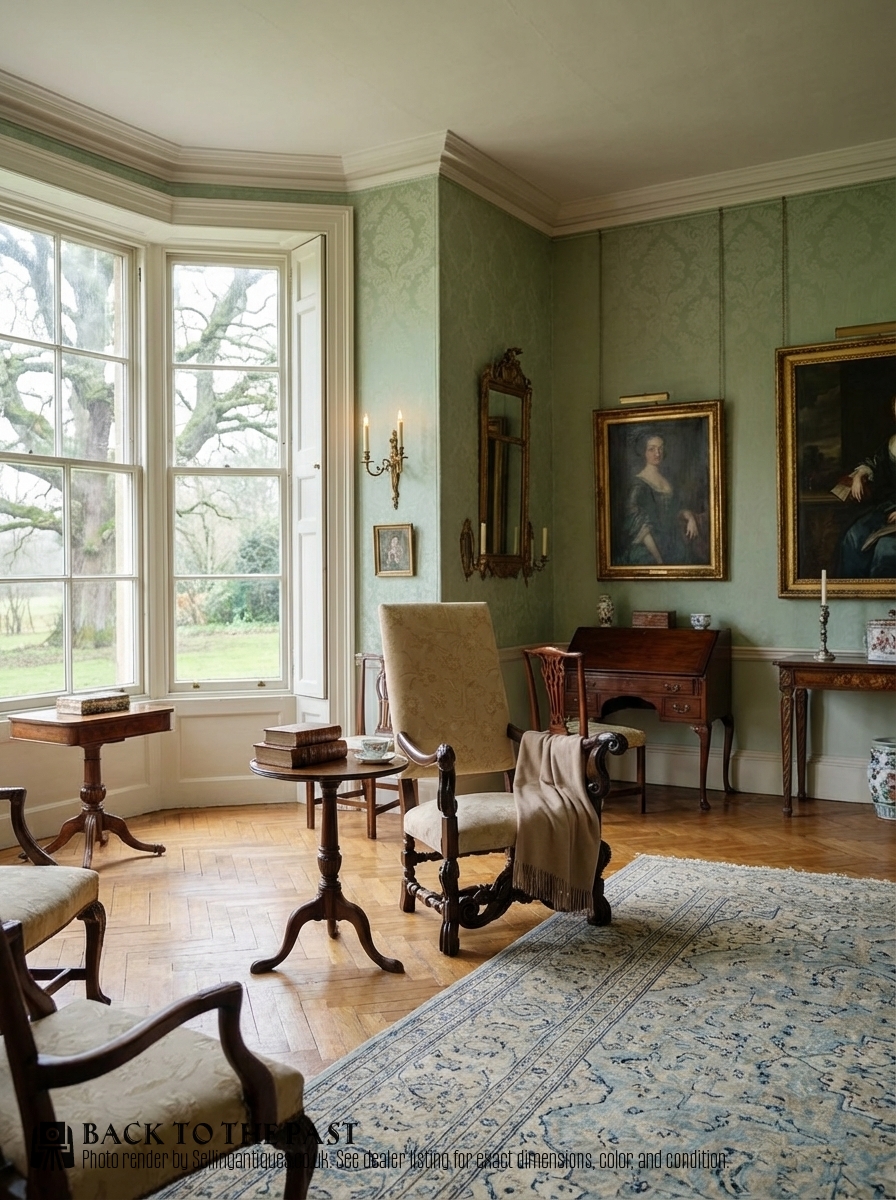
Antique Walnut Throne Chair
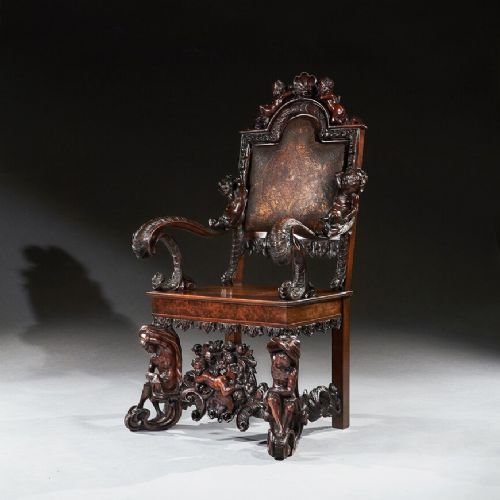
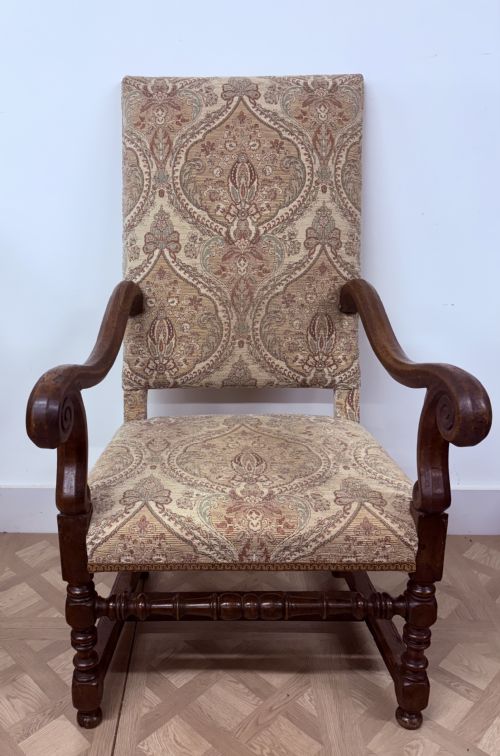
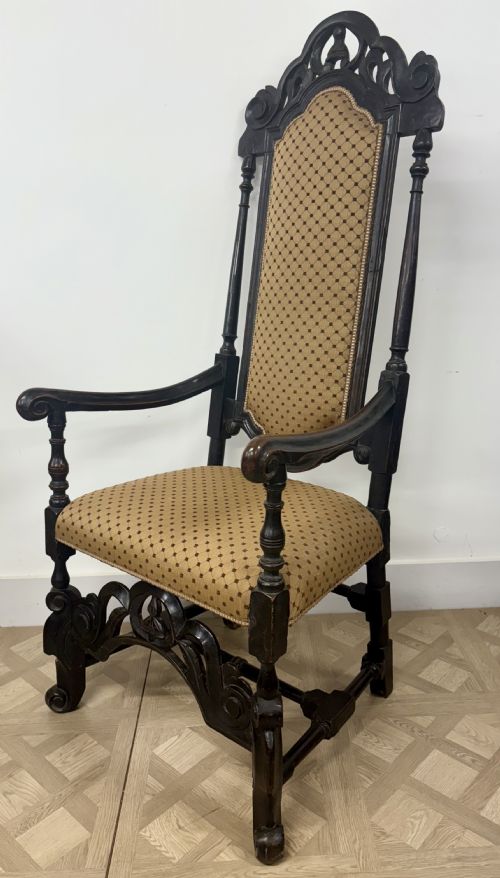
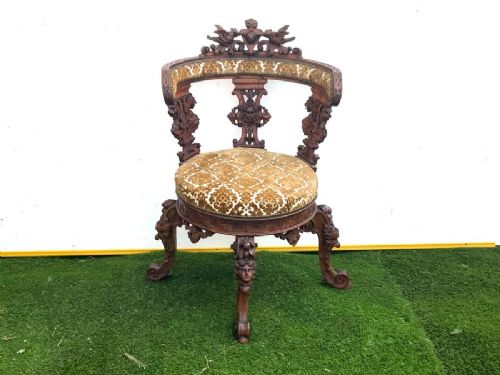
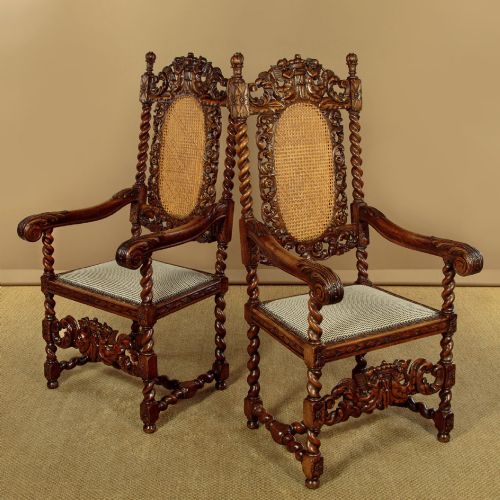
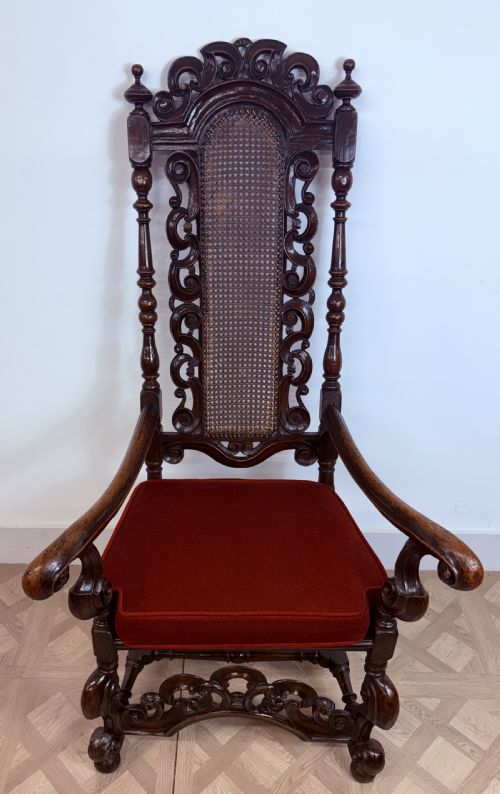
When you search for an antique walnut throne chair, you encounter imposing seating options designed to command attention in a room. Most examples on this page date from the nineteenth century or the seventeenth century, drawing on earlier historical vocabularies.
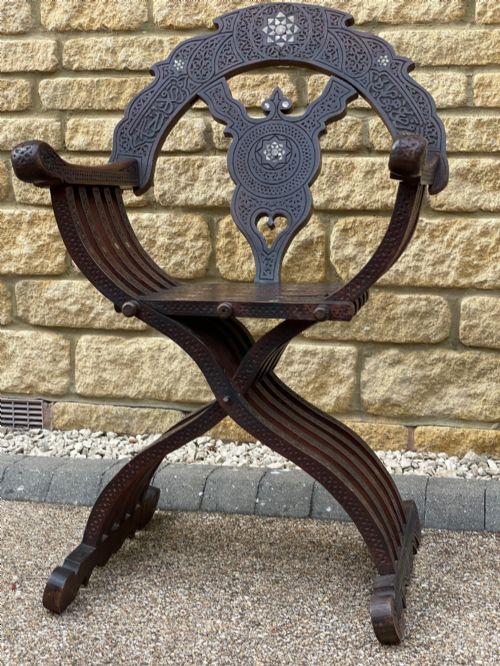
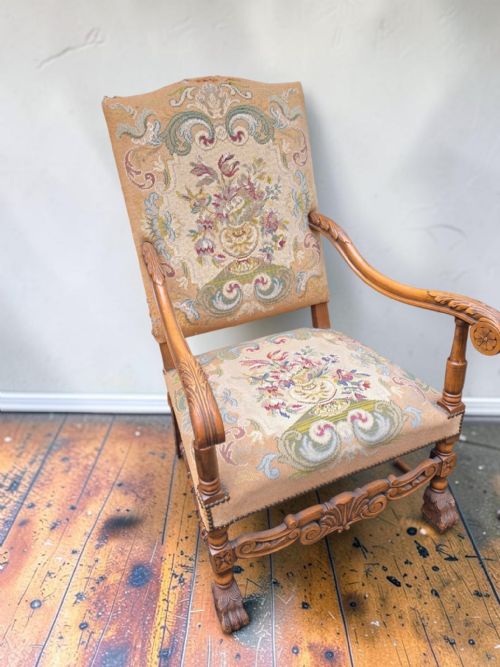
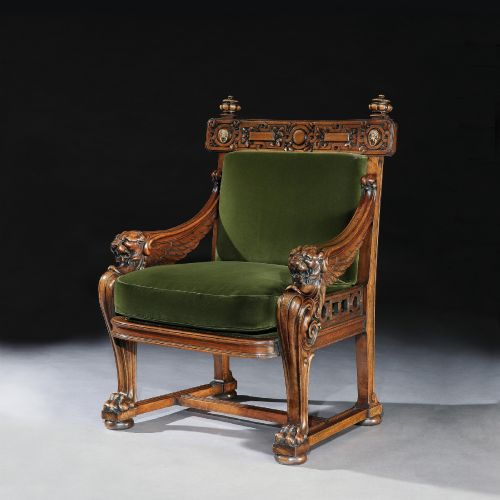
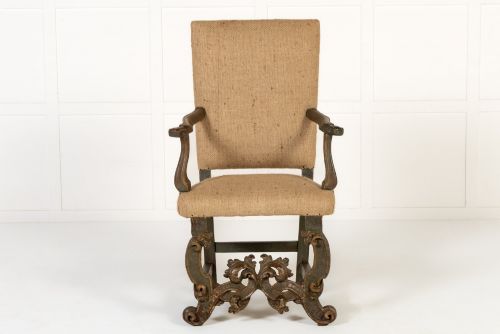
The forms range from high-back audience chairs and heavily carved French fauteuils to monumental armchairs with elaborate upholstery. These pieces function as architectural focal points rather than casual seating, reflecting their original purpose of denoting status and authority.
Materials and construction methods
Makers utilised dense walnut timber, which lent itself to deep, sculptural carving along the frame, arms, and stretchers. This hardwood provided the structural integrity required to support tall backs and wide elbow rests.
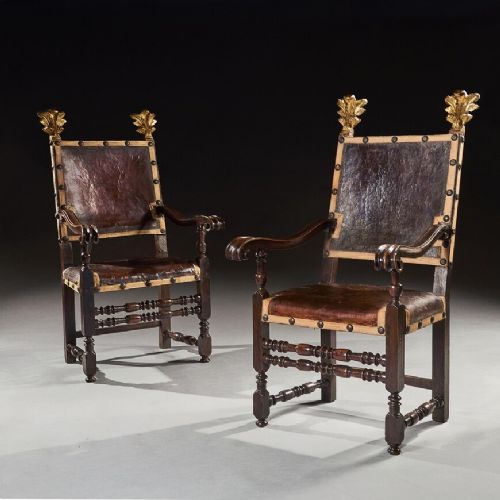
Frames were frequently combined with textiles such as leather, tapestry, velvet, and cane, secured with brass detailing. Structural joinery relied on traditional pinned mortise and tenon joints to sustain the considerable weight of the carved wooden components.
Several armchairs on this page are sturdy enough to make anyone feel like royalty while reading the morning post.
Evaluating craftsmanship and design integrity
The distinction between tiers of quality rests on the depth and definition of the carving work, alongside the proportion of the timber frame. Superior examples demonstrate crisp relief work, particularly in sculptural elements like lion monopodia or complex scrollwork, executed by skilled hands rather than hurried production.
Material selection also dictates standing, with dense grain matching across primary visible surfaces and period-appropriate upholstery fabrics adding integrity. Original framing structure and minimal timber replacement preserve the historical weight of the object.
Andrea Brustolon·Thomas Hope
The Antique Walnut Throne Chair Glossary
- Monopodia
- A carved furniture support taking the form of a single animal leg, often terminating in a paw or claw. This classical motif appears frequently on nineteenth-century revival seating.
- Caquetoire
- A light, high-backed sixteenth-century chair style revived in later centuries, featuring a trapezoidal seat designed to accommodate voluminous period dress.
- Carolean
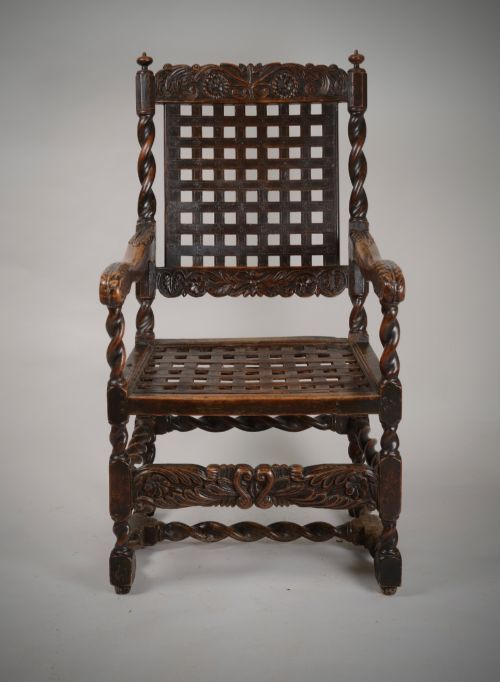
- The decorative style associated with the reign of Charles II in England, marked by rich carving, scrolling woodwork, and tall cane or upholstered backs.
- Parcel-gilt
- Woodwork partially decorated with applied gold leaf to highlight specific carved details against the dark walnut ground.
Antique Walnut Throne Chair: Frequently Asked Questions
Where did people place a throne chair originally?
These imposing seats belonged in reception rooms, halls, and dais platforms where rulers, dignitaries, or heads of households received guests. Their elevated height and commanding presence visually reinforced the authority of the sitter.
Today, they suit studies, libraries, or large living spaces as statement pieces that anchor the room's design.
How do I distinguish seventeenth-century pieces from nineteenth-century revivals?
Seventeenth-century originals display hand-cut joinery, patinated walnut surfaces shaped by centuries of use, and specific tool marks consistent with period workshop practices. Nineteenth-century revival pieces often feature heavier, deeper machinery-assisted carving and distinct timber ageing patterns.
Examining the underside, peg construction, and secondary woods helps clarify the true date of manufacture.
What textiles traditionally cover these chairs?
Original coverings included tooled leather, woven tapestries, heavy velvet, and woven textiles secured with brass tacks. Many surviving examples have undergone reupholstery over the centuries to preserve their usability.
When evaluating a piece, look for upholstery styles that complement the period of the wooden frame.
Can I use an antique throne chair daily?
These sturdy hardwood frames are structurally robust, but their generous proportions and stiff, upright backs prioritise ceremony over relaxed lounging. Regular use requires checking the joints and upholstery foundation to ensure the antique structure remains stable.
Placing them away from direct sunlight and heat sources protects the walnut timber and delicate textiles.