
Antique Walnut Pedestals
Antique walnut pedestals bring rich grain and architectural presence into a room, spanning periods from the eighteenth century to Art Deco.
Antique Walnut Pedestals
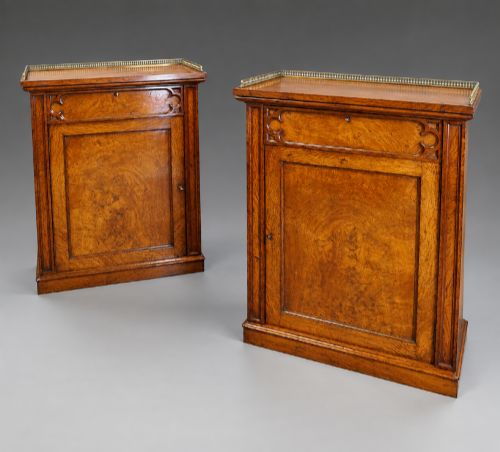
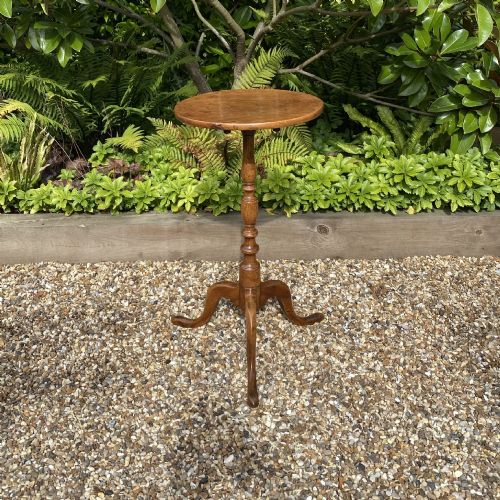
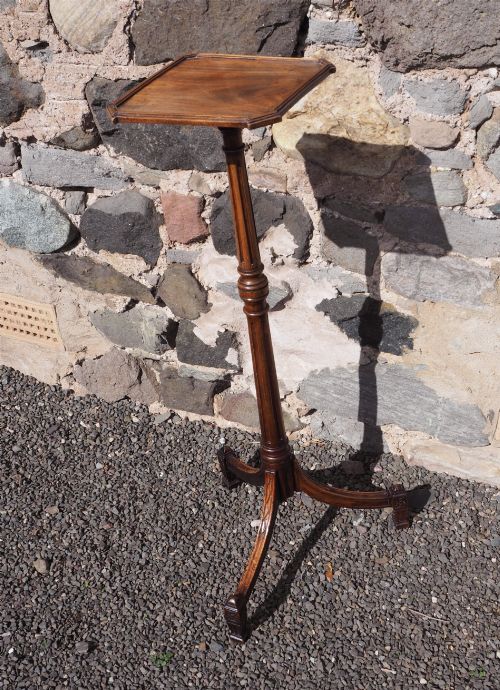
When searching for antique walnut pedestals, buyers encounter a diverse selection of furniture forms including desks, occasional tables, bedside cabinets, and torchieres. These items range from eighteenth-century George I and George II designs to Victorian iterations and twentieth-century Art Deco pieces.
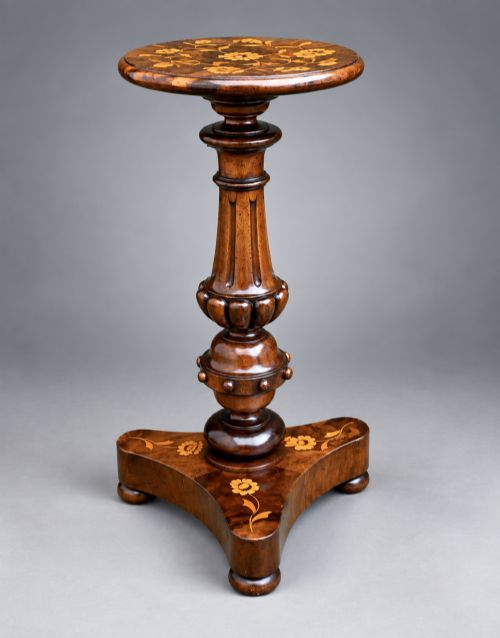
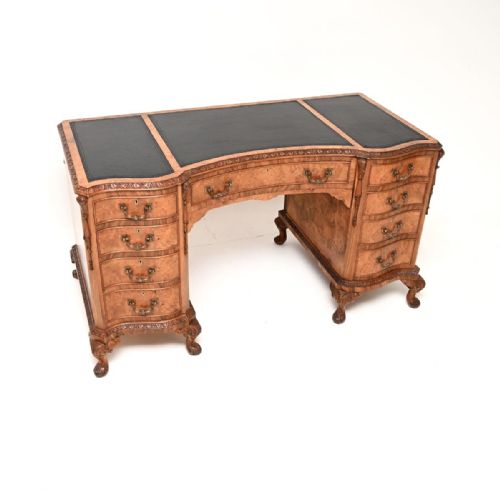
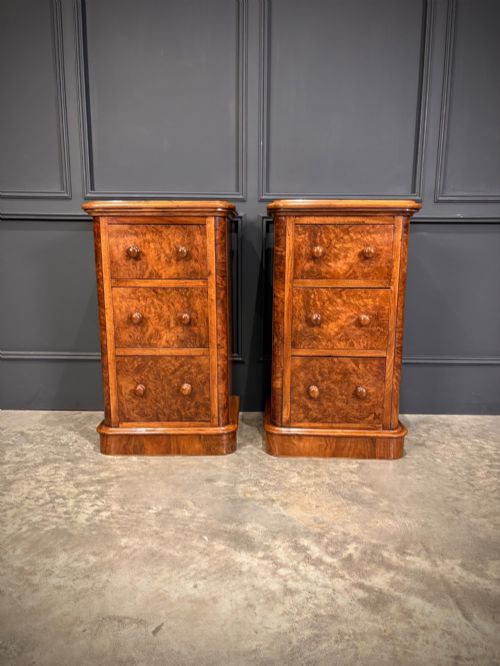
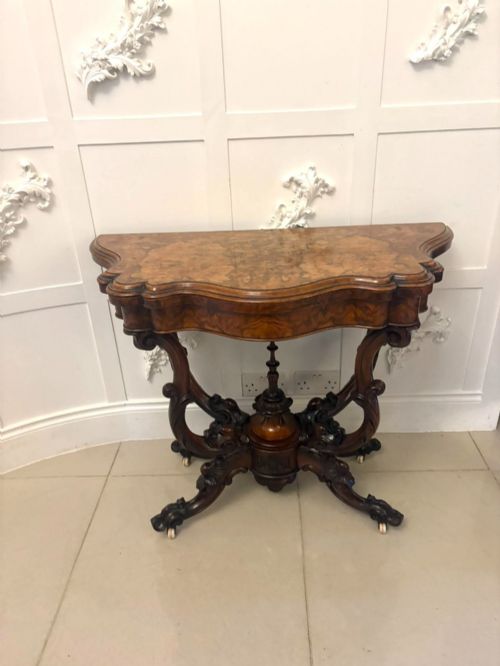
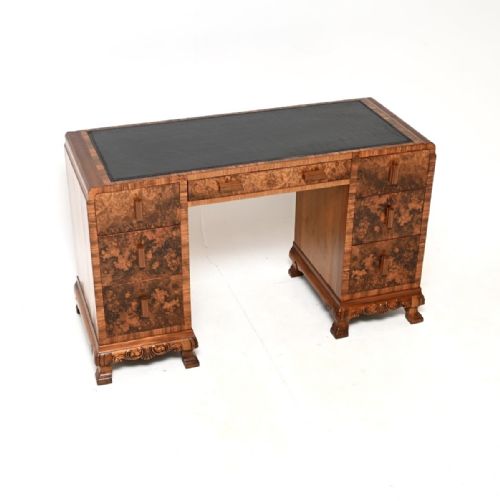
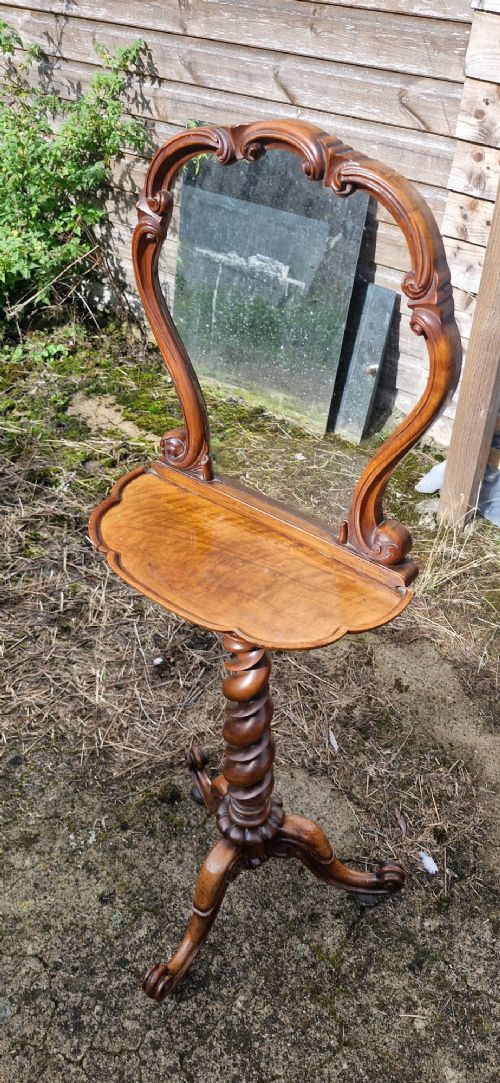
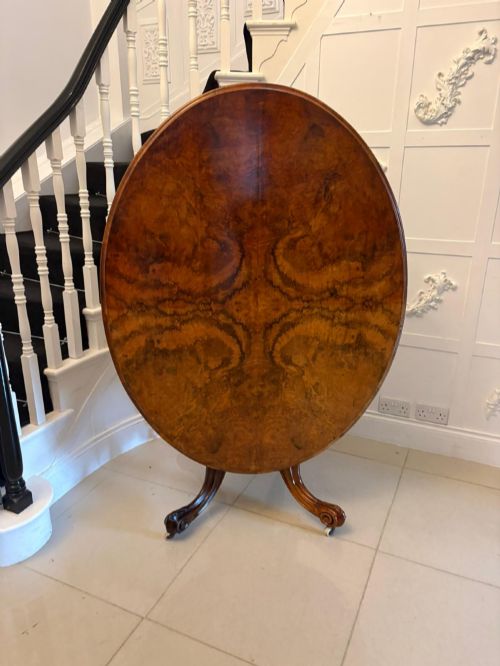
The Victorian period contributes heavily to the available selection, often featuring burr walnut veneers, inlaid marquetry, and carved details on lamp tables, games tables, and pedestal desks. Alongside these, earlier eighteenth-century examples and later Art Deco items demonstrate the evolving use of walnut in domestic settings.
Materials and Construction Methods
Cabinetmakers utilised solid walnut and figured burr walnut veneers over secondary timbers such as oak and mahogany to create striking surface patterns. These wooden structures were frequently complemented by brass hardware, tooled leather writing inserts, and occasional marble or glass components.
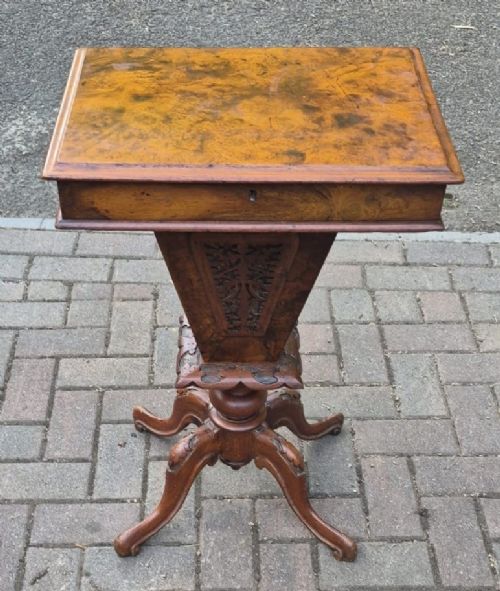
Joinery techniques ranged from traditional dovetailing in drawers to complex marquetry inlay and hand-carved pedestals, particularly on Victorian card tables, sewing tables, and Italian torchieres. Bleached and polished finishes highlight the natural grain variations inherent in the walnut timber.
Listings feature walnut pedestals across periods from the seventeenth-century Baroque era through Georgian and Victorian times to Art Deco.
Distinguishing Factors in Quality
Superior examples display exceptional selection and matching of burr or figured walnut veneers across wide tabletops and desk surfaces, ensuring visual harmony. The depth of the timber's grain and the crispness of hand-carved elements on bases and pedestals further elevate a piece.
Structural integrity, the quality of secondary timbers used inside drawers, and the preservation of original or period-correct hardware such as brass handles distinguish finer workshops from more utilitarian productions.
Maple and Co
The Antique Walnut Pedestals Glossary
- Burr walnut
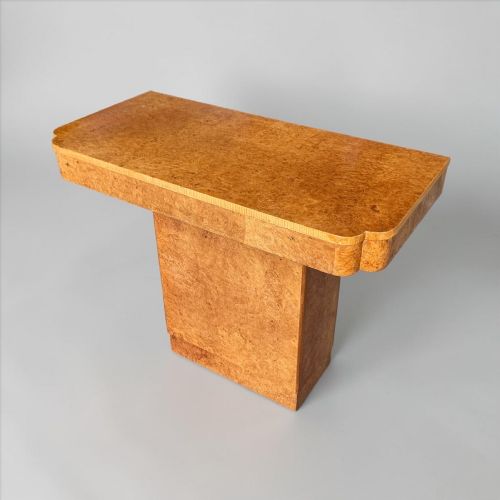
- A figured wood veneer taken from the growth excrescences on walnut trees, prized for its swirling, mottled grain patterns. It appears frequently on Victorian and Art Deco tabletops and desk surfaces.
- Marquetry
- The art of applying pieces of veneer to a structure to form decorative patterns and pictures. Craftsmen utilised this technique extensively on Victorian centre tables and occasional furniture.
- Torchiere
- A tall stand or ornamental candlestick holder, often featuring a carved wooden column. Examples range from eighteenth-century Dutch pieces to Italian Baroque designs.
- Kneehole desk
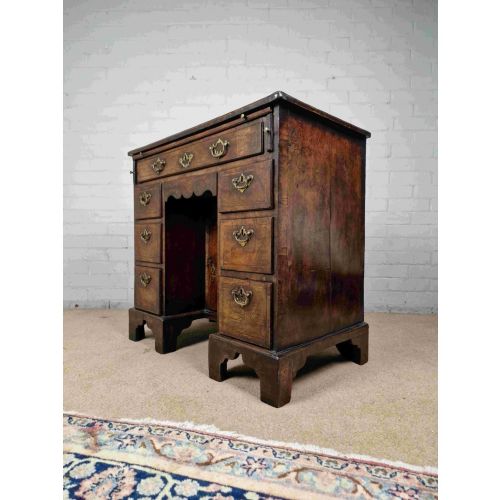
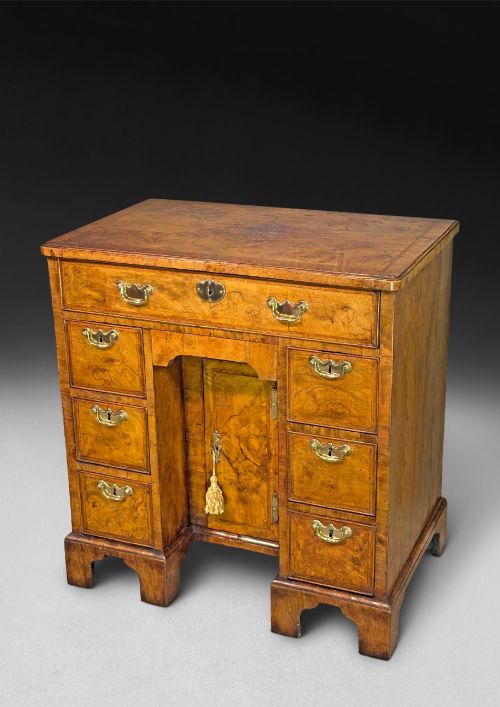
- A compact desk featuring a central recess for the user's knees, flanked by pedestals of small drawers. Georgian and Victorian makers produced these in figured walnut.
- Tilt top
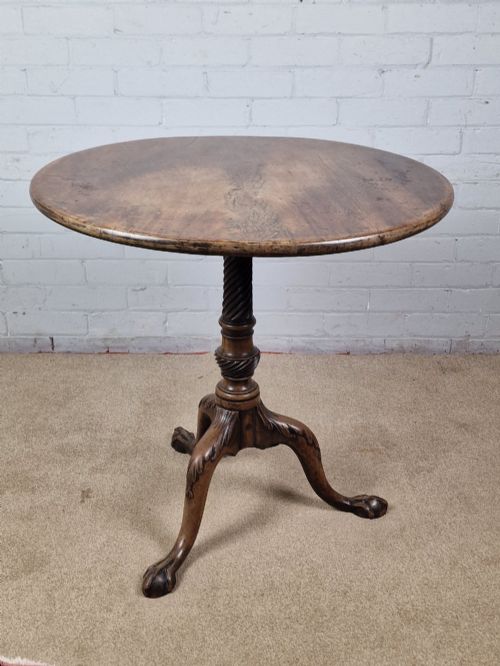
- A tabletop mechanism that allows the surface to pivot to a vertical position when not in use. This feature is common on nineteenth-century lamp and occasional tables.
Antique Walnut Pedestals: Frequently Asked Questions
What periods do antique walnut pedestals come from?
These pieces originate from a broad span of eras, including the eighteenth century under George I and George II, through the Victorian period, and into early twentieth-century Art Deco designs.
Buyers will also find transitional nineteenth-century styles, French pieces, and occasional Edwardian interpretations, each reflecting the prevailing tastes of their respective decades.
How do I care for burr walnut furniture?
Burr walnut benefits from consistent indoor humidity and protection from direct sunlight to prevent the veneers from drying out or fading. Gentle dusting with a soft cloth and occasional application of appropriate wax maintain the finish.
Avoid placing hot items or liquids directly onto the wood surfaces to protect the polished grain and any inlaid marquetry work.
Are Art Deco walnut tables different from Victorian ones?
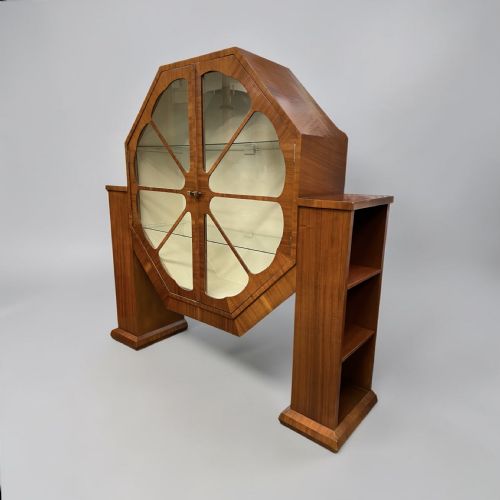
Art Deco walnut tables favour streamlined geometric silhouettes and figured grain without the heavy carved ornamentation typical of the Victorian era. They reflect a shift towards modernism in the early twentieth century.
Victorian pieces often showcase elaborate marquetry, turned pedestal columns, and intricate carving, whereas Art Deco examples rely on the natural beauty of the wood veneer.