
Antique Walnut End Table
When you seek an antique walnut end table, you are looking for a compact surface that brings rich timber grain and period character to a room.
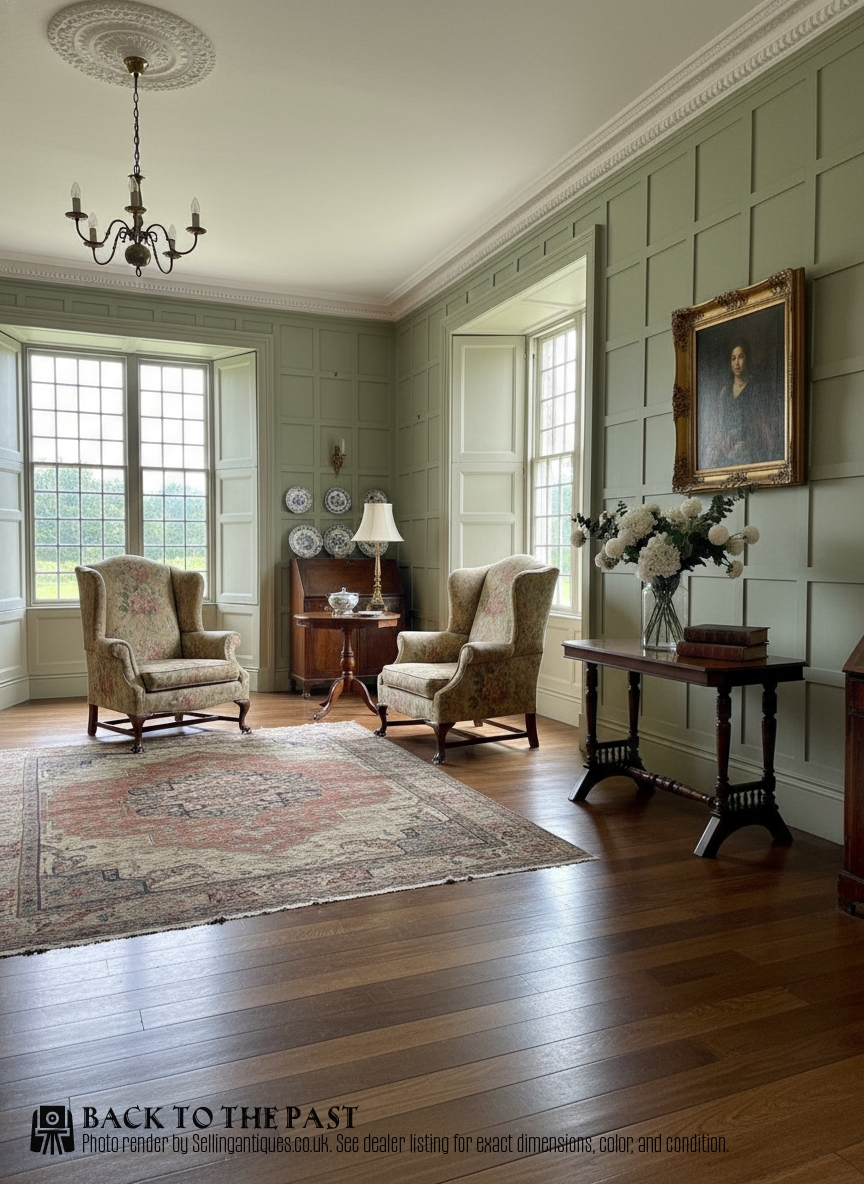
The Nature of These Tables
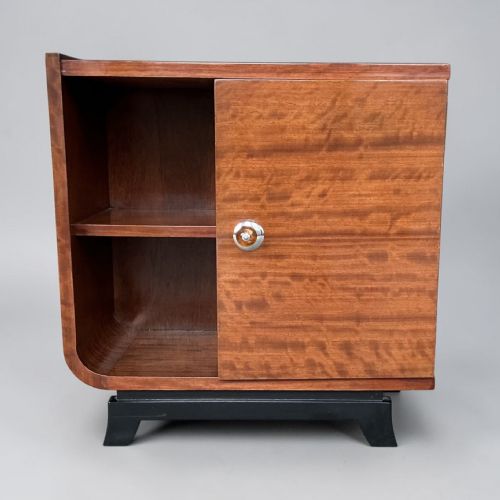
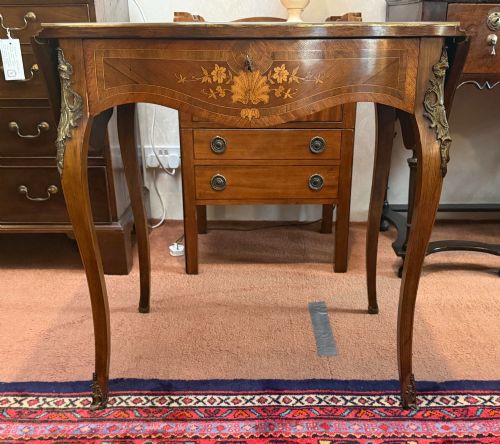
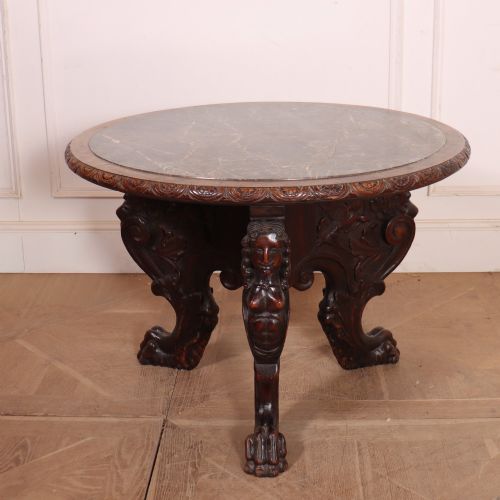
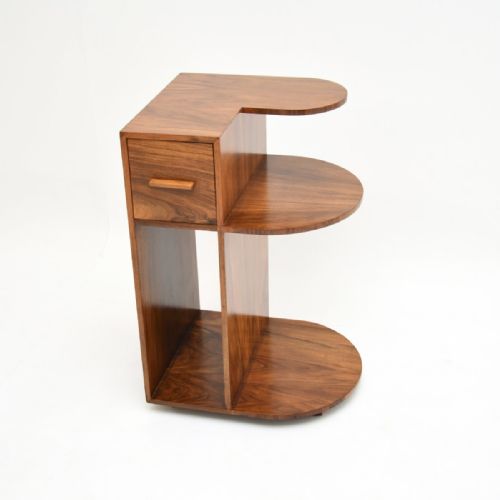
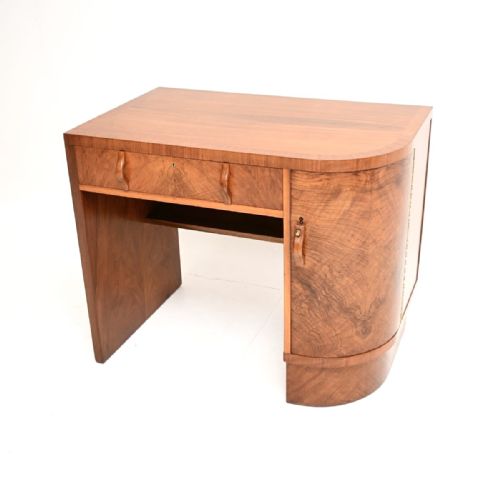
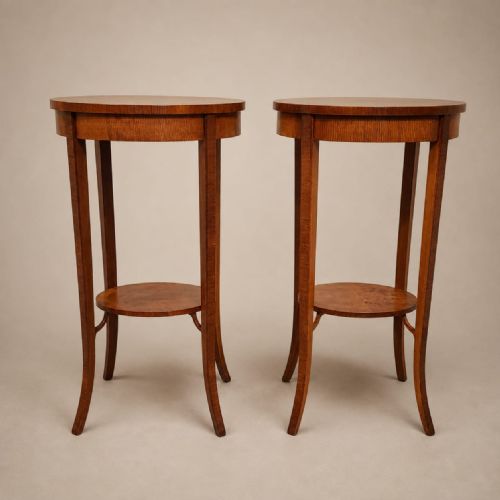
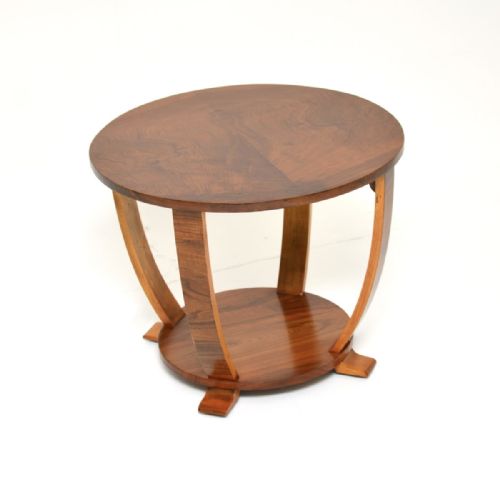
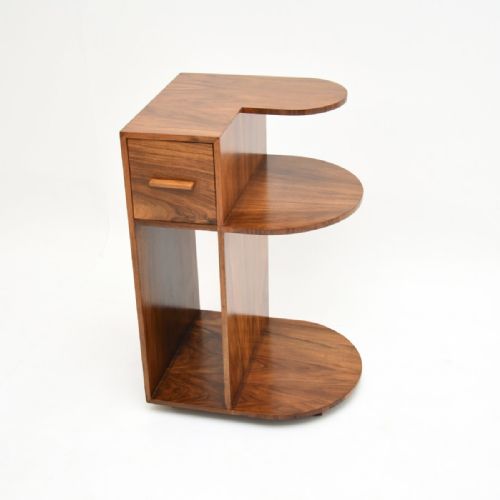
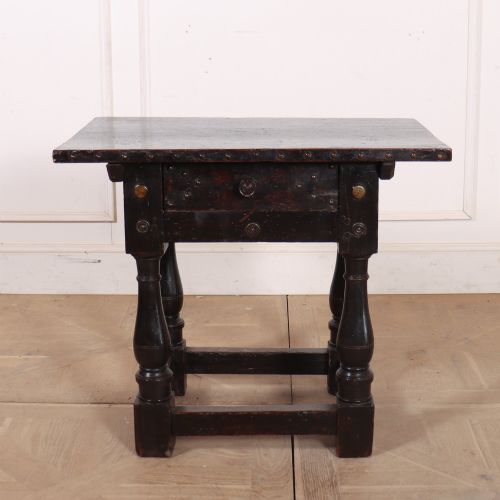
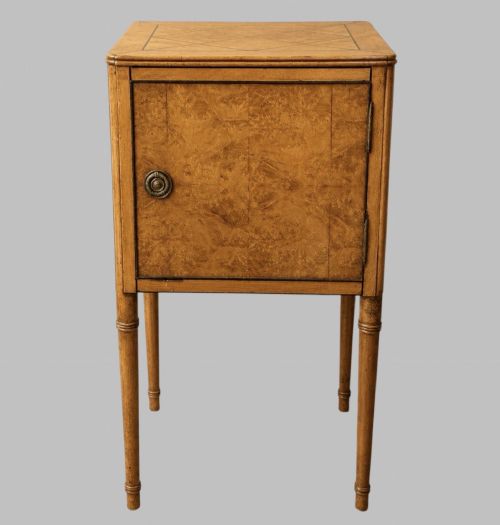
An antique walnut end table encompasses side tables, occasional tables, and lamp tables designed for domestic utility and display. The selection ranges from eighteenth-century French provincial designs to Victorian, Arts and Crafts, and Art Deco examples.
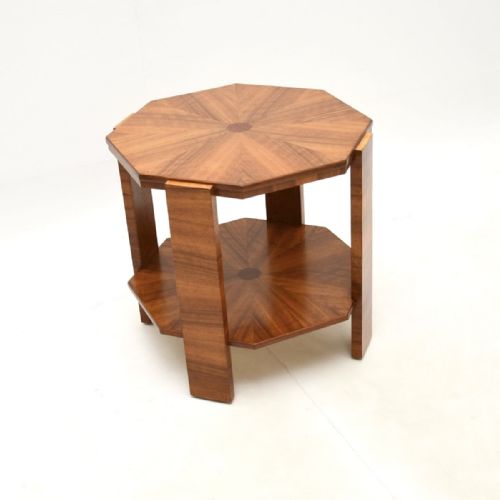
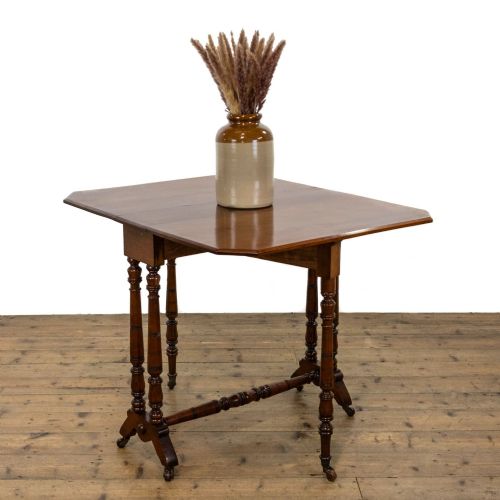
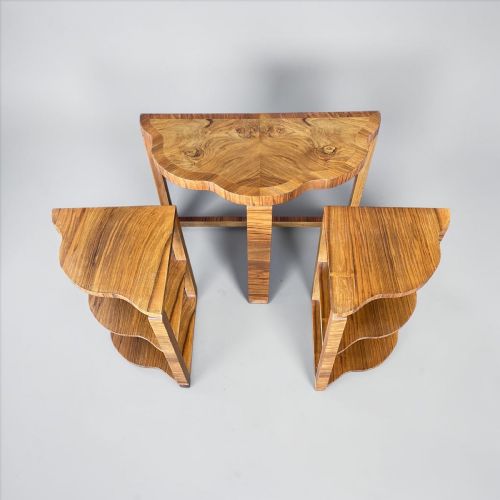
Makers utilised solid walnut and decorative veneers to create compact surfaces suitable for placement beside seating. Forms vary from simple rectangular side tables to quartered tops and baby Sutherland designs.
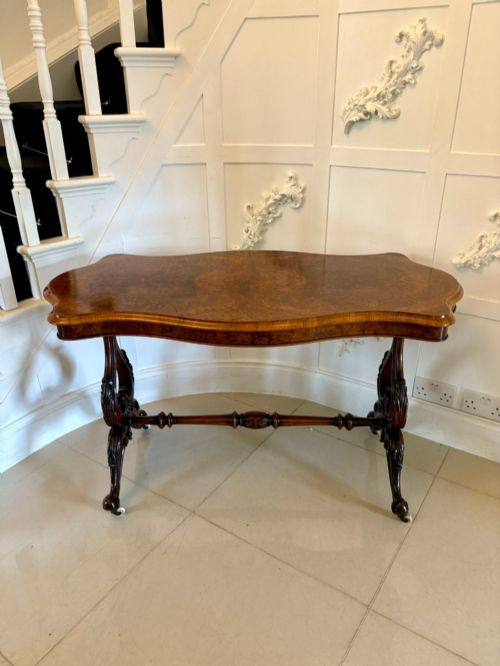
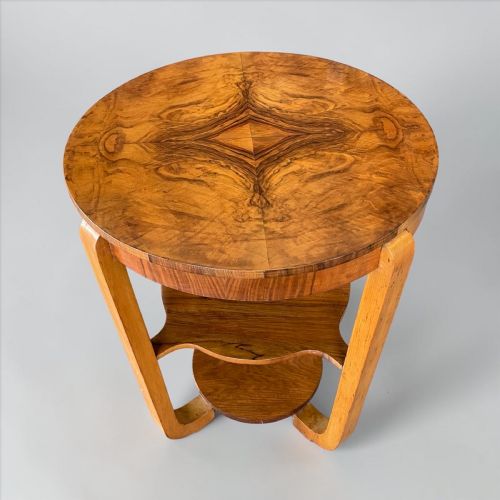
The material displays distinct grain patterns, notably burr walnut, which collectors prize for its swirling figures. These pieces reflect the prevailing aesthetic of their respective periods, from Queen Anne styling to clean twentieth-century lines.
Materials and Construction
Cabinetmakers constructed these tables using solid walnut frameworks combined with walnut veneers to showcase decorative grain patterns. Artisans frequently applied veneer in matched patterns, such as quartered arrangements on the top surfaces.
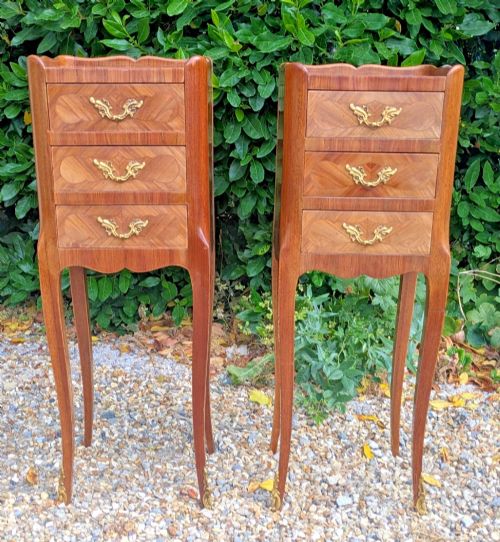
Metal fittings such as brass appear on drawers and structural elements, complementing the dark brown tones of the wood. Joinery techniques varied according to the period, supporting the functional demands of daily domestic use.
Retail Price Guide 2026
Typical UK retail prices for walnut end table, calculated from the Sellingantiques database of over a million retail prices indexed since 2003. This retail price guide relies exclusively on Sellingantiques data; no external sources or auction records are used, so the figures do not describe the wider market.
Current listings feature walnut and walnut veneer, incorporating brass hardware across Victorian, Arts and Crafts, and Art Deco styles.
Distinctions in Quality
The standard of a piece rests upon the choice of timber and the precision of the veneer work. Master workshops selected burr walnut with lively, symmetrical graining, whereas lesser examples relied on plainer stock.
Construction methods and the crispness of carved details, such as those found on Queen Anne style or French provincial pieces, dictate the overall standing of the table. Original hardware and sound structural integrity elevate an individual piece within the range.
Liberty of London·Maple and Co·Gillows
The Antique Walnut End Table Glossary
- Burr Walnut
- A figured wood grain obtained from the wart-like growths on walnut trees, prized for its intricate swirling patterns.
- Veneer
- A thin layer of superior walnut timber applied to a secondary wood base to provide a decorative exterior surface.
- Quartered Walnut
- A method of cutting and arranging four veneer sections symmetrically to create a balanced geometric pattern across a tabletop.
- Occasional Table
- A small, movable table intended for intermittent use in a reception room or beside a seat.
- Sutherland Table
- A narrow drop-leaf table with hinged flaps supported by swinging gate legs, designed to fold flat when not in use.
Frequently Asked Questions
How do I date an antique walnut table?
Dating relies on stylistic markers, construction methods, and the specific characteristics associated with periods such as the Victorian era or Art Deco.
Examining the secondary woods, fixings, and overall form helps place the piece within its historical context.
Where should I place a side table?
These compact surfaces suit placement beside a sofa, armchair, or in a hallway as a lamp or occasional table.
Their modest proportions allow them to integrate easily into various room layouts without dominating the space.
What is burr walnut?
Burr walnut is a specialised timber derived from the gnarled growths of the tree, yielding dense and decorative circular grain patterns.
Cabinetmakers used these figured veneers on prominent surfaces like tabletops to create visual depth and luxury.
Are these tables suitable for daily use?
Period tables were built for practical domestic tasks and remain robust enough for contemporary placement.
Regular care and sensible protection from moisture preserve the polished walnut surfaces over time.