
Antique Walnut Dressing Vanity
An antique walnut dressing vanity brings rich wood figures and practical surface space into a bedroom.
Antique Walnut Dressing Vanity
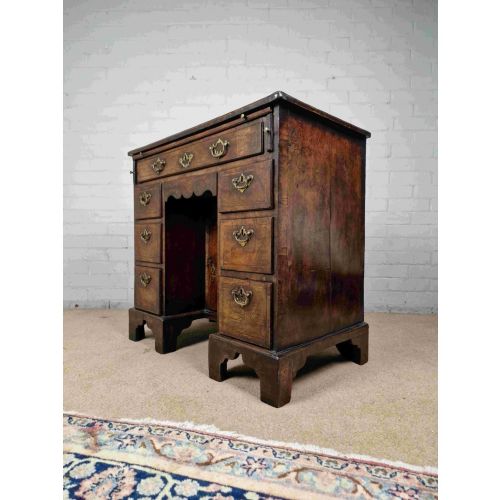
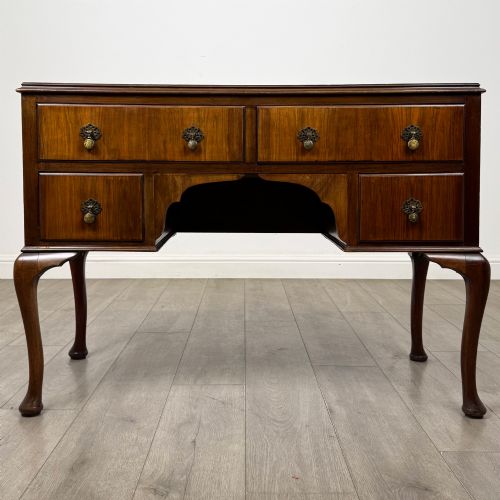
An antique walnut dressing vanity encompasses dressing tables, pedestal desks, lowboys, and matching stools spanning from the seventeenth century through the Art Deco period. These pieces provide mirrored surfaces and storage compartments designed for personal grooming and writing.
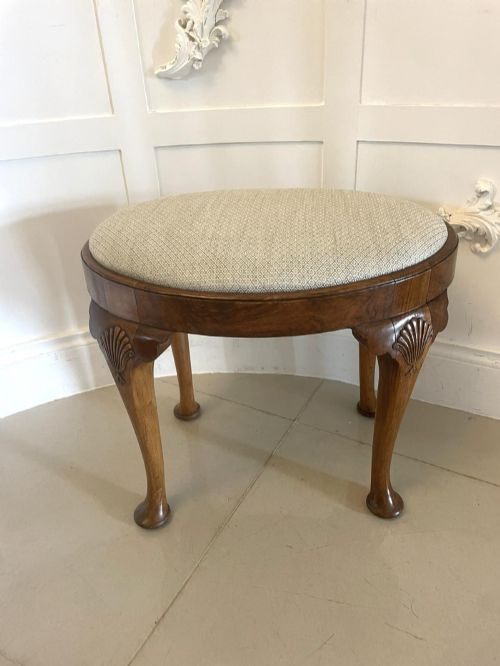
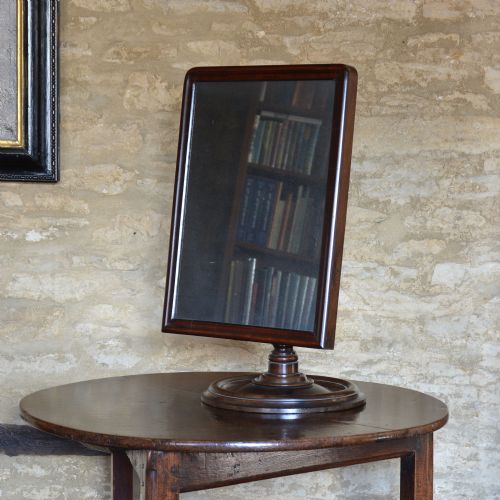
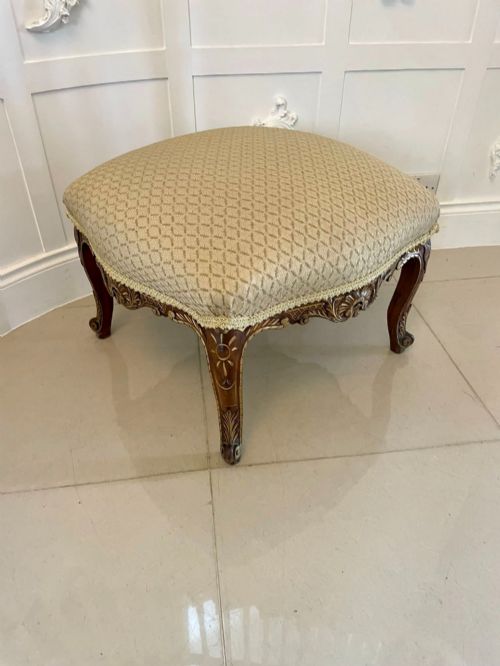
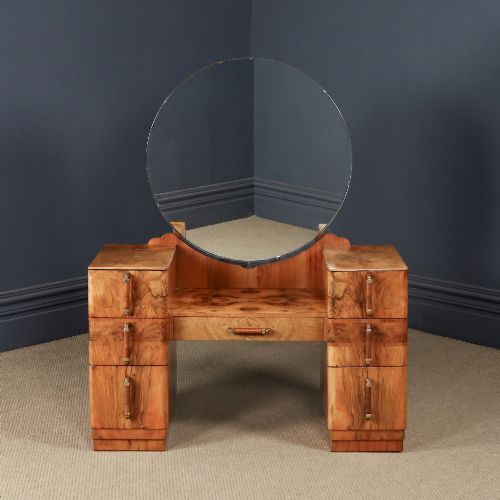
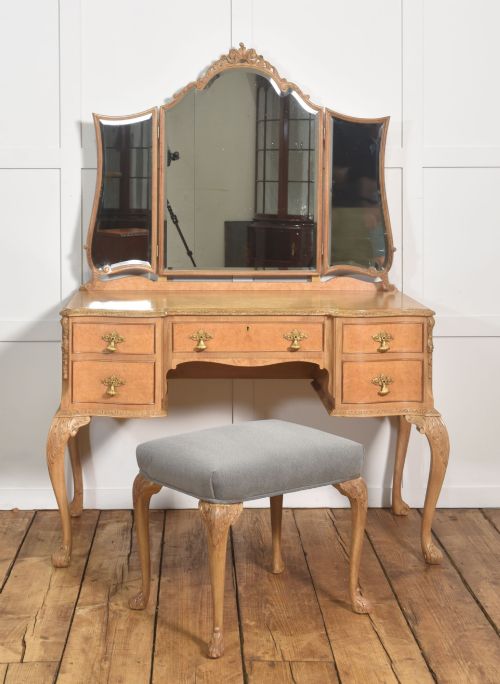
The selections on this page frequently include Art Deco burr walnut pedestal dressing tables with integrated mirrors alongside Victorian and Edwardian examples. Stools and table mirrors often accompany the larger furniture forms.
Origins range across English, French, Dutch, and American makers, utilising revival styles such as Queen Anne and Georgian alongside twentieth-century modernism.
Materials and construction
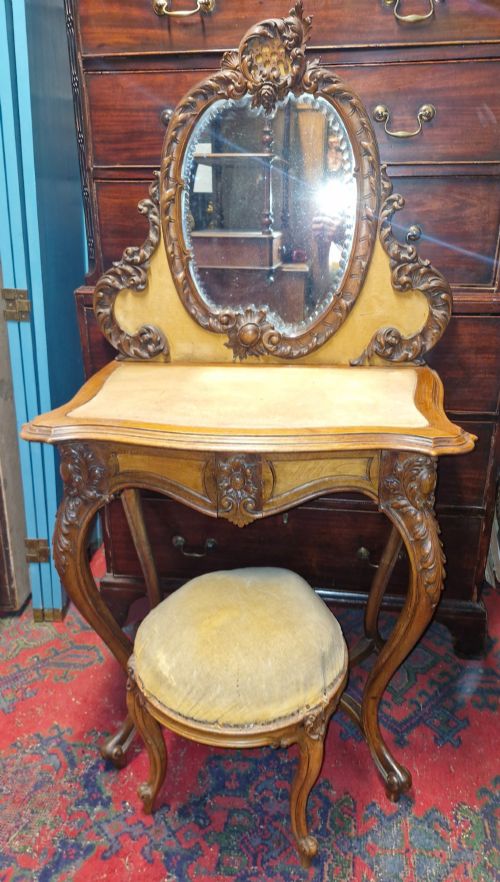
Makers utilised solid walnut and decorative burr walnut veneers applied to secondary timbers to create rich, figured grain patterns across the surfaces. Glass appears in swinging table mirrors and pedestal mirrors, while brass and ormolu provide mounts, handles, and hardware.
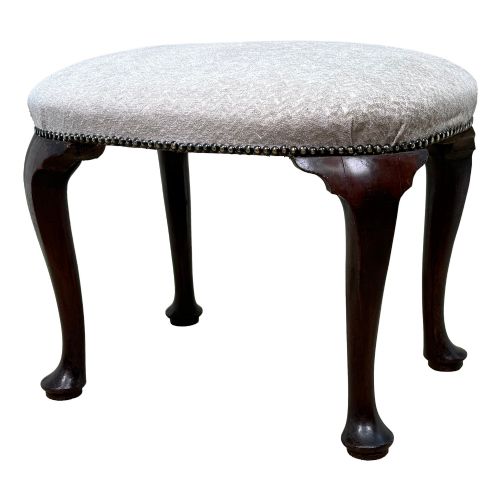
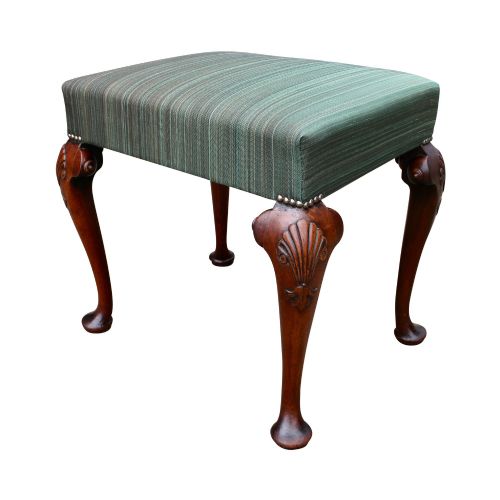
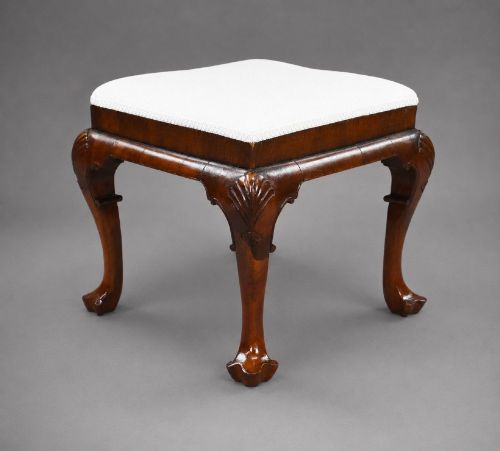
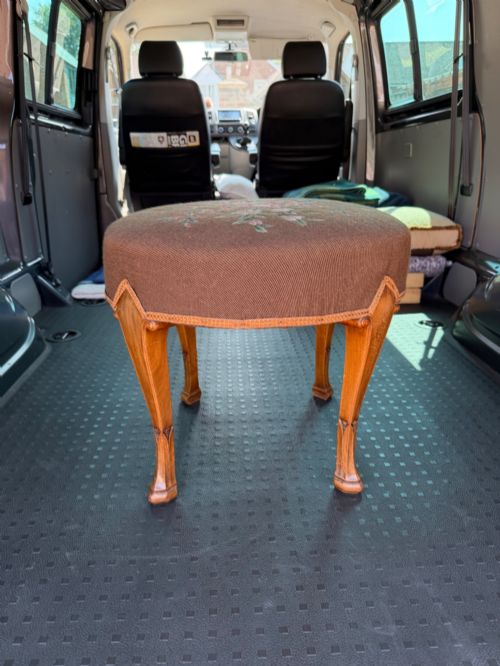
Upholstered stools incorporate fabric, textile, velvet, and leather inserts for writing surfaces. Joinery methods include traditional dovetailing for drawers and carved cabriole legs shaped in the Queen Anne and Georgian revivals.
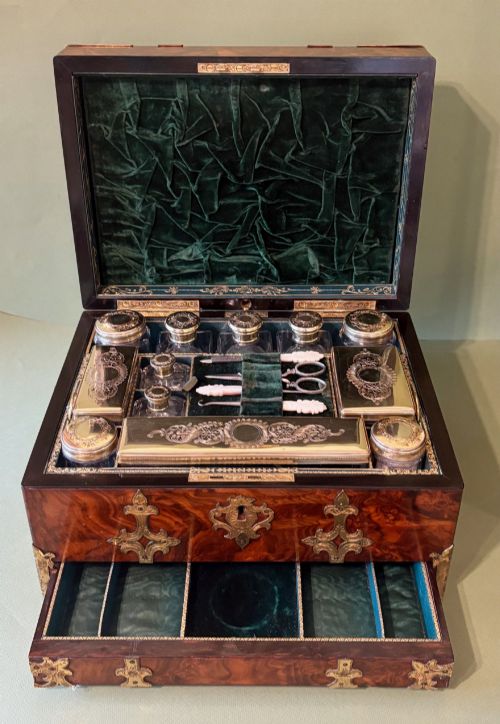
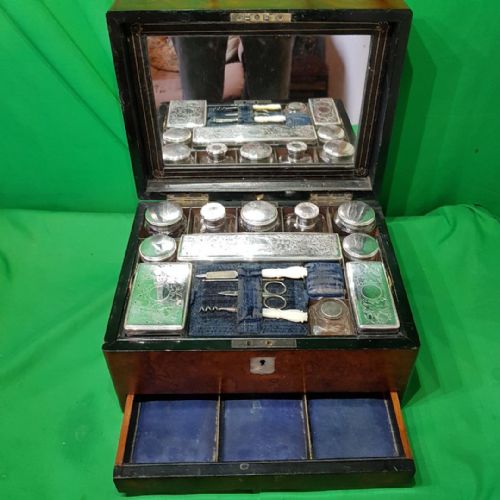
Several ladies travelling sets from the Victorian era survive intact, preserving compartments once packed for long journeys by steam train.
Evaluating the standard
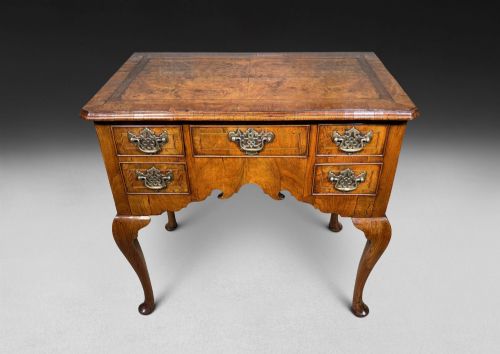
Quality rests upon the selection and matching of the walnut veneer figures, particularly the swirling patterns found in burr walnut surfaces. Superior pieces display crisp carving on cabriole legs and original mirror glass without silver degradation.
Construction integrity, such as smooth drawer movement and intact original hardware like brass handles or ormolu mounts, separates standard production items from exceptional workshop output.
Wylie and Lochhead Glasgow·Harry and Lou Epstein·Frank Taylor and Co·Maple and Co London
The Antique Walnut Dressing Vanity Glossary
- Burr walnut
- A prized wood veneer harvested from tree growths, displaying intricate swirling grain patterns. It adds distinct decorative movement to drawer fronts and tabletops.
- Lowboy
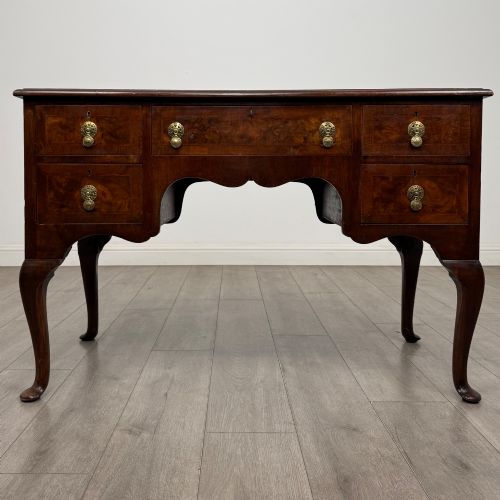
- A small side table featuring one or more rows of drawers beneath the top surface. They frequently serve as dressing tables or writing desks in period interiors.
- Cabriole leg
- A furniture leg that curves outward in a convex arc and tapers inward in a concave arc, ending in a pad or claw foot. This form defines much of the Queen Anne and Georgian revival furniture.
- Toilet mirror
- A smaller tabletop mirror fitted with a small stand or box base, sometimes containing miniature drawers. They were placed on top of chests or lowboys for grooming.
- Ormolu
- Gilded bronze mounts applied to furniture for decoration. The technique involves mercury gilding cast bronze elements.
Antique Walnut Dressing Vanity: Frequently Asked Questions
What periods do these vanities date from?
The pieces span from seventeenth-century mirrors through eighteenth-century lowboys and nineteenth-century Victorian designs up to twentieth-century Art Deco suites.
Revival styles from the Georgian and Queen Anne eras also appear frequently among the twentieth-century pieces.
How were dressing vanities used originally?
They served as dedicated spaces for morning grooming, hair styling, and applying cosmetics in bedrooms and dressing rooms.
Many incorporated pivoting mirrors and small drawers for holding brushes, trinkets, and personal accessories.
Do matching stools usually come with the tables?
Many dressing tables and vanity desks are listed alongside contemporaneous or period-matched stools upholstered in velvet, fabric, or leather.
Stools are also available individually across various revival styles including Queen Anne and William and Mary designs.