


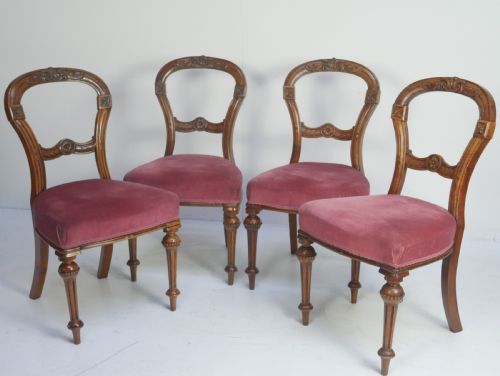


Victorian Bedroom Furniture Set
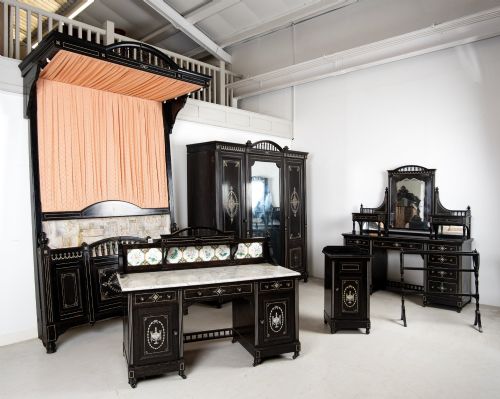
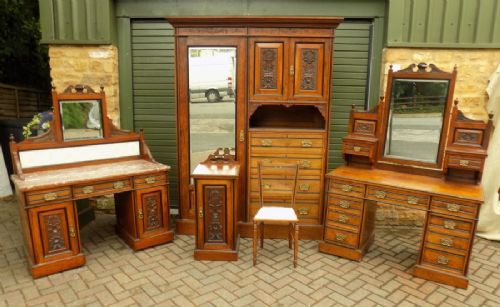
These matching rooms of a victorian bedroom furniture set bring together walnut, ash, and brass to furnish a period interior with coordinated grace.
Victorian Bedroom Furniture Set
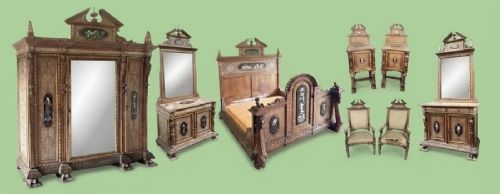
A victorian bedroom furniture set gathers matching pieces designed to coordinate a nineteenth century sleeping chamber, typically pairing wardrobes with bedside cabinets, dressing tables, and beds. Such groupings originate from major cabinetmakers and workshops of the period, spanning stylistic shifts from heavy revival designs to lighter aesthetic movement interpretations.
On this page, a buyer most frequently meets suites from the nineteenth century, including specific dates around eighteen eighty and nineteen hundred. The forms range from complete bedroom suites to smaller matched pairings, utilising materials like walnut, ash, and ebonised wood.
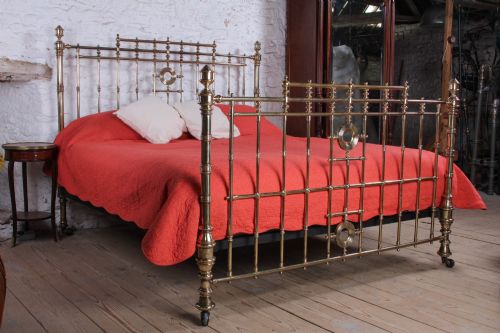
The aesthetic vocabulary encompasses Victorian styles alongside French Empire Revival, Arts and Crafts, and the Aesthetic Movement. Alongside complete suites, individual beds and salon chairs appear, reflecting how domestic interiors were furnished during the period.
Materials and construction
Cabinetmakers built these pieces using substantial timbers such as walnut, maple, rosewood, and ash, often applying ebonisation or bone inlay for decorative contrast. Surfaces incorporate carved burr walnut and intricate inlay work, demonstrating the technical capability of nineteenth-century workshops.
Fitted elements utilise brass hardware, ceramic tiles, and marble tops, particularly on washstands and dressing tables where durability was essential. Glass panels and brass beds complete the material palette recorded in the listings.
Listings feature pieces spanning the nineteenth century, including specific dates from eighteen seventy to nineteen hundred.
Assessing quality and execution
The distinction between standard commercial output and superior cabinetmaking lies in the selection of timbers, such as figured burr walnut or dense ash, matched across every component of a suite. Finer suites display precise bone inlay and meticulous ebonisation rather than superficial surface decoration.
The integrity of matching sets depends on whether the pieces were conceived together by firms like Waring and Gillows or Maple and Co, ensuring proportional harmony across wardrobes, beds, and dressing tables.
Maple and Co·Waring and Gillows
The Victorian Bedroom Furniture Set Glossary
- Aesthetic Movement
- A late nineteenth-century design style emphasising visual beauty over narrative subject matter, often featuring ebonised wood and Japanese-inspired motifs. It rejected heavy Victorian ornamentation in favour of simpler, linear forms.
- Ebonised wood
- Timber treated with a dark stain or finish to imitate ebony, commonly utilised in nineteenth-century furniture for dramatic contrast. This technique was favoured in Aesthetic Movement and late Victorian pieces.
- Burr walnut
- Timber taken from a tree growth where the grain has grown in a deformed, swirling pattern, producing highly decorative veneer figures. Cabinetmakers used these veneers on prominent surfaces of high-status Victorian furniture.
- French Empire Revival
- A nineteenth-century revival style drawing upon classical Roman and Greek motifs popular during the reign of Napoleon, characterised by monumental proportions and restrained classical details. It appeared in ambitious bedroom suites of the period.
Victorian Bedroom Furniture Set: Frequently Asked Questions
How do I date a victorian bedroom furniture set?
Dating relies on stylistic markers, construction techniques, and materials recorded within the piece, ranging from mid-nineteenth-century revival designs to later Arts and Crafts interpretations.
Makers' stamps and registration marks, where present, help narrow the date of manufacture alongside characteristic design traits of the eighteen seventies and eighties.
Were these sets made in matched suites originally?
Many major workshops produced coordinated suites comprising wardrobes, dressing tables, beds, and bedside cabinets to unify the appearance of a bedroom.
Individual pieces were sometimes acquired separately or expanded over time, though matched suites remain the primary form sought by collectors.
How do I live with antique bedroom furniture?
Integrating these pieces into a modern home involves balancing period woods like walnut and ash with contemporary lighting and textiles.
Maintaining stable room humidity protects timber veneers, marble tops, and brass hardware from environmental changes.
What defines the Aesthetic Movement style?
The Aesthetic Movement championed art for art's sake, translating into furniture with clean lines, ebonised surfaces, and subtle inlay work.
This style departed from earlier, heavier Victorian ornamentation, introducing lighter proportions to domestic interiors.