


Antique Walnut Coffer
These antique walnut coffer pieces are robust storage chests built from rich timber, offering a tangible piece of centuries-old domestic history.
What an antique walnut coffer is
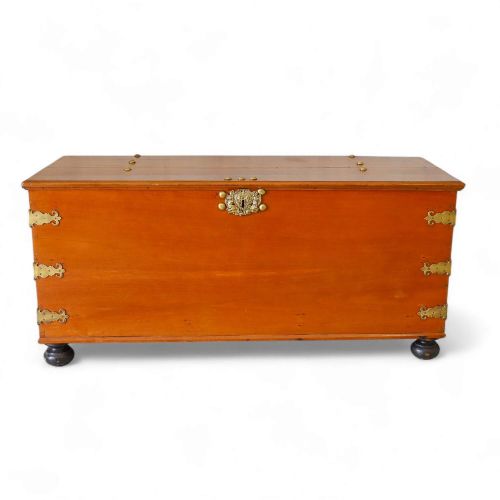
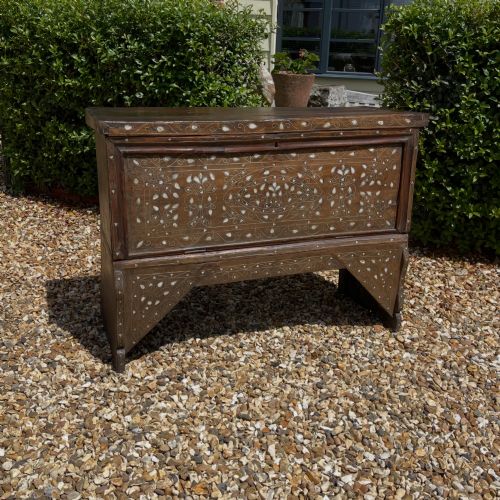
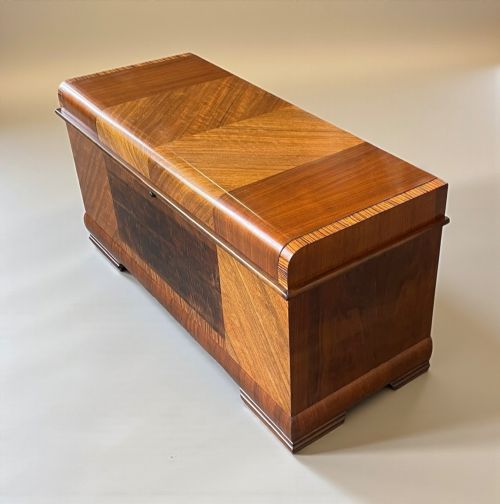
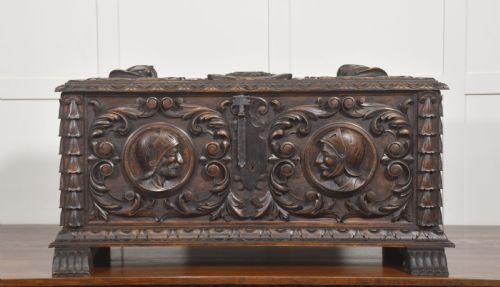
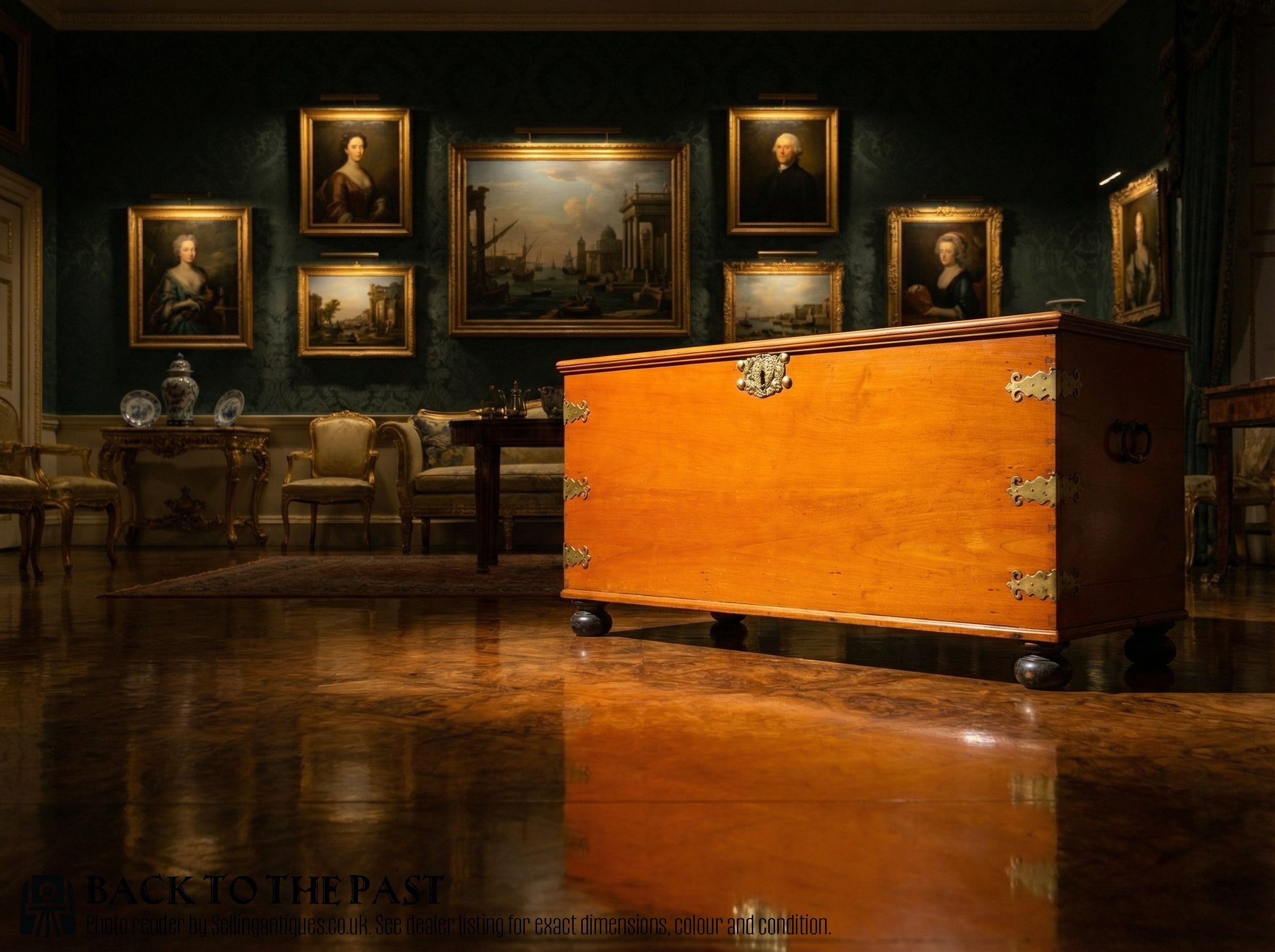
An antique walnut coffer is a heavy wooden storage chest or trunk intended for household possessions, linens, or valuables. You will frequently encounter nineteenth-century and eighteenth-century examples on this page, alongside earlier sixteenth-century specimens.
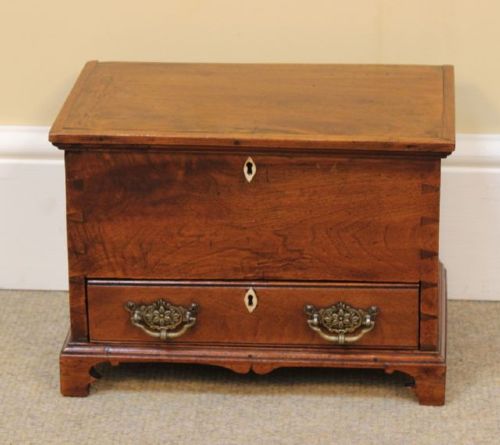
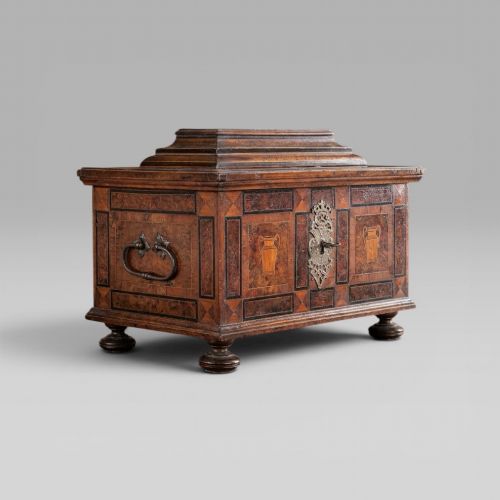
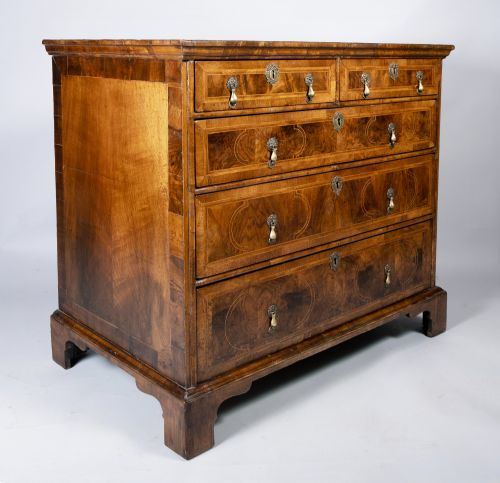
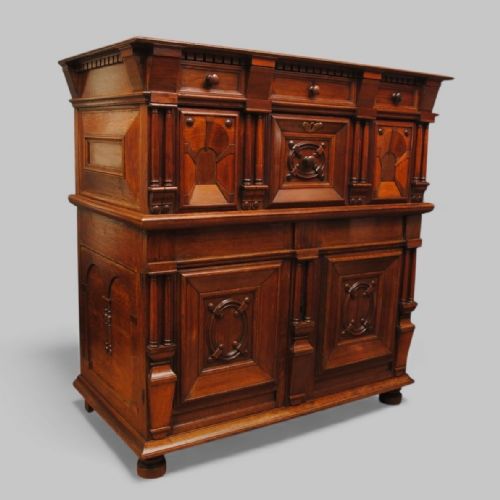
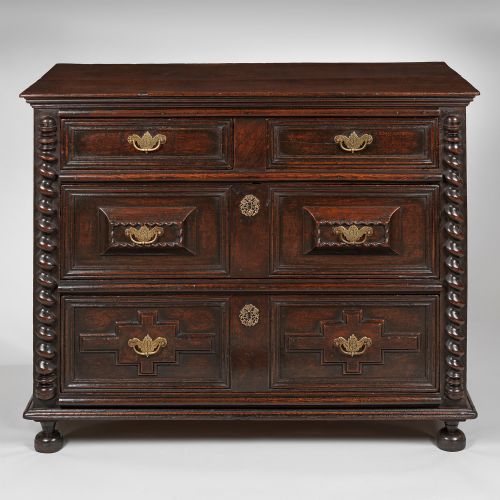
The forms vary from large colonial chests and mule chests to miniature apprentice pieces and dome-topped trunks. Regional variations span English country house pieces, French provincial designs, and continental European works.
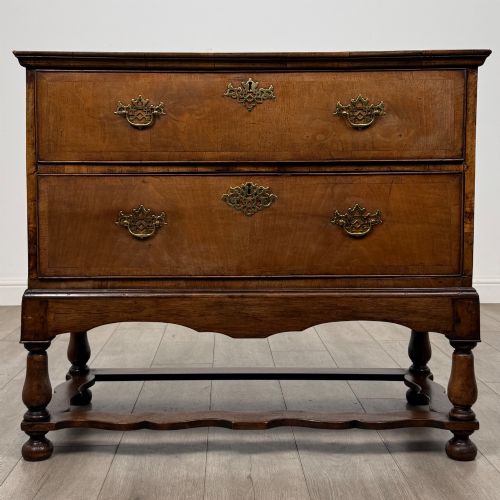
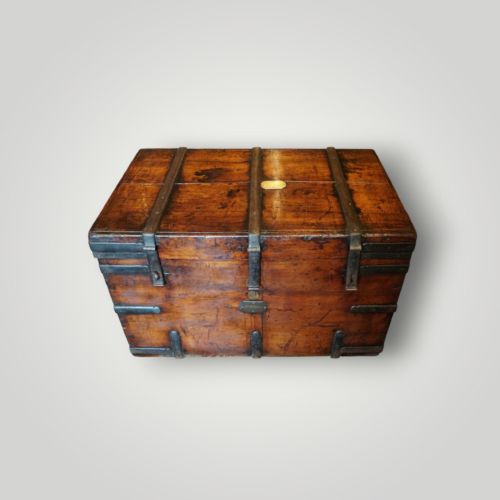
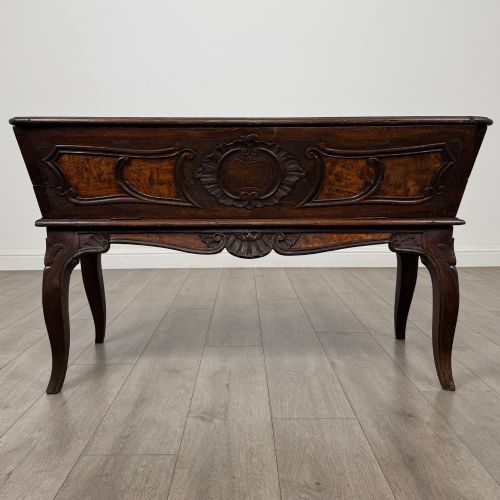
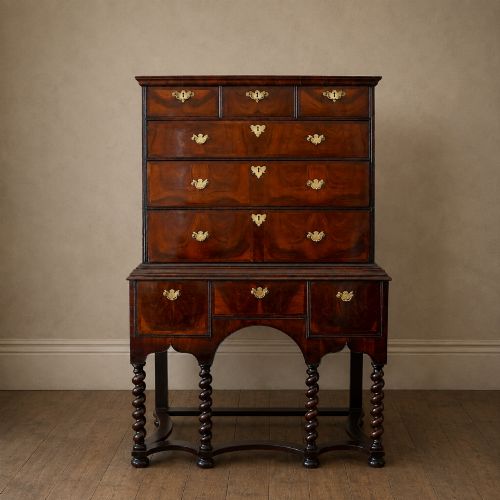
These items served practical domestic functions before evolving into prized decorative furniture. The selection includes specialised forms such as silver chests, dough proving boxes, and chests on stand.
How they were made
Constructed primarily from walnut timber, these pieces frequently incorporate secondary woods like fruitwood and oak. Artisans reinforced heavy lids and structural joints using wrought iron and brass hardware.
Surface decoration relies on natural grain patterns, deep carving in plank construction, and profuse inlaid details. Some continental examples utilise bone accents alongside timber to create contrast.
Joinery methods reflect the period of origin, ranging from simple plank construction in early provincial trunks to sophisticated cabinetry found in George II and colonial pieces.
Retail Price Guide 2026
Typical UK retail prices for walnut coffer, calculated from the Sellingantiques database of over a million retail prices indexed since 2003. This retail price guide relies exclusively on Sellingantiques data; no external sources or auction records are used, so the figures do not describe the wider market.
The listings here span four centuries of craftsmanship, featuring walnut combined with brass, iron, oak, bone, and fruitwood.
What varies in quality
Quality rests in the selection of the timber and the integrity of the original construction rather than decorative excess. Solid red walnut and rich figured grain command attention, distinguishing master carpentry from utilitarian provincial work.
The sophistication of the hardware and inlay work separates standard domestic trunks from high-status commissions. Intricate brass mounts, iron bindings, and precise bone or wood inlay elevate the status of a piece.
The Antique Walnut Coffer Glossary
- Coffer
- A large wooden chest used for storing valuables, linens, or documents. These heavy boxes typically feature hinged lids and sturdy construction.
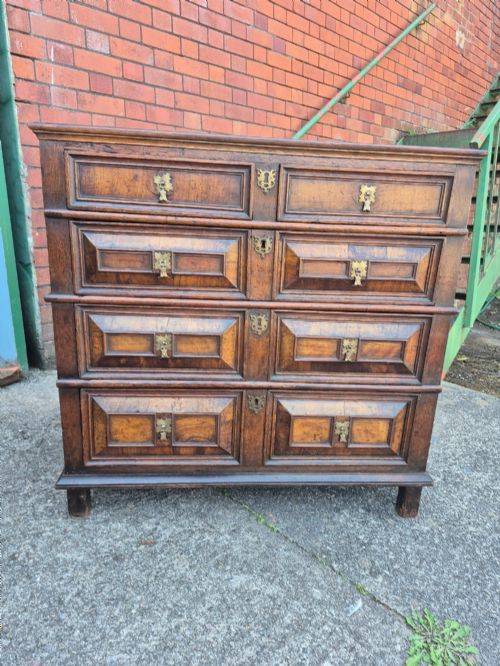
- Mule chest
- A storage chest fitted with one or more drawers at the base beneath the main compartment. This form bridges the traditional coffer and the modern chest of drawers.
- Apprentice piece
- A miniature version of a furniture form created by a craftsman to demonstrate skill. These small items display the same joinery as full-scale furniture.
- Chest on stand
- A case piece elevated upon a distinct supporting frame or table base. This configuration lifts storage off the floor and lightens the visual mass.
- Fruitwood
- Dense timber harvested from fruit-bearing trees used in cabinetry and inlay. Artisans valued this wood for its fine grain and smooth working properties.
Frequently Asked Questions
What is an antique walnut coffer used for?
These chests originally served to store textiles, silver, or household provisions securely in domestic settings.
Today, they function as practical living room or bedroom storage solutions that double as statement furniture.
How do I date an antique coffer?
Dating relies on examining the construction methods, hinges, joinery, and prevailing decorative styles of the period.
Eighty-century and nineteenth-century pieces often exhibit machine-cut elements or different dovetailing compared to sixteenth-century examples.
Where were these coffers made?
Origin points span England, France, Italy, and wider continental Europe, reflecting distinct regional building traditions.
Colonial pieces also appear, demonstrating how European cabinetmaking techniques spread abroad.
How do I care for antique walnut furniture?
Maintain stable indoor humidity levels and keep the timber away from direct heat sources to prevent wood splitting.
Apply traditional wax sparingly to nourish the walnut grain without building up heavy residue.