


Antique Walnut Club Chair
An antique walnut club chair offers deep comfort and solid timber construction, making it a staple for traditional and modernist rooms alike.
Antique Walnut Club Chair
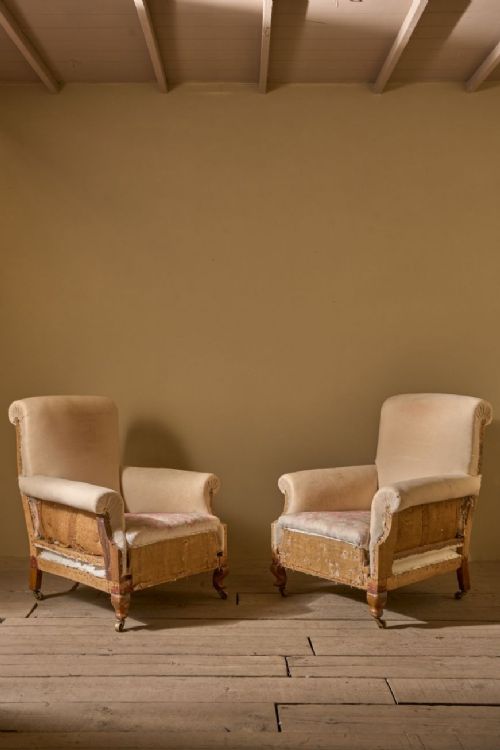
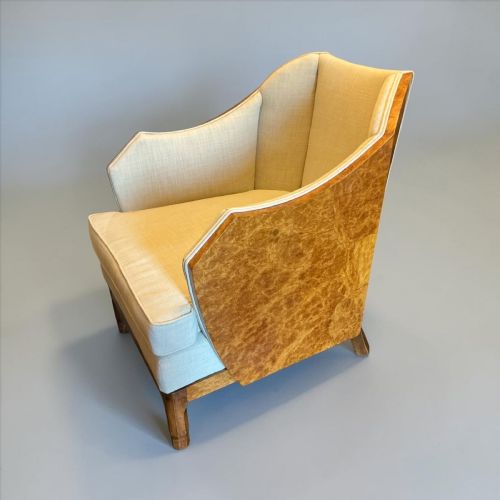
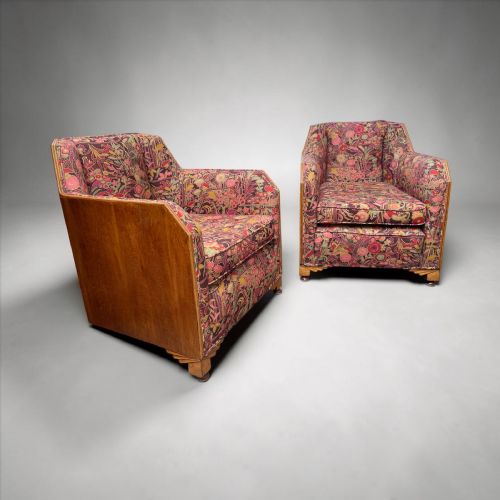
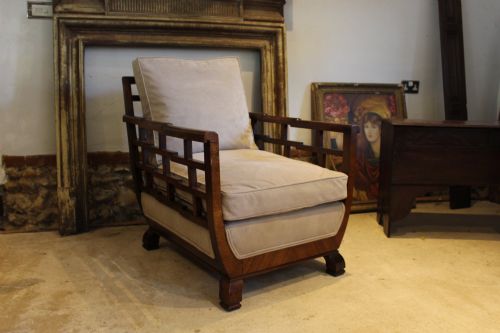
An antique walnut club chair sits firmly in the tradition of heavy, comfortable seating designed for studies, libraries and drawing rooms. When searching this phrase, buyers encounter pieces spanning the nineteenth century, the Edwardian era and the 1930s Art Deco period.
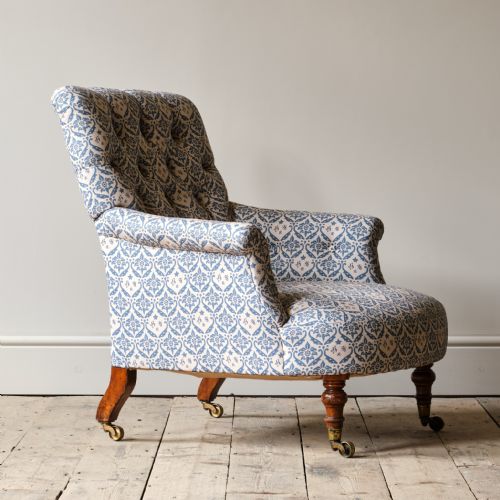
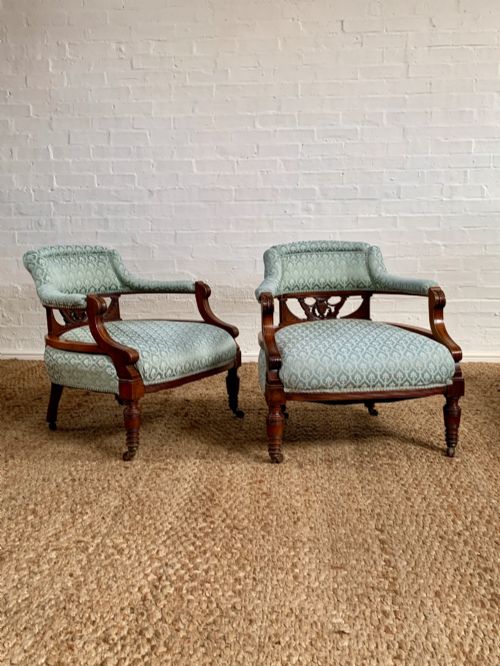
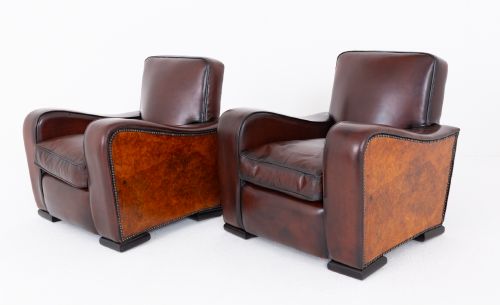
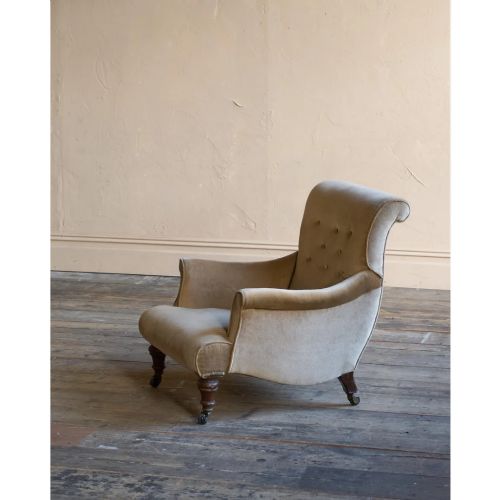
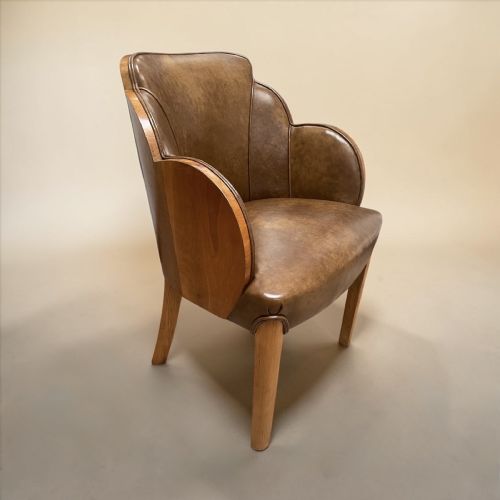
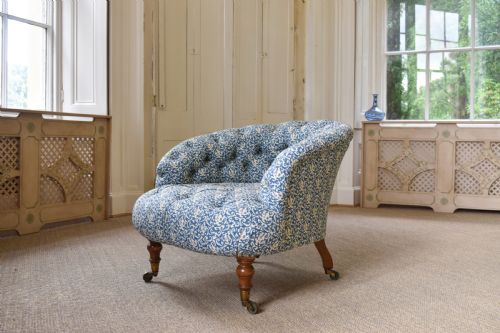
The selections range from nineteenth-century Victorian and Grafton style armchairs to early twentieth-century country house models and streamlined Art Deco lounge chairs. Frames are typically constructed from walnut timber, paired with various upholstery types including leather, fabric, silk and calf suede.
How they were made
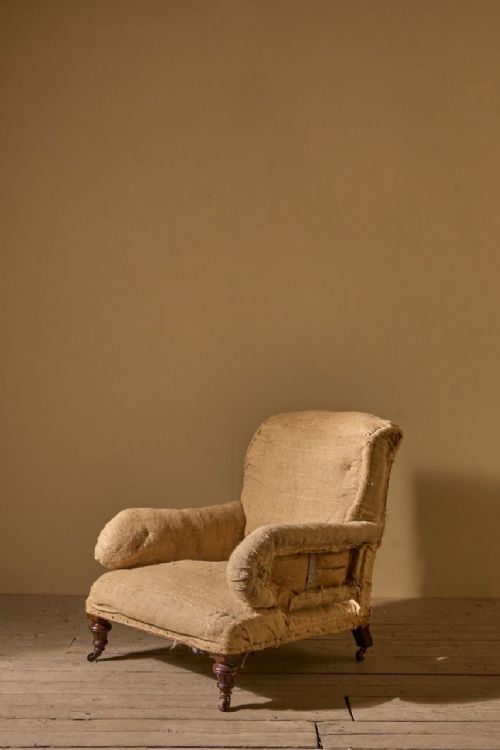
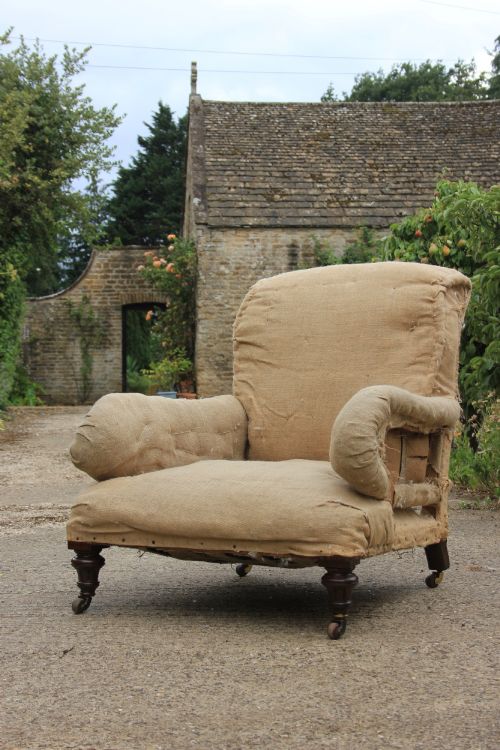
The physical build relies on solid walnut timber frames, sometimes shaped into cabriole legs or scroll backs. Internal stuffing uses traditional materials such as hessian, calico and webbing to support sprung seats.
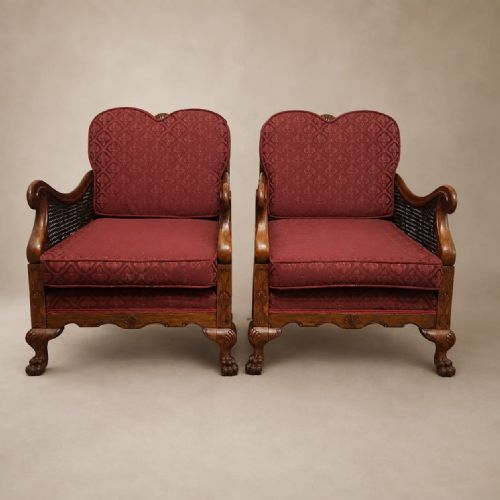
Outer surfaces are finished in leather, silk, velvet or split cane. Metal elements like brass casters or tacks appear alongside wood components to complete the structural assembly.
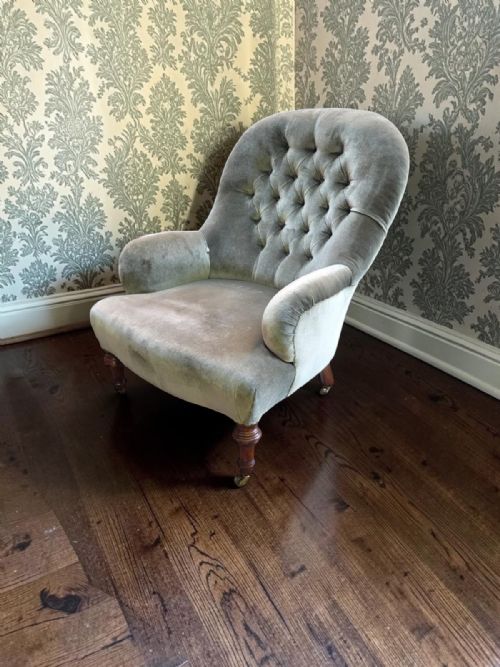
Some armchairs travelled from country houses and libraries straight into modern living rooms with their original button-backed charm intact.
What varies in quality
The standard of an antique walnut club chair depends upon the integrity of the timber frame and the precision of the joinery. Maker attribution also plays a role, with documented workshops commanding distinct attention from collectors.
Upholstery execution and the preservation of original materials influence the overall character of each piece. Whether retaining period leather or recovered in silk, the neatness of execution determines the grade of the chair.
Howard & Sons·Gillows·Shoolbred·SF Cullen
The Antique Walnut Club Chair Glossary
- Walnut
- A hard timber used for furniture frames, valued for its grain and rich brown tone. It lends structural strength while remaining workable for curved chair legs and arms.
- Bergere
- An enclosed upholstered armchair with a wooden frame, frequently featuring cane panelling on the sides or back. This French form provides a lighter visual weight.
- Cabriole leg
- A furniture leg that curves out and then in, mimicking an animal limb. It terminates in a pad, scroll or foot, common on nineteenth-century seating.
- Button back
- An upholstery style where depressions are formed in the padding by pulling buttons or tufts tight through the material. This secures the internal stuffing and creates a textured surface.
Antique Walnut Club Chair: Frequently Asked Questions
What defines an antique walnut club chair?
These pieces are heavy, upholstered lounge seating built on timber frames with deep seats. They are designed for relaxation in studies and libraries.
They appear across various eras, from Victorian designs to 1930s Art Deco forms, utilising materials like leather, fabric and walnut wood.
How do I date a walnut armchair?
Dating relies on stylistic clues, frame shapes and upholstery methods. Victorian models often feature button backs and turned walnut legs, while 1930s examples lean towards geometric Art Deco lines.
Evidence from archives also links specific silhouettes to the mid-nineteenth century and Edwardian periods.
Are these chairs comfortable for daily use?
The deep seats and sprung interiors were originally built for heavy daily lounging. Many surviving examples retain supportive internal webbing and resilient padding.
Some pieces arrive newly upholstered or restored, ready for placement in modern living spaces.
What styles are available in this category?
The selection includes English country house armchairs, French Louis XV style seats and streamlined Art Deco lounge chairs. Variations also encompass tub chairs, wing chairs and compact miniature furniture.
Frames incorporate open arm designs, scroll backs and split cane bergere panels.