
Antique Wall Sculpture
When you search for an antique wall sculpture, you enter a world of carved wood, bronze, and stone designed to project relief directly from domestic architecture.
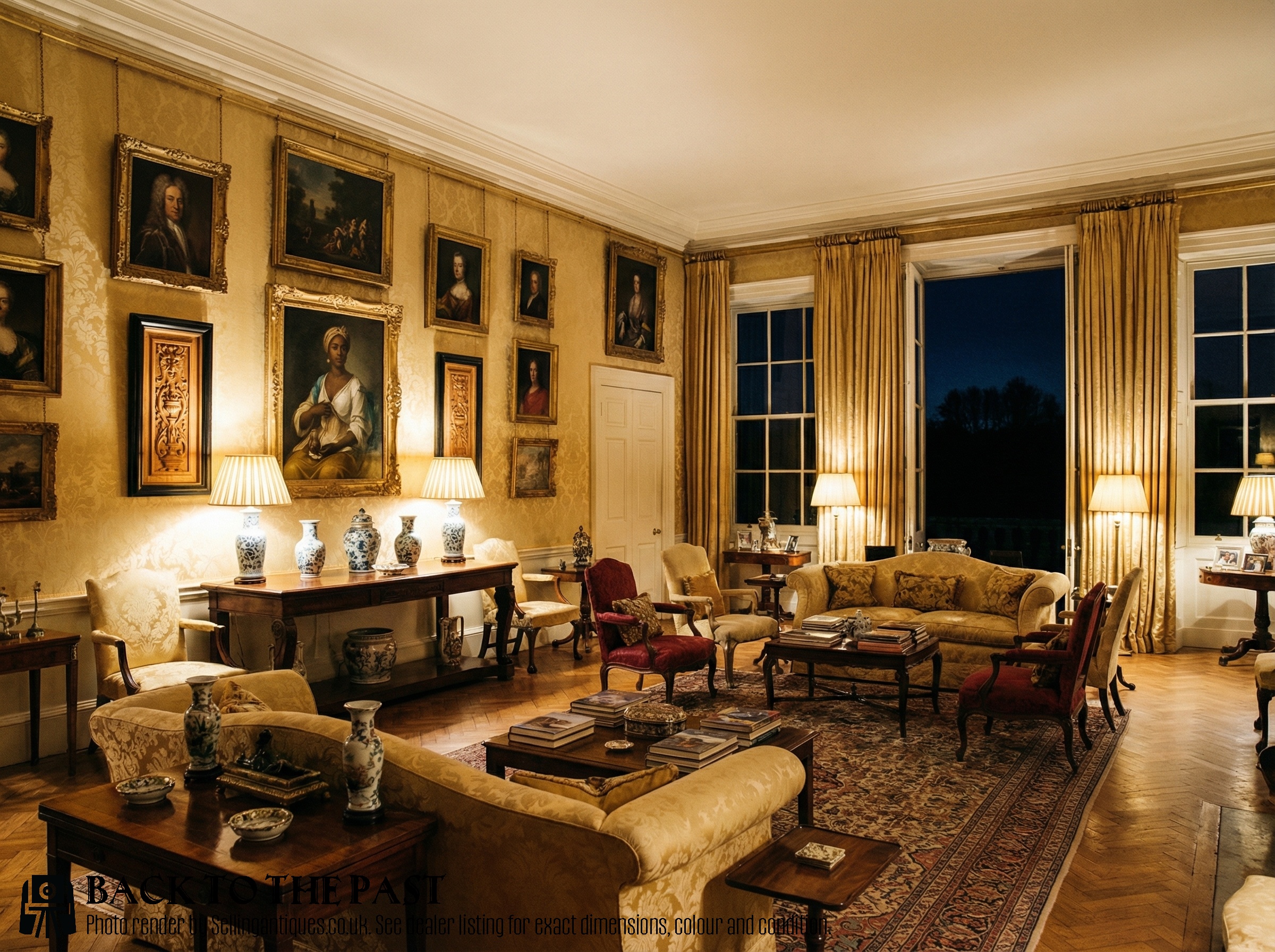
Antique Wall Sculpture
An antique wall sculpture brings three-dimensional form to vertical interior surfaces, moving beyond flat paintings to occupy physical space. When you search for this phrase, you encounter everything from ecclesiastical fragments to domestic decorative plaques spanning several centuries.
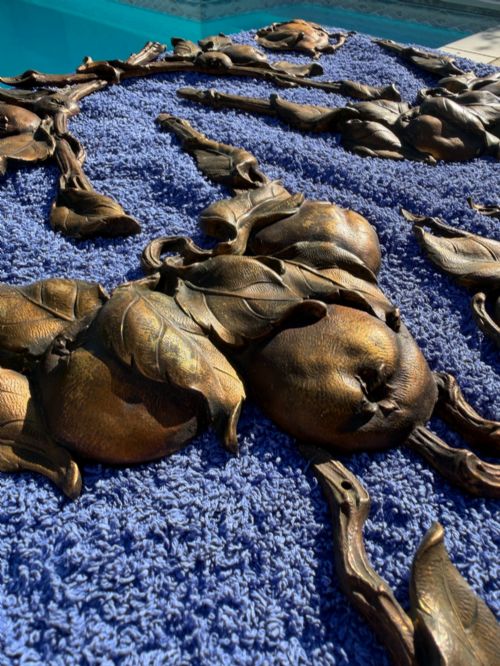
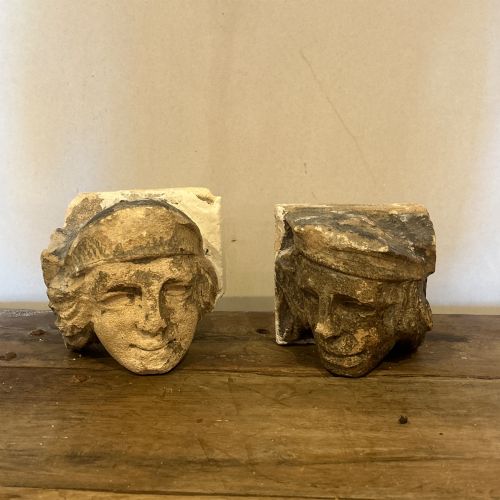
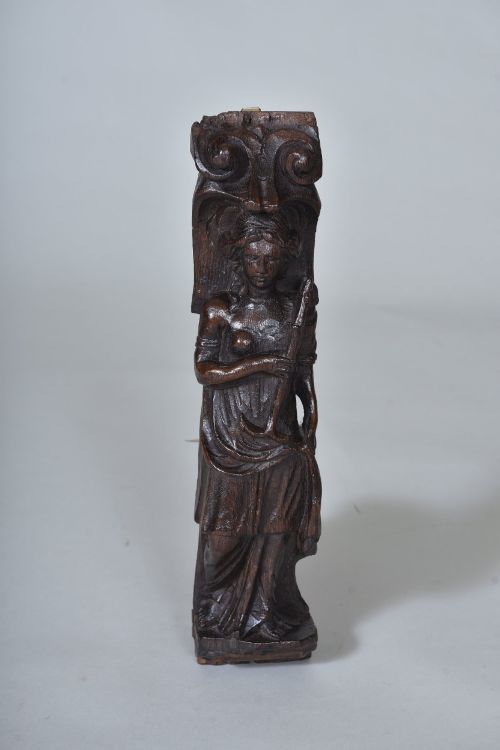
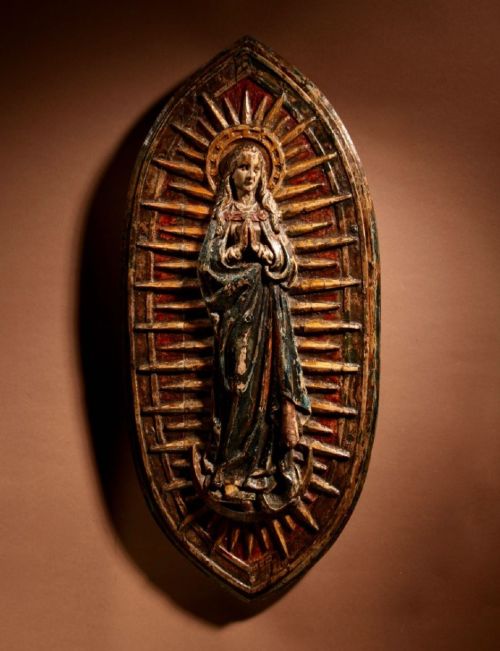
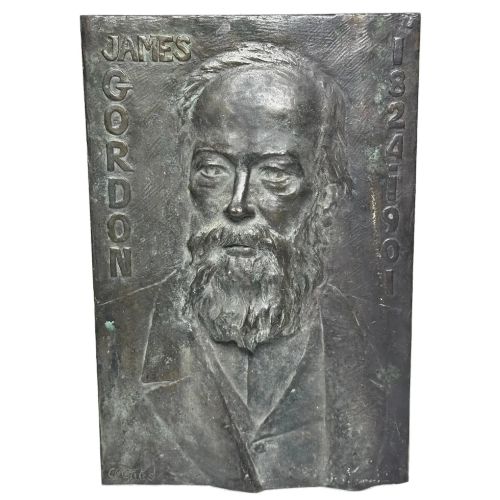
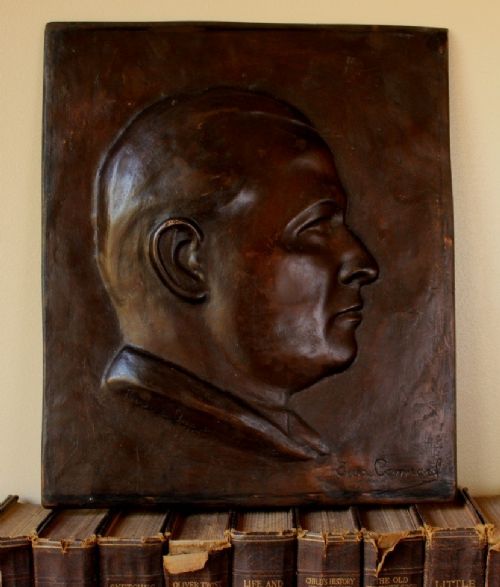
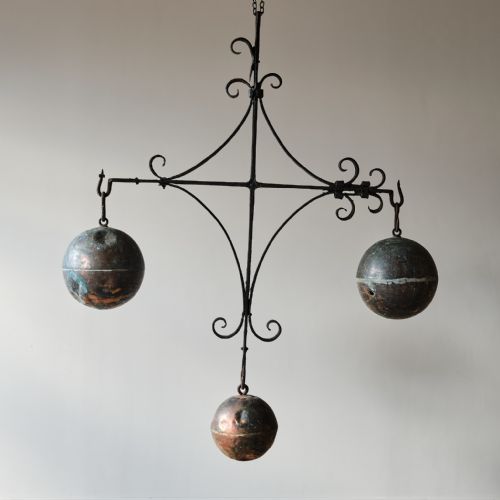
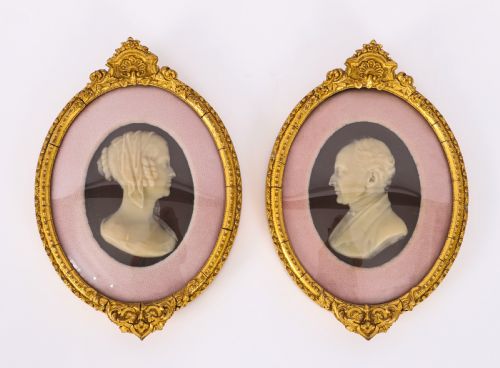
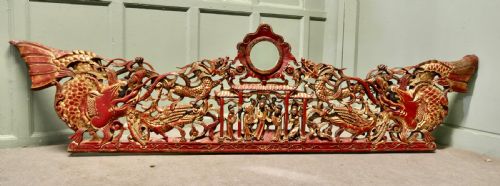
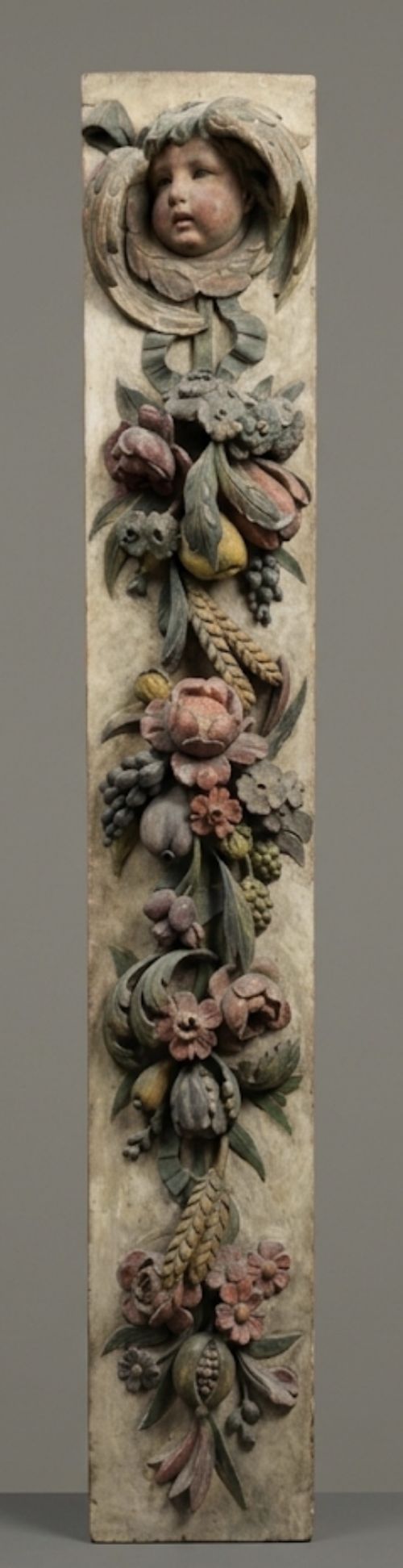
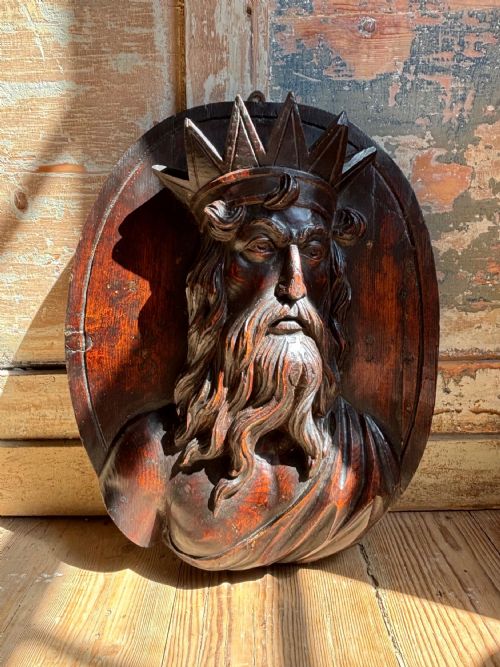
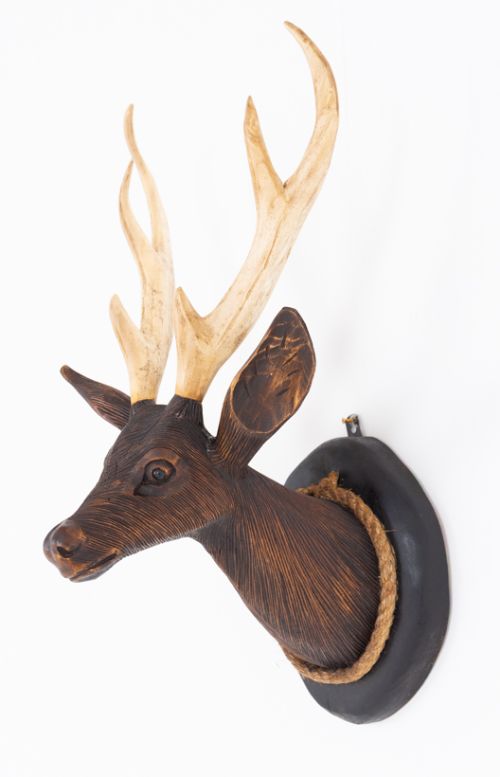
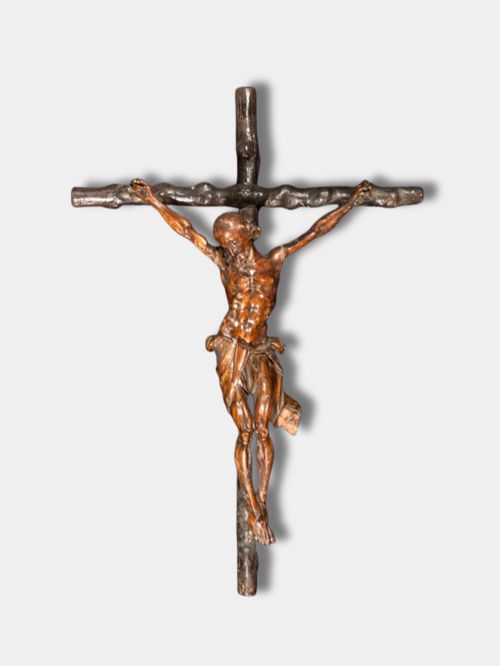
The pieces on this page most frequently appear as carved wooden panels, architectural corbels, and metal relief portraits from the seventeenth, eighteenth, and nineteenth centuries. These objects range from devotional figures and classical profiles to trade signs and hunting trophies.
Makers utilised various traditional formats, mounting high and low relief carvings onto walls to adorn domestic rooms, chapels, and public buildings. The survival of these pieces depends heavily on their original robust construction in oak, bronze, and stone.
Materials and Construction Techniques
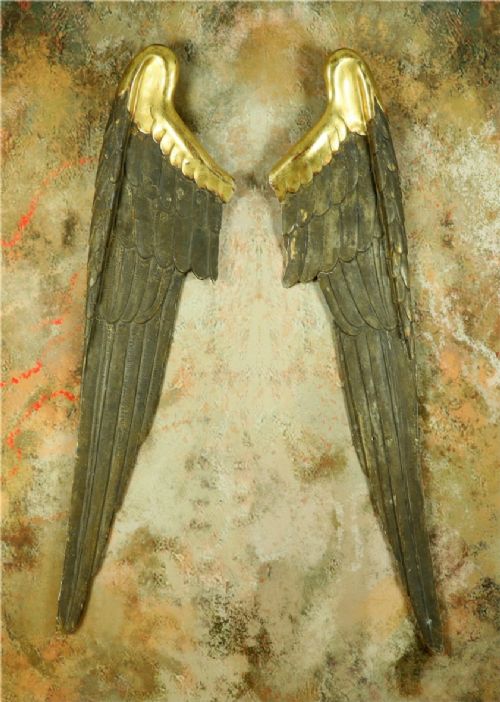
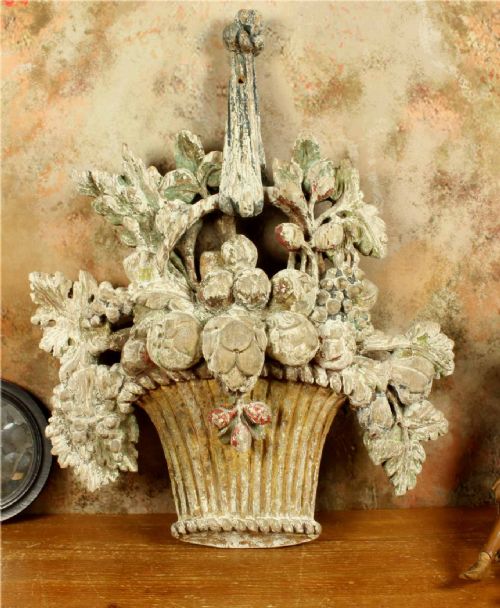
Carved wood forms the foundation of many pieces, utilising timbers such as oak, chestnut, and elm shaped with gouges and chisels. Artisans frequently employed gesso and gold leaf to finish wooden surfaces, adding reflective quality and surface depth.
Distinguishing Quality in Relief Work
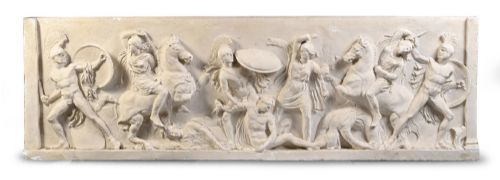
Depth of carving and sharpness of detail separate the finest sculptural panels from more utilitarian architectural salvage. Superior pieces display confident handling of human anatomy, drapery, and expression, whereas lesser examples rely on repetitive, shallow incision.
The integrity of the original material surface dictates long-term appeal, with untouched patinas and original gilding commanding greater appreciation than later overpainting or aggressive cleaning. Artisanal competence is evident in the harmonious proportions of figures and the crisp execution of background fields.
Poix Blin·Alice Gates·Eugene Canneel·Grinling Gibbons·W Roffe
The Antique Wall Sculpture Glossary
- Corbel
- A structural stone or wood bracket projecting from a wall to support a weight above. These architectural elements frequently take figurative or carved forms.
- Gesso
- A plaster mix applied to wood or canvas as a base for painting or gilding. It provides a smooth surface for intricate surface decoration.
- Pediment
- A triangular or curved architectural gable placed above doors, windows, or architectural panels. They often feature elaborate wood carvings and relief sculpture.
- Relief
- Sculptural elements bonded to a solid background that projects the design outward. High relief projects significantly, while low relief stays flatter.
- Polychrome
- Decorated in multiple colours, typically applied to wood or plaster figures. This technique brings historical carved panels closer to life.
Antique Wall Sculpture: Frequently Asked Questions
How were antique wall sculptures originally mounted?
Most pieces were integrated directly into the timber framing or masonry of historic buildings as architectural elements.
Later items often feature bespoke hanging loops or brackets fitted to secure heavier wooden panels and bronze plaques safely to modern walls.
What is the difference between a plaque and a relief sculpture?
A plaque generally refers to a flat, plate-like object intended to commemorate an individual or event, usually featuring low relief.
Relief sculpture describes a broader category where figures project from a backing plane, encompassing deeper three-dimensional modelling.
How do I care for a carved wooden wall sculpture?
Keep wooden and gilded sculptures away from direct heat sources and strong sunlight to prevent timber shrinkage and cracking.
Dust the surfaces gently with a dry, soft brush and avoid applying modern polishes or cleaning liquids that might damage the historic patina.