
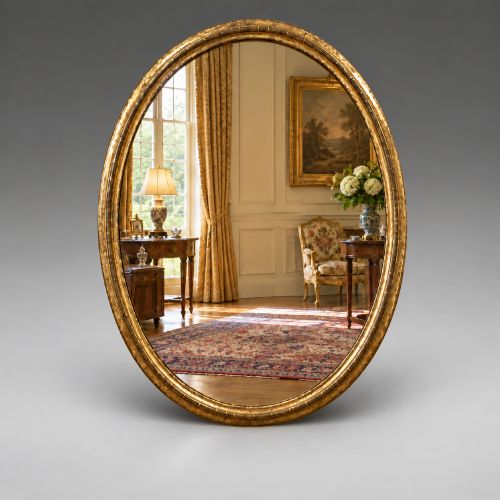
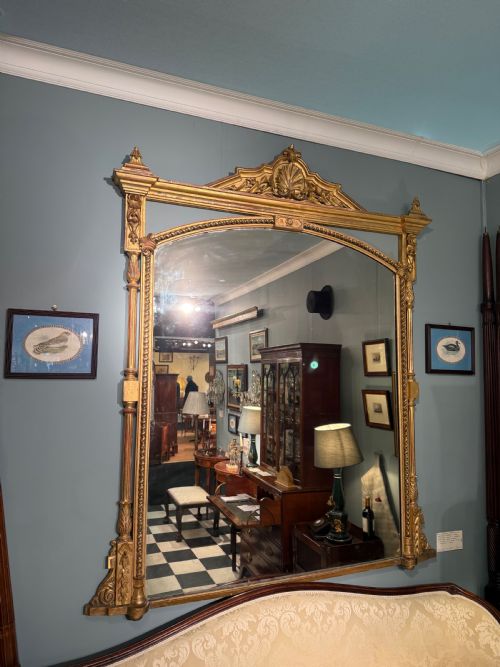
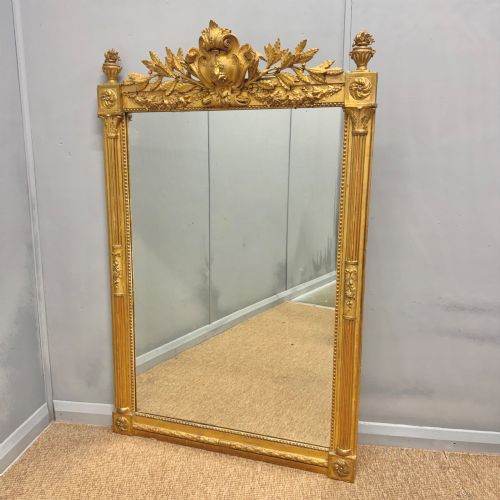
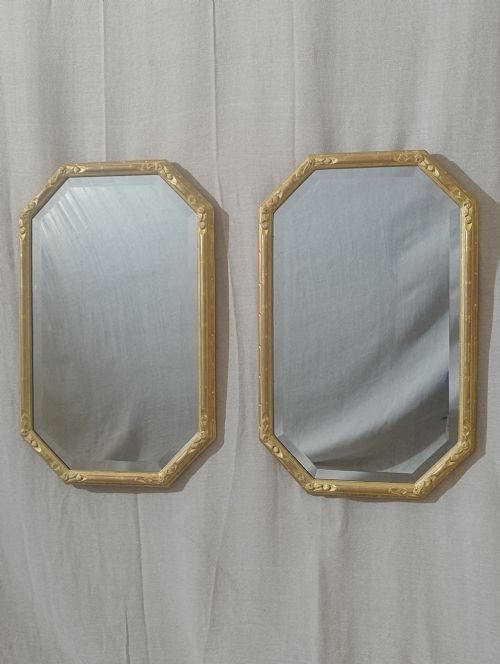
Antique Wall Mirror Frame
When choosing an antique wall mirror frame, you select a functional piece of historical craftsmanship that defines the scale and light of a room.
Antique Wall Mirror Frame
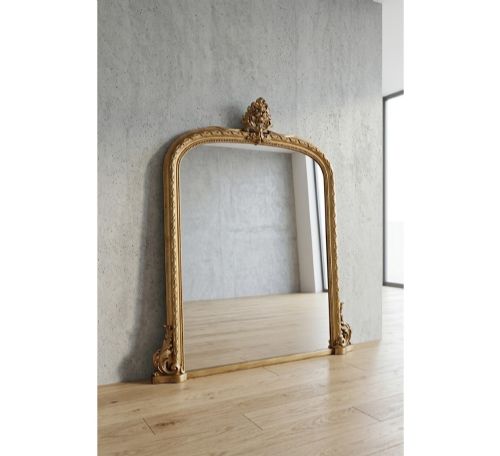
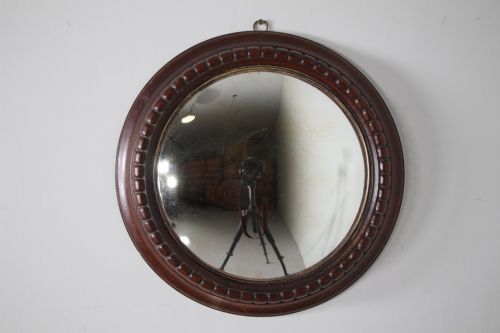
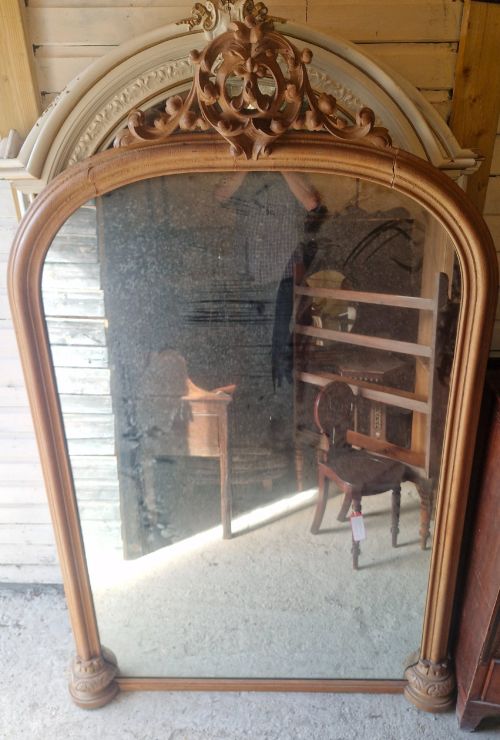
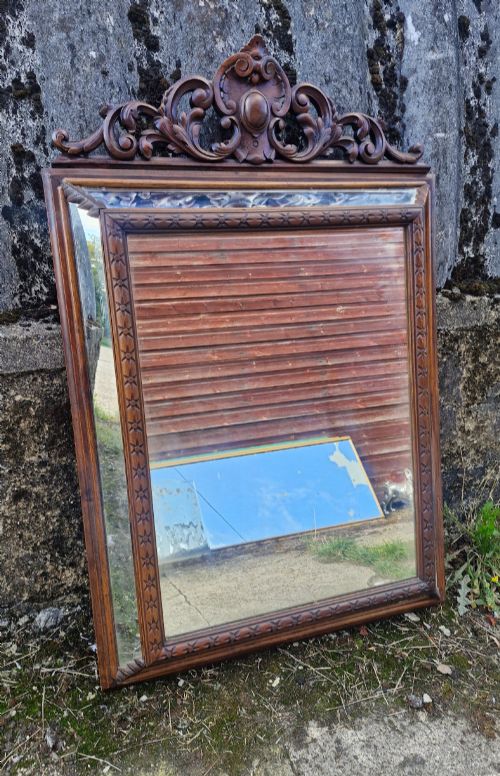
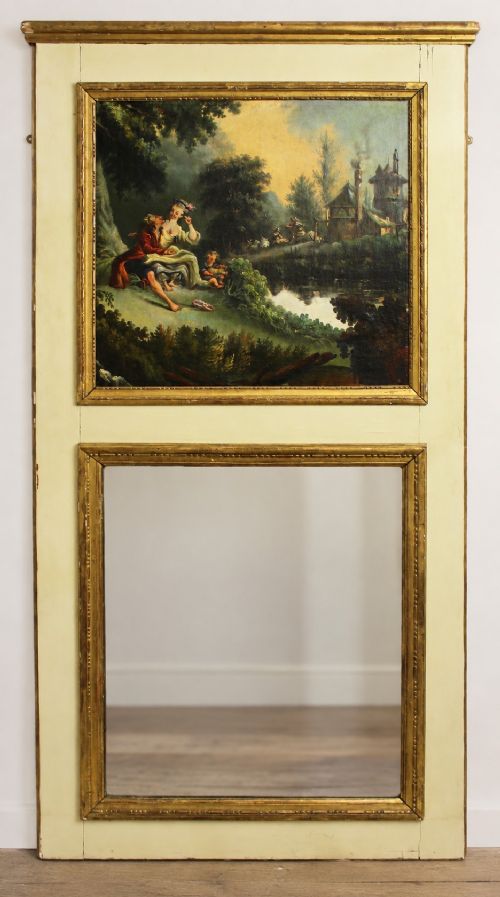
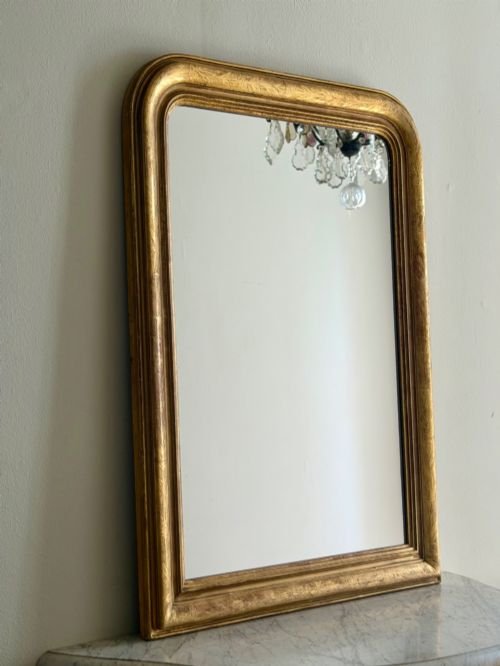
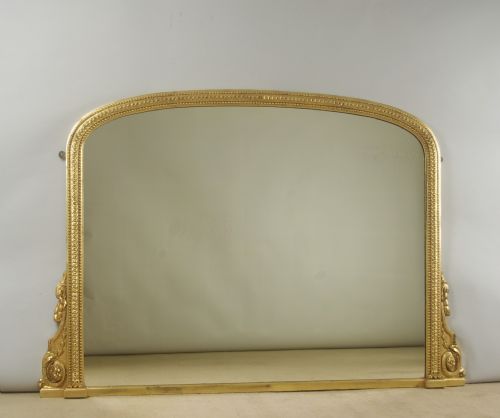
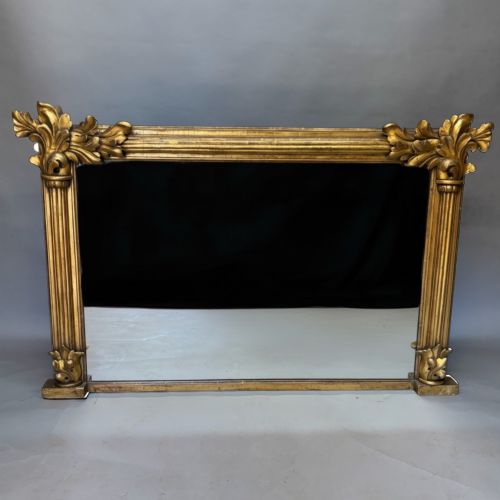
An antique wall mirror frame provides the structural and decorative boundary for glass, spanning diverse historical periods from the eighteenth century through the Edwardian era. Buyers searching for an antique wall mirror frame encounter substantial overmantels designed for chimneypieces, slender pier glasses, trumeau panels incorporating oil paintings, and simpler domestic hanging forms.
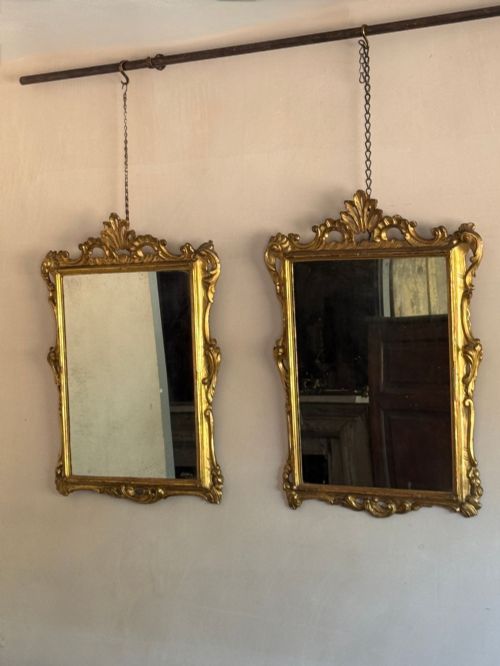
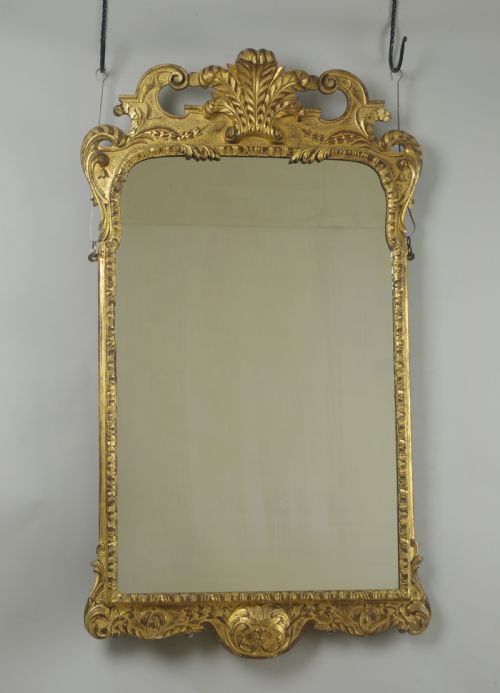
The material expression ranges from heavy carved oak and mahogany to ornate moulded gesso covered in gold leaf. Pieces originate from English country houses and continental workshops, including French chateau designs and Florentine giltwood productions.
Victorian and Regency examples dominate the selection, often carrying deep mouldings, rope twists, or classical Revival motifs. Buyers also find specialised items like fairground fun house mirrors, girandoles with candle arms, and floral painted wall mirrors.
Materials and construction
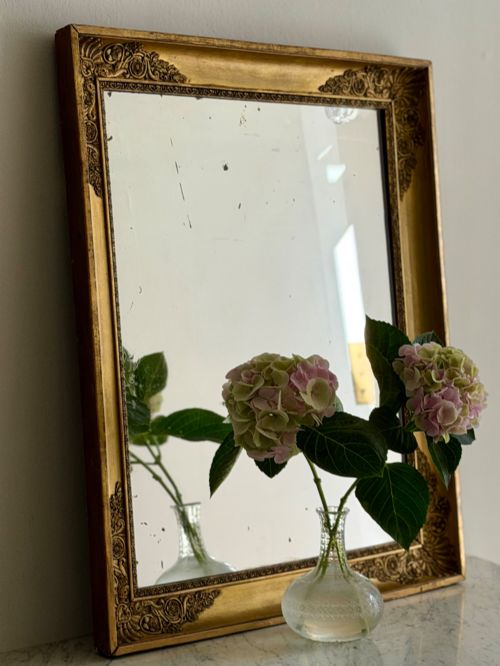
Carvers shaped timber foundations from oak, walnut, mahogany, and maple to form the core structural frame. Artisans applied layers of gesso - a mixture of chalk and binder - over the wood substrate to build up high-relief ornament before gilding.
Gilders applied thin sheets of gold leaf or metal leaf to the prepared surfaces, often burnishing specific areas to create contrast against matte backgrounds. Workshops utilised mercury glass in earlier periods before later industrial processes introduced standard silvered and bevelled mirror plates.
Listings feature eighteenth-century walnut and mahogany pieces alongside nineteenth-century gilt gesso overmantels, Edwardian carved frames, and early twentieth-century oak designs.
Assessment of quality
The depth and crispness of the hand-carved wood and gesso ornamentation separate standard production from superior craftsmanship. Finer frames retain their original gilding and structural integrity without excessive rebuilding of the decorative relief.
The integration of the glass plate matters greatly, with original mercury plates or early bevelled mirror glass adding historical authenticity. Superior pieces display harmonious proportions between the heavy frame and the reflective surface, supported by robust joinery at the corners.
Waring and Gillow
The Antique Wall Mirror Frame Glossary
- Gesso
- A plaster-like material applied to wooden frames and carved or moulded into decorative reliefs before gilding. This mixture of chalk, gypsum, and glue provides the smooth base required for gold leaf application.
- Giltwood
- Timber carved and subsequently covered with gold leaf or metal leaf. It forms the lustrous surface seen on many formal wall mirrors from the eighteenth and nineteenth centuries.
- Overmantel Mirror
- A wide mirror specifically proportioned to hang above a fireplace mantelpiece. These grand pieces often feature landscape formats and heavy decorative crests.
- Pier Glass
- A tall, narrow mirror designed to fit on the wall space or pier between two windows. They frequently incorporate candle arms or matching console tables.
- Trumeau Mirror
- A decorative wall mirror combined with an oil painting or panel situated above the glass. Originating in France, these architectural pieces integrate pictorial art directly into the frame structure.
- Mercury Glass
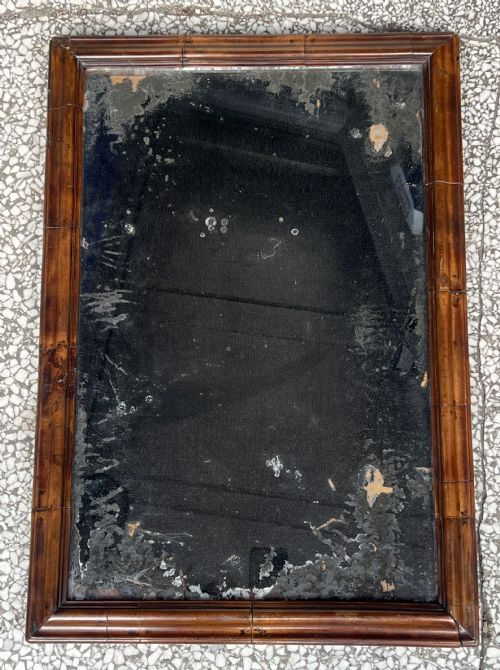
- An early type of mirror glass created by pouring a mercury-tin amalgam behind the glass plate. It produces a characteristic mottled, dark reflection distinct from modern silvering.
Antique Wall Mirror Frame: Frequently Asked Questions
How do I hang a heavy antique wall mirror?
Heavy antique wall mirrors require secure fixing directly into wall studs or masonry using appropriate weight-bearing brackets rather than standard picture hooks. The substantial weight of gesso and timber frames demands robust professional installation to protect the structure.
Ensure the hanging wire or integrated mirror brackets are inspected for strength before mounting. Wall placement should also account for room traffic and direct moisture exposure to preserve the antique frame.
What is an overmantel mirror used for?
Overmantel mirrors were traditionally positioned above drawing room fireplaces to reflect candlelight and natural illumination around the interior space. Their expansive horizontal proportions visually anchor the hearth within the room architecture.
Today, they serve the same function in living spaces, amplifying light and creating a focal point above mantelpieces or low sideboards. Their scale makes them principal statement pieces in period and contemporary interiors alike.
How do I identify a Victorian mirror frame?
Victorian mirror frames often display robust construction utilising heavy gesso ornamentation, deep oak timbers, or ebonised finishes combined with gilt highlights. Stylistic influences span classical revivals, heavy Victorian floral carving, and elaborate architectural mouldings.
Examining the reverse of the frame often reveals period backing boards, hand-cut screws, and construction methods distinct from later twentieth-century manufacturing. The weight and density of the gesso work also point directly to nineteenth-century workshop practices.
Can antique mirror glass be replaced?
Original mirror glass often exhibits foxing, dark spots, and characteristic distortion that collectors value as proof of age. Replacing the glass is sometimes necessary if the original plate is severely damaged or missing entirely.
When replacement occurs, workshops frequently source period-appropriate or lightly aged mirror plates to maintain the visual harmony of the antique frame. Preserving original glass remains the preferred choice for historical integrity whenever possible.