



Antique Wall Art Decoration
These antique wall art decoration pieces bring historic portraiture, folk art textiles and framed cartography straight into modern rooms.
Antique Wall Art Decoration
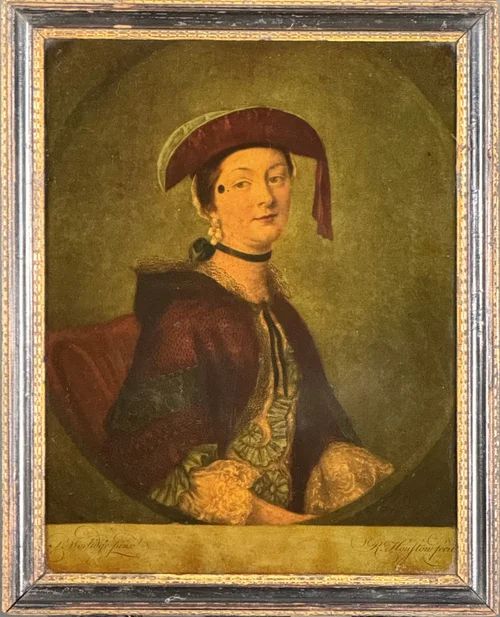
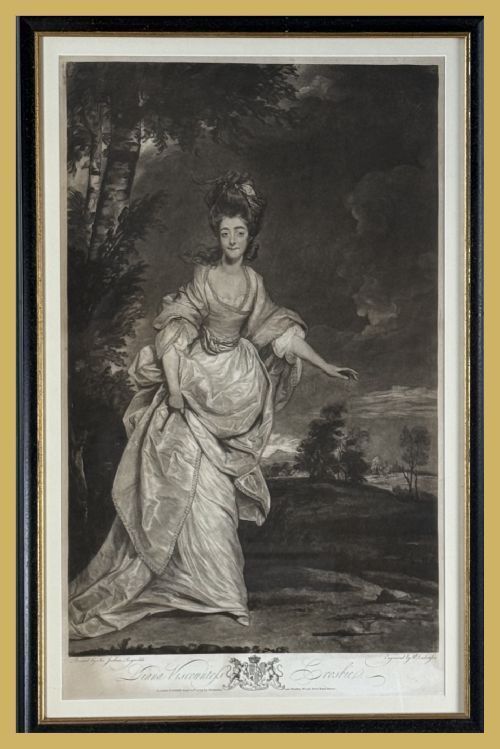
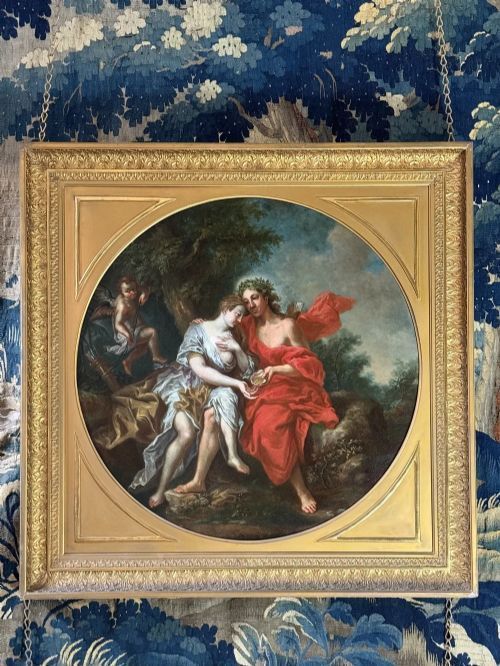
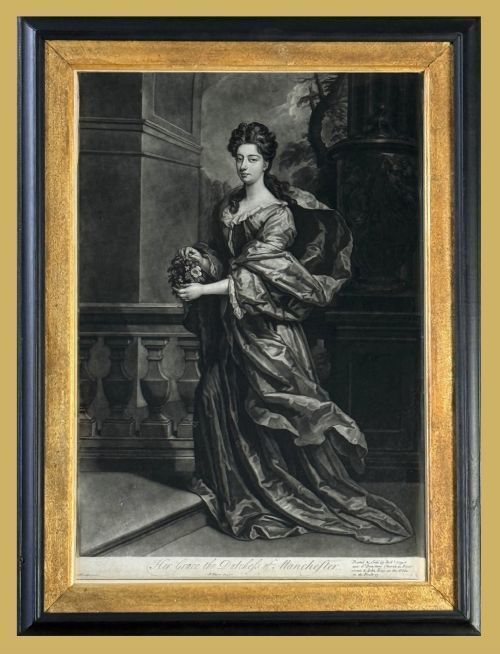
When buyers search for antique wall art decoration, they encounter a diverse range of items spanning from the eighteenth century to the early twentieth century. The selection encompasses framed prints, oil paintings, reverse glass mezzotints, and various tribal textiles intended for hanging. Georgian and Victorian periods provide formal portraits and cartography, whilst later decades introduce folk art panels and mirrors.
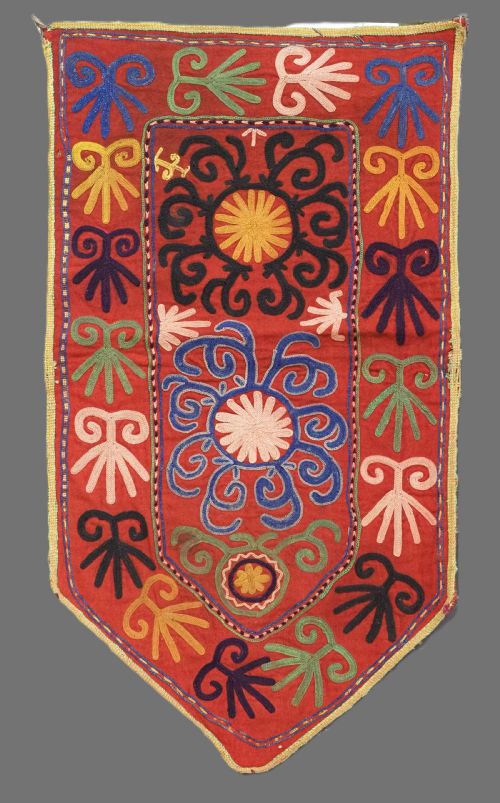
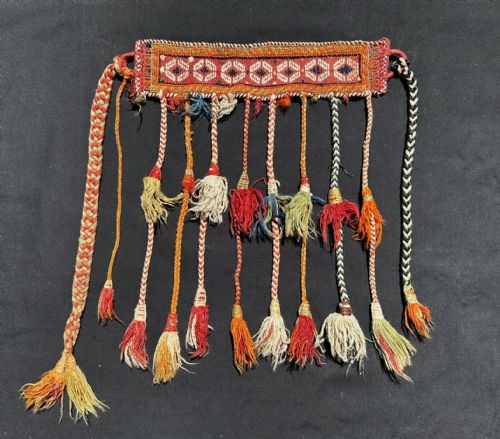
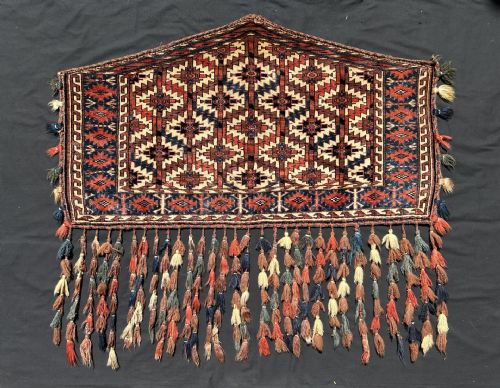
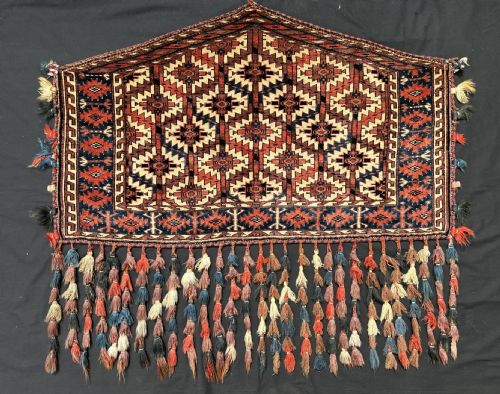
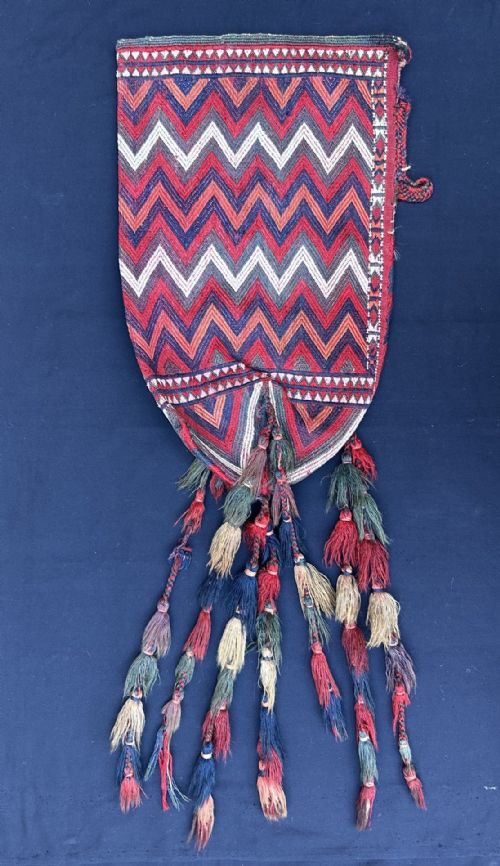
Tribal weavings from Central Asia and Persia feature prominently alongside European works on paper and wood. Pieces such as Uzbek embroidered bed decorations, Yomut asmalyks, and Qashqa'i horse decorations represent nomadic traditions designed to ornament domestic interiors and tents. Alongside these textiles, British and continental oil paintings, lithographs, and carved architectural fragments complete the diverse visual array.
How They Were Made
Makers utilised traditional mediums such as oil paint, paper, wool, cotton, and silk, often housed within frames of oak, mahogany, or gilt wood. Mezzotints and prints required precise engraving techniques on metal plates before transfer onto paper, sometimes combined with reverse glass painting methods. Tribal textiles relied on hand-spun wool, cotton foundations, and intricate silk embroidery or feltwork.
Carpentry and metalworking skills shaped rigid decorative elements, visible in carved wooden mirror frames, sheet metal fairground panels, and Welsh slate hearth pieces. Gold leaf application enhanced frames and specific pictorial details, whilst natural dyes coloured the tribal wool and silk yarns used in nomadic hangings.
The inventory includes tribal textiles, framed cartography, oil paintings, and reverse glass prints from British, European, and Asian origins.
What Varies in Quality
The standard of execution in the painted and printed works depends upon the crispness of the plate impression and the depth of the pigment. Master engravers and notable artists achieved superior tonal gradations and expressive line work that elevate standard portraits into significant historical documents.
For textile and wooden pieces, quality rests in the density of the weave, the preservation of natural dyes, and the integrity of the original framing or mounting. Hand-carved details on architectural fragments and tribal embroideries show distinct levels of artisan skill and symmetry that distinguish finer examples from simpler production.
Charles Spooner·W Dickinson·Watson·Sir Joshua Reynolds·Charles-Antoine Coypel·John Faber Jr·Sir Godfrey Kneller·Mintons·Victor Adam·Eduard Veith·Salviati
The Antique Wall Art Decoration Glossary
- Mezzotint
- A printmaking process where the copper plate is roughened to produce dark tones and scraped down to create lighter areas. This technique allows for subtle tonal variations particularly suited to portraiture.
- Asmalyk
- A five-sided ornamental trapping produced by Yomut and other Turkmen tribes, traditionally hung on the flanks of a camel during wedding processions. These wool and silk textiles display rich geometric patterns.
- Oleograph
- A type of chromolithography produced on canvas to simulate an oil painting through textured rollers and layered inks. These emerged in the nineteenth century as an accessible alternative to original canvases.
- Latticinio
- A Venetian glassblowing technique involving opaque white or coloured glass threads encased within clear glass. Salviati workshops in Venice popularised this intricate linear style during the nineteenth century.
- Ok Bash
- A decorative felt or textile cover used by Central Asian nomads to shield the wooden struts of a yurt from soot and weather. They frequently feature embroidery and horse hair tassels.
Antique Wall Art Decoration: Frequently Asked Questions
How were asmalyks used?
Nomadic tribes utilised asmalyks as decorative trappings suspended from the flanks of camels during ceremonial wedding processions. They formed part of the bride's dowry display.
Once celebrations concluded, families hung these woven textiles inside the yurt as interior wall decorations.
What is a reverse glass print?
Artists created reverse glass prints by painting the image directly onto the underside of a glass pane, working backwards from fine details to background layers. The glass surface protects the pigment from atmospheric dirt.
When viewed from the front, the transparent glass provides a glossy finish that enhances the depth of colour.
How do I date a framed print?
Datation relies on examining the paper type, printing technique, plate marks, and the framing materials used. Eighteenth-century works often employ hand-laid paper and early mezzotint methods.
Original frames, backing boards, and historical inscriptions or tax stamps further confirm the production period.
Where were tribal wall hangings made?
Nomadic groups across Central Asia, including Yomut, Ersari, and Lakai tribes, produced these decorative textiles in regions spanning Turkmenistan, Uzbekistan, and Persia. Weavers utilised locally sourced wool, cotton, and silk.
These communities created them to enrich their portable dwellings with colour and tribal identity.