



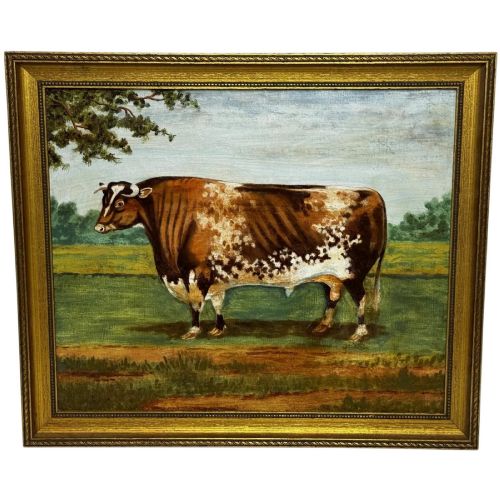
Victorian Gilt Framed Portrait
When you select a victorian gilt framed portrait, you are acquiring a period likeness housed within a decorative gilded surround.
Victorian Gilt Framed Portrait
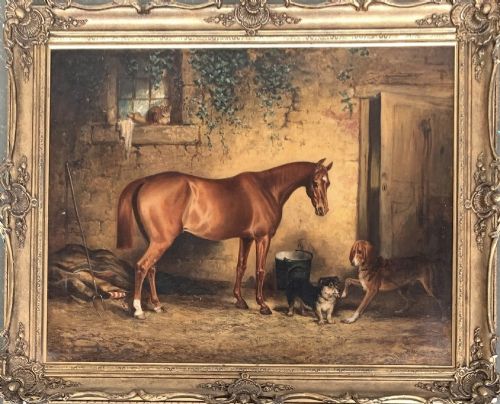
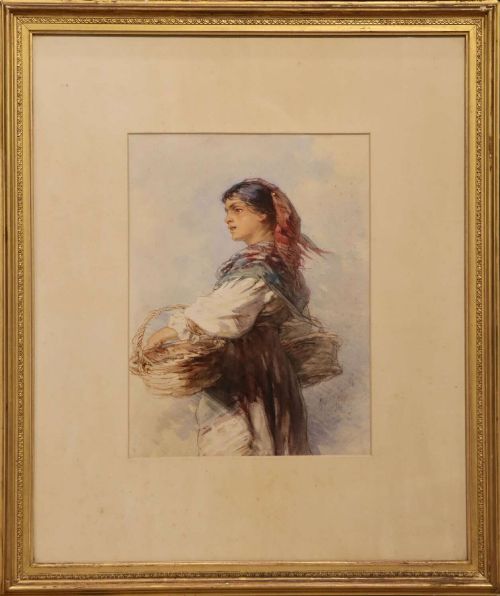
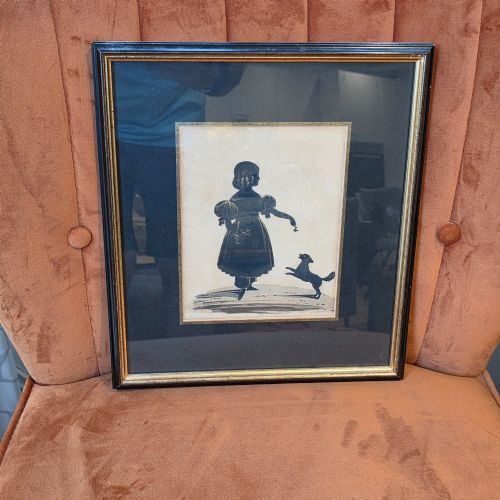
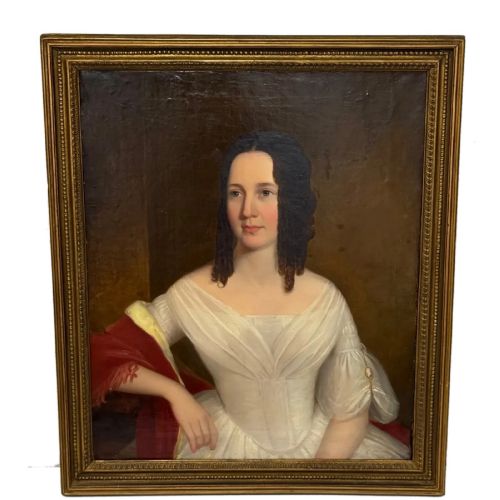
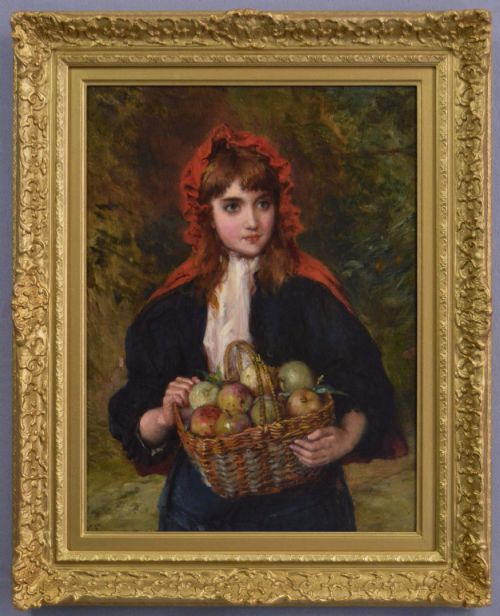
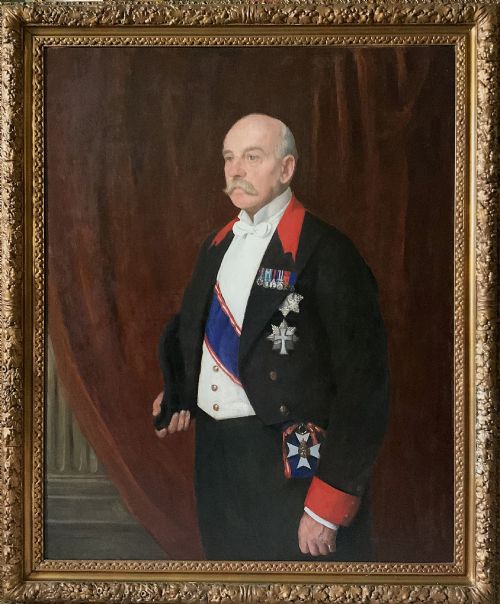
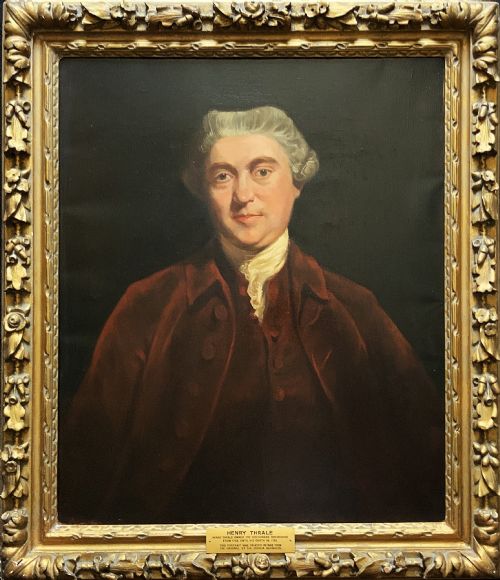
A victorian gilt framed portrait typically presents a painted likeness on canvas, board, or paper, secured inside an ornate wooden housing finished with gold leaf or metallic paint. These items originate predominantly from the nineteenth century, encompassing various academic, realistic, and regional British or European schools.
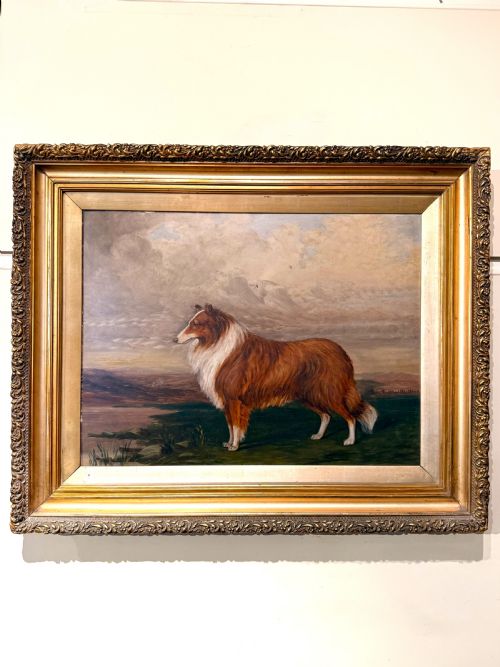
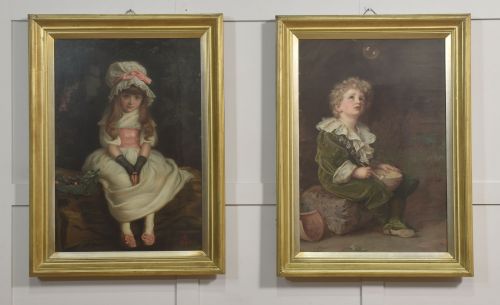
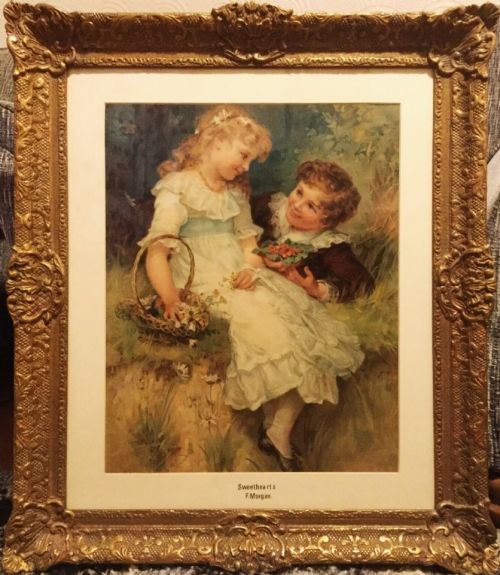
The subjects range from formally posed gentlemen and seated ladies to children, animals, and military officers. You will frequently encounter oils executed on canvas alongside framed prints, watercolours, and needlework panels retaining their original gilded enclosures.
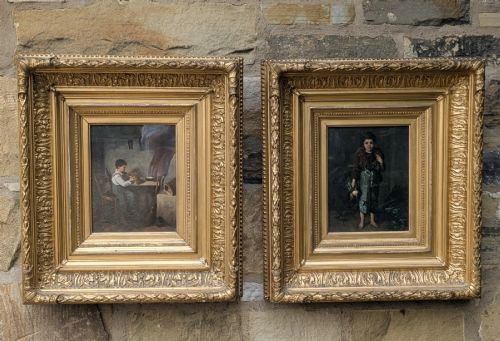
Makers and artists working across this period utilised traditional portraiture conventions, capturing sitters in domestic, rural, or studio settings. The surrounding frames often display moulded gesso details, ranging from simple lambs tongue profiles to heavy revival moulding.
Materials and construction
The primary supports consist of woven canvas stretched over wooden strainer frames, or occasionally wooden panels and heavy paper sheets. Artists applied oil paint or watercolours using bristle brushes, building up flesh tones, garments, and backgrounds through layered pigments.
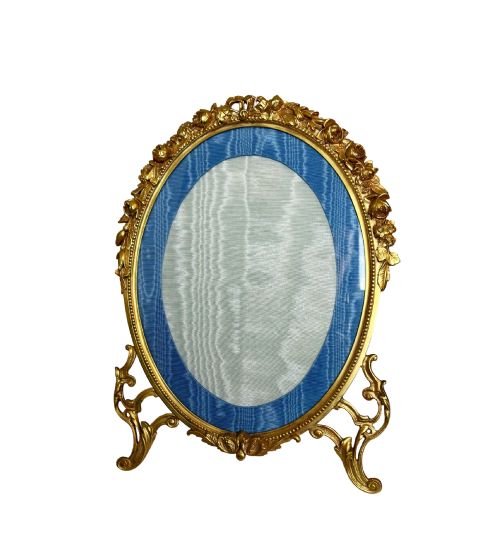
Frames are constructed from timber carcases, such as pine or hardwood, coated in gesso - a mixture of chalk and binder - which was carved, stamped, or moulded into decorative relief patterns. This plaster layer received a coating of gold leaf or metallic pigment to achieve the characteristic reflective finish.
Object types include oil paintings, framed prints, and portrait reliefs associated with 19th century British and European schools.
Understanding quality differences
Quality rests heavily on the technical skill demonstrated in the brushwork, particularly the rendering of hands, facial expressions, and textiles by the artist. Finer examples display precise anatomical proportion and subtle tonal graduation, whereas simpler works lean towards a stiffer, naïve execution.
The construction and depth of the frame also dictate the grade of the piece, with deeply moulded gesso relief and intact original gilding holding greater decorative presence than flat, plain wooden mouldings.
William James Hubard·William Oliver·John Maler Collier·William McAlpine·Frederick Morgans·Vittorio Reggianini·Leon Sprinck·Samuel De Wilde·Albert Clark·W R Waters·G J Bary·Martin Theodore Ward·Howard Helmick·Adelaïde Salles-Wagner·Max Kaltenmoser
The Victorian Gilt Framed Portrait Glossary
- Gesso
- A plaster-like preparation used as a base for moulding ornamental details on wooden frames before gilding. It allows for crisp relief work along the borders.
- Giltwood
- Timber that has been coated with thin sheets of gold leaf or metallic powder. This finish provides the characteristic golden sheen seen on period frames.
- Oil on Canvas
- A painting technique using pigments suspended in a drying oil applied to a woven fabric support. This combination forms the bulk of traditional portraiture.
- Naive
- A term describing art produced by self-taught creators who bypassed formal academic training. These pieces often exhibit flat perspective and direct charm.
- Pastel
- A dry drawing medium composed of powdered pigment and a binder, pressed into stick form. Works executed in this medium require glass protection.
Victorian Gilt Framed Portrait: Frequently Asked Questions
How do I clean a gilt frame?
Dust the gilded surface gently using a soft, dry brush to remove settled particles without disturbing the underlying finish. Avoid applying water, chemical sprays, or abrasive cloths that can strip the metallic leaf away from the gesso.
Inspect the corners and moulded relief carefully to ensure no loose flakes are brushed away during maintenance. Professional conservation is recommended if the surface shows active flaking or heavy structural damage.
Are these portraits original period pieces?
The items listed originate primarily from the nineteenth and early twentieth centuries, utilising period materials such as hand-stretched canvas, timber, and gesso. Many retain their original frames, documenting the framing styles popular during the Victorian era.
Examine the back of the canvas, stretcher bars, and frame construction for signs of age, including oxidised nails, darkened wood, and handwritten inscriptions. These physical markers help confirm the historical context of the artwork.
Where should I hang my portrait?
Select an interior wall away from direct sunlight and damp environments to protect the canvas, paper pigments, and wooden frame from fading or warping. Stable room temperatures preserve the structural integrity of both the artwork and the gilded housing.
Ensure the wall fixings match the weight of the piece, particularly for larger oil paintings housed in heavy timber and gesso frames. Secure hanging wire or sturdy brackets directly into wall studs for safe display.
Can I identify the sitters?
Some portraits include handwritten inscriptions, paper labels, or artist signatures on the reverse of the canvas or frame that reveal the sitter's identity. Researching the artist or documented sitters from the period can provide additional biographical context.
Many Victorian portraits depict private individuals whose names were lost over time, leaving the work to be appreciated purely for its artistic execution and historical costume. Such pieces offer a glimpse into past fashion and social standing without a specific personal history.