





Antique Vienna Clock Case
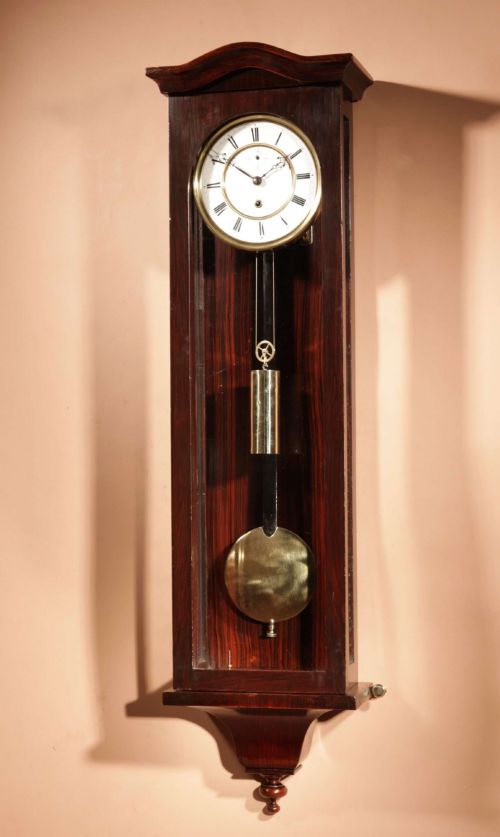
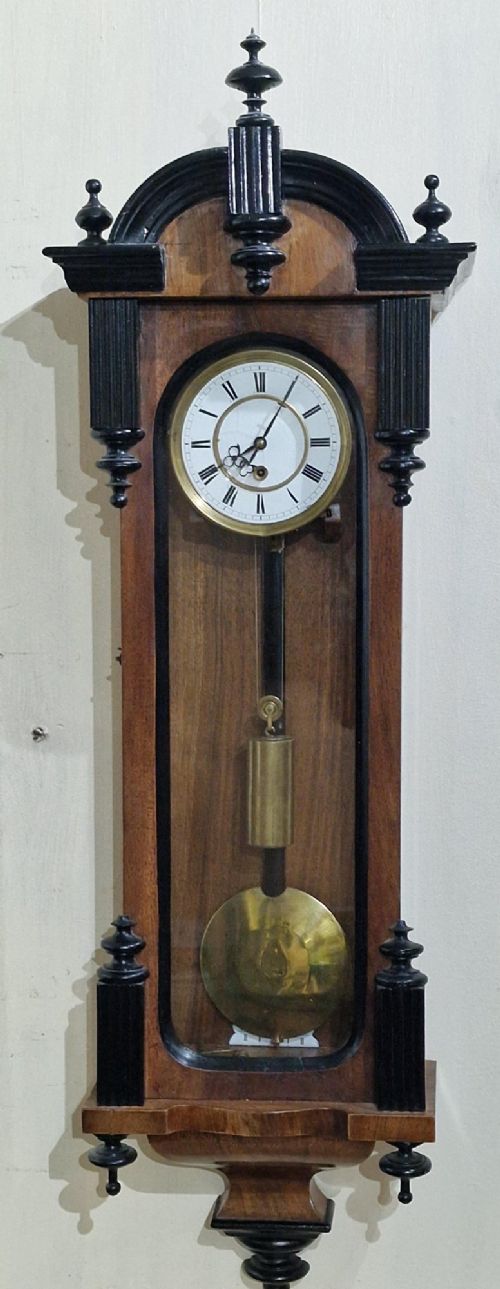
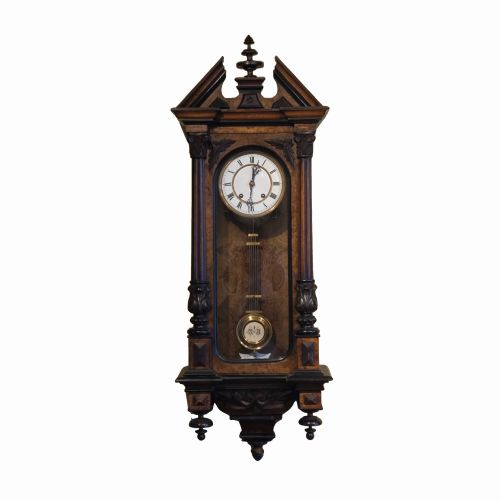
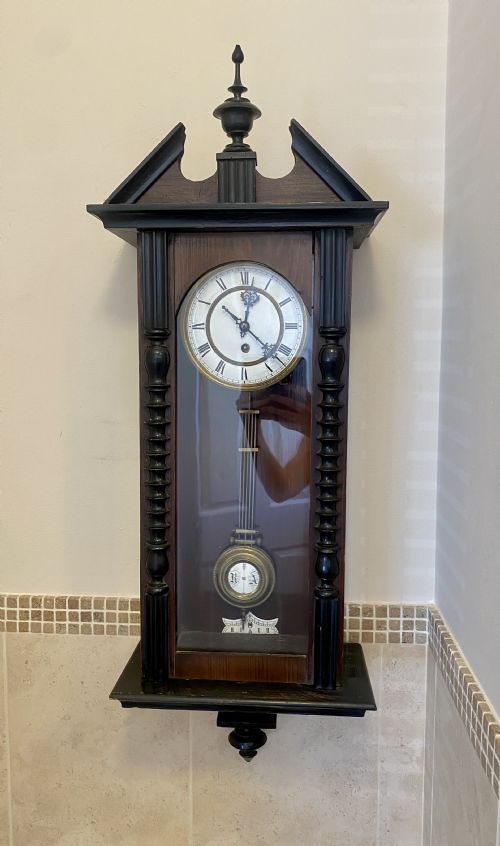
An antique vienna clock case houses precision movement within walnut, mahogany, or ebonised wood, offering collectors a striking focal point for interior display.
Antique Vienna Clock Case
The antique vienna clock case encompasses wall clock housings originating from the nineteenth century, spanning periods from eighteen fifty to eighteen ninety and the Victorian era. These enclosures protect intricate mechanisms designed to keep precise time, serving both a functional purpose and a decorative role in domestic spaces.
Collectors will encounter forms rooted in the Vienna Regulator and Biedermeier styles, including Austrian Biedermeier, Late Victorian, and Black Forest interpretations. These wall clocks range from standard single and double weight designs to more complex triple weight Grande Sonnerie setups.
Most examples found within these listings utilise rich timbers such as walnut, burr walnut, and mahogany, often complemented by glass panels, brass weights, and enamel dials. The craftsmanship reflects the horological standards of German and Austrian workshops from the nineteenth century.
Materials and construction methods
Makers constructed the primary housing using timber framing, selecting walnut, burr walnut, and mahogany for their rich grain patterns. Ebonised wood and carved details provided contrasting textures and architectural depth.
Glazed doors and side panels allowed viewers to observe the swinging pendulum and weights, whilst brass fittings and enamel dials completed the structural assembly.
Some cases were built with extra glass panels on the sides so guests could admire the ticking gears from multiple angles.
Factors of distinction
Quality rests upon the selection of timber veneers, particularly the richness of burr walnut or figured mahogany used across the front door and backboard. Elaborate carved mouldings and architectural pediments separate standard utilitarian housings from masterwork pieces.
The integration of secondary materials, such as bevelled glass, cast brass weight shells, and cleanly printed enamel dials, dictates the overall refinement of the enclosure.
AG Lenzkirch·Gustav Becker
The Antique Vienna Clock Case Glossary
- Vienna Regulator
- A precise wall clock originating in nineteenth-century Austria, housed in an elongated timber case with a glazed door. These enclosures were designed to showcase the pendulum and weights.
- Biedermeier
- A style dating from the mid-nineteenth century prioritising clean architectural lines and unadorned wood veneers. This aesthetic produced restrained yet elegant clock housings.
- Ebonised Wood
- Timber treated with a dark stain or finish to resemble ebony. It provides a stark, dark contrast against polished brass fittings and white enamel dials.
- Burr Walnut
- Wood harvested from the growths of walnut trees, yielding a highly swirled and mottled grain pattern. It was frequently utilised on the primary surfaces of superior clock enclosures.
Antique Vienna Clock Case: Frequently Asked Questions
What is an antique vienna clock case?
An antique vienna clock case is the wooden enclosure designed to house nineteenth-century wall regulators and striking timepieces. These housings protected the pendulum and weights whilst displaying the dial through a glazed door.
They reflect styles such as Biedermeier and Victorian, utilising timbers like walnut and mahogany to suit formal interiors.
How do I date an antique vienna clock case?
Dating relies on stylistic clues, timber choices, and construction techniques associated with periods between eighteen fifty and eighteen ninety. Biedermeier examples lean towards cleaner architectural lines, whereas Victorian pieces often feature heavier carved walnut.
Examining the backboard, door hinges, and framing methods helps confirm the manufacturing era.
Which woods were used for these cases?
Walnut serves as the predominant timber, appearing frequently in figured and burr varieties to create visual depth on the front door. Mahogany, ebonised wood, and secondary pine framing also feature across these nineteenth-century pieces.
The choice of timber typically aligns with the prevailing stylistic preferences of Austrian and German workshops.
Where should I hang a wall clock case?
Wall clock housings require a sturdy, stable interior partition capable of supporting the combined weight of the timber case, movement, and brass weights. Hang the enclosure at eye level to ensure easy viewing of the enamel dial and pendulum.
Avoid placing timber cases in areas subject to dampness or direct sunlight to preserve the walnut or mahogany finish.