


Antique Vestibule Light
An antique vestibule light illuminates an entryway with genuine period character, offering hanging illumination shaped by centuries of metalwork.
Antique Vestibule Light
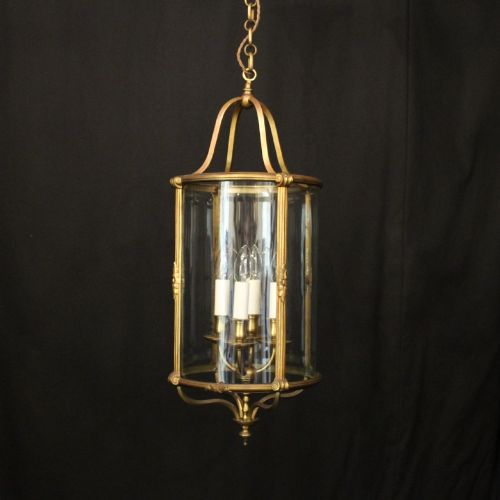
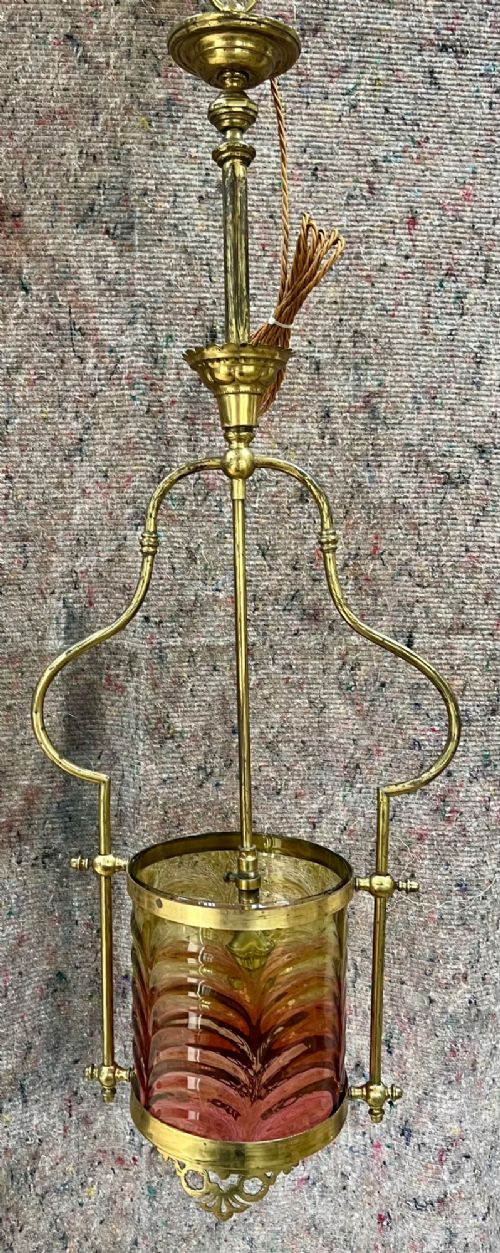
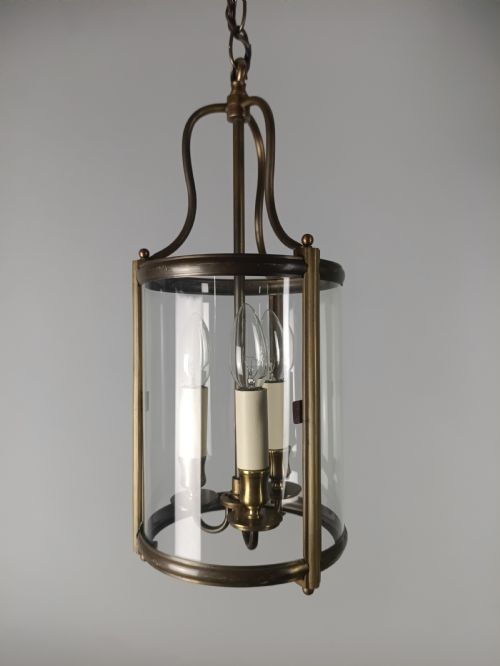
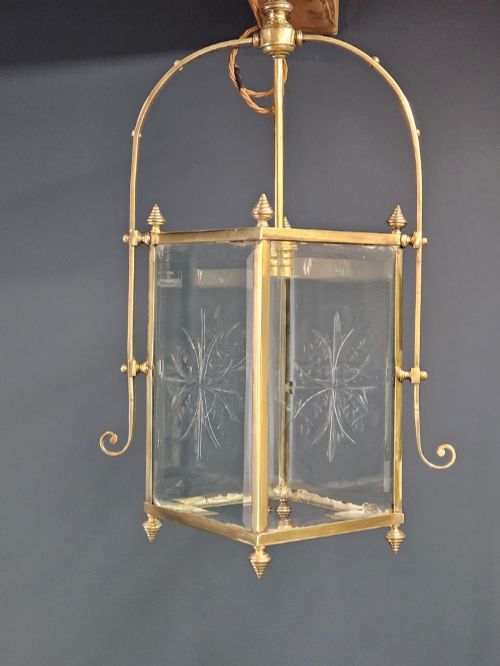
When you examine an antique vestibule light, you look at hanging lanterns and ceiling lights designed to illuminate entryways, hallways, and porches from the nineteenth and early twentieth centuries. These pieces serve as the primary focal point of a hallway, welcoming visitors with functional illumination housed within decorative metal and glass frames.
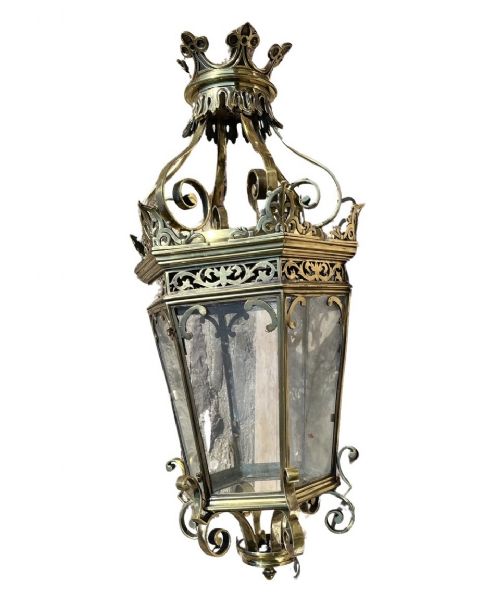
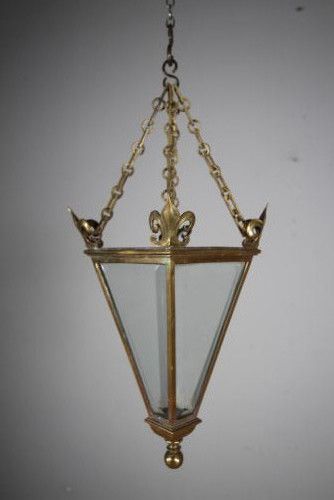
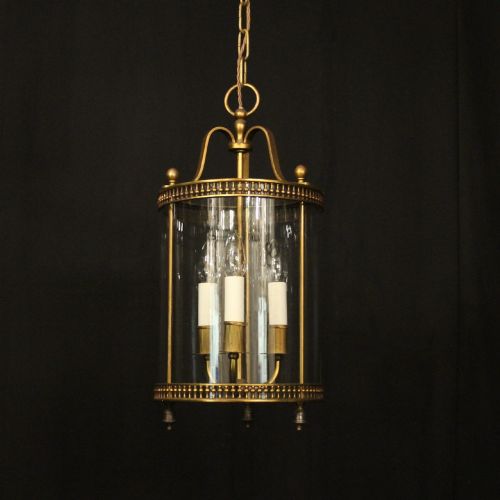
You are most likely to meet French and English examples on this page, spanning periods from the Victorian and Edwardian eras up to the nineteen-thirties. The selection includes brass, bronze, and wrought iron forms, often featuring multiple lights and glazed panels designed to catch the eye immediately upon entering a home.
How they were made
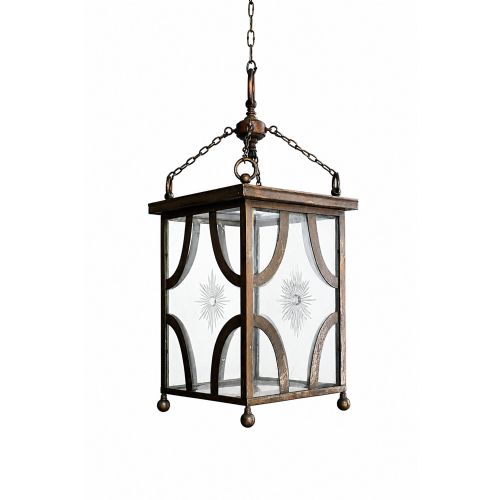
Makers constructed these lanterns using robust metal frameworks of brass, bronze, copper, and wrought iron, frequently applying a gilt finish to enhance the visual warmth. Glazed panels, sometimes convex or leaded, were fitted securely within the metal armature to enclose the internal candle holders or early electrical fittings.
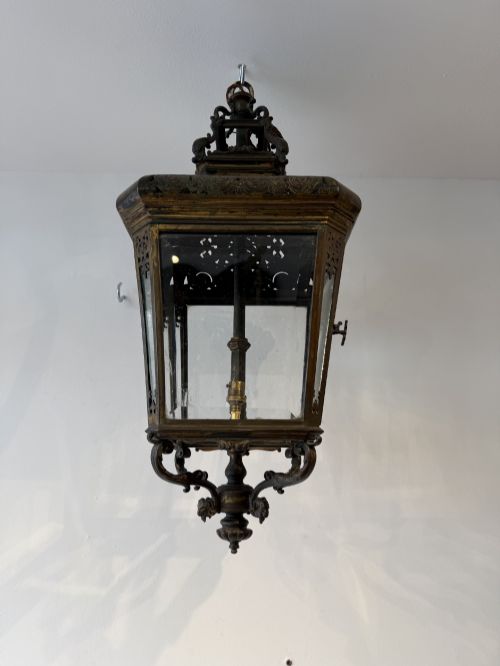
Craftsmen utilised casting, forging, and hand-soldering techniques to produce intricate details characteristic of styles such as French Rococo, Gothic Revival, and Edwardian design. Individual elements like hinged doors and decorative brass mounts demonstrate traditional metalworking methods suited to heavy daily use in busy entranceways.
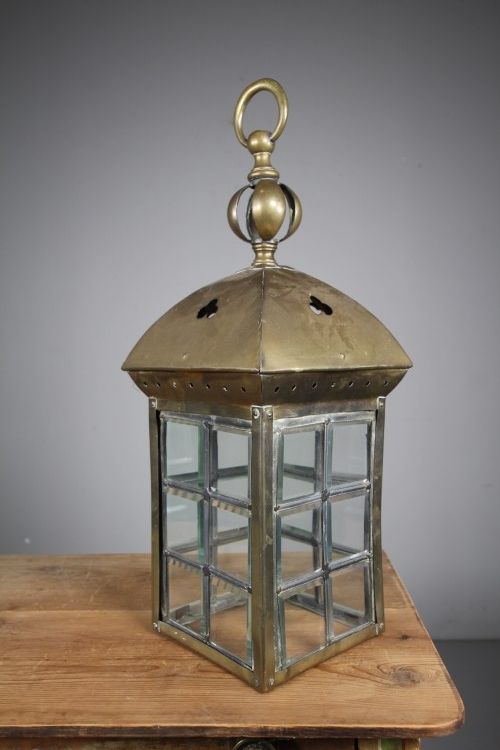
One particularly sturdy nineteenth-century brass lantern includes a built-in door, allowing easy access for maintenance without dismantling the entire fixture.
What varies in quality
The sophistication of the metalwork and the depth of the gilding set the finest examples apart from standard production pieces. Heavier bronze castings, intricate hand-carved giltwood, and substantial brass frames indicate superior craftsmanship compared to simpler, lighter designs.
Design ambition also dictates quality, with elaborate French neoclassical or baroque details requiring greater artisan skill than plain geometric frames. The integration of specialised glass, such as convex or coloured panels, further elevates a piece within its period.
The Antique Vestibule Light Glossary
- Gilt bronze
- Metal cast and coated with a thin layer of gold, providing a rich, lasting surface finish.
- Hall lantern
- A hanging ceiling light specifically scaled for narrow entrance passages and corridors.
- Convex glass
- Curved glass panels that project outward, diffusing light across a wider angle.
- Giltwood
- Timber carved and surfaced with gold leaf, seen in highly ornate decorative fittings.
- Wrought iron
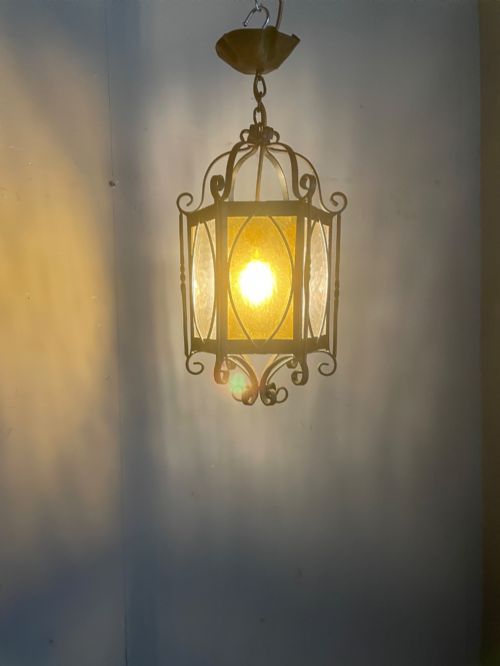
- Iron heated and hammered into shape by hand, resulting in robust, textured structural frames.
Antique Vestibule Light: Frequently Asked Questions
Where should a vestibule light hang?
These lanterns hang centrally in entrance halls, corridors, or porches where overhead clearance permits a suspended fixture. They provide welcoming illumination the moment guests step inside.
Ensure the bottom of the lantern clears head height by a comfortable margin, typically allowing safe passage underneath while maintaining visual balance with the ceiling height.
How do I date an antique lantern?
Dating relies on observing the combination of materials, construction methods, and stylistic motifs present in the metalwork and glass. Victorian and Edwardian pieces often carry distinct stylistic markers of their decades.
Examine fixings, hinges, and the type of glass utilised, as manufacturing techniques evolved noticeably from the mid-nineteenth century through the nineteen-thirties.
Are these lights wired for electricity?
Many period hanging lanterns arrive adapted for modern electrical supplies, allowing straightforward installation in contemporary homes. Internal components are usually updated by specialists while preserving the exterior shell.
Check individual listings to understand the current wiring status and consult a qualified electrician regarding safe installation methods for heavy metal fixtures.
What styles are most common?
French designs featuring gilded bronze, rococo curves, and neoclassical symmetry appear frequently alongside sturdy English brass and copper pieces. Edwardian and Victorian forms offer more restrained interpretations.
Wrought iron and Arts and Crafts examples also feature prominently, providing alternative textures ranging from rustic blacksmith-made iron to refined polished brass.