

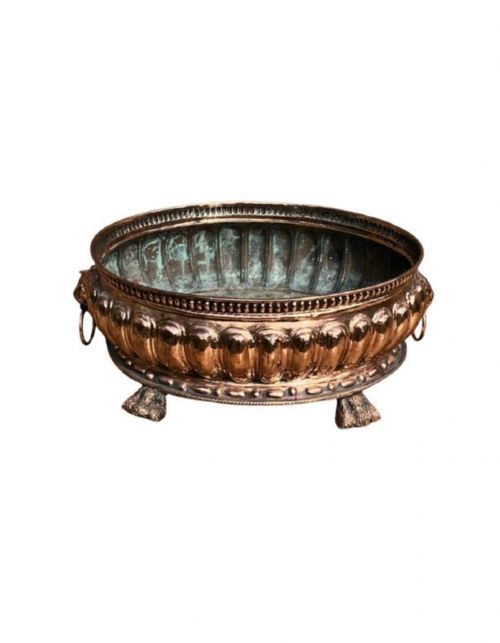
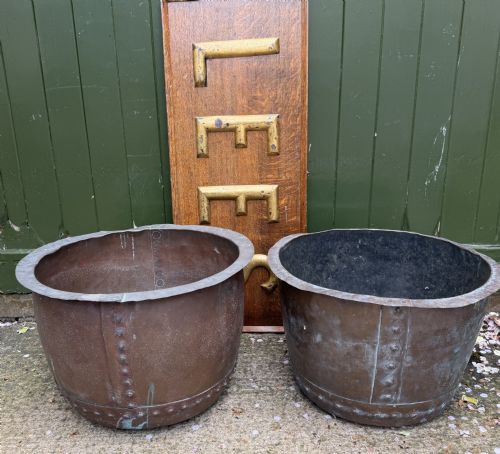


Antique Verdigris Planter
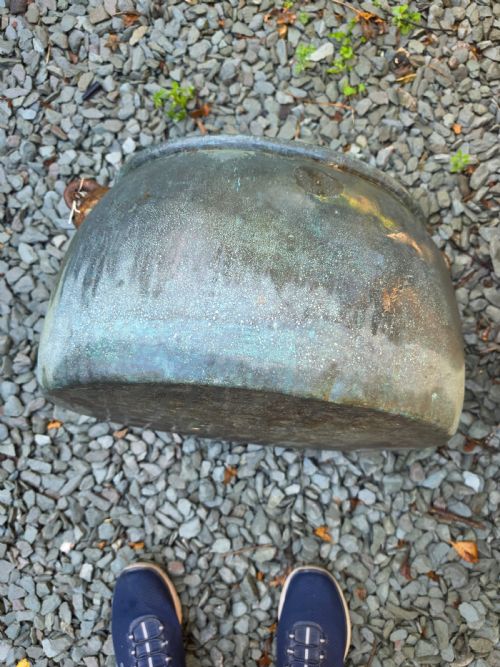
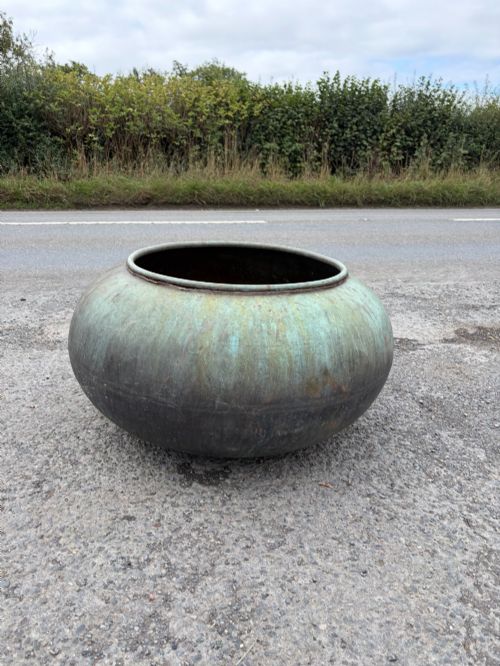
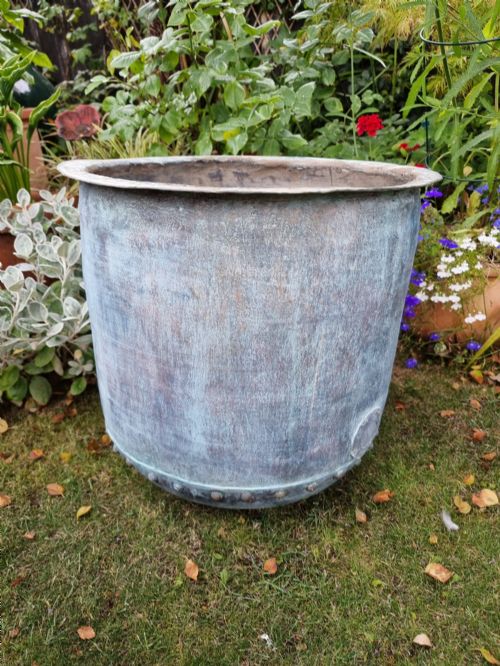
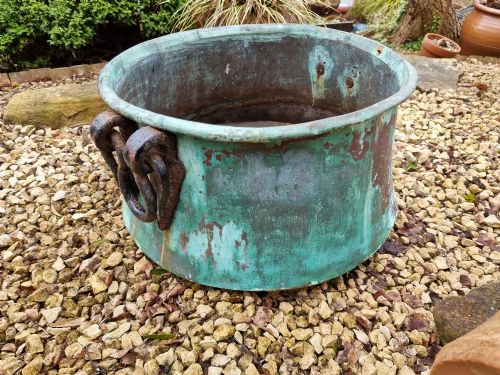
These antique verdigris planter pieces are garden vessels and vessels carrying green patination from oxidation, bringing immediate character to outdoor spaces.
Antique Verdigris Planter
When you search for an antique verdigris planter, you encounter robust vessels originally built for practical tasks in domestic or agricultural life. These objects bridge the gap between utilitarian service and decorative garden display.
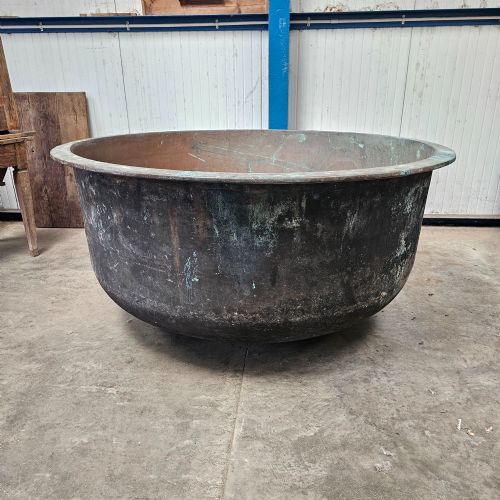
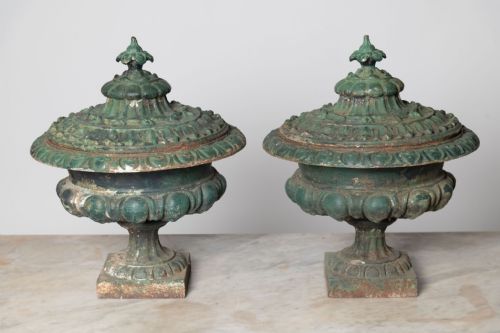
The selections here span the nineteenth century, including Victorian examples alongside French country items and Italian neo-classical forms. You will find garden display pots, cheese vats, boilers, log bins, and buckets repurposed as planters.
How they were made
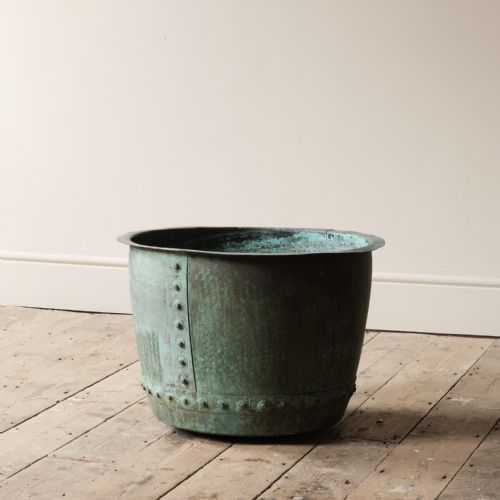
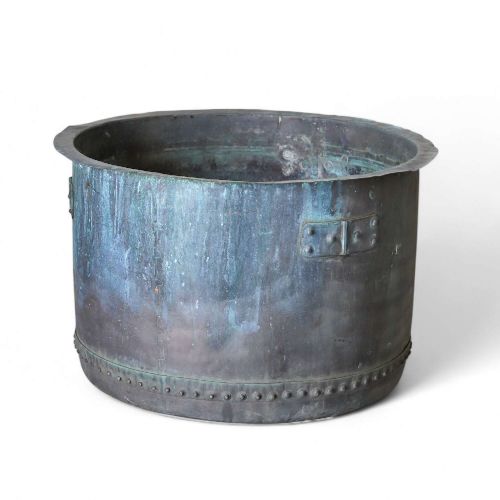
The construction relies heavily on copper, iron, cast iron, brass, and bronze, shaped into large vessels and garden urns. Riveted joints appear frequently across nineteenth-century copper pots and buckets, showing robust metalworking techniques.
Makers utilised wrought iron for stands and supports, pairing durable metal frames with heavy metal bodies. The characteristic verdigris finish develops naturally on copper and bronze through oxidation over decades of exposure.
Antique Verdigris Planter Retail Price Guide 2026
Typical asking prices for verdigris planter among the pieces listed under this phrase on Sellingantiques today, from the lower quarter to the upper quarter. They describe what is for sale here now, not the wider market.
Listings feature nineteenth-century copper vessels alongside iron, brass, and bronze items originating from English, French, and Italian workshops.
What varies in quality
Quality rests in the depth of the metalwork, the integrity of hand-riveted joints, and the authenticity of the surface patination. Vessels that retain original lids or matching pairs command distinct attention.
The stability of the metal body and the character of the weathered verdigris surface determine the visual presence of each piece. Form matters too, separating simple utilitarian boilers from decorative jardiniere and garden urns.
The Antique Verdigris Planter Glossary
- Verdigris
- A green patina or crust that forms on copper, brass, or bronze through atmospheric oxidation. This weathered surface provides the distinctive aesthetic sought on nineteenth-century garden vessels.
- Jardiniere
- An ornamental pot or stand for holding plants or flowers. Italian and French examples often feature decorative detailing suited to prominent display.
- Usubata
- A traditional Japanese bronze vessel used for flower arrangements and garden display. These pieces bring distinct oriental forms into nineteenth-century collections.
- Boiler
- A large metal container originally used for heating water or processing materials in domestic life. Many survive today repurposed as substantial garden planters or log bins.
- Patina
- The surface appearance altered by age, wear, and exposure to the elements. A rich natural patina indicates genuine historical weathering.
Antique Verdigris Planter: Frequently Asked Questions
Are these planters frost proof?
Metal vessels made from copper, iron, and bronze handle cold temperatures well, but water freezing inside solid masses can cause stress. It is wise to monitor drainage and protect delicate joints during severe winter freezes.
Ensuring proper drainage holes remain clear helps prevent trapped water from expanding against the metal walls. Placing pots on feet or stands improves air circulation beneath the base.
How do I clean verdigris?
The green verdigris surface is a stable layer of oxidation formed over many decades of exposure. Scrubbing or applying harsh chemical cleaners removes this desirable historical patination.
Gentle washing with warm water and a soft brush removes surface dirt without harming the underlying metal. Preserving the weathered skin maintains the authentic character of the piece.
Can I use them indoors?
These robust vessels transfer easily from garden settings to interior spaces as log bins or display pots. Their substantial weight and metal construction anchor large interior rooms effectively.
When placing them on indoor floors, use protective saucers to catch moisture leaking from drainage holes. The contrasting industrial textures complement both modern and traditional living spaces.
How do I date copper pots?
Dating relies on manufacturing methods such as hand-riveting techniques, seam construction, and overall material weight. Nineteenth-century examples frequently show individual hand-beaten marks rather than uniform modern machine rolling.
Associated hardware like wrought iron stands and original lids also offer clues to the period of origin. Comparing the style of handles and rims against documented Victorian forms helps narrow the timeline.