


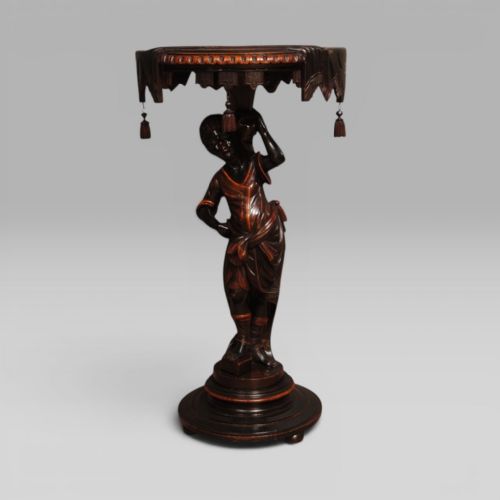


Antique Venetian Pedestal
An antique venetian pedestal brings sculptural drama to a room, supporting lamps, plants or art with regional flair.
Antique Venetian Pedestal
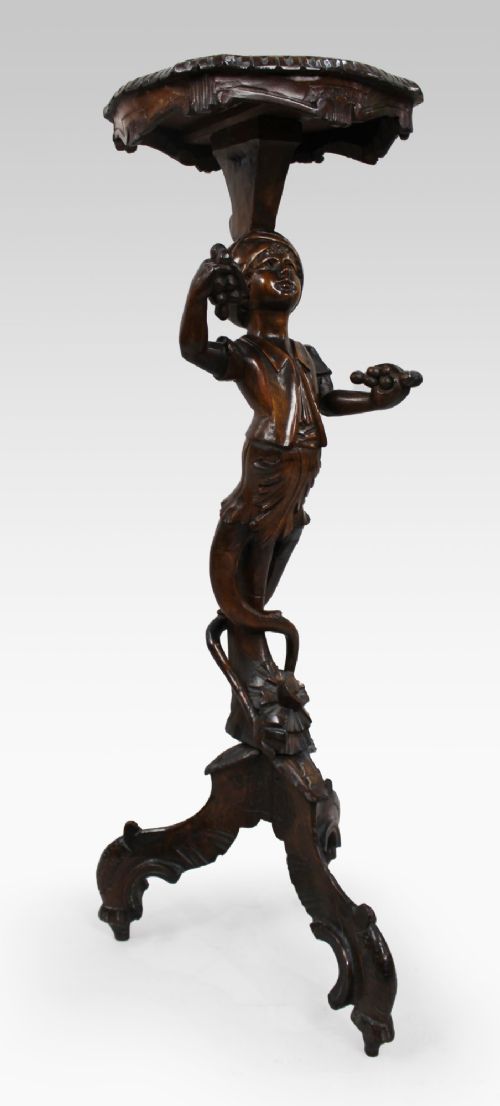
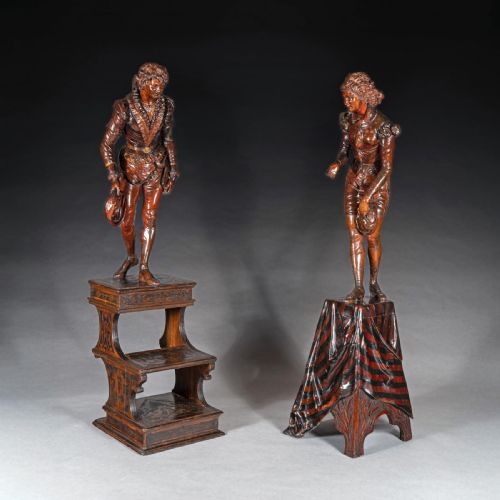
An antique venetian pedestal serves primarily as a stand, torchere, or plant holder, designed to elevate objects within a grand interior. These pieces frequently take the form of figural stands, including gondoliers and blackamoor figures holding trays or torchiere bases.
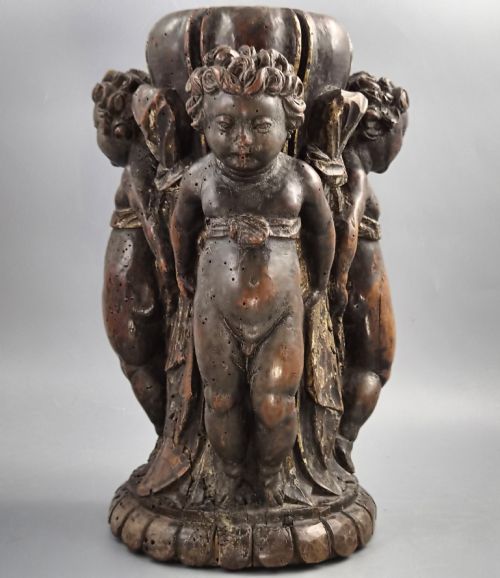
The objects span multiple centuries, with nineteenth-century examples and earlier seventeenth-to-eighteenth-century walnut carvings appearing alongside later revivals. Common functional categories include plant stands, side tables, and sculptural torchere pedestals originating from Italian workshops.
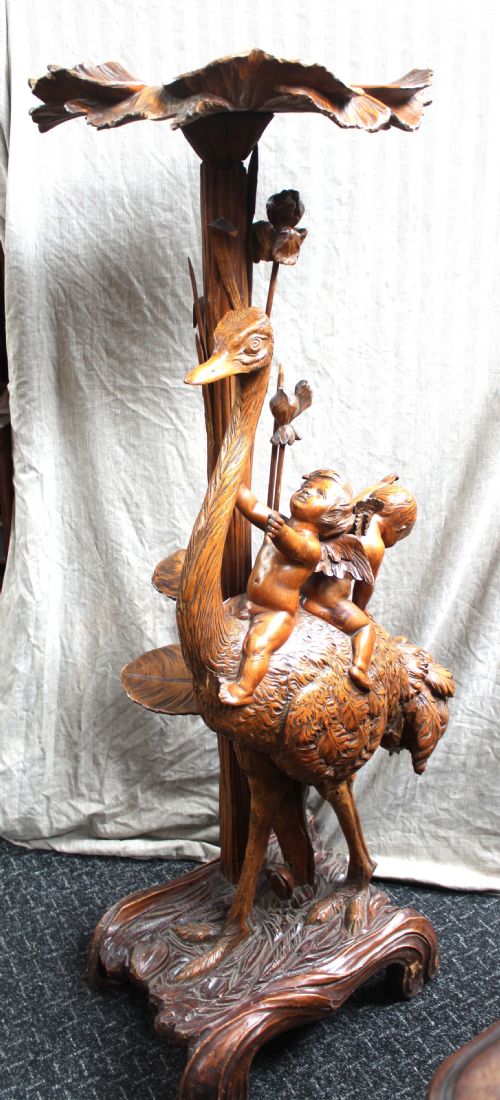
Buyers encounter diverse stylistic expressions ranging from Venetian Baroque and Renaissance Revival to Victorian interpretations. The forms bridge utility and decorative sculpture, functioning as structural supports that double as striking anthropomorphic or carved artworks.
How they were made
Carved wood forms the structural core of these pieces, utilising materials such as walnut alongside gesso layers prepared for surface decoration. Artisans shaped these timbers into complex figural compositions and architectural supports.
Surfaces receive elaborate decoration through polychrome paint, gold leaf, and giltwood finishes. Original polychrome schemes and gilding define the visual richness typical of Venetian craftsmanship from this tradition.
Gondoliers carved in wood stand ready on these platforms to hold your everyday items.
What varies in quality
Preservation of original surface finishes significantly impacts the integrity of a piece, especially regarding polychrome paint and gold leaf application. Retaining original historic paint layers without extensive overpainting elevates the standing of these carved works.
Valentino Besarel
The Antique Venetian Pedestal Glossary
- Torchiere
- A tall stand or floor lamp designed to hold a light source or support a decorative basin. These tall supports frequently incorporate figural shafts.
- Polychrome
- Painted in several colours, a technique historically applied to wood and gesso surfaces to create lifelike or decorative effects. This decoration often survives from the nineteenth century.
- Gesso
- A plaster mix applied to wood surfaces to prepare them for gilding or painting. It provides a smooth ground for intricate detail work.
- Giltwood
- Wood that has been treated with gold leaf or gold paint to simulate solid gold objects. It catches light effectively in grand interiors.
- Blackamoor
- A historical decorative art term depicting figures from non-European backgrounds, often serving functional roles as tables or stands in Venetian design.
Antique Venetian Pedestal: Frequently Asked Questions
What were antique venetian pedestals used for?
These pieces functioned as stands for lighting, heavy decorative urns, or plants within grand domestic spaces. Their elevated platforms allowed lamps or torches to cast light effectively across a room.
Many designs incorporated trays or flat surfaces held by carved figures to serve guests or display prized possessions. They acted simultaneously as furniture and as freestanding decorative sculpture.
How do I identify a nineteenth-century piece?
Nineteenth-century examples often draw heavily on earlier Venetian Baroque and Renaissance styles while utilising period timber preparation and gesso techniques. Examining the ageing of the underlying wood and paint layers helps determine the manufacturing era.
Stylistic cues such as Victorian ebonising or specific revival motifs provide further context for dating. Comparing the baseline construction to documented nineteenth-century standards clarifies the timeline.
How should I care for polychrome painted wood?
Keep these delicate surfaces away from direct sunlight and fluctuating humidity to prevent paint flaking and wood movement. Dust gently with a dry, soft cloth without applying modern liquid cleaning products.
Preserving the original painted and gilded skin requires a stable indoor climate. Avoid abrasive materials that might damage historic gesso and pigment layers.
What is the difference between a torchere and a pedestal?
A torchere specifically relates to a tall stand originally built to carry a light source or candle holder. Pedestals often feature broader tops intended for statues, planters, or display items.
In Venetian antiques, these categories frequently overlap because figural stands often performed both structural support roles. The distinction depends largely on the upper platform configuration and original intended function.