
Antique Veneer Table
An antique veneer table brings patterned wood grains to dining rooms, offices and bedrooms through centuries of craft.
Antique Veneer Table
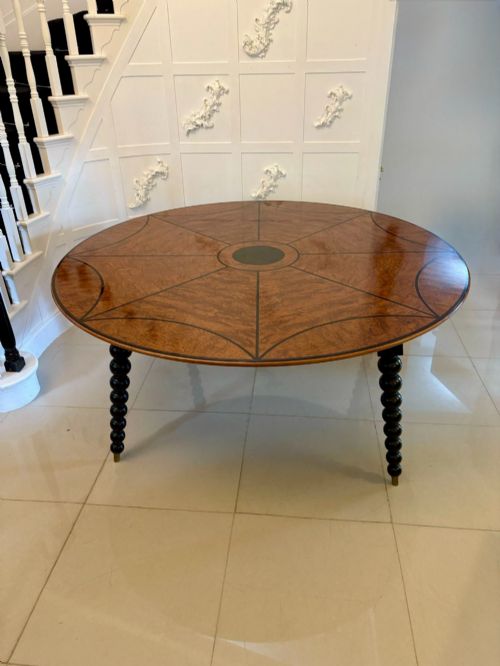
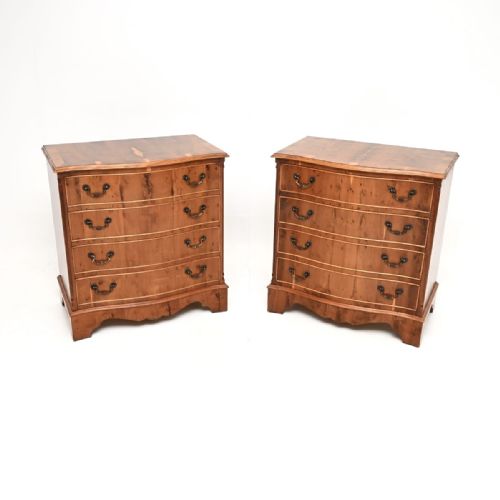
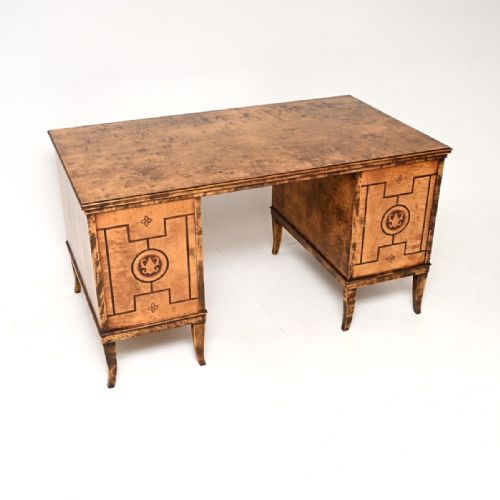
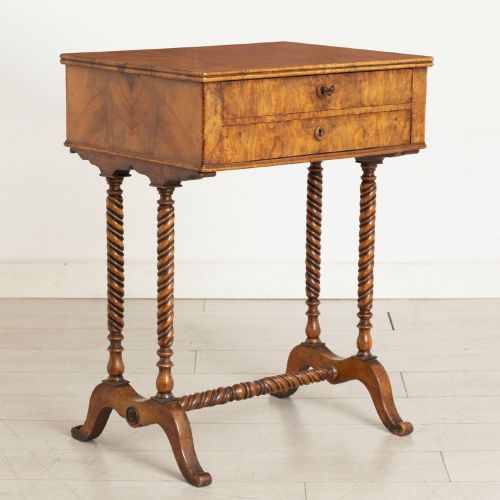
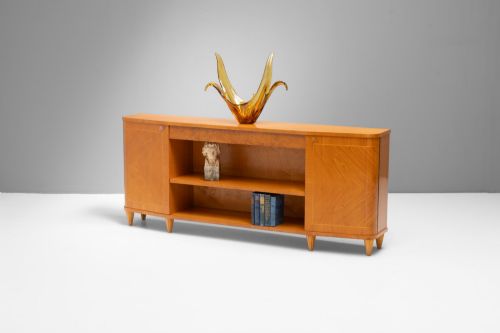
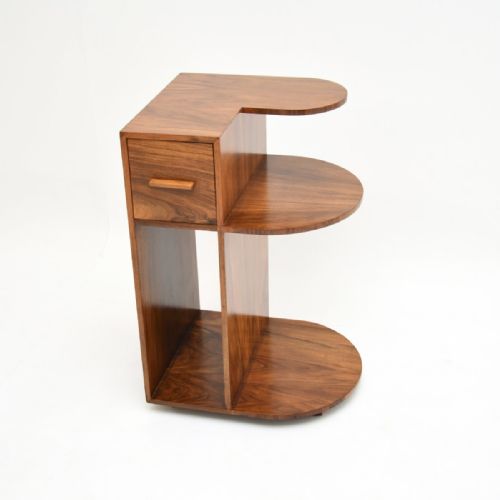
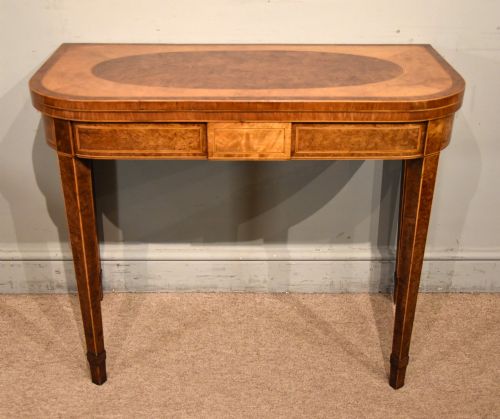
An antique veneer table spans forms such as dining tables, coffee tables, centre tables, desks and bedside tables, reflecting a long tradition of decorative woodworking. When searching for an antique veneer table, buyers encounter pieces ranging from seventeenth-century walnut and laburnum designs to nineteenth-century mahogany, yew and amboyna examples, alongside nineteen-thirties Art Deco walnut and satinwood creations.
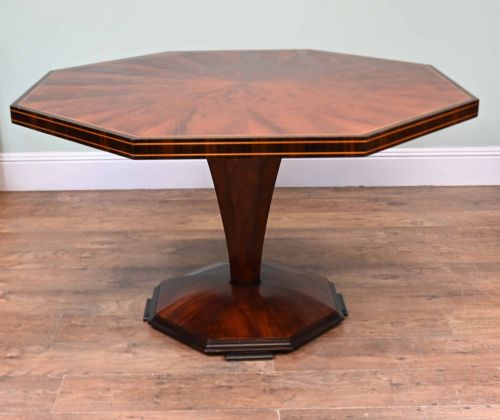
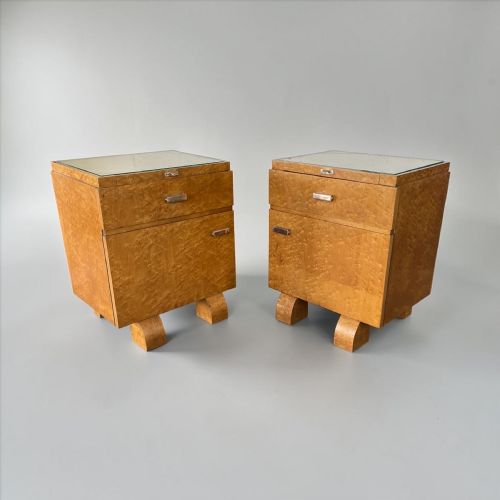
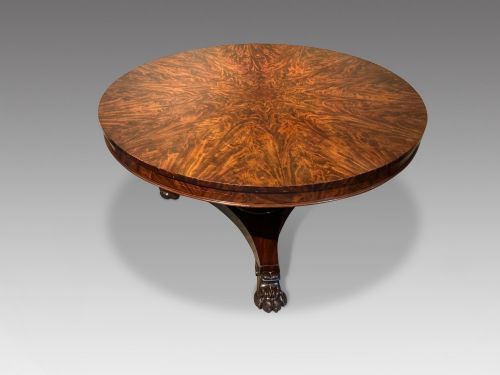
The materials used across these forms define their character, with burr walnut, burr oak, flame mahogany, satin birch and olive veneers appearing frequently alongside glass, brass, chrome and gilt bronze mounts. These tables function as practical surfaces while displaying elaborate natural wood figures across circular, octagonal and rectangular tops.
How they were made
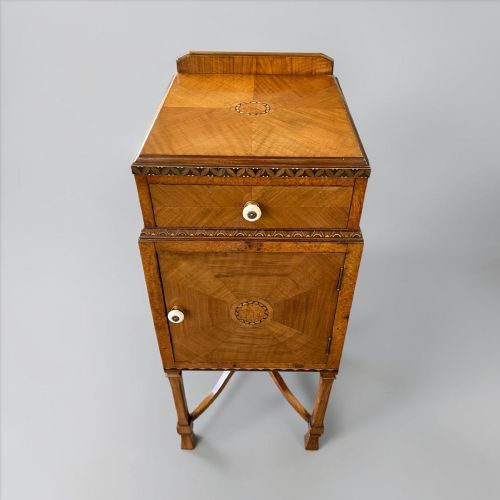
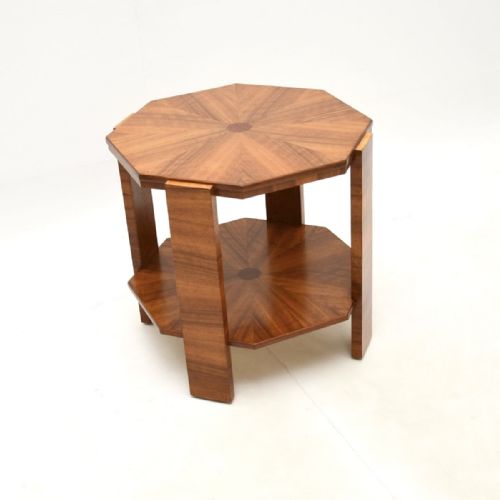
Cabinet makers applied thin slices of decorative woods such as burr walnut, flame mahogany, satinwood, kingwood, tulipwood and oyster-cut yew onto solid secondary timbers, securing the figured veneers with traditional animal glues. This technique allowed workshops to display symmetrical grain patterns, such as sunburst layouts and segmented tops, which solid timber construction could not achieve.
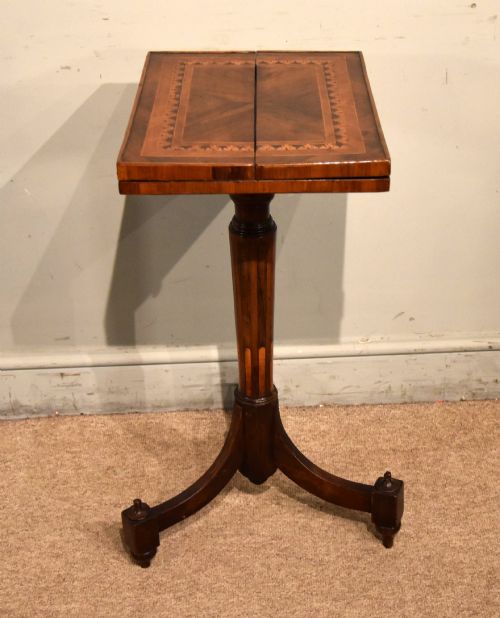
Makers enhanced these surfaces with contrasting stringing, ebony inlay or geometric borders, while later twentieth-century pieces incorporated chrome fittings, mirrored glass and cast bronze mounts to complement the polished wood finishes.
Nineteenth-century travellers gathered botanical specimens from across the globe just to turn them into intricate games tables.
What varies in quality
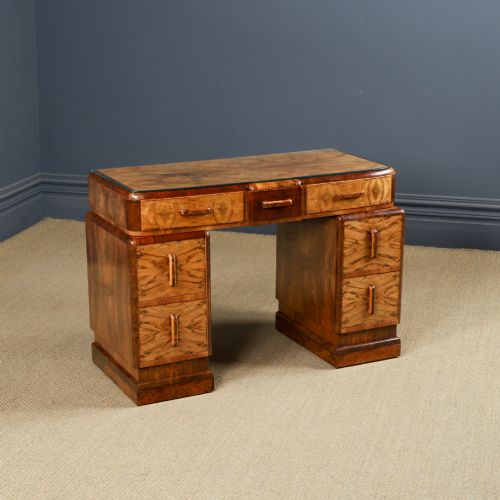
The visual impact of an antique veneer table depends heavily on the selection and matching of the timber grain, with symmetrical book-matching and complex burr figures setting finer examples apart from plain surfaces. The harmony between the chosen veneer and secondary woods, along with the precision of inlaid details like ebony stringing, dictates the overall refinement of the piece.
Structural integrity also separates standard items from exceptional ones, particularly in how well the veneered surface adheres to the core timber across large spans like dining tables and desk tops over decades of changing humidity.
The Antique Veneer Table Glossary
- Burr
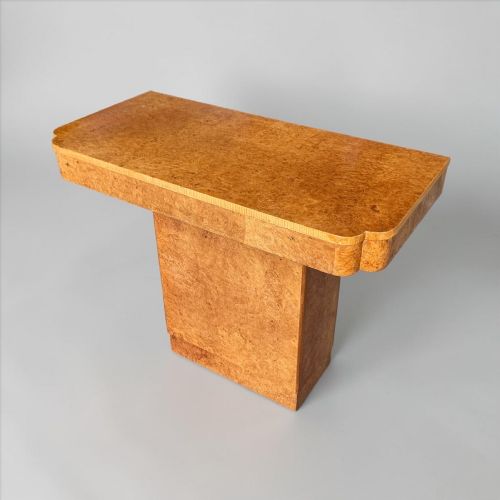
- A growth on a tree that produces intricate, swirling grain patterns when sliced. Burr walnut, burr oak and burr yew appear frequently on table tops.
- Oyster veneer
- Circular or oval pieces of wood cut transversely from small branches or roots, creating concentric rings resembling oyster shells. This method creates distinctive repetitive patterns across furniture surfaces.
- Ormolu
- Gilt bronze mounts used as decorative feet, handles or framing on nineteenth-century tables. The technique involves applying finely ground gold to a bronze base.
- Stringing
- Thin strips of contrasting wood or light-coloured timber inlaid into channels cut into the surface of a table. It creates delicate geometric borders around the main veneer.
Antique Veneer Table: Frequently Asked Questions
How do I care for an antique veneer table?
Keep these tables away from direct sunlight and strong heat sources to prevent the natural glues beneath the veneer from drying out and lifting. Regular dusting with a soft, dry cloth maintains the polished finish without requiring heavy chemical polishes.
Avoid placing damp items directly onto the polished wood surface to prevent water rings from forming on the delicate grain layers.
What periods do these tables cover?
The pieces available span from the seventeenth century through the Georgian, Regency, Victorian and Edwardian eras, extending into nineteen-thirties Art Deco designs. Each period brings distinct timber choices, ranging from early walnut and laburnum to exotic amboyna, kingwood and chrome combinations.
Art Deco versions often feature dramatic sunburst veneers and geometric forms, while nineteenth-century examples frequently showcase flame mahogany and elaborate specimen wood inlays.
Where were these tables used originally?
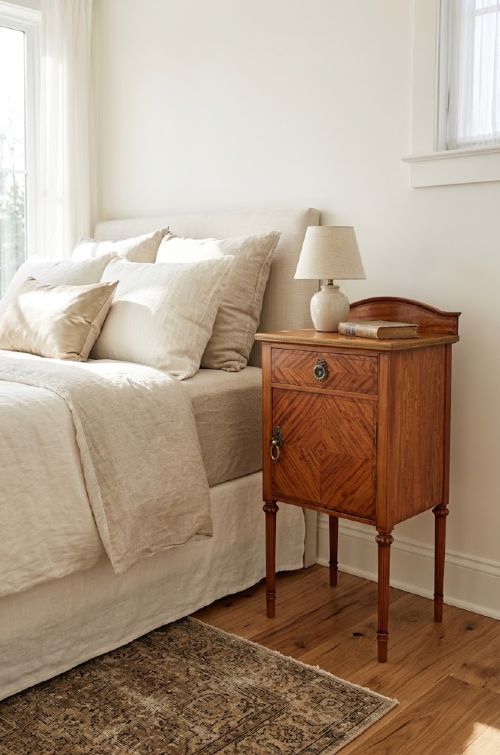
These tables served various domestic functions depending on their form, including dining rooms, drawing rooms, home offices and bedrooms. Smaller items like bedside tables and occasional tables provided convenient surfaces for lamps and personal belongings.
Centre tables and console tables stood in reception halls and living spaces as decorative display pieces, while larger dining tables accommodated formal meals.