

Antique Velvet Accent Chair
An antique velvet accent chair brings tactile depth and rich period character to a room, offering both comfortable seating and strong visual focus.
Materials and Construction Techniques
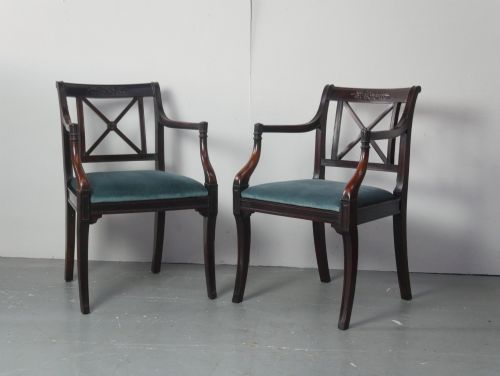
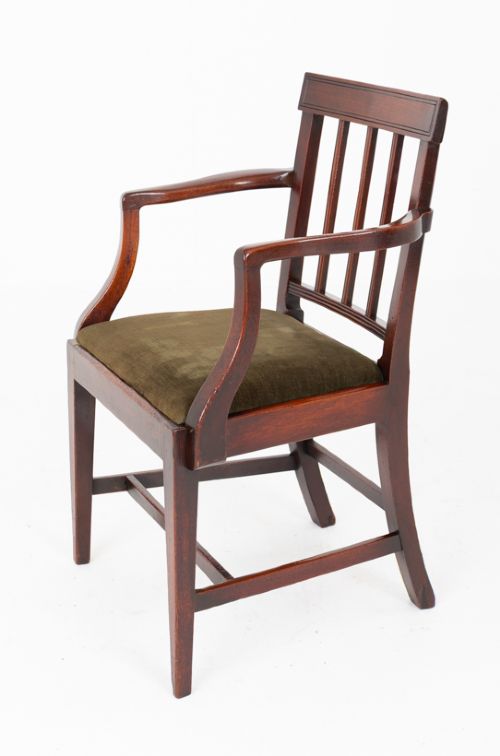
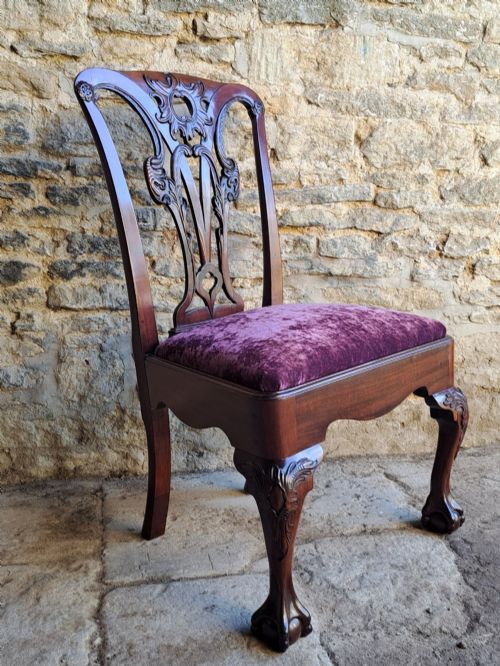
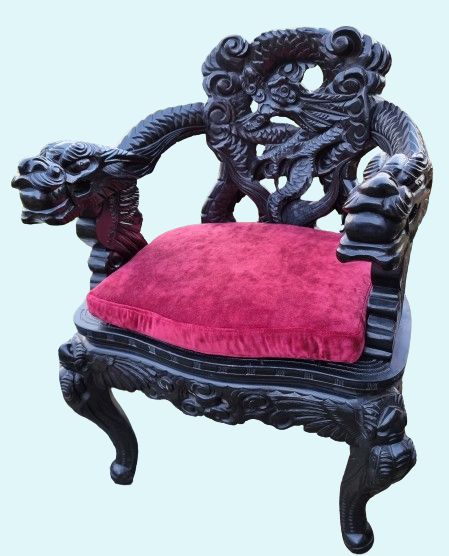
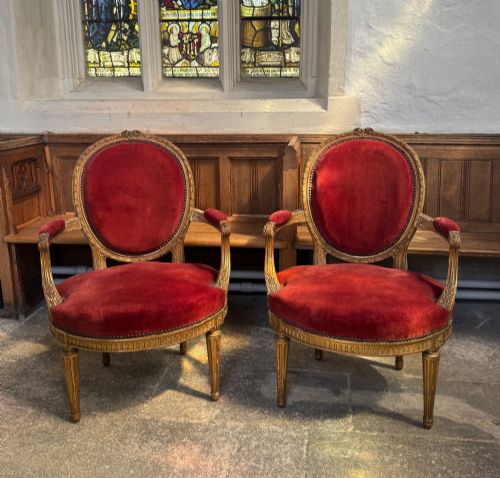
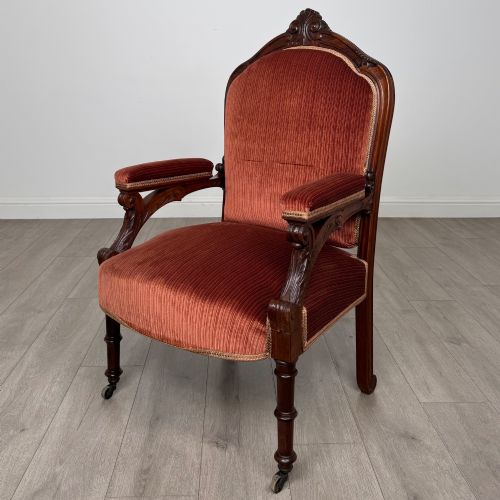
Makers constructed the supportive frames of these chairs using dense hardwoods such as mahogany, walnut, oak and rosewood, often employing hand-carving for structural and decorative details. Giltwood and ebonised finishes appear on specific high-status French and Regency models, adding reflective surface contrast to the timber.
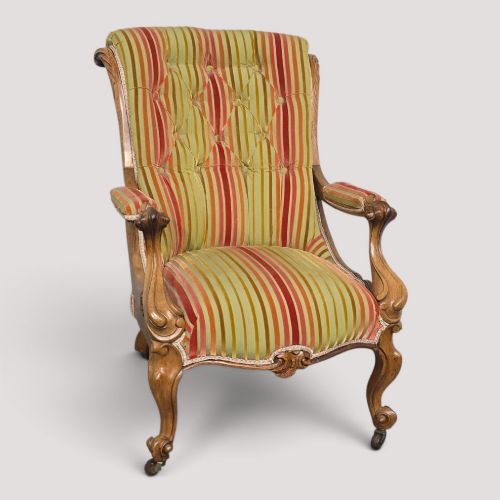
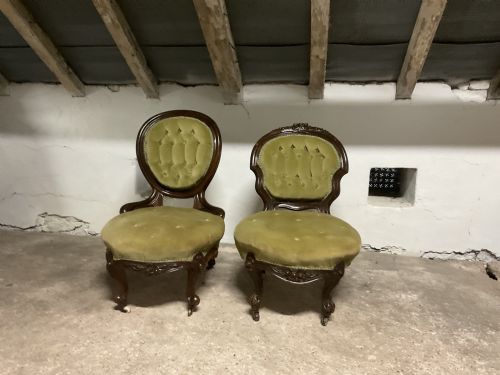
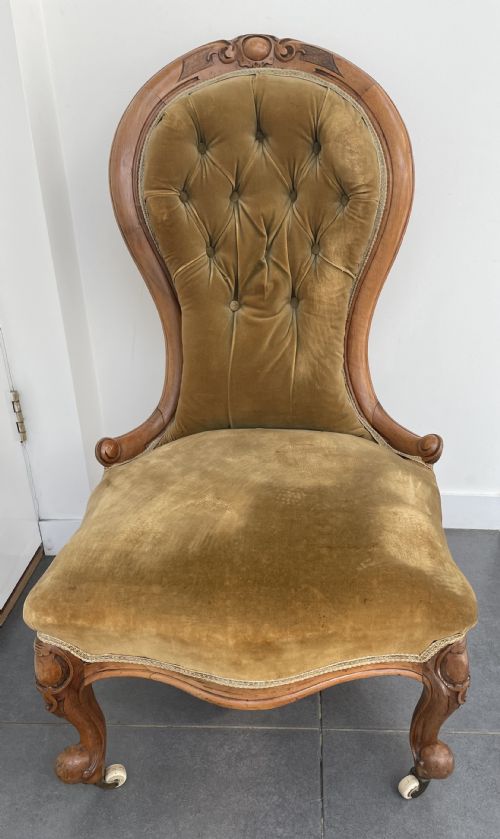
Upholstery techniques combined traditional stuffing methods with tactile velvet pile fabrics, sometimes finished with buttoning, scroll-carved backs or decorative trimming. Frames frequently utilise traditional joinery methods suited to the period, supporting the dense pile of the velvet textiles.
Distinctions in Quality
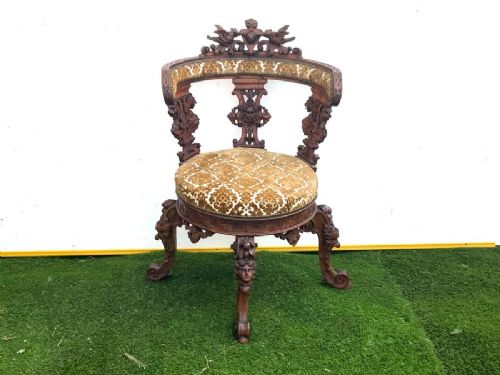
Quality in these chairs rests upon the crispness of timber carving, the structural integrity of the hardwood frame, and the proportional harmony of the design. Pieces exhibiting deep, hand-carved ornamentation or select timber grains command greater attention than plain or later revival variants.
The execution of the upholstery work and the choice of textile integration also mark the division between standard production and superior craftsmanship. Original timber surfaces retaining their age patination distinguish the most desirable examples from heavily restored or altered pieces.
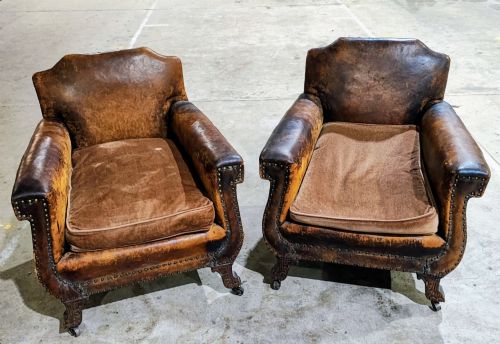
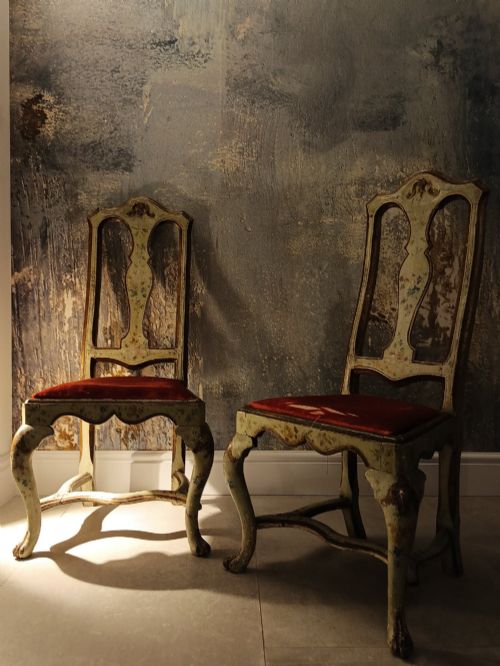
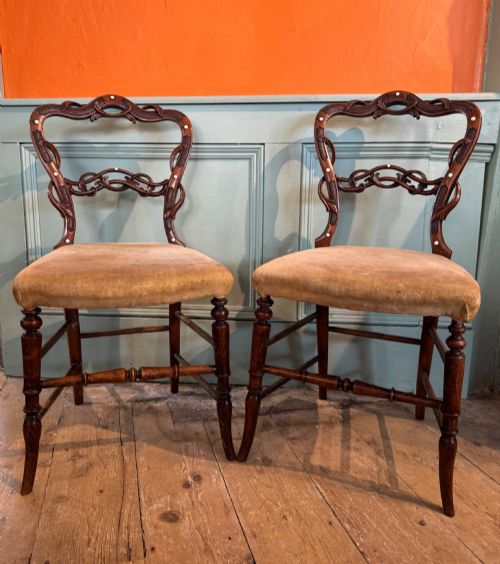
The furniture spans distinct forms including nursing chairs, library armchairs, side chairs and giltwood fauteuils.
Hampton and Sons
The Antique Velvet Accent Chair Glossary
- Fauteuil
- An open-framed armchair of French origin with upholstered back and armrests, typically featuring exposed carved wood.
- Bergère
- An enclosed upholstered armchair with wooden framing and a stuffed seat, often featuring cane panels to the sides.
- Giltwood
- Timber treated with gold leaf or gilt paint to produce a metallic surface finish, common on decorative French style frames.
- Nursing chair
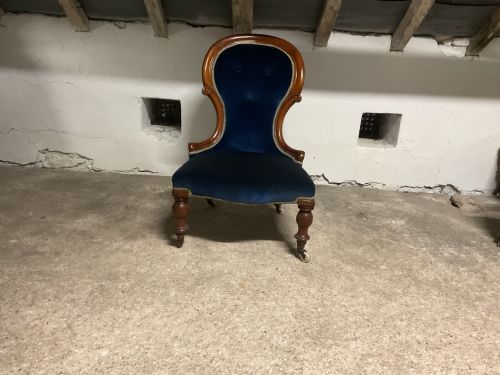
- A low-seated Victorian chair designed for comfort, historically used for feeding infants or general bedroom seating.
- Patination
- The surface sheen and colour acquired by wood and fabric through age and handling over centuries.
Antique Velvet Accent Chair: Frequently Asked Questions
How do I identify a Victorian velvet armchair?
Victorian chairs often feature dark hardwoods like walnut or mahogany, substantial padding, and distinctive shapes such as button-backs or low nursing seats. The proportions and joinery methods point directly to the nineteenth-century manufacturing context.
Velvet upholstery on these pieces may be later replacements, but the frame construction retains the robust characteristics typical of the period. Look for turned legs, scroll-carved backs, and heavier proportions compared to lighter eighteenth-century models.
Where should I place an accent chair?
An accent chair works effectively in corners of living rooms, bedrooms, or studies where it provides both a functional seat and a decorative anchor. Their compact forms allow them to complement larger sofas without overcrowding the floor plan.
Pairing a velvet chair with neutral surroundings lets the texture and historic timber frame stand out. They function well alongside reading lamps or beside fireplaces as occasional seating.
Are these chairs suitable for daily use?
Most antique chairs handle normal daily seating, provided the underlying frame remains sturdy and the joints are secure. Solid hardwood frames in walnut and mahogany offer lasting structural stability.
Velvet pile requires sensible care to avoid crushing, and older internal webbing may benefit from professional assessment if used heavily. Assessing the tightness of the frame helps determine suitability for regular sitting.
How do I tell Regency style from Victorian pieces?
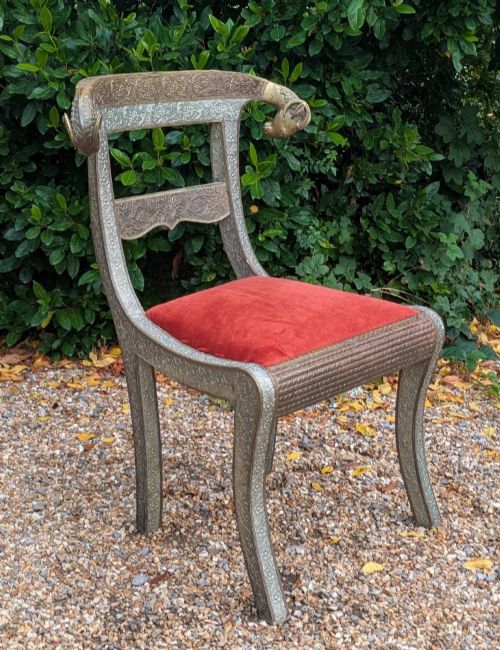
Regency seating draws heavily on classical antiquity, featuring ebonised finishes, sabre legs, and restrained classical lines dating from the early nineteenth century. Victorian pieces generally exhibit heavier proportions, more ornate carving, and darker polished timbers.
Comparing the stretcher placement and backrest curvature helps separate the tighter, neo-classical lines of the Regency era from the more exuberant Victorian aesthetic. Examining the timber choice provides further clues to the manufacturing decade.