


Nineteenth Century Lounge Chair
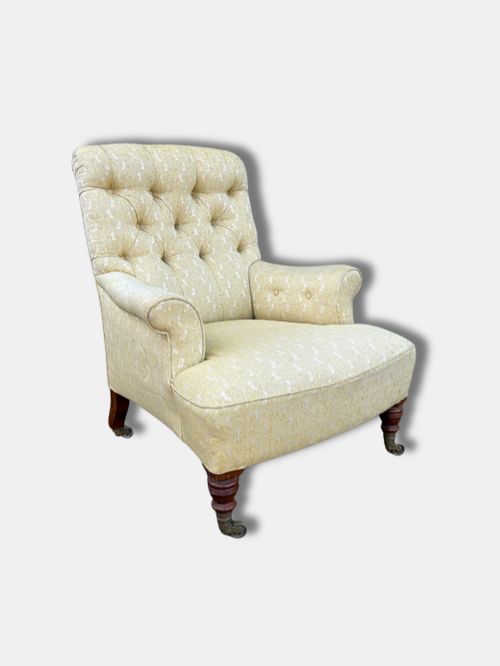
A nineteenth century lounge chair brings deep-sprung comfort and historic French or English character to a room.
Nineteenth Century Lounge Chair
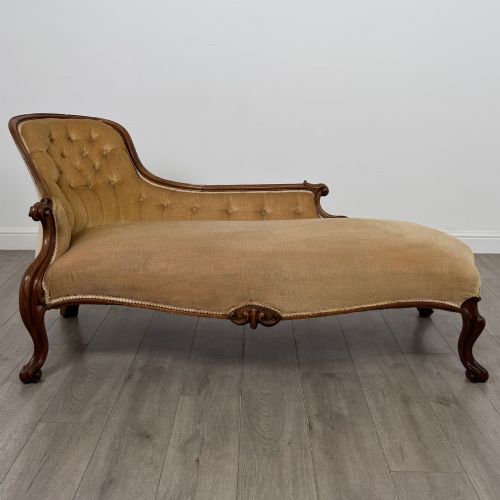
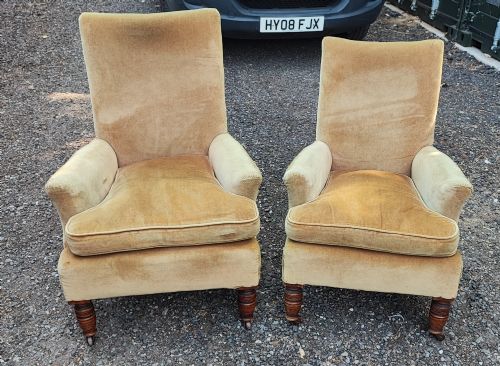
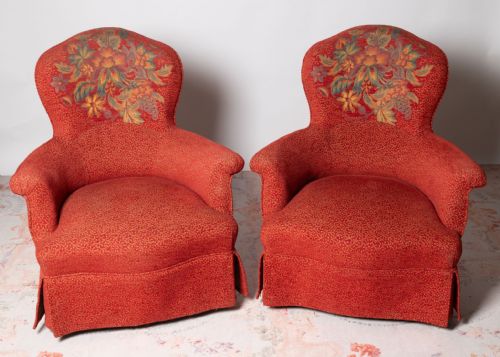
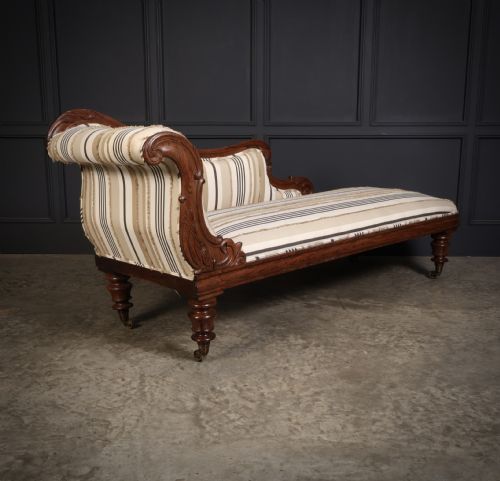
A nineteenth century lounge chair encompasses grand day beds, chaise longues, and deeply upholstered armchairs designed for relaxation. These seating forms developed through various historical revivals, blending structural presence with domestic ease.
The varieties met on this page range from walnut and mahogany armchairs to French Napoleon III chaises longues and low salon seating. Many examples appear in specific periods such as the Victorian era, William IV, and Edwardian transitions.
Makers such as Howard and Sons and C. Hindley and Sons produced sturdy frames intended for daily use in country houses and town residences. Buyers seek these pieces for their generous proportions and historical upholstery profiles.
Materials and Construction
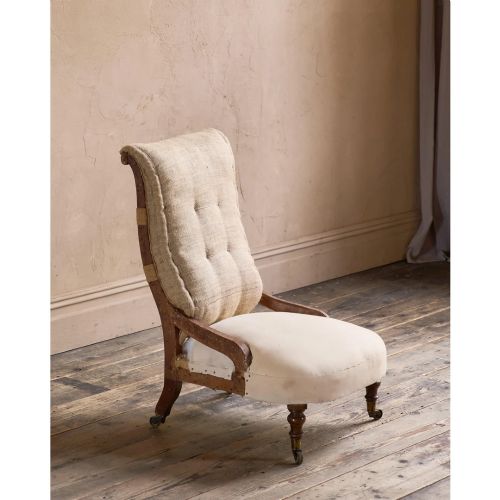
Frames rely on sturdy timbers including mahogany, walnut, and rosewood, carved or turned to support the upholstered body. Internal construction often employs traditional webbing, hessian, and calico beneath top coverings.
Visible surfaces feature rich textiles such as velvet, leather, and fabric, secured with brass detailing where appropriate. Marquetry inlay appears on select French Empire frames to accent the polished woodwork.
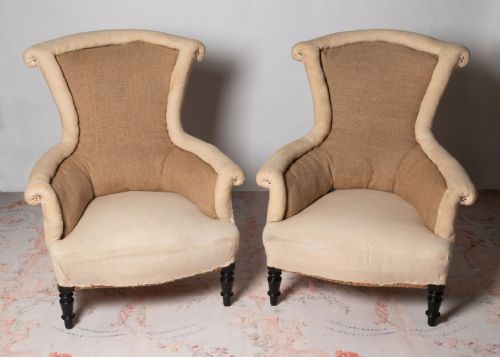
Several chairs require complete reupholstery, offering a blank canvas for modern fabric choices while keeping nineteenth-century wooden frames intact.
Assessing Quality and Build
Quality rests in the integrity of the timber frame and the weight of the underlying upholstery build. Superior examples retain their original structural rigidity and supportive sprung interiors.
The precision of carved woodwork, the crispness of marquetry inlay, and the retention of maker signatures distinguish finer workshop production from standard commercial output.
Howard and Sons·C. Hindley and Sons
The Nineteenth Century Lounge Chair Glossary
- Chaise Longue
- An elongated upholstered chair designed for reclining, combining a chair with an extended footrest. These pieces served as day beds in nineteenth-century drawing rooms.
- Spoonback
- A chair back shaped like the bowl of a spoon, curved to fit the human spine. This ergonomic Victorian form provides comfortable lumbar support.
- Marquetry
- Decorative inlay work using various coloured wood veneers to form patterns on furniture surfaces. It appears on select French Empire frames.
- Hessian
- A coarse woven fabric used historically as a foundational layer in traditional upholstery. It provides sturdy tension beneath calico and top covers.
Nineteenth Century Lounge Chair: Frequently Asked Questions
What defines a nineteenth century lounge chair?
These pieces are historic upholstered seats, including armchairs, chaise longues, and day beds, built during the eighteen hundreds. They combine sturdy wood frames with deep padding designed for comfort.
They reflect diverse aesthetic movements, ranging from English country house seating to ornate French Napoleon III styles.
How were these chairs used historically?
Owners placed them in drawing rooms, parlours, and bedrooms for reading, resting, and formal socialising. Reclining forms and day beds allowed occupants to lie down during the day without retiring to a bed.
Their substantial construction suited the heavy domestic routines of nineteenth-century households.
How do I identify different styles?
Styles reveal themselves through timber choices, carved ornament, and silhouette proportions. English pieces often feature walnut or mahogany frames with deep buttoning, while French pieces display marquetry or giltwood.
Reference markers like maker stamps help pinpoint specific workshops and manufacturing decades.
How do I live with antique upholstery?
Living with these chairs involves gentle daily use and placement away from direct sunlight to protect delicate velvet, leather, and fabric coverings. Many pieces retain internal hessian and calico foundations that support the outer textiles.
Routine care preserves the historic integrity of the frame and the stuffing beneath.