
Antique Urns
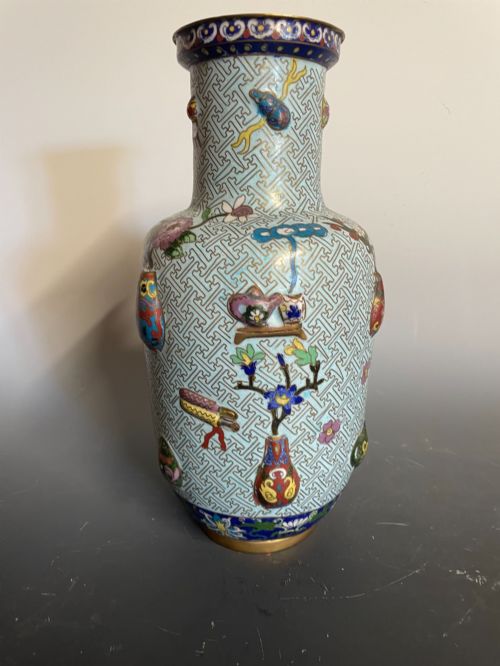
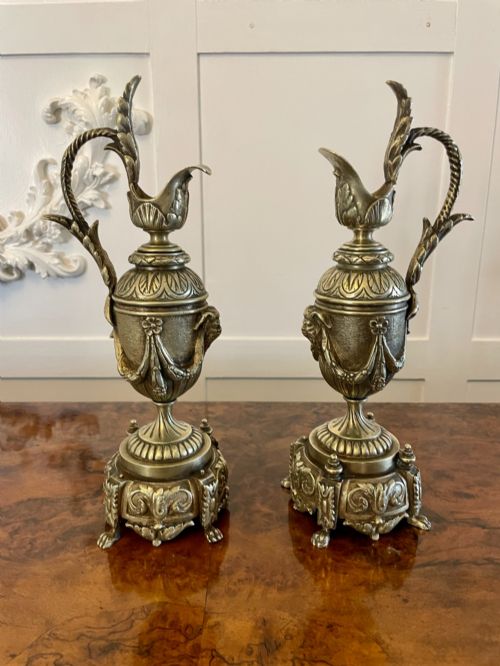
Antique urns bring classical presence into a room, spanning porcelain, cloisonné enamel, and bronze forms from Georgian days onward.
Antique Urns
When you search for antique urns, you encounter a varied group of decorative vessels, garnitures, and jardinières originating from European and Asian workshops.
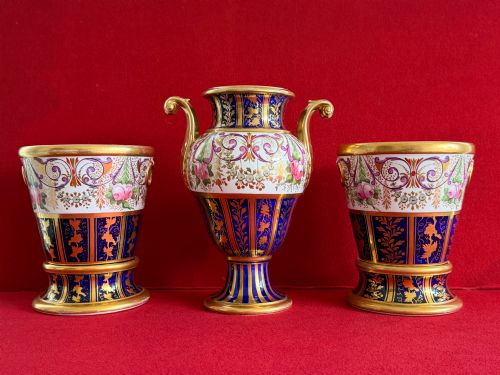
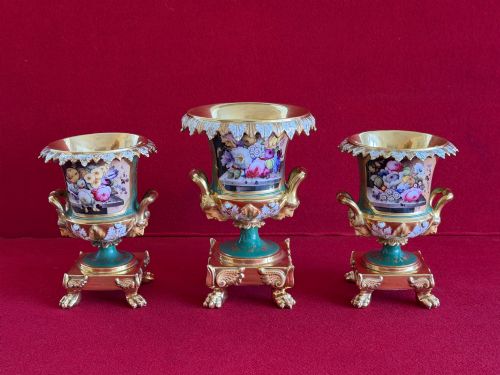
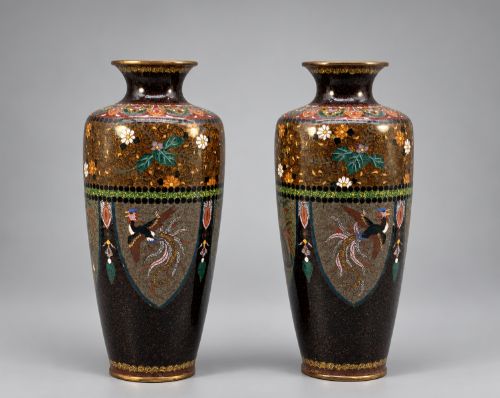
The most common examples on this page are 19th-century porcelain vases, Japanese cloisonné enamel vessels, and heavy brass or bronze pieces.
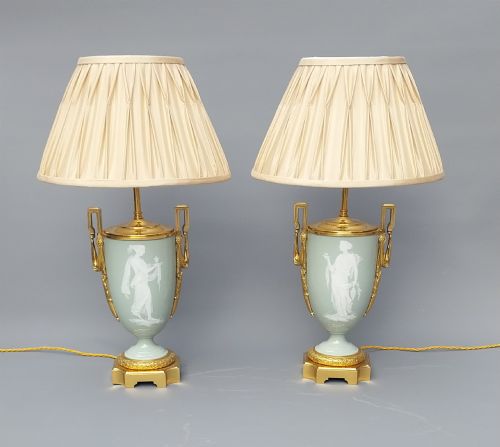
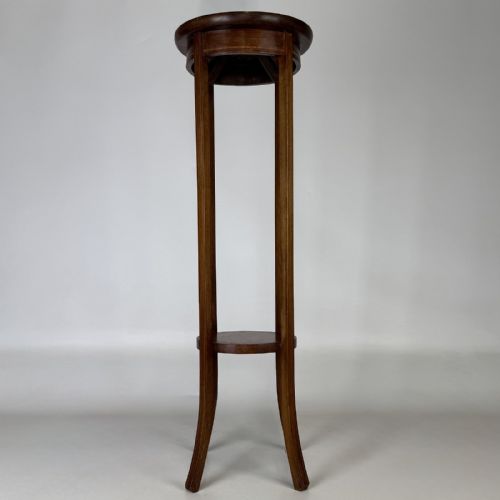
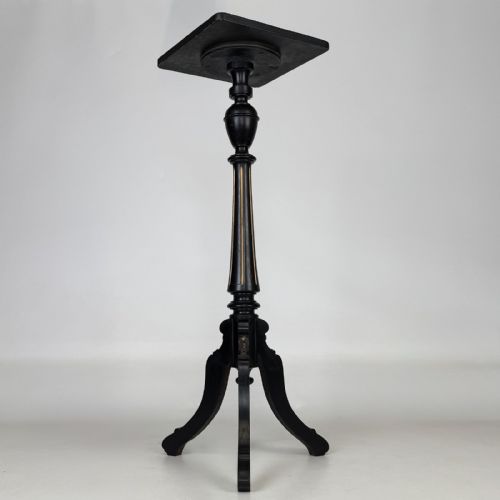
Makers utilised these forms for interior display, often producing matching pairs to sit upon side tables, mantelpieces, or plant stands.
How they were made
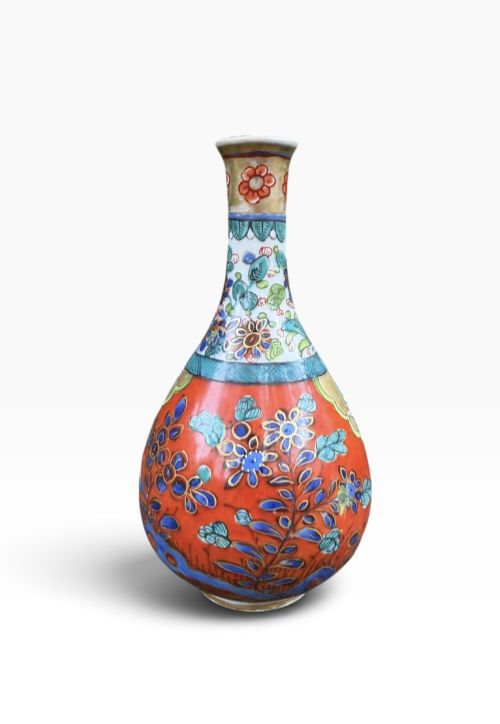
Porcelain examples rely on refined clay bodies fired at high temperatures, then hand-painted with glazes or enriched with gilding and enamel details.
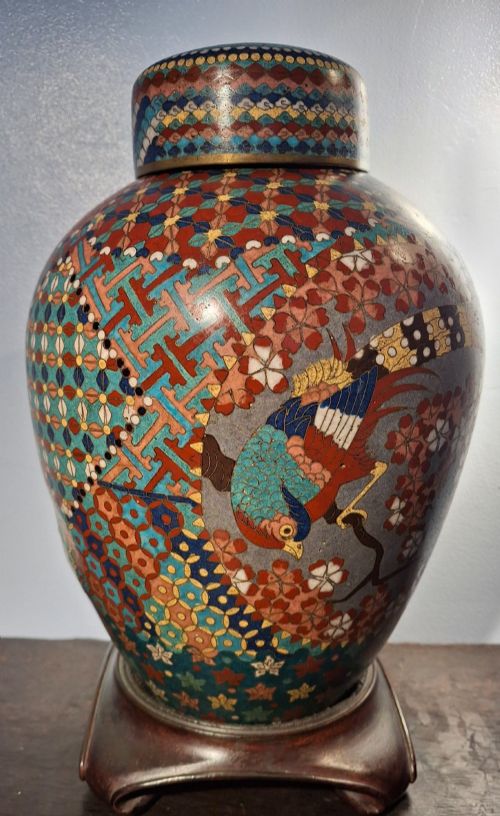
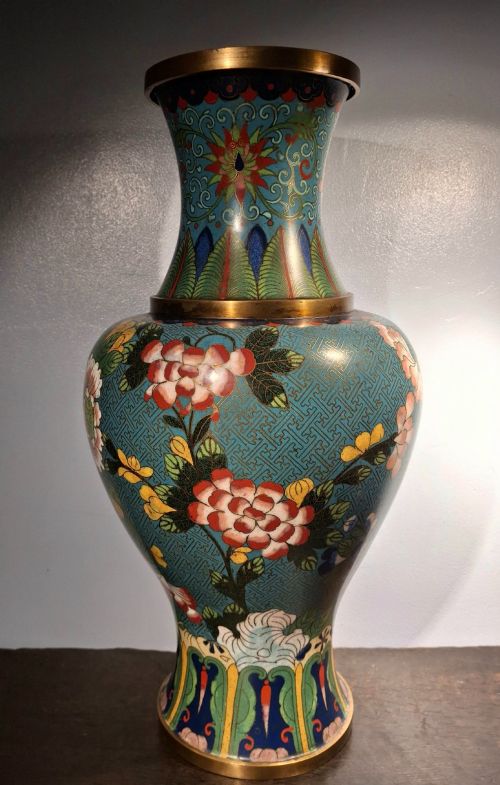
Cloisonné pieces involve soldering thin metal wires onto brass or copper bases to form cells, which artisans fill with coloured enamel pastes before firing and polishing.
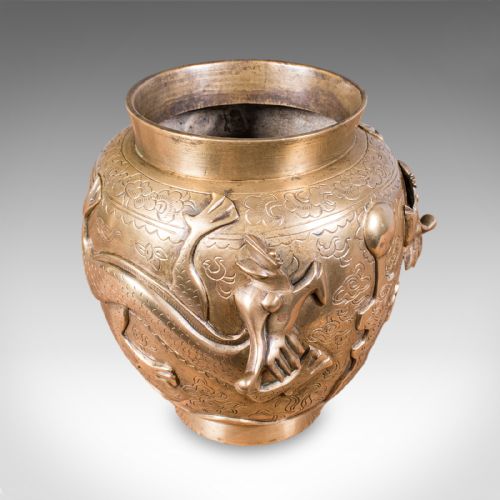
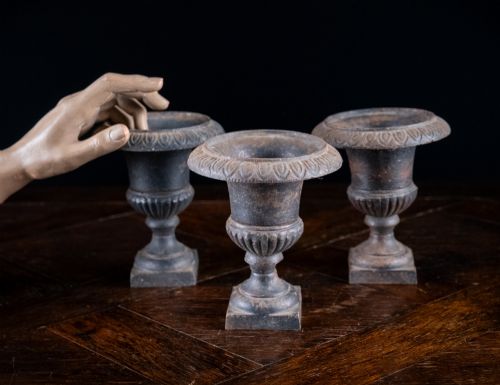
Cast metal items utilise bronze, brass, or iron shaped through foundry work, frequently supplemented by applied gilding or carved wooden stands.
One late Qing dynasty jar depicts a festival of a hundred boys.
What varies in quality
The standard of an antique urn rests on the crispness of its hand-finishing, whether in the delicate brushwork of a porcelain scene or the precision of wirework cells in cloisonné.
Weight and substance differentiate ordinary production from superior factory outputs, particularly in cast bronze or heavy porcelain garnitures.
Artistic ambition dictates value, distinguishing standard decorative stock from signed factory pieces with complex pictorial programmes and fire-gilt mounts.
Spode·Minton·Flight Barr And Barr·Edme Samson·Tsukamoto Hikokichi
The Antique Urns Glossary
- Garniture
- A set of three or more matching vases or urns designed to sit together on a mantelpiece or cabinet.
- Cloisonné
- A decorative metalwork technique where fine wires create bounded compartments filled with enamel paste.
- Campana
- A classical bell-shaped vase form popular during the Regency and Georgian periods.
- Jardinière
- An ornamental pot or stand intended for holding plants or floral arrangements.
- Clobbered
- Porcelain that has been overdecorated at a later date, usually in Dutch workshops, to enhance visual appeal.
Antique Urns: Frequently Asked Questions
How were antique urns used?
These vessels served primarily as ornamental centerpieces on mantelpieces, sideboards, or large tables within formal rooms.
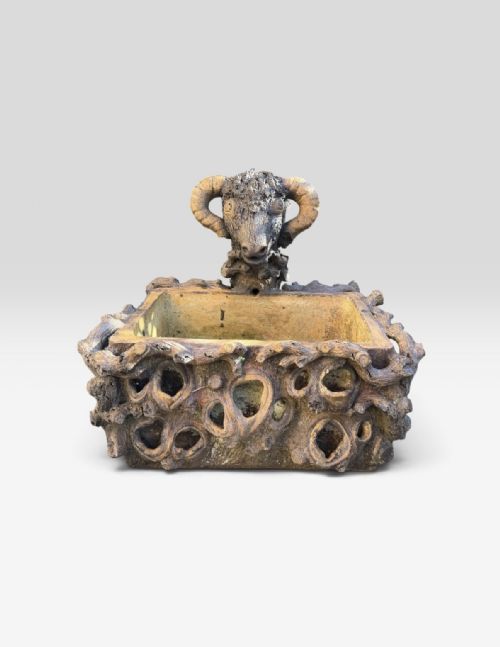
Some larger examples functioned as jardinières for indoor plants or ice pails during dining occasions.
Where should I place an urn at home?
They suit entrance halls, side tables, and mantelpieces where their height and decorative surfaces can be viewed closely.
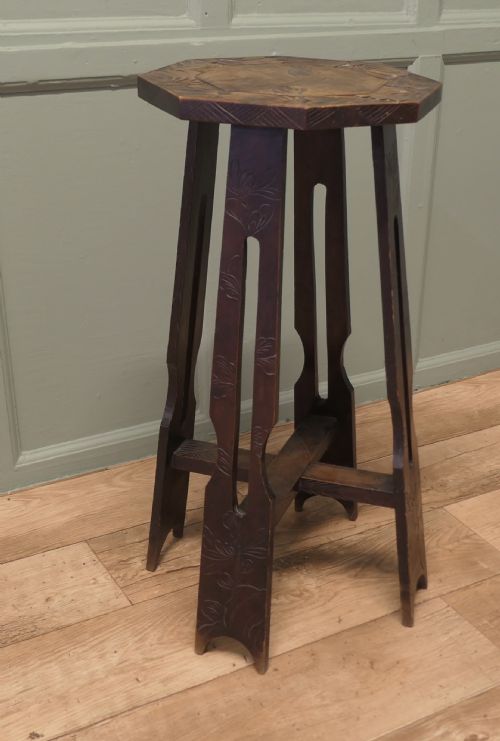
Pairing matching vessels on separate plant stands or furniture tops creates a balanced focal point in a traditional interior.
How do I identify a Georgian urn?
Georgian pieces often display neoclassical lines, restrained gilding, and refined porcelain bodies or heavy mahogany structures.
Look for classical campana silhouettes and hand-painted botanical or classical motifs typical of early workshops.
What is the difference between cloisonné and porcelain?
Cloisonné relies on metal wire cells filled with coloured enamel on copper or brass bases, producing a tactile, metallic surface.
Porcelain is a fired ceramic material offering smooth glazed surfaces suited for detailed hand-painted scenes and gilding.