
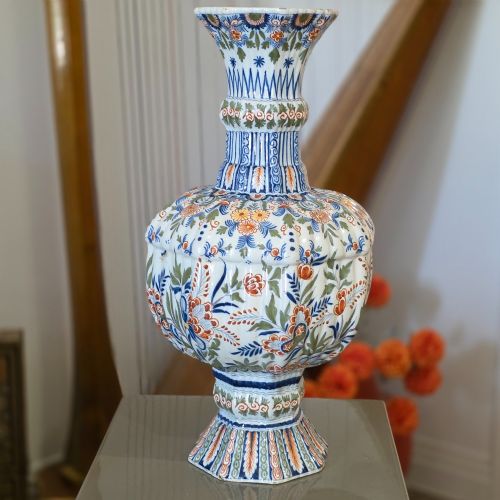
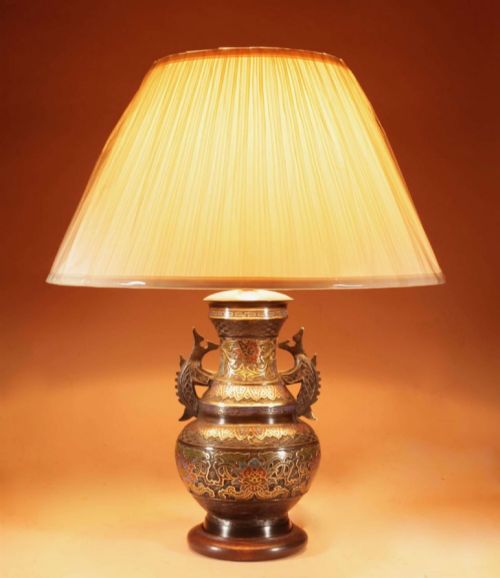
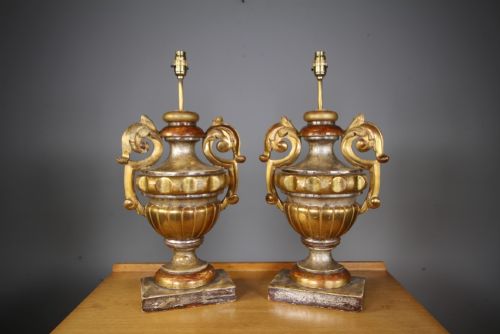

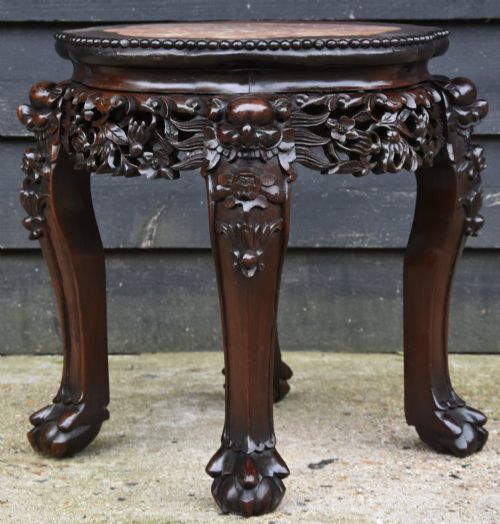
Antique Urn Table
Choosing an antique urn table brings classical proportions and refined display surfaces into domestic interiors.
Antique Urn Table
An antique urn table serves as a specialised support or display surface, often taking the form of a small side table, plant stand, or candle stand designed to elevate decorative vessels. These pieces emerge from periods spanning the Georgian era through the Edwardian years and the early twentieth century.
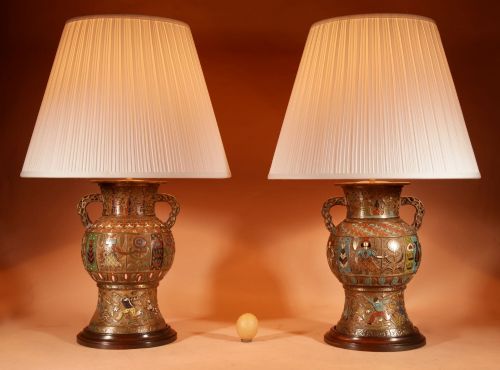
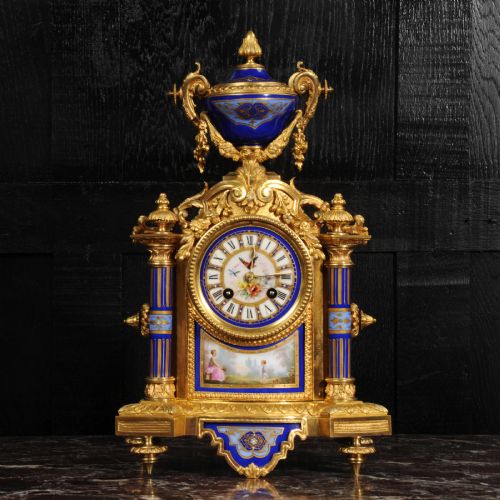
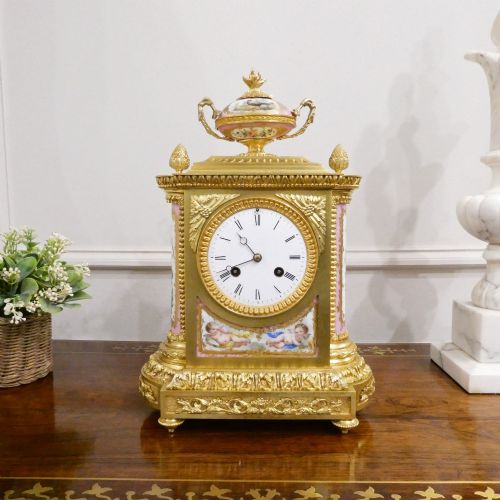
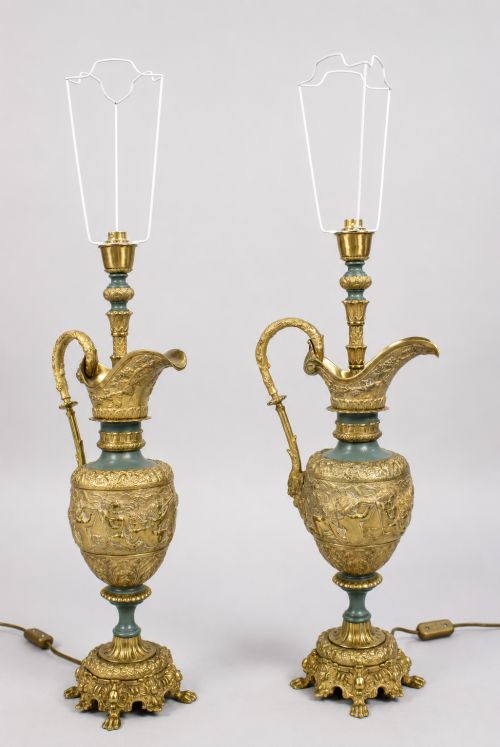
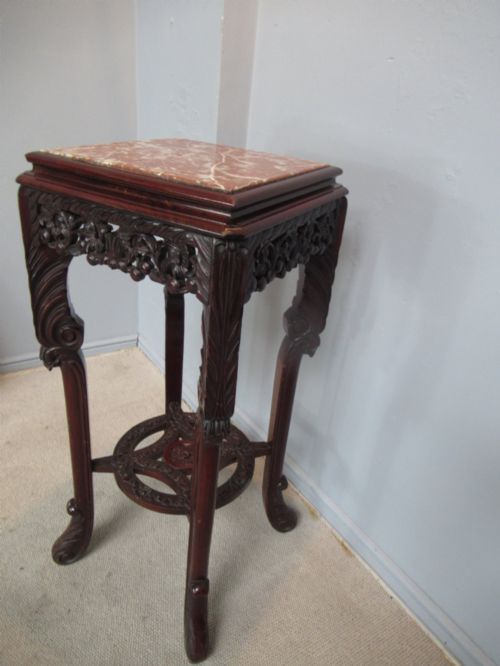
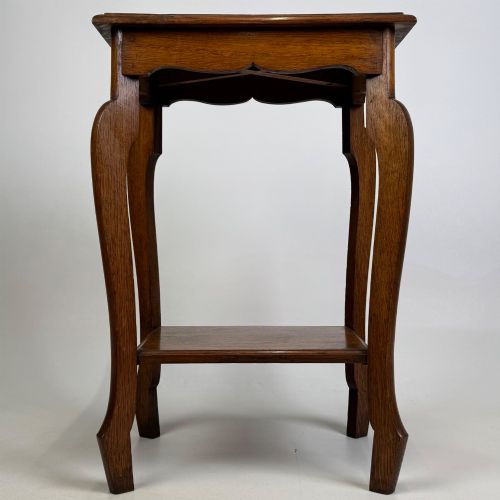
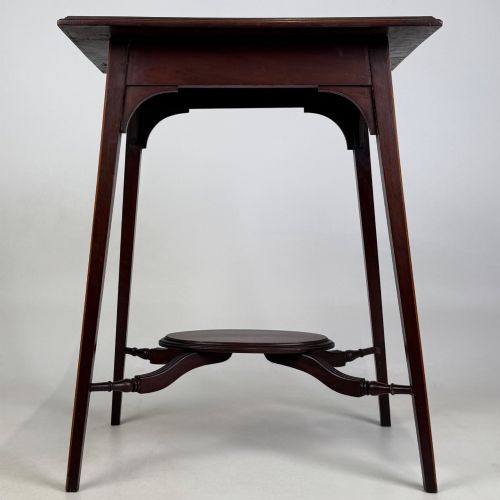
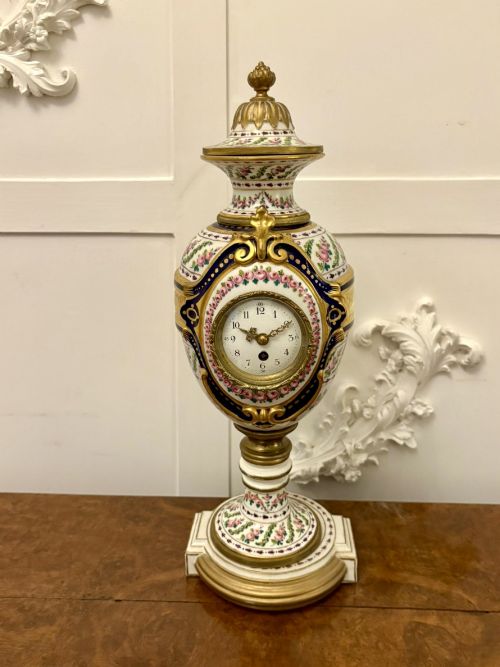
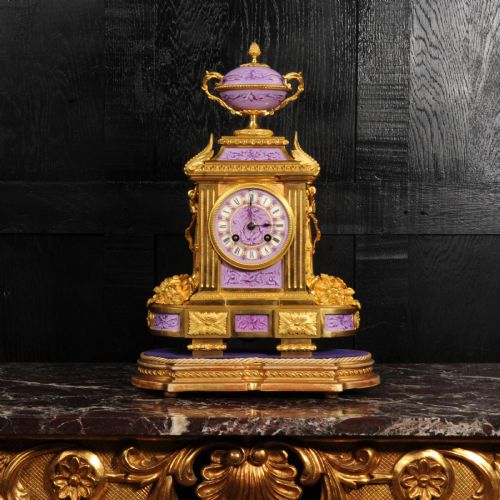
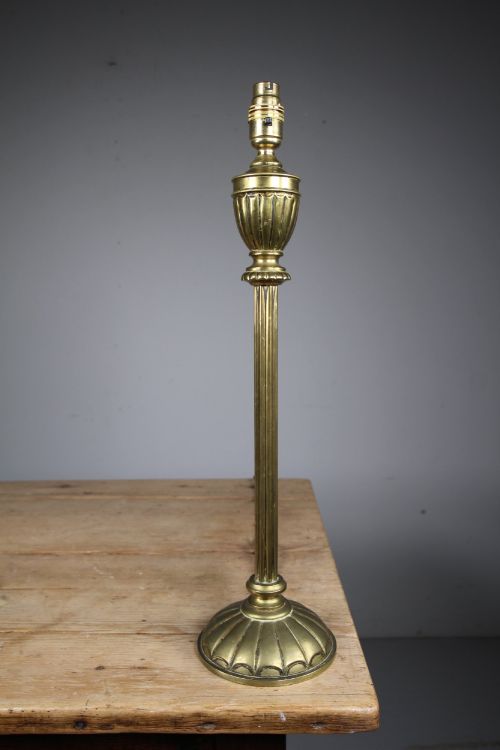
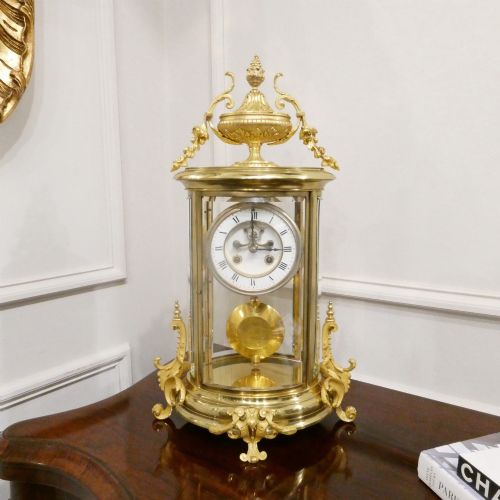
The selection includes low tables and tall pedestals shaped from mahogany, satinwood, oak, and exotic hardwoods, alongside pieces designed as urn-shaped lamp bases and mantel clocks. Makers utilised diverse stylistic influences ranging from Sheraton and Adam designs to French Neoclassical and Japanese Meiji aesthetics.
Buyers encounter forms that bridge functional support and decorative sculpture, utilised historically for holding porcelain, bronze vases, or lighting fixtures. The category encompasses both British cabinetmaker work and continental European craftsmanship.
How They Were Made
Craftsmen shaped these pieces using solid timbers like mahogany, oak, and rosewood, frequently applying decorative veneers such as satinwood and burl walnut to visible surfaces. Joinery relied on traditional methods to ensure stability in slender plant stands and small occasional tables.
Metal components incorporate cast brass, ormolu, and gilt bronze, often paired with carved pine, giltwood, or natural marble tops. Surface enrichment includes intricate mother-of-pearl inlay, hand-painted porcelain panels, and champlevé enamel detailing.
Listings feature items from the 19th Century, Edwardian period, 1890, 1920, 1900, 1880, 1910, and 1860.
What Varies in Quality
The degree of refinement in carving, gilding, and inlay work dictates the distinction between standard production and exceptional workshop output. Pieces attributed to documented makers or specific London firms display superior precision in joinery and metal casting.
The selection of raw materials, such as figured mahogany, heavy rouge marble, or hand-painted Sèvres porcelain, determines the baseline excellence of the physical components. Preservation of original surface finishes and patination further separates well-kept examples from heavily altered pieces.
Achille Brocot·Samuel Marti·Druce & Co London·Mappin & Webb·Thomas Hope
The Antique Urn Table Glossary
- Ormolu
- Gilded bronze applied to furniture mounts and clock cases. This technique involved mercury amalgamation to achieve a durable golden finish on bronze components.
- Satinwood
- A dense, lustrous timber native to India and Ceylon, prized for its golden yellow colour and natural sheen. Cabinetmakers utilised it extensively for Sheraton and Edwardian inlay work.
- Champlevé
- An enamelling technique where troughs are dug into a metal surface and filled with vitreous paste before firing. This method created rich coloured patterns on brass and bronze clock garnitures and lamp bases.
- Pate-sur-pate
- A ceramic decoration method where wet porcelain slip is applied in layers to build up a low-relief cameo design. The technique originated in France and appeared on fine nineteenth-century porcelain lamp bodies.
- Neoclassical
- A style drawing inspiration from classical antiquity, characterised by symmetry, straight lines, and classical motifs such as urns, swags, and fluted columns.
Antique Urn Table: Frequently Asked Questions
What is an urn table used for?
These tables provide an elevated platform for displaying decorative vessels, plants, urns, or lighting fixtures in reception rooms and hallways.
Historically, they served as stable surfaces for holding heavy ceramic or metal containers without risking damage to primary furniture.
How do I identify an Edwardian urn table?
Edwardian examples typically feature lighter satinwood or mahogany timbers, often enhanced with delicate stringing and inlaid motifs derived from Sheraton revivals.
They reflect the domestic tastes of the early twentieth century, prioritising elegance and slender proportions over heavy Victorian mass.
Can these tables hold modern table lamps?
Most occasional tables and plant stands possess adequate surface area and structural stability to support standard lamp bases and wiring.
When selecting a piece for lighting, consider the tabletop diameter and the placement of nearby electrical outlets to ensure safe routing.
What distinguishes Georgian examples from later pieces?
Georgian pieces rely on solid timber construction, particularly rich mahogany, featuring restrained carving and robust joinery designed for daily domestic utility.
They lack the lighter satinwood veneers and revivalist decorative excess common in late nineteenth and Edwardian furniture.