

Antique Upholstered Stool Frame
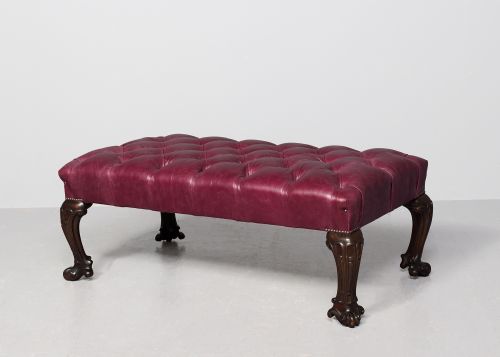
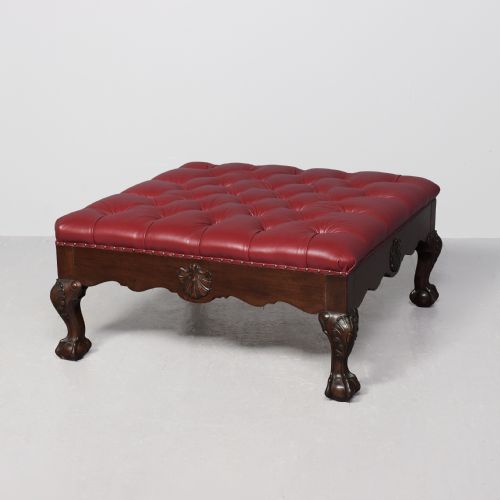
These antique upholstered stool frame pieces range from compact footstools to grand window seats, offering sturdy wooden skeletons ready for traditional textiles.
Antique Upholstered Stool Frame
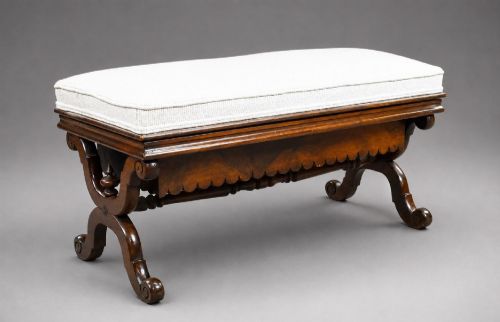
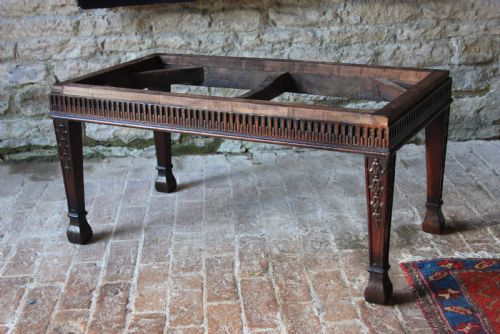
When you search for an antique upholstered stool frame, you encounter timber supports designed to carry textiles, leather, or beadwork. The selection spans compact footstools, dressing stools, and larger window seats or long benches.
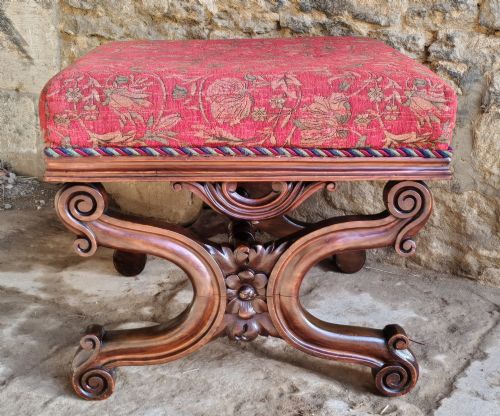
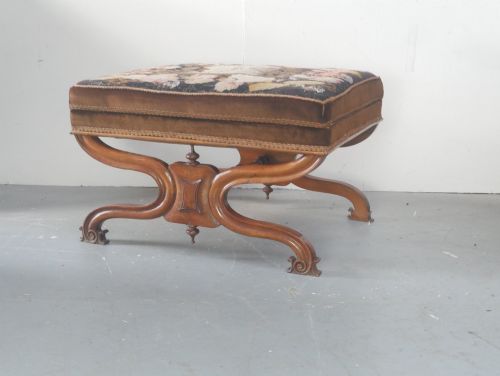
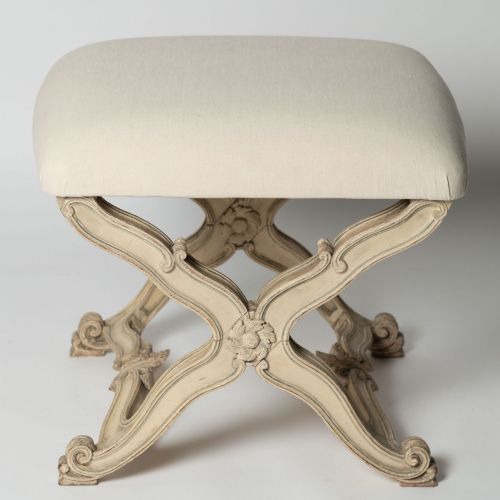
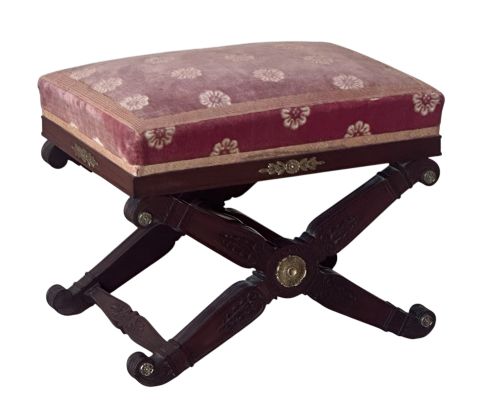
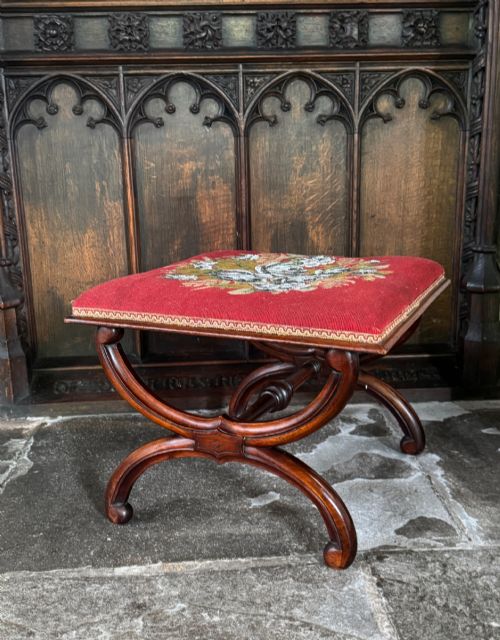
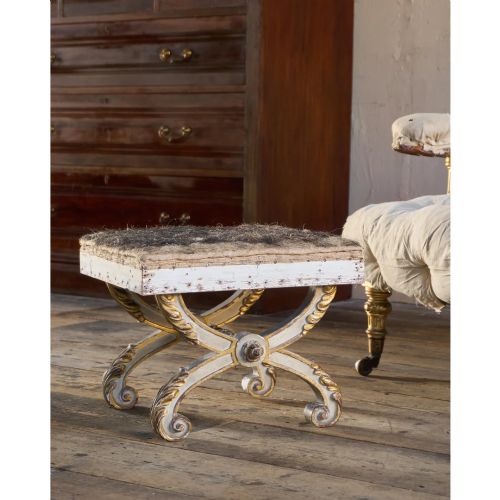
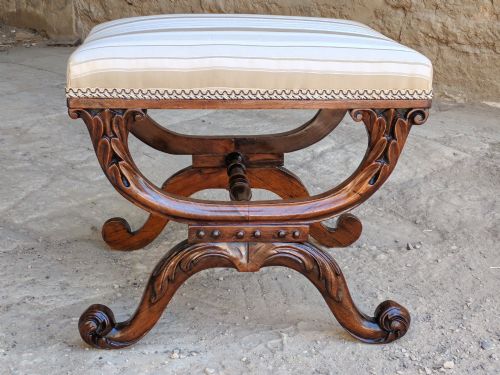
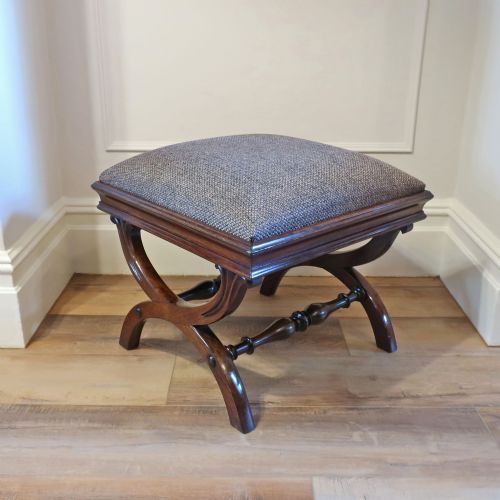
Victorian and nineteenth-century examples dominate the offerings, frequently taking the form of X-frame or curule structures. Alongside these sit pieces from the Georgian, Regency, and Edwardian periods, displaying distinct stylistic revivals.
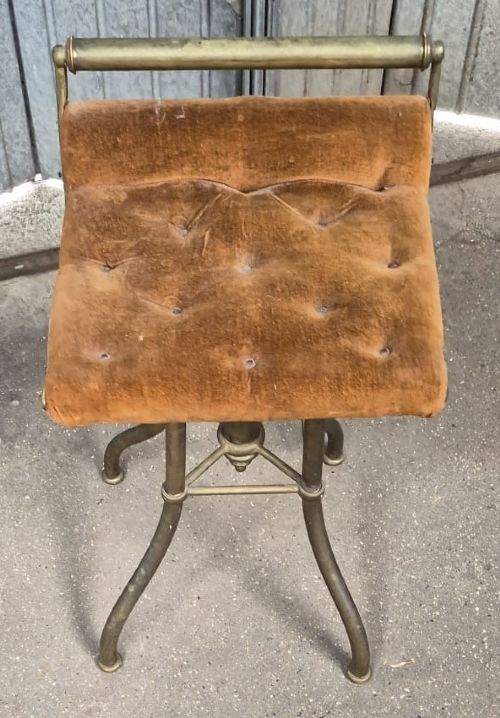
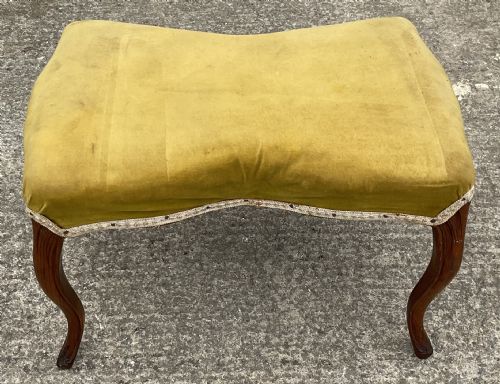
Makers utilised various functional forms, from piano stools to centre stools intended for domestic spaces. Many retain their original upholstery materials, whilst others present bare timber frames ready for restoration.
Materials and construction methods
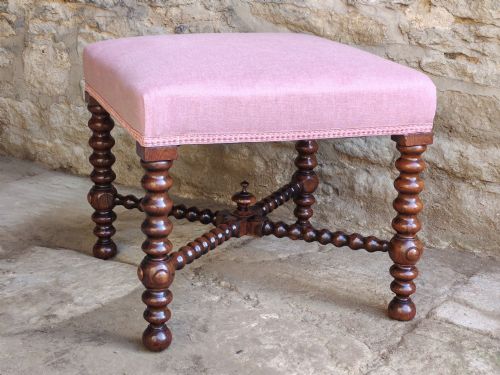
Cabinetmakers constructed these frames using dense hardwoods including mahogany, walnut, rosewood, and oak. These timbers provided the structural integrity required for weight-bearing seats, often enhanced with carved details or spiral turnings.
Upholstery techniques involved webbing, stuffing, and securing textiles such as velvet, damask, kilim, tapestry, and leather over the wooden carcasses. Brass elements and decorative mounts occasionally reinforced the structural joints and decorative schemes.
Victorian X-frame designs frequently incorporate decorative carved elements, including hunting dog heads.
Assessing quality and craftsmanship
The distinction between standard domestic seating and superior pieces rests in the crispness of the timber carving and the architectural balance of the frame. X-frame constructions require precise joinery at the pivot points to ensure long-term stability under weight.
Choice of primary wood dictates the tier of the piece, with figured rosewood, burr maple, and richly grained mahogany occupying the higher strata. Original decorative elements, such as hand-carved animal heads or gilt accents, elevate the stature of individual examples.
Miles and Edwards
The Antique Upholstered Stool Frame Glossary
- X-frame
- A structural form utilising two intersecting curved or straight timber members shaped like the letter X to support the seat. This ancient design gained particular popularity during the Regency and Victorian periods.
- Curule
- A form of X-frame stool derived from classical Roman folding seats, typically featuring gracefully curved legs. Examples often incorporated mahogany or rosewood.
- Kilim
- A flat-woven textile often utilised as a durable and decorative covering for nineteenth-century footstools. These woollen fabrics introduce geometric patterns to the seat.
- Window seat
- An elongated stool or bench designed to fit within the architectural recess of a window. These pieces frequently feature carved mahogany or rosewood frames.
- Beadwork
- A handicraft technique involving small glass beads stitched onto canvas to create intricate pictorial or geometric seat covers. Victorian makers frequently applied this technique to walnut frames.
Antique Upholstered Stool Frame: Frequently Asked Questions
What periods do these stool frames date from?
The available selection spans primarily from the early nineteenth century through the Edwardian era. Pieces frequently reflect Regency, William IV, and Victorian design aesthetics.
Examples include Georgian footstools alongside later nineteenth-century revival styles such as Chippendale and Neoclassical. Specific dated items provide precise benchmarks within the broader nineteenth-century timeline.
How were these stools used in period homes?
These pieces served multiple domestic functions, operating as footstools before armchairs, dressing stools in bedrooms, and window seats in reception rooms. Larger versions functioned as centre stools or piano seating.
Their portable nature allowed residents to move them easily between firesides and dressing areas. Long benches additionally provided flexible seating options in hallways and parlours.
What timbers were commonly used for the frames?
Cabinetmakers selected dense hardwoods capable of supporting structural weight and intricate carving. Mahogany and walnut appear with high frequency across various nineteenth-century examples.
More luxurious pieces utilised exotic timbers such as rosewood and burr maple. Oak and ebonised woods also occur, particularly within specific revival and aesthetic period pieces.
Are the upholstery coverings original?
Upholstery survival varies significantly, with some frames retaining period textiles like leather, velvet, tapestry, and kilim. Other examples survive as bare timber frames or retain worn coverings intended for replacement.
Buyers frequently encounter pieces retaining mid-nineteenth-century needlework or beadwork seats. Professional reupholstering remains common practice to preserve the underlying wooden carcass.