
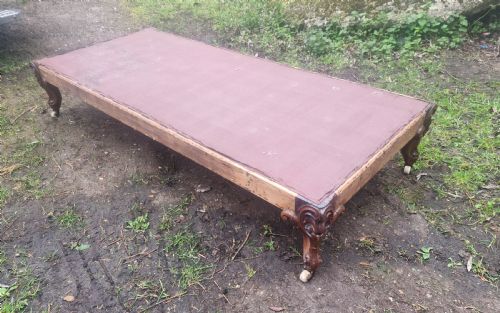


Dark Wood Stool Frame
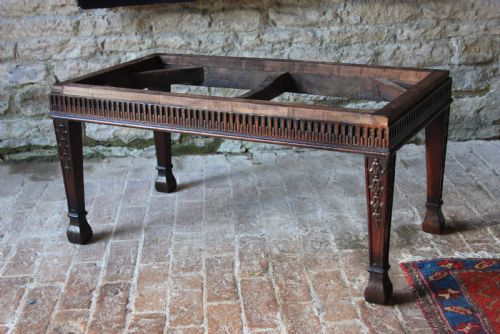
These dark wood stool frame pieces are bare structural supports waiting for upholstery, and collectors prize them for their exposed timber and classic form.
Dark Wood Stool Frame
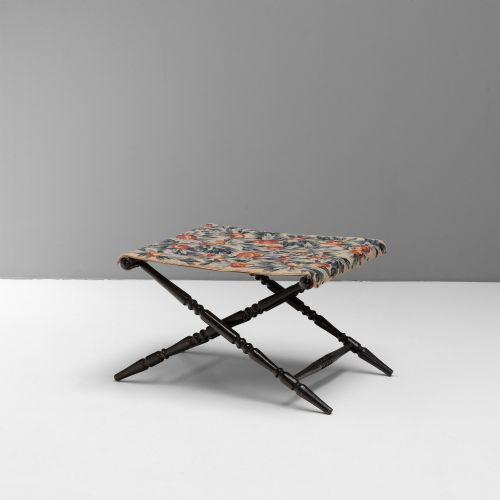
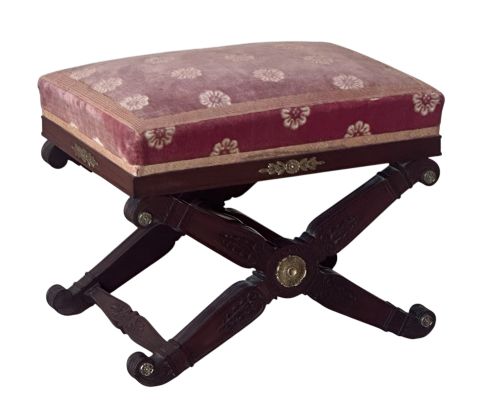
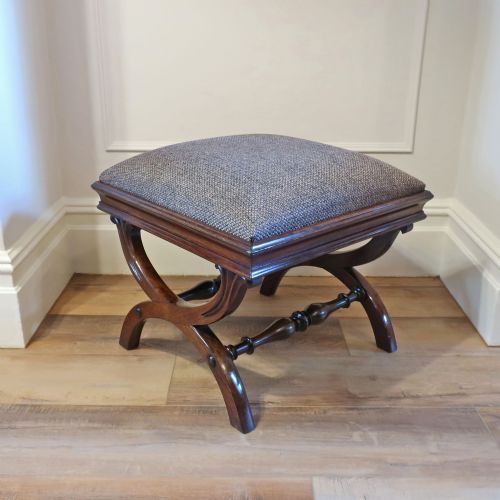
When you search for a dark wood stool frame, you encounter structural supports and skeletal bases rather than finished seating. These items appear as footstools, centre stools, dressing stools, and X-frame stools originating from periods such as the Georgian era, the Victorian era, and the nineteenth century.
The inventory on this page consists predominantly of mahogany and rosewood structures, occasionally featuring ebonised wood or brass details. Many of these pieces retain their original bare frames or require new textile coverings, making them ideal projects for traditional upholsterers.
The forms range from simple low footstools to elegant French Empire X-frame models and folding luggage stands. Each piece demonstrates the heavy reliance on dense timbers that defined domestic seating during the eighteenth and nineteenth centuries.
How they were made
Cabinet makers constructed these frames primarily from dense hardwoods like mahogany and rosewood, selecting these timbers for their strength under load. Artisans often applied carved details directly into the solid wood rather than relying on applied veneers.
X-frame constructions required precise joinery to ensure the intersecting wooden members could bear weight without slipping. Secondary elements occasionally incorporated brass fittings to reinforce joints or provide decorative accents on French Empire and Victorian pieces.
Several of these frames spent centuries hiding under layers of tapestry before finding a second life as bare wooden skeletons.
What varies in quality
The distinction between ordinary and superior frames rests upon the crispness of the carving and the weight of the timber. Dense, well-figured mahogany or rosewood demonstrates a higher grade of material selection than softer or plainer woods.
The structural integrity of the joints and the complexity of the design, such as an intricate X-frame or detailed carved borders, separate standard utilitarian supports from high-status period examples.
The Dark Wood Stool Frame Glossary
- X Frame
- A structural form utilising two crossing diagonal members that support the seat. This design appears frequently in French Empire and nineteenth-century Irish pieces.
- Centre Stool
- A large freestanding stool designed to sit in the middle of a room rather than against a wall. These frames often feature elaborate carving on all four sides.
- Rosewood
- A heavy, dense tropical timber prized for its dark colour and distinct grain patterns. Cabinet makers utilised this material extensively for high-end Victorian frames.
- Mahogany
- A durable reddish-brown hardwood common in Georgian and Victorian furniture. It provided the structural strength necessary for heavily carved stool frames.
- Ebonised Wood
- Timber treated with a chemical stain or finish to imitate ebony. This dark surface treatment appears on select nineteenth-century frames.
Dark Wood Stool Frame: Frequently Asked Questions
What is a dark wood stool frame?
A dark wood stool frame is the bare wooden structure of a historical seat, stripped of its original fabric or sold ready for new upholstery.
These pieces showcase the exposed craftsmanship of periods like the Georgian and Victorian eras without the distraction of modern textiles.
How do I choose the right frame?
Consider the timber type, such as mahogany or rosewood, and the complexity of the woodwork to match your restoration plans.
Frames with X-shape supports or detailed carvings offer a more decorative starting point than simple rectangular footstool bases.
Can I use these frames without upholstery?
Most of these items were built to be covered in fabric, tapestry, or other textiles as part of their original design.
Leaving the wooden structure completely bare exposes the webbing grooves or tack holes left by previous upholsterers.
How do I date a stool frame?
Dating relies on identifying the wood species, the joinery methods, and stylistic cues like French Empire or Victorian carving.
Heavier rosewood and mahogany constructions generally point towards nineteenth-century craftsmanship, while lighter carved details often suggest mid-eighteenth-century origins.