


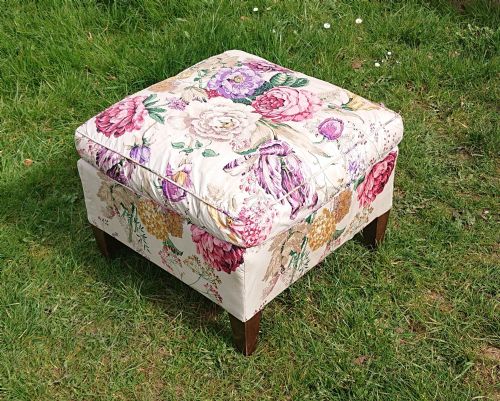


Antique Upholstered Hassock
An antique upholstered hassock brings tactile comfort and period character to a room, offering a versatile seat or footrest.
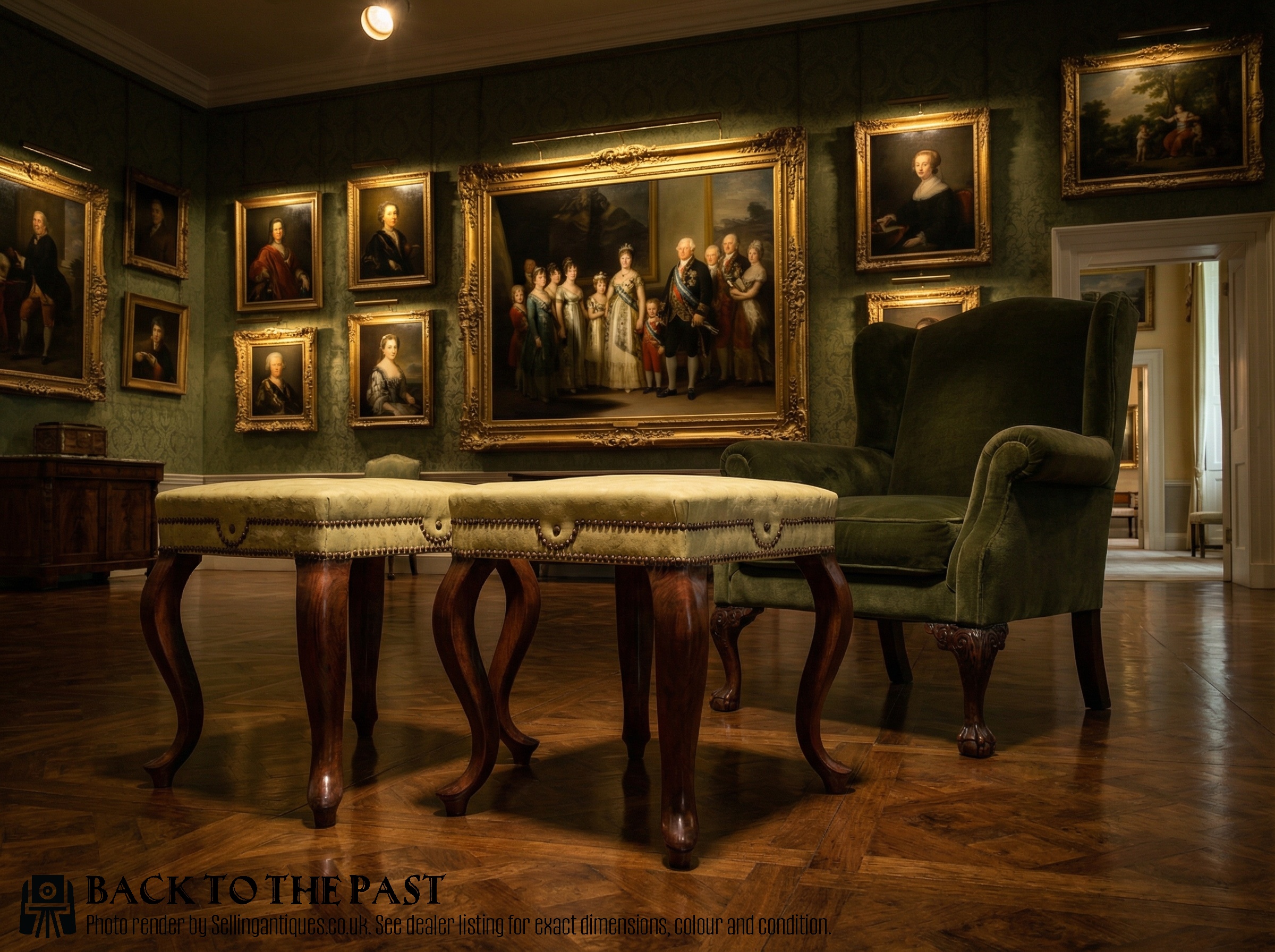
Identifying an antique upholstered hassock
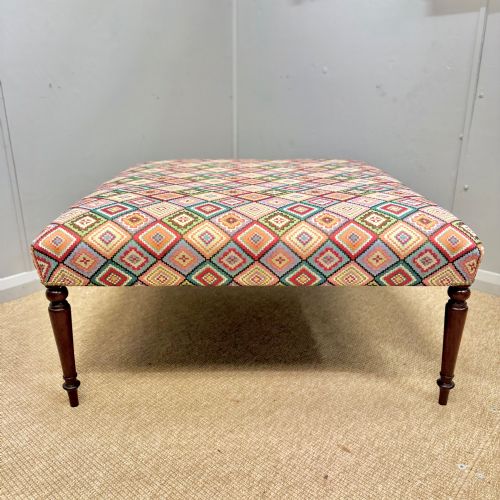
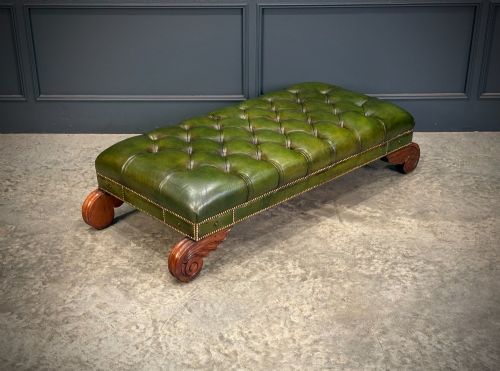
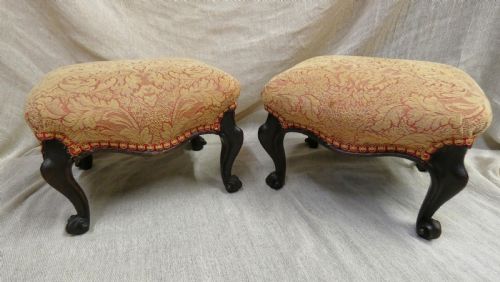
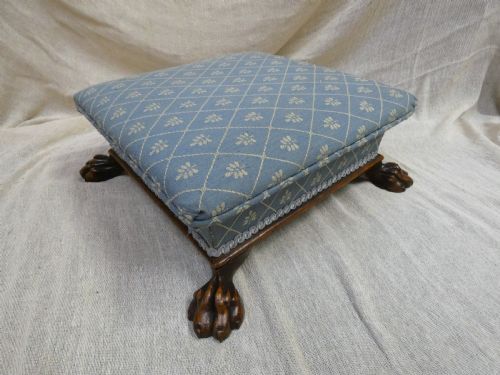
When you search for an antique upholstered hassock, you are looking at low seating forms designed for the foot or the floor. The selections here include footstools, ottomans, and ottoman seats spanning the Regency and Victorian periods.
You are most likely to meet Victorian footstools and ottomans on this page, alongside earlier Regency pairs. These pieces function equally well as compact seats or as rests before a larger armchair.
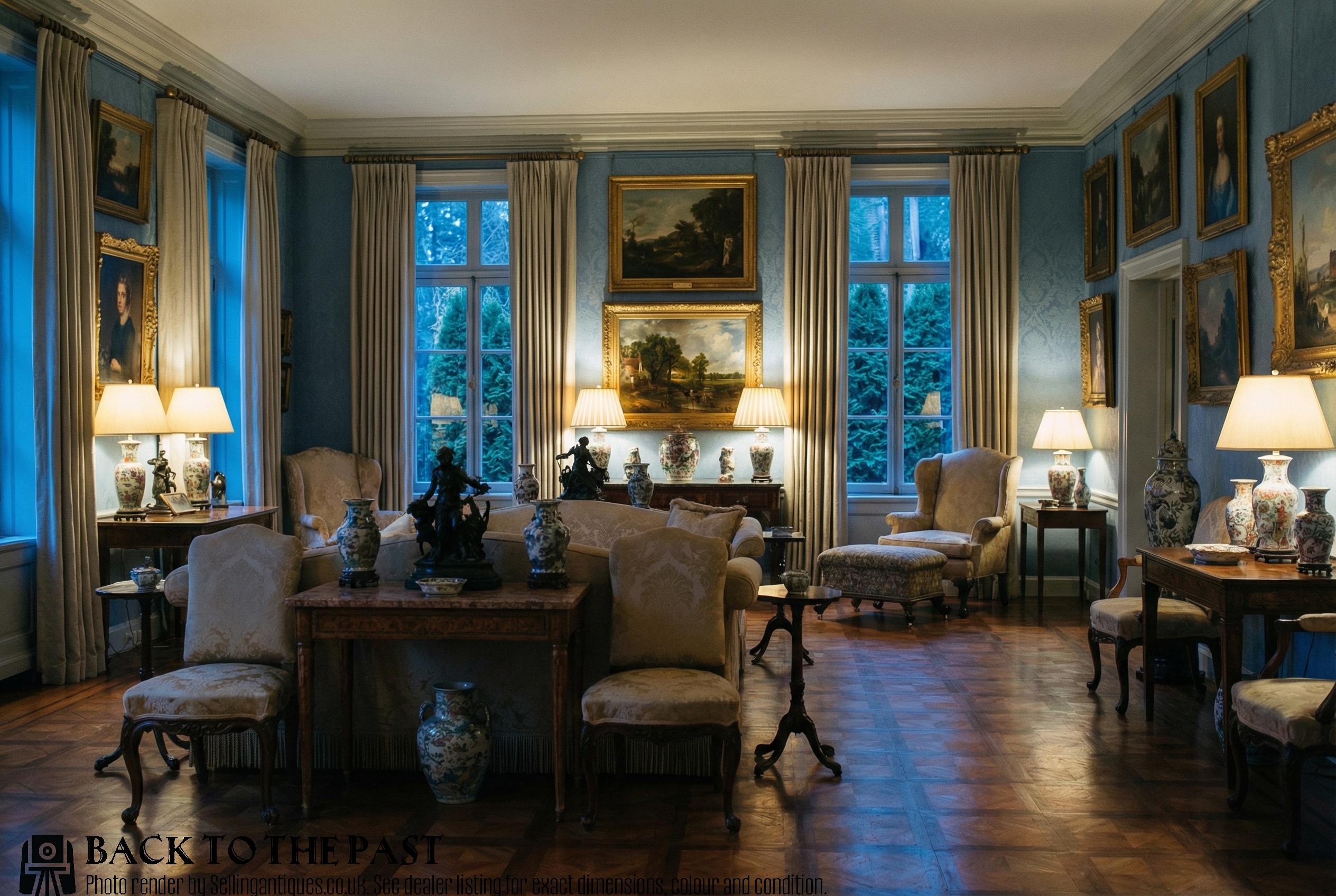
Materials and construction
Construction relies upon solid timber frames, with mahogany frequently utilised for the visible wooden elements and supports. Brass components sometimes appear as castors or structural accents on these low seats.
Upholstery incorporates textile coverings such as silk and wool, secured over padded interiors. Ceramic elements occasionally feature in the detailed hardware or feet of the pieces.
Retail Price Guide 2026
Typical UK retail prices for upholstered hassock, calculated from the Sellingantiques database of over a million retail prices indexed since 2003. This retail price guide relies exclusively on Sellingantiques data; no external sources or auction records are used, so the figures do not describe the wider market.
Current site listings exclusively feature Victorian, Regency, and nineteenth-century pieces.
Judging quality and character
Quality separates pieces through the selection of timber and the ambition of the frame form. A denser mahogany frame with considered proportions distinguishes the finer examples from standard workshop production.
The choice and execution of textile upholstery defines the upper end of the range. Original silk and wool coverings demonstrate superior tactile depth compared to later replacement fabrics.
The Antique Upholstered Hassock Glossary
- Hassock
- A thick mat or low upholstered seat used for kneeling or resting the feet. These items provide portable comfort close to the floor.
- Ottoman
- A low upholstered seat or footstool without a back or arms. Nineteenth-century examples often double as substantial footrests.
- Mahogany
- A durable tropical hardwood prized for rich brown tones and sturdy cabinetwork. It forms the structural base for many nineteenth-century frames.
- Regency
- A British stylistic period spanning the early nineteenth century defined by classical restraint. Pieces from this era show distinct architectural lines.
Frequently Asked Questions
What is an antique upholstered hassock used for?
These pieces serve primarily as footstools or low seats placed before armchairs and sofas. They provide a comfortable rest for the feet while seated.
In larger formats, they function as compact independent seats within a drawing room or study. Their low profile keeps sightlines open across the interior.
How do I date an upholstered hassock?
Dating relies upon stylistic markers associated with periods such as the Regency or Victorian eras. The turned woodwork and proportions offer primary clues to the decade of manufacture.
Secondary indicators include the choice of timber, such as mahogany, and the specific hardware employed. Comparing these structural details with documented examples clarifies the age.
Where should I place a hassock in a room?
A hassock sits naturally beside a fireside chair or at the centre of a seating arrangement as a movable footrest. Its compact dimensions allow it to tuck easily beneath tables or beside cabinetry when not in use.
Pairing stools can flank a fireplace or sit beneath a window. Their textile surfaces soften hard floor finishes like timber boards or stone.
Are these hassocks sturdy enough for daily sitting?
Solid mahogany frames and traditional joinery ensure these pieces remain robust for everyday use. They were built to bear the weight of feet or a seated person.
Care should be taken with antique textiles and delicate silk or wool coverings. Regular, gentle maintenance preserves the structural integrity of both frame and upholstery.