


Antique Turquoise Vessel
An antique turquoise vessel brings vibrant colour and centuries of craftsmanship to a room, ranging from Ming dynasty porcelain to Meiji cloisonne.
Antique Turquoise Vessel
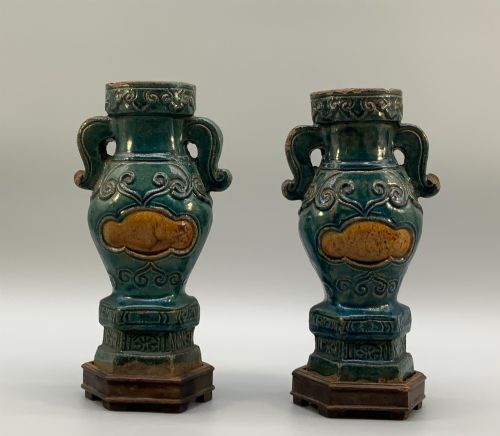
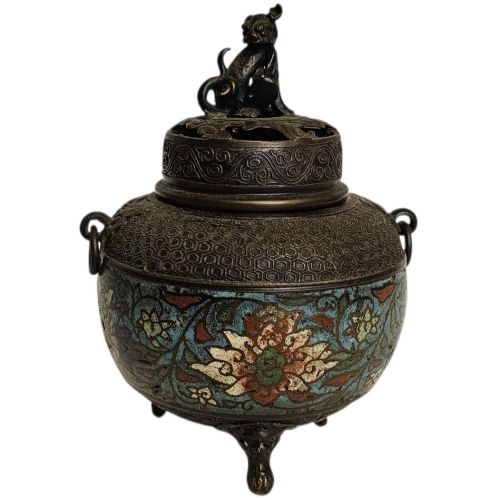
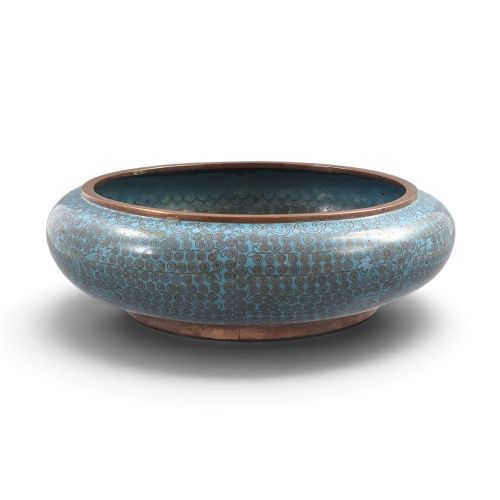
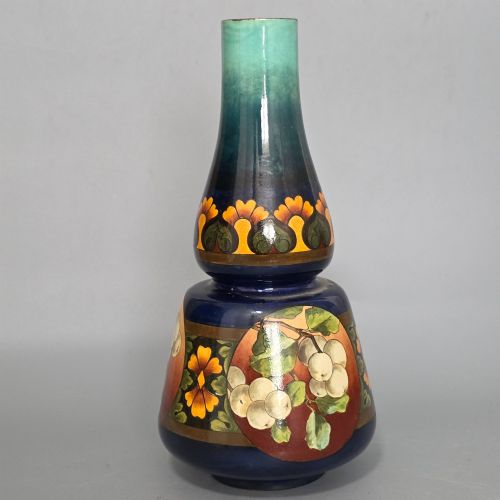
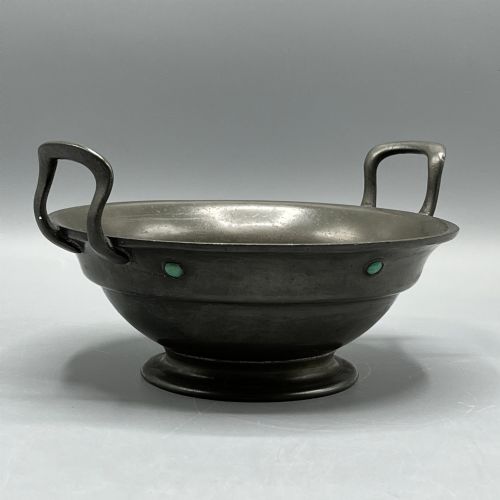
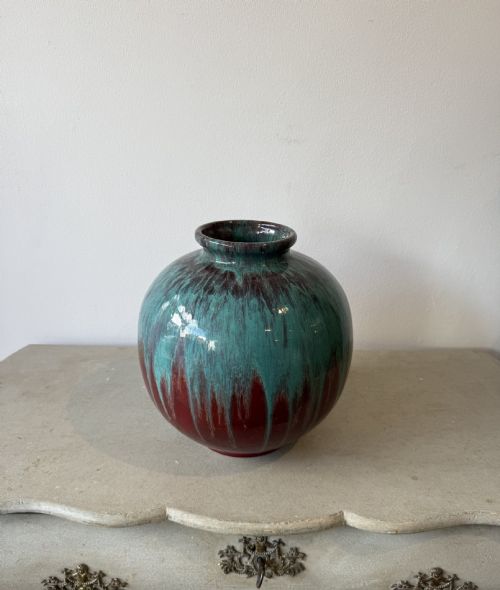
When you search for an antique turquoise vessel, you encounter a diverse group of objects spanning centuries, from early Ming dynasty porcelain to later European and British art pottery. These pieces take many forms, including vases, censers, lidded jars, bowls, and wine vessels.
The selections on this page are dominated by Asian works, particularly Chinese cloisonne enamel pieces from the nineteenth century alongside Japanese examples from the Meiji and Edo periods. European ceramics, including Doulton Lambeth faience, Minton, and French art pottery, also appear frequently.
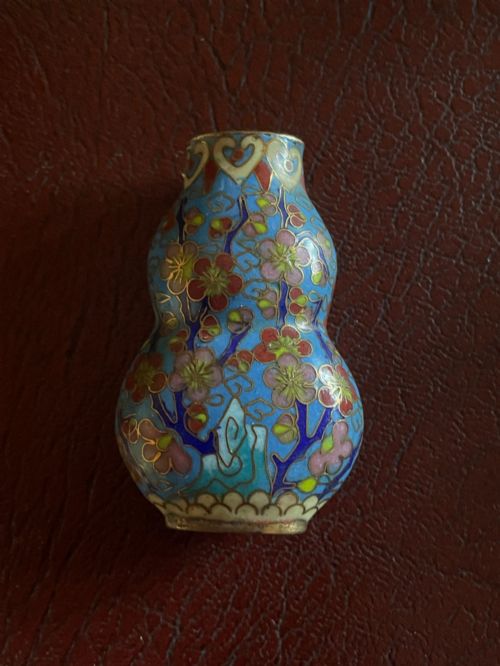
Vessels range from small scholar's brush washers and miniature vases to large floor-standing jardiniere bowls and umbrella stands. Each piece utilises turquoise glaze or enamel as a defining visual characteristic, whether applied to bronze, copper, earthenware, or porcelain.
How they were made
Cloisonne enamel pieces rely on fine metal wires soldered to a bronze or copper base to create compartments, which artisans then fill with turquoise and coloured glass pastes before firing and polishing. This demanding technique requires precise temperature control to fuse the vitreous enamel to the metal framework.
Ceramic vessels combine clay bodies such as earthenware or porcelain with metallic oxide glazes, notably copper-based turquoise formulations that produce vivid blue-green tones when fired in a kiln. Artisans often shaped these bodies on a potter's wheel or cast them in moulds before applying hand-painted or glazed details.
The selection includes Japanese Edo and Meiji period works alongside Chinese Ming and Qing dynasty pieces and British art pottery.
What varies in quality
Quality in cloisonne enamel and metalwork depends on the crispness of the wirework and the density of the enamel fill, where superior examples show minimal pitting and perfectly uniform colour across complex surfaces. Heavier metal gauges and finely chased gilt bronze mounts also distinguish finer workshop production from standard commercial output.
For ceramic and glass pieces, quality rests in the depth of the glaze and the precision of the form, with hand-thrown art pottery and cased glass demonstrating greater artistic ambition than mass-produced slip-cast wares. The clarity of the turquoise tone and the absence of firing faults reveal the skill of the potter or glassmaker.
Doulton Lambeth·Liberty and Co·Minton·Sevres
The Antique Turquoise Vessel Glossary
- Cloisonne
- An enamelling technique where metal wires form small cells on a bronze or copper body to hold coloured glass pastes. Artisans then fire and polish the surface until smooth.
- Censer
- A vessel designed for burning incense during rituals or scholar's pastimes. These often feature pierced lids and tripod supports.
- Jardiniere
- A large ornamental pot or bowl used to hold living plants or floral arrangements. They frequently stand on matched pedestals or feet.
- Porringer
- A small shallow bowl with one or two horizontal handles, historically used for porage or broth. Later examples function as sugar basins or decorative dishes.
- Champleve
- An enamelling method where troughs are gouged directly into a metal surface and filled with enamel. This contrasts with cloisonne, which uses soldered surface wires.
Antique Turquoise Vessel: Frequently Asked Questions
How do I identify a Chinese cloisonne vessel?
Examine the surface under a magnifying glass to check for thin metal wires forming distinct cells filled with coloured enamel. The base and interior often reveal exposed bronze or copper with a characteristic aged patina.
Older pieces from the Qing or Ming dynasties typically feel heavier for their size and exhibit softer, hand-polished enamel surfaces compared to twentieth-century reproductions.
Where were turquoise art pottery vessels made?
British art potteries such as Doulton Lambeth produced glazed earthenware vessels during the late nineteenth century. European studios in France and Bohemia also manufactured distinctive turquoise glass and ceramic pieces.
Asian export workshops in China and Japan created the majority of the metal-based cloisonne and bronze vessels found in this category.
How should I display an antique turquoise vessel?
Place turquoise vessels where natural light can highlight the depth of the glaze or enamel work. Ensure they sit on stable, level surfaces away from direct heat sources that might affect older adhesives or dry out ceramic bodies.
Pairing metal cloisonne pieces with contrasting wooden stands or placing ceramic vases against neutral backgrounds helps emphasise their vivid colour.
What is the difference between cloisonne and champleve?
Cloisonne involves soldering thin metal wires onto a metal base to create raised compartments for enamel paste. This method produces intricate, precise geometric and floral patterns.
Champleve requires carving or engraving channels directly into the thick metal body itself to receive the enamel. This technique results in bolder lines and heavier, more tactile surfaces.