

Antique Turned Lamps
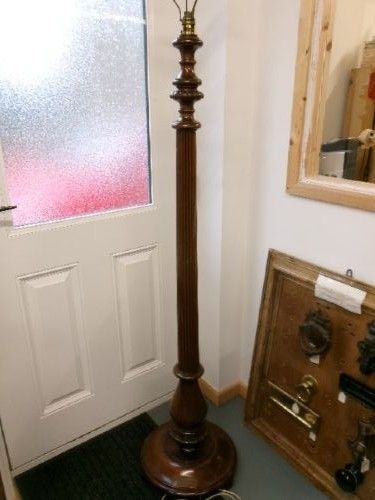
Antique turned lamps bring heavy timber standards and warm brass fittings into a room, offering the height of traditional illumination.
Antique Turned Lamps
When you search for antique turned lamps, you encounter sturdy vertical standards and occasional pieces repurposed or built for lighting from the eighteenth, nineteenth, and early twentieth centuries. The selection spans floor lamps and table lamps alongside closely related turned supports in oak, mahogany, and walnut.
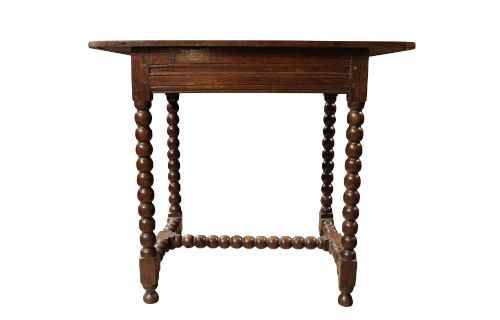
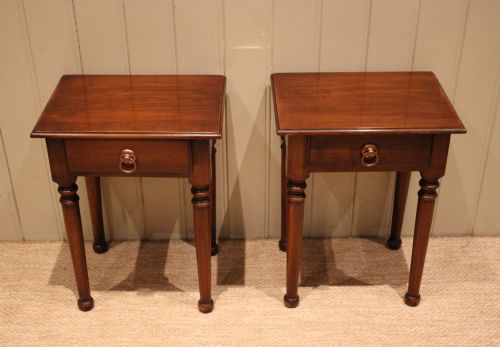
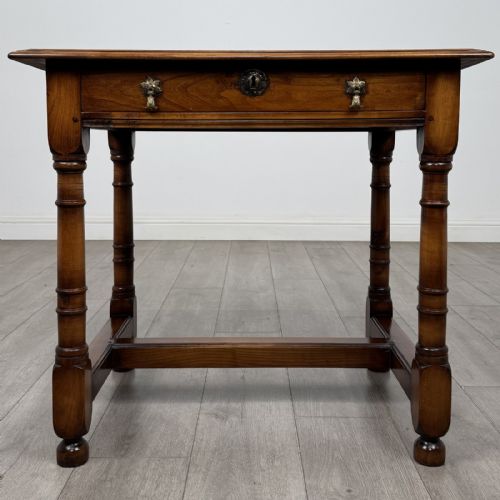
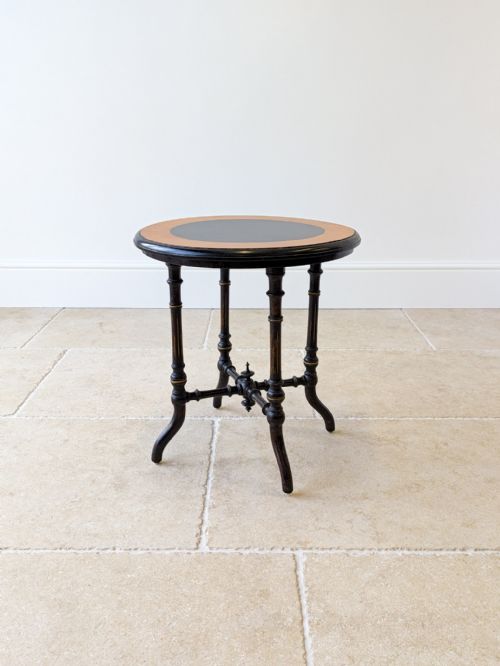
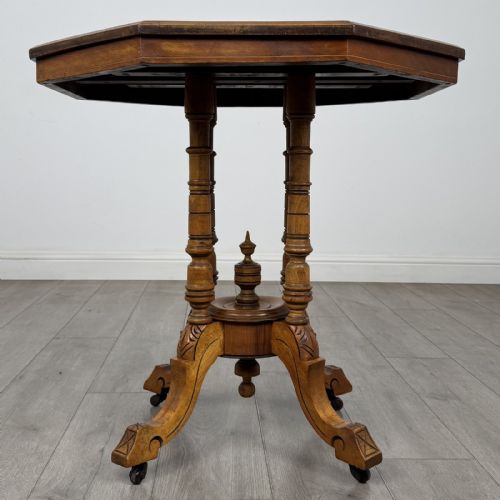
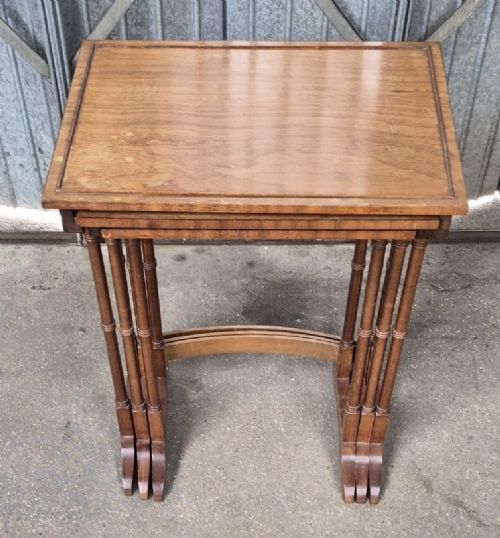
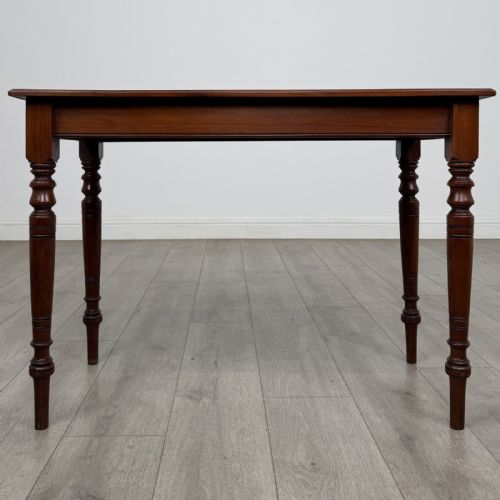
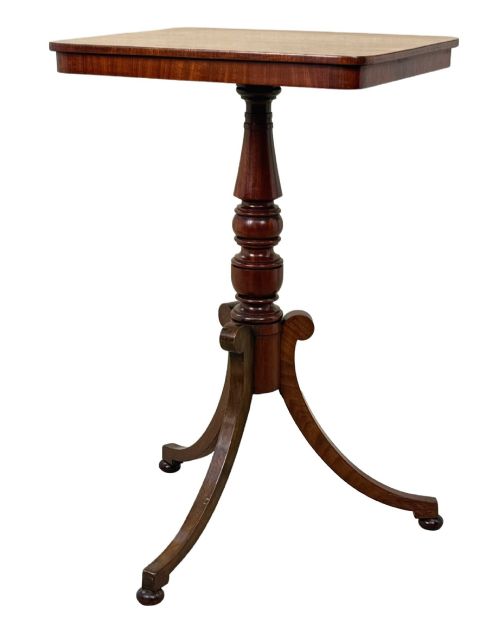
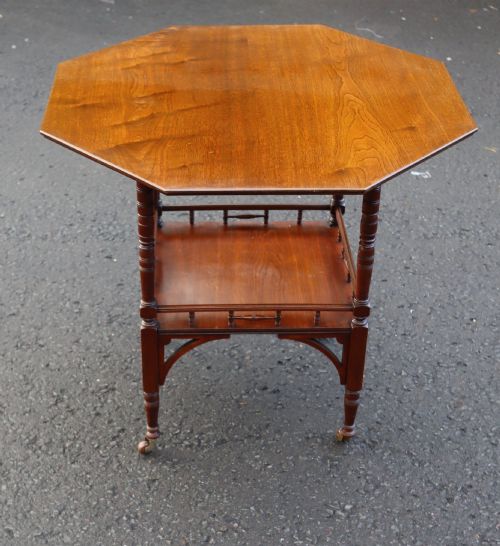
You are most likely to meet standard floor lamps and smaller table pieces from the Victorian, Edwardian, and Georgian periods, often featuring the column turns typical of contemporary side and wine tables.
How they were made
The construction relies heavily on native and imported timbers such as mahogany, oak, walnut, yew wood, fruitwood, and rosewood, shaped on a lathe to create the characteristic profiles. Brass fittings and components are frequently integrated into the design for mounts and lamp holders.
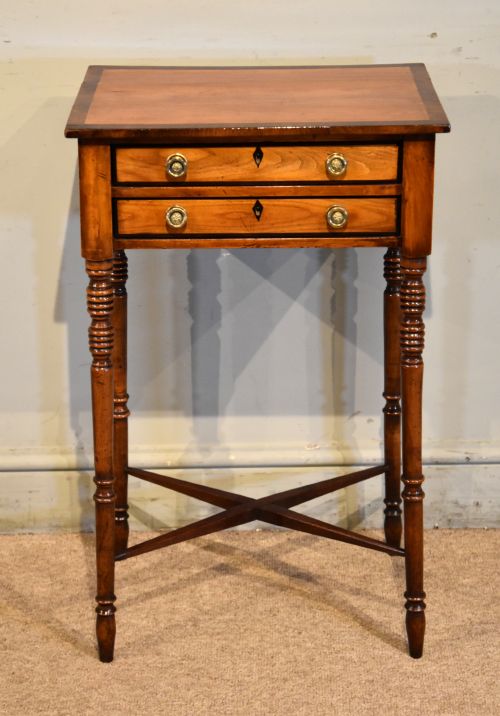
Makers utilised traditional joinery, turning the wood on lathes to achieve bobbin, spiral, or classical columnar forms before finishing the surfaces with polish or paint.
Antique Turned Lamps Retail Price Guide 2026
Typical asking prices for turned lamps among the pieces listed under this phrase on Sellingantiques today, from the lower quarter to the upper quarter. They describe what is for sale here now, not the wider market.
What varies in quality
The distinction between standard examples and the finest pieces lies in the crispness of the wood turning and the selection of figured timber like burr walnut or rich mahogany. Heavier gauge brass elements and substantial solid wood bases rather than veneered deal distinguish the superior items.
Proportion and stability dictate the grade of a piece, where a well-balanced weighted base and precise lathe work separate utilitarian items from finer decorative pieces.
Heals
The Antique Turned Lamps Glossary
- Turned
- Shaped on a lathe by rotating the wood against a cutting tool to produce cylindrical and rounded symmetrical patterns.
- Bobbin turned
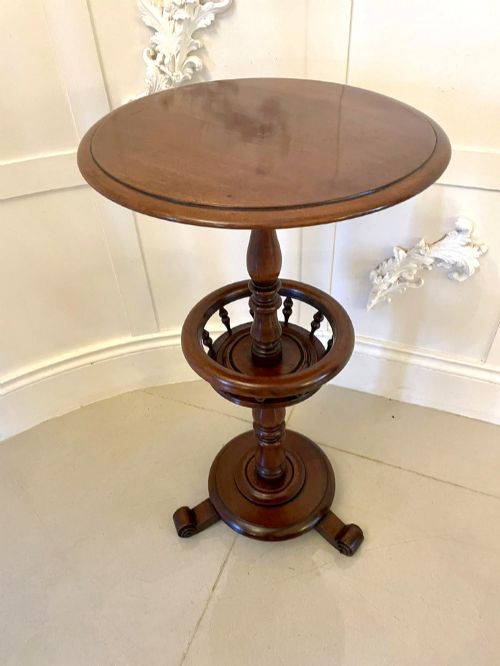
- A style of turning that resembles a string of wooden bobbins or spools stacked end to end along the shaft.
- Tilt-top
- A table mechanism allowing the surface to tilt vertically when not in use, a feature sometimes adapted for display stands.
- Tripod base
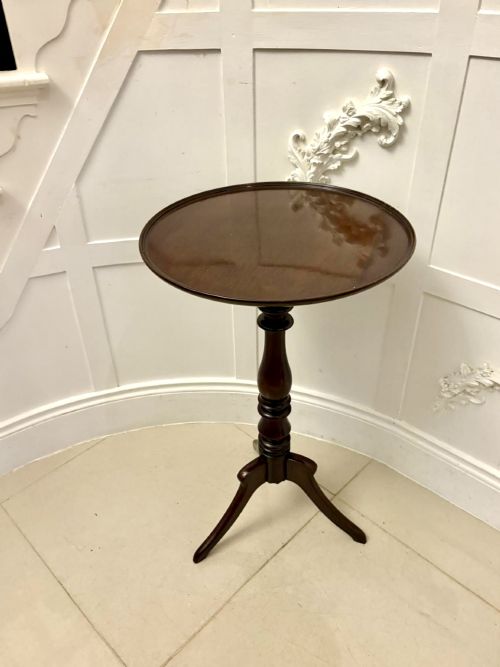
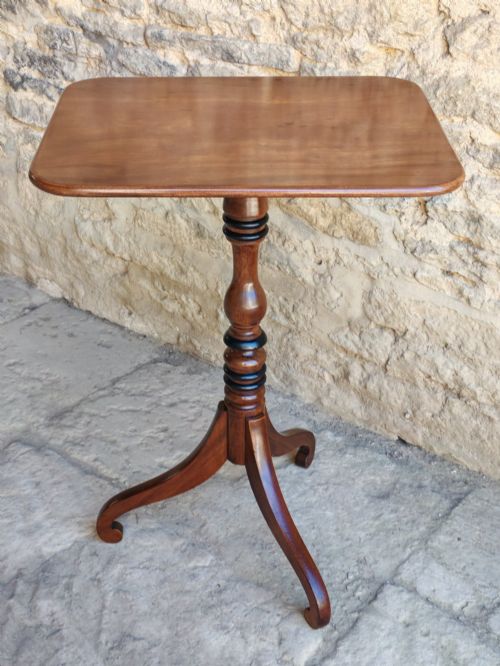
- A three-legged support structure commonly found beneath nineteenth-century lamp tables and small stands.
- Inlaid
- Ornamented by embedding pieces of contrasting wood or brass flush into the primary timber surface.
Antique Turned Lamps: Frequently Asked Questions
Are these lamps wired for modern use?
Many examples arrive rewired or adapted for contemporary electrical standards while retaining their historical timber columns and brass fittings.
Buyers should inspect the flex and plug to confirm whether professional rewiring is needed before plugging the lamp into a mains socket.
How do I identify a Georgian lamp or table?
Georgian pieces generally display restrained classical proportions, premium timber selections such as mahogany or oak, and hand-cut joinery.
Examining the underside and the wear on the feet helps distinguish eighteenth-century craftsmanship from later revival styles.
Where should I place a wooden floor lamp?
Floor models suit corners of reception rooms or beside reading armchairs where the vertical turned shaft can add height and traditional character.
Keep them away from direct heat sources and strong sunlight to protect the polished wood finish.
What is the difference between oak and mahogany turns?
Oak turns tend to exhibit a pronounced open grain and lighter golden or brown tones, often associated with Arts and Crafts or Jacobean styles.
Mahogany offers a denser, smoother grain with deep reddish-brown hues suited to Regency and Victorian formal interiors.