



Antique Turkmen Bag
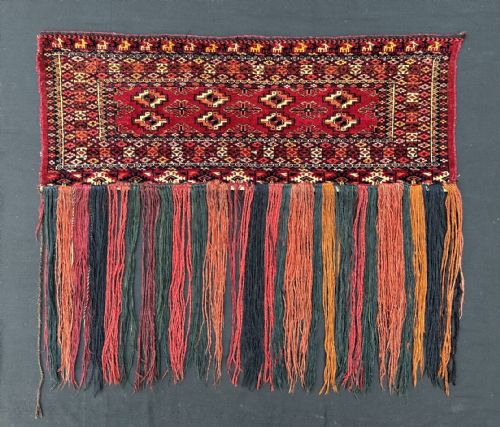
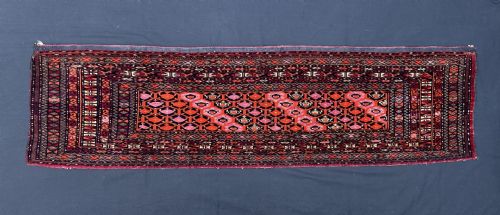
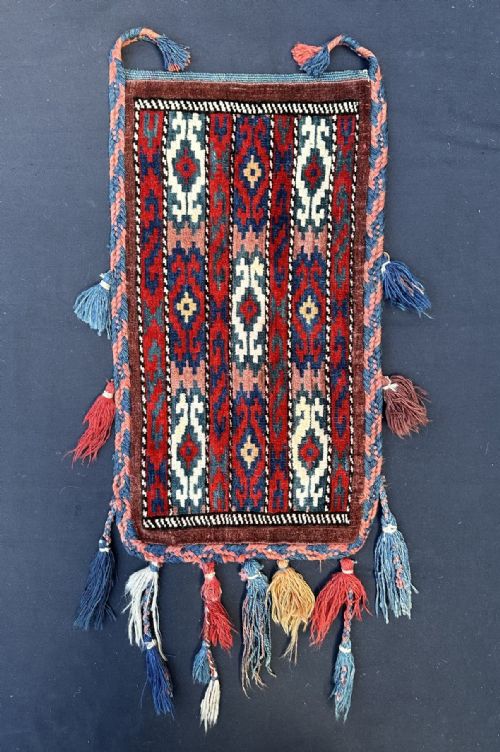
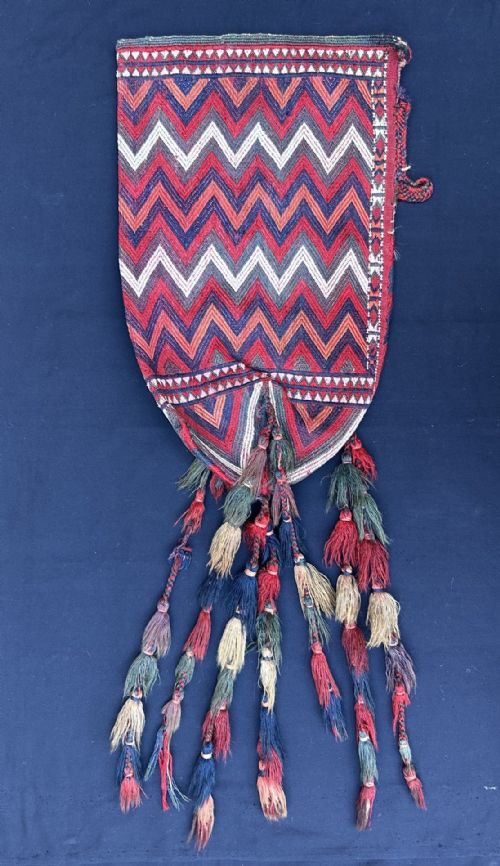
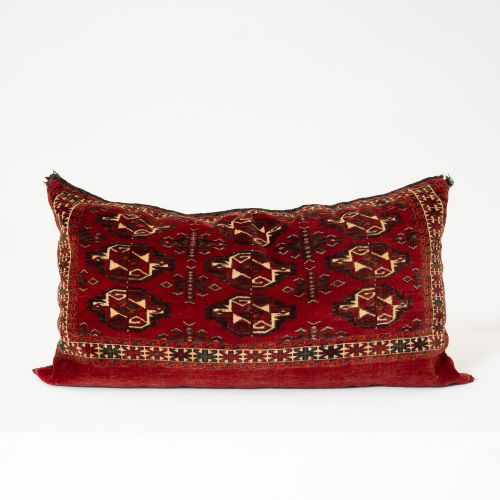
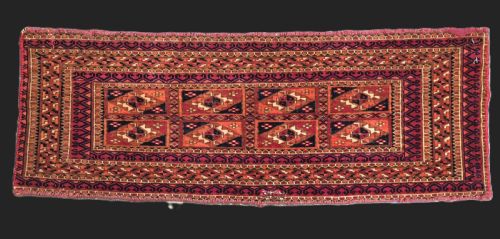
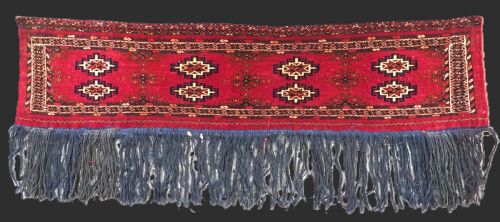
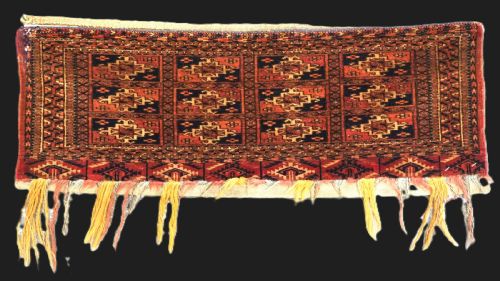
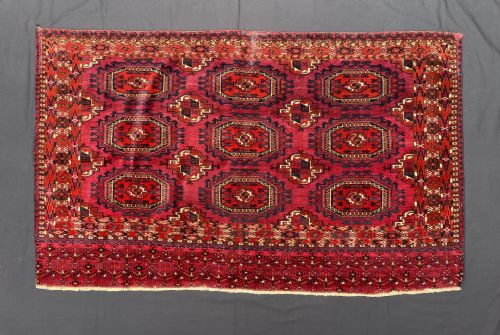
These woven pieces are an antique turkmen bag, created by Central Asian nomadic tribes for domestic storage and transport.
Antique Turkmen Bag
When searching for an antique turkmen bag, collectors encounter various functional forms originating from Central Asian nomadic and tribal groups across the nineteenth and early twentieth centuries. These pieces include storage sacks, bedding bags, tent-pole bags, and smaller utility pouches made by specific tribal confederations such as the Tekke, Yomut, Saryk, and Ersari.
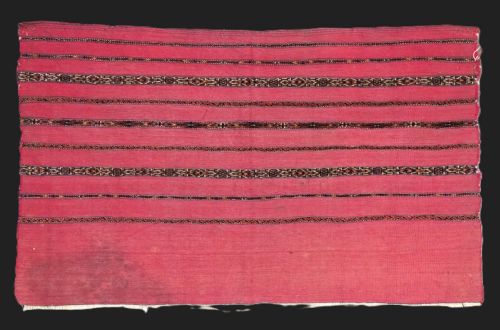
The selections on this page frequently display distinct tribal motifs and formats, ranging from complete examples with original flatweave backs to fragment faces intended for display. Common formats include torba, chuval, kap, and spindle-bags, each reflecting the specific domestic requirements of nomadic life in regions such as the Trans-Caspian steppes and local oases.
What Varies in Quality
Quality depends upon the precision of the weave, the clarity and saturation of the natural dyes, and the complexity of the tribal design structure. Examples featuring exceptionally fine knot counts and scarce guls represent the upper tier of the selection.
Survival of original plain weave backs and complete structural integrity also influence the standing of an individual piece. The crispness of drawing within the primary guls and secondary ornaments distinguishes finer tribal weaving from standard domestic production.
Antique Turkmen Bag Retail Price Guide 2026
Typical asking prices for turkmen bag among the pieces listed under this phrase on Sellingantiques today, from the lower quarter to the upper quarter. They describe what is for sale here now, not the wider market.
Materials recorded across the inventory consist of wool, hand-spun wool, cotton, natural dyes, and silk highlights.
Tekke Tribes·Yomut Tribes·Saryk Tribe·Ersary Tribes
The Antique Turkmen Bag Glossary
- Torba
- A small horizontal storage bag used inside the yurt for household possessions. These pieces often feature elaborate guls along the face.
- Chuval
- A large bedding bag utilised by nomadic families for storing quilts and heavy textiles. They typically present wide formats with repeating primary medallions.
- Gul
- A primary medallion or octagonal tribal motif repeated across the field of the textile. Each tribal group utilises distinct variations to denote lineage and origin.
- Uk Bash
- A specialised tent-pole bag designed to cover and protect the ends of wooden framing members. These items possess narrow, elongated proportions.
- Igsalyk
- A specific term for a spindle-bag used to hold spinning tools and materials. They are frequently associated with Yomut weaving traditions.
Antique Turkmen Bag: Frequently Asked Questions
What is an antique turkmen bag used for?
These textiles served practical nomadic functions inside traditional tents, acting as storage containers for bedding, clothing, salt, and domestic items. Families also utilised smaller pouches for specific tools like spindles or for bridal dowry transport.
Over time, these durable sacks transitioned from utilitarian objects to collectible works of tribal art. Today, collectors display them mounted on walls or placed as decorative accents within interiors.
How do I identify a Tekke piece?
Tekke pieces generally display dense pile weaving and distinct octagonal guls arranged in orderly rows across a characteristic red ground. These works often originate from the Akhal or Merv oasis regions.
Secondary ornaments and border configurations further distinguish Tekke weaving from other regional groups like the Yomut or Saryk. Examining the handle of the wool and the specific shade of the dye provides additional confirmation.
Are backs usually original?
Many surviving examples retain only the decorative face of the bag, while other pieces preserve their original plain weave or banded flatweave backs. Complete pieces with intact backs offer a comprehensive view of how the object was constructed for daily use.
Both complete sacks and face-only fragments appear frequently in historical collections. The presence of an original back can influence the overall integrity of the textile.
How old are these bags?
The majority of pieces date from the nineteenth century, spanning from the eighteen-fifties through the early nineteen-hundreds. Certain examples extend into the twentieth century, reflecting ongoing tribal weaving traditions.
Dating relies upon structural characteristics, dye types, and wool preparation methods typical of specific decades. Earlier nineteenth-century works often display softer palettes and finer hand-spun materials.