
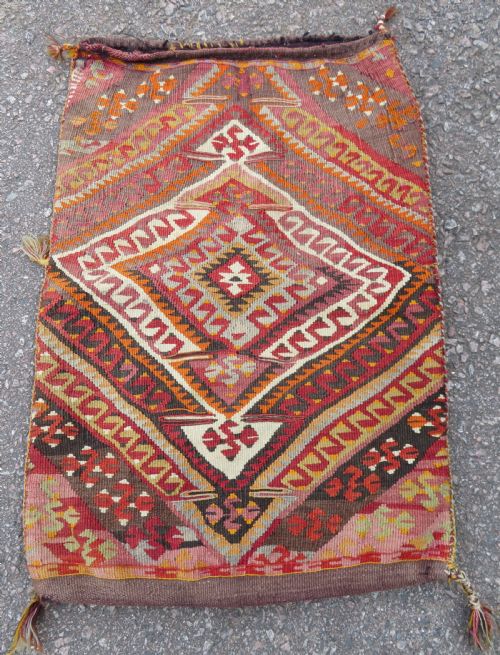


Antique Turkish Wall Hanging
These antique turkish wall hanging examples bring rich Anatolian and Ottoman character to an interior.
Antique Turkish Wall Hanging
An antique turkish wall hanging brings centuries of textile tradition directly into a modern home, covering everything from flatweave rugs to embroidered panels.
Buyers searching for an antique turkish wall hanging typically encounter pieces originating from Anatolian tribal workshops and Ottoman centres.
The selection ranges from early nineteenth century Konya yastics and Ghiordes prayer rugs to silk Kayseri carpets and velvet coverlets.
How they were made
Artisans constructed these textiles using natural fibres such as wool, cotton, silk, and linen, often combining them with metal thread for added lustre.
Techniques varied from hand woven pile and flatweave construction to intricate cicim embroidery and sumptuous velvet work.
Nomadic and regional makers utilised traditional looms and handheld needles to produce durable utility items that later transitioned into decorative display pieces.
Nomadic weavers occasionally incorporated protective motifs into saddlebags to guard personal belongings against the evil eye during migration.
What varies in quality
Quality rests in the fineness of the weave, the complexity of the design, and the integrity of the natural materials used.
Early pieces show distinct handling of dyes and threads, where superior examples retain dense pile or crisp embroidery alongside balanced regional proportions.
The Antique Turkish Wall Hanging Glossary
- Yastic
- A traditional small Turkish cushion face or rug, often woven in Konya as part of domestic furnishings. These pieces translate well to vertical display.
- Cicim
- A supplementary weft-float embroidery technique common in Anatolian flatweaves. It creates raised geometric patterns across the textile surface.
- Prayer Rug
- A devotional rug featuring a distinctive mihrab arch design pointing towards Mecca. Ghiordes and Kayseri are notable centres for this form.
- Juval
- A large tribal storage bag created by nomadic groups such as the Kurds. When separated or opened, the face serves as a substantial hanging.
- Metal Thread
- Wrapped metallic strip used alongside silk or wool in Ottoman textiles. It adds reflective detail to court and high-status hangings.
Antique Turkish Wall Hanging: Frequently Asked Questions
How do I hang a textile safely?
Support the weight evenly across the top edge using a fabric sleeve or conservation-grade velcro mounting.
Avoid hanging pieces in direct sunlight to protect natural wool and silk dyes from fading.
How do I identify nomadic pieces?
Nomadic items often display bold tribal geometry, earthy wool palettes, and utilitarian structures like saddlebags.
Groups such as the Yuruk and Kurds produced these functional items for daily tribal life.
What is an Ottoman embroidery?
Ottoman embroideries include coverlets and panels worked in fine silks and metal threads on linen or velvet grounds.
These pieces reflect court tastes and formal urban workshops rather than tribal tent production.