

Antique Trunk Storage Box
An antique trunk storage box provides robust utility while bringing centuries of tactile timber and metalwork directly into daily life.
Antique Trunk Storage Box
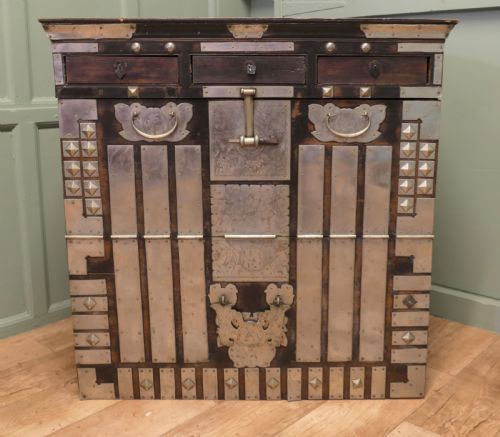
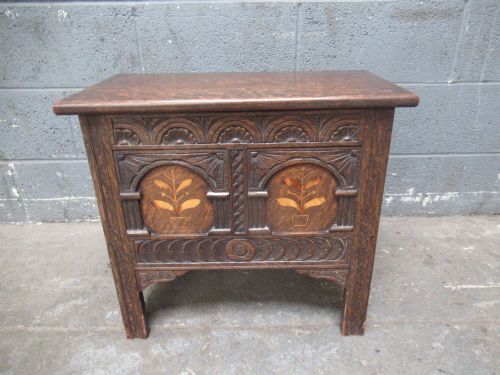
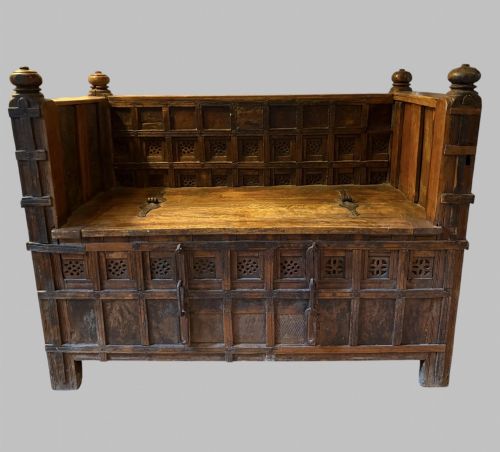
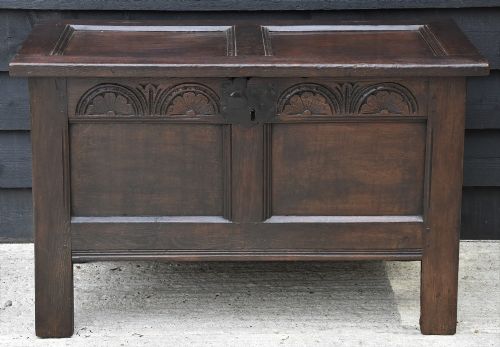
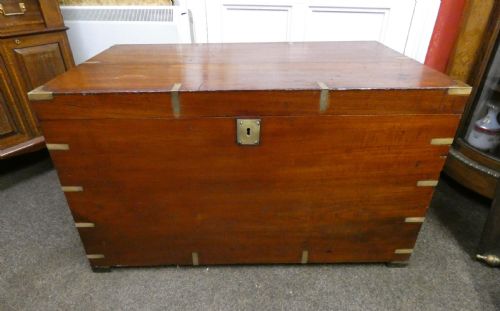
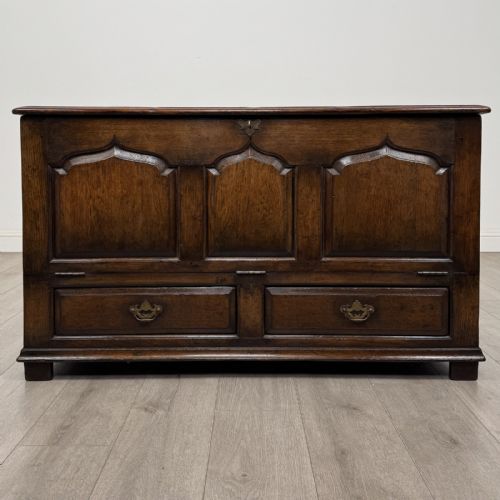
An antique trunk storage box encompasses sturdy oak coffers, camphor wood chests, pine blanket boxes and brass-bound military trunks spanning from the sixteenth century through the Victorian era and into the early twentieth century.
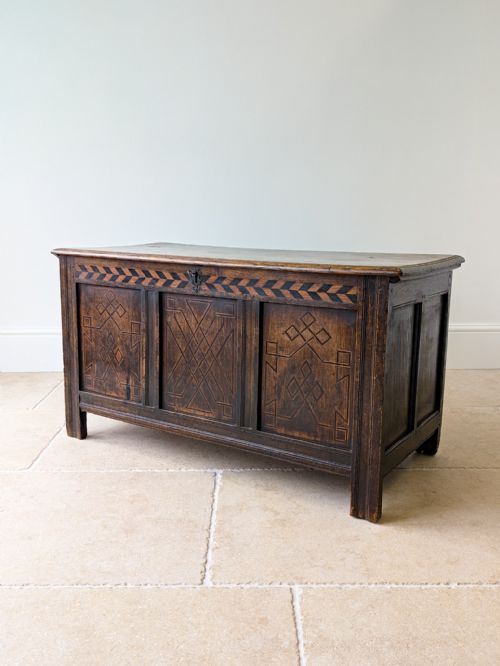
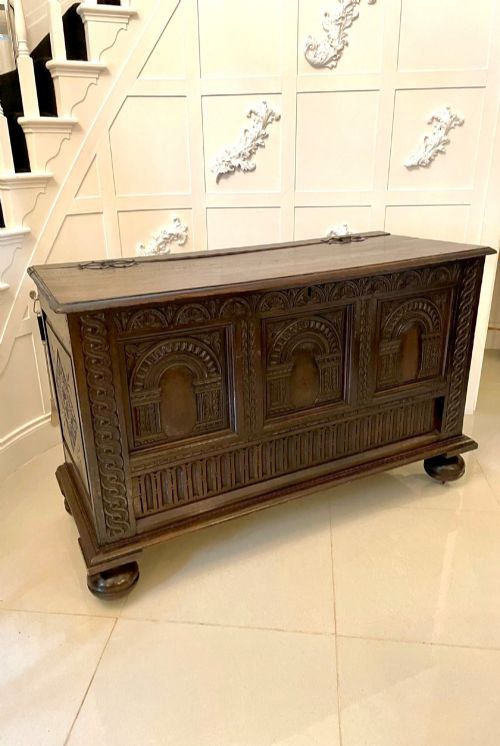
The selections on this page lean heavily toward seventeenth-century joined oak coffers and nineteenth-century pine or leather-clad travelling cases, reflecting centuries of domestic and military storage needs.
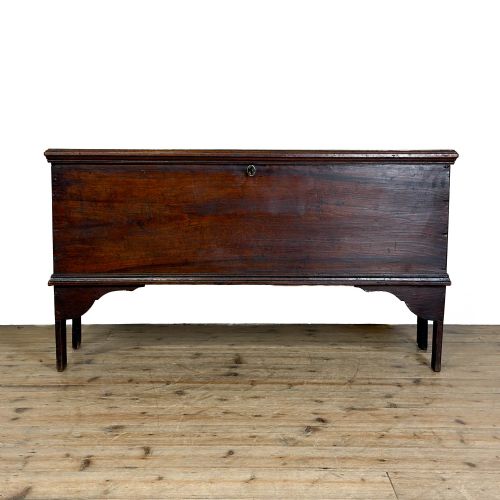
Buyers encounter everything from small elm six-plank boxes and Georgian mule chests to Chinese export camphor trunks and steamer luggage from the nineteen-twenties.
Materials and construction
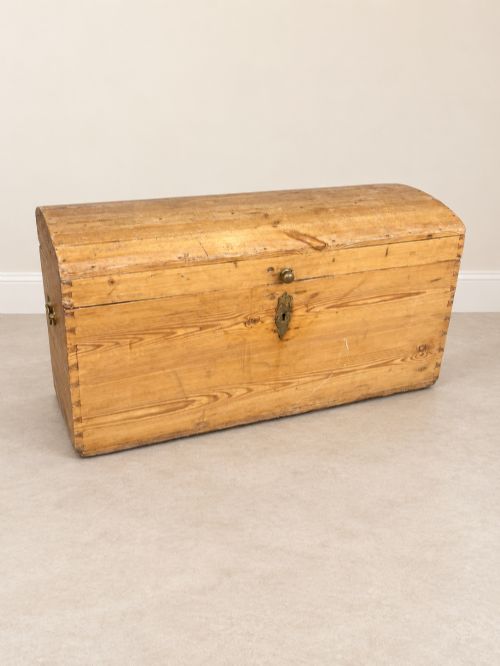
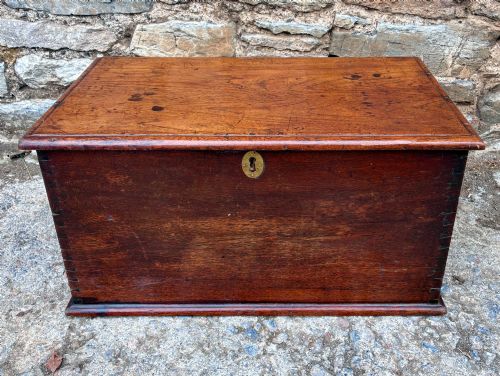
Carpenters constructed these pieces primarily in solid oak, pine, elm and camphor wood, utilising sturdy plank, joined panel and dovetailed techniques designed to withstand heavy use and travel.
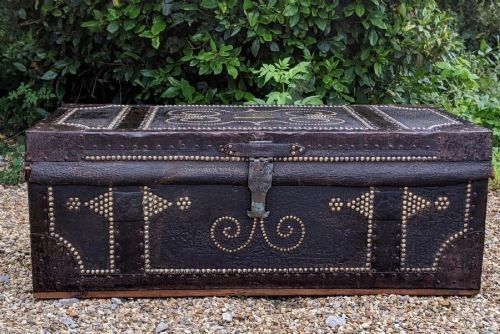
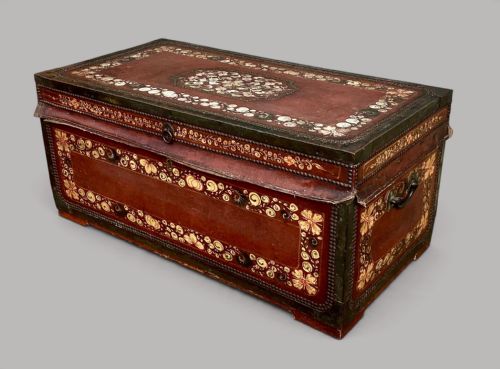
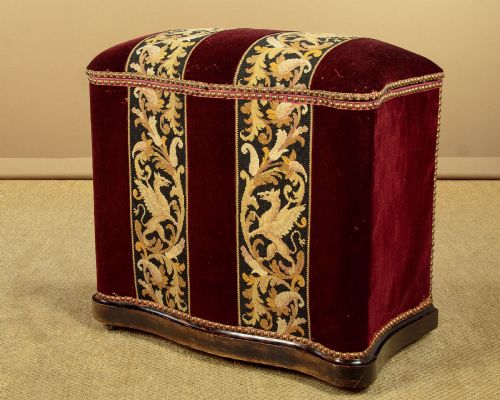
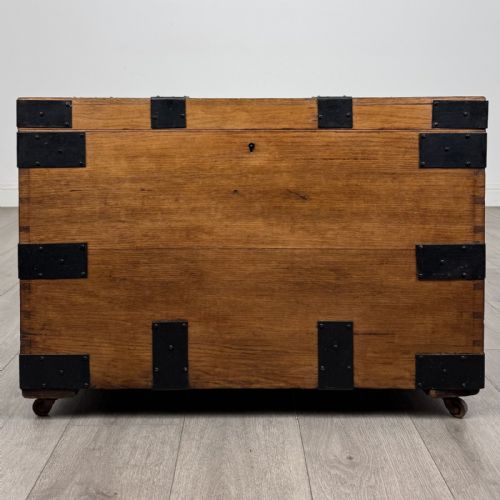
Many examples incorporate practical iron, brass bands, leather coverings and studded decorative detailing to reinforce corners and protect contents during long journeys.
Carved enrichments, painted finishes and patinated hardware appear across regional English, continental and export workshops, tying structural utility to period aesthetics.
Antique Trunk Storage Box Retail Price Guide 2026
Typical asking prices for trunk storage box among the pieces listed under this phrase on Sellingantiques today, from the lower quarter to the upper quarter. They describe what is for sale here now, not the wider market.
Camphor wood chests still whisper faint medicinal scents of distant nineteenth-century shipping routes across the seas.
Craftsmanship and distinction
The distinction between standard utility boxes and exceptional pieces rests in the integrity of the timber selection, such as richly figured golden oak or fragrant camphor wood.
Finely executed panel joins, original wrought iron or brass hardware, and the depth of natural patination accumulated over centuries elevate certain examples above everyday storage containers.
The Antique Trunk Storage Box Glossary
- Coffer
- A heavy wooden chest traditionally used for storing valuables or documents. Many early examples feature robust panelled construction.
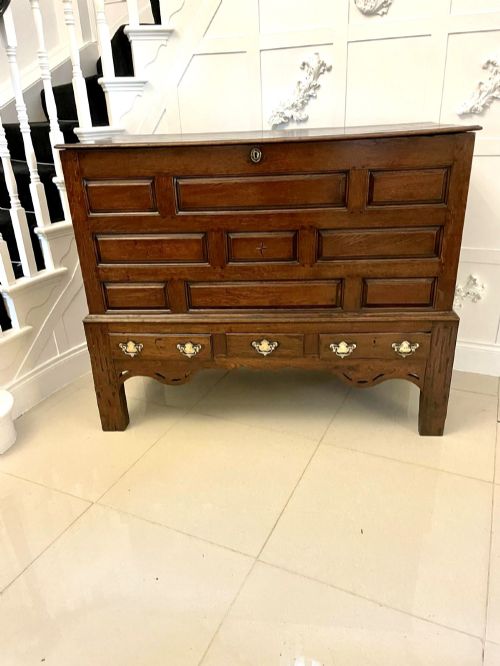
- Mule chest
- A storage chest fitted with one or more drawers beneath the main compartment. This form bridges the traditional blanket box and the modern chest of drawers.
- Six-plank box
- A primitive chest constructed from six individual boards joined simply at the edges. This method represents some of the earliest domestic box-making techniques.
- Camphor wood
- An aromatic timber prized for maritime and export trunks. Its natural scent repels insects, making it ideal for clothing storage.
Antique Trunk Storage Box: Frequently Asked Questions
What is an antique trunk storage box used for today?
These pieces serve practical functions in modern interiors for stowage of blankets, linens and household clutter. Placing them at the foot of a bed or within a living space combines deep storage capacity with period character.
Their sturdy tops also allow them to double as occasional tables or benches. This dual utility makes them adaptable additions to contemporary rooms.
How do I distinguish a seventeenth-century coffer from a Victorian pine box?
Early pieces from the seventeenth century typically utilise joined oak with pegged mortise and tenon construction, displaying hand-carved panels and heavy hand-wrought hinges. The timber develops a deep, dark patina over centuries of handling.
In contrast, Victorian pine boxes often employ simpler dovetailed or nailed joints, lighter secondary woods, and standardised iron or brass handles. The surface character reflects industrial manufacturing shifts of the nineteenth century.
Why are some trunks covered in leather and brass?
Leather cladding and brass studding provided essential weather resistance and durability for military officers and travellers on long journeys. The studs held the leather tightly to the timber core while reinforcing high-wear edges against rough handling.
Over time, these materials acquire distinctive scuffs and warm metallic oxidation. This travel wear records the active history of the piece.
How should I care for antique timber storage boxes?
Maintain the wood by applying traditional beeswax periodically to nourish dry timber and preserve the natural surface sheen. Avoid placing them near direct heat sources or in damp environments that cause wood to warp or split.
Gentle dusting with a soft cloth keeps the finish clean without stripping the accumulated historical patina. Proper humidity control ensures the joints remain stable.