





Dark Brown Leather Trunk
These dark brown leather trunk pieces are robust storage boxes offering historic character and utility.
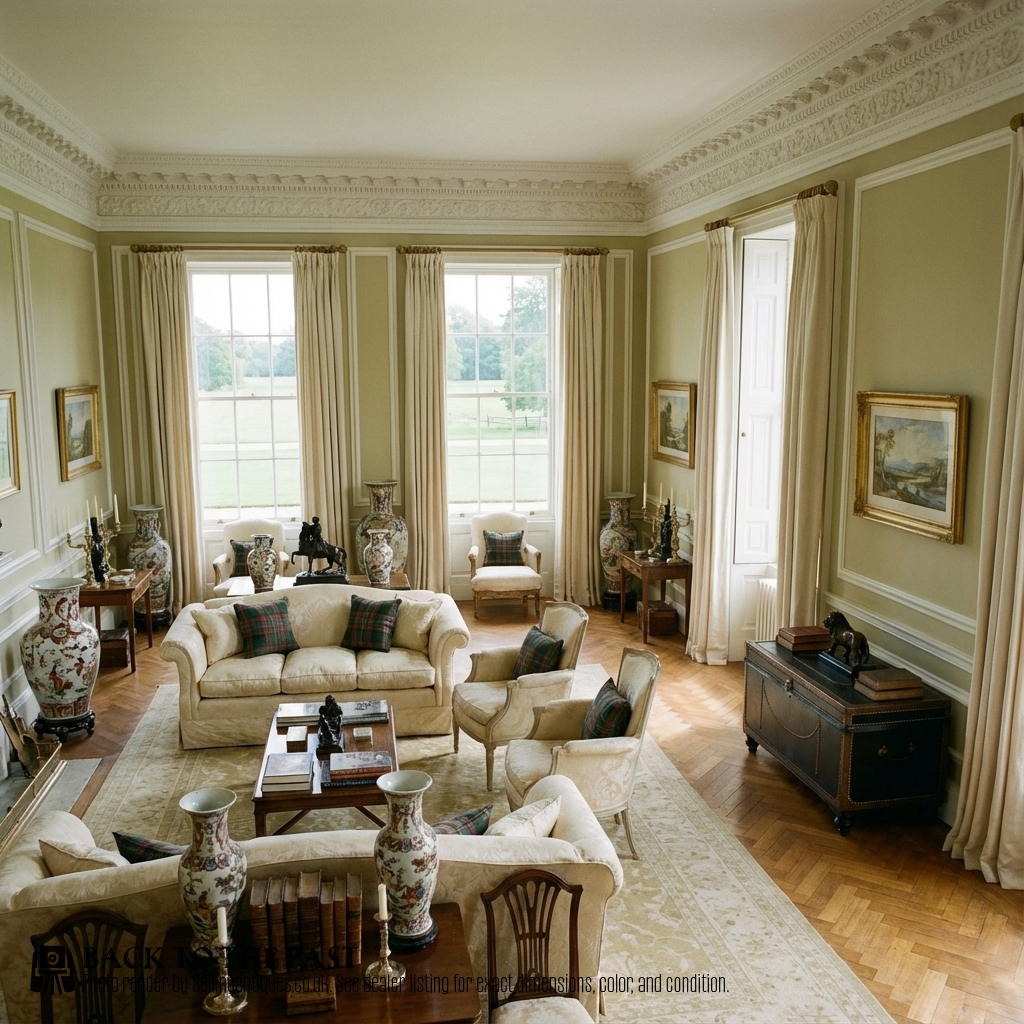
Dark Brown Leather Trunk
A dark brown leather trunk brings centuries of travel and domestic history straight into a room, offering practical storage with deep visual warmth. When buyers search for a dark brown leather trunk, they seek these substantial containers for holding blankets, linens, or belongings while anchoring a room with a historic focal point.
Origins vary across British, Dutch, and Chinese workshops, reflecting global trade and travel. Materials range from oak and iron to canvas and brass detailing, creating rich texture and varied silhouettes.
Construction and materials
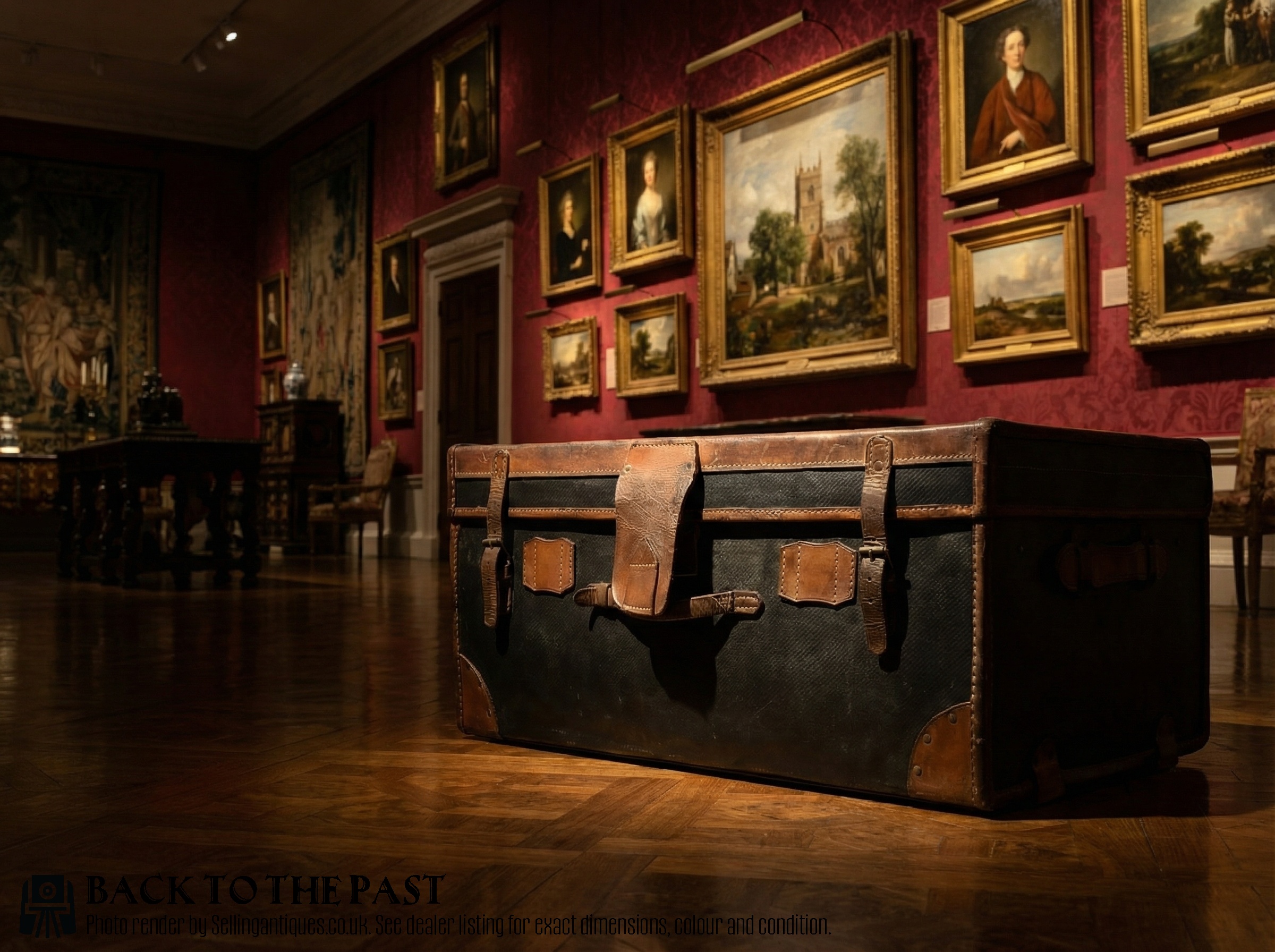
Construction relies upon sturdy timber frameworks, predominantly oak or general wood, which provide the structural rigidity required for travel and daily storage. Artisans then clad these wooden carcasses in durable leather or canvas.
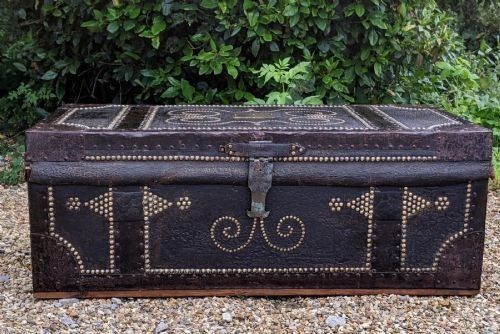
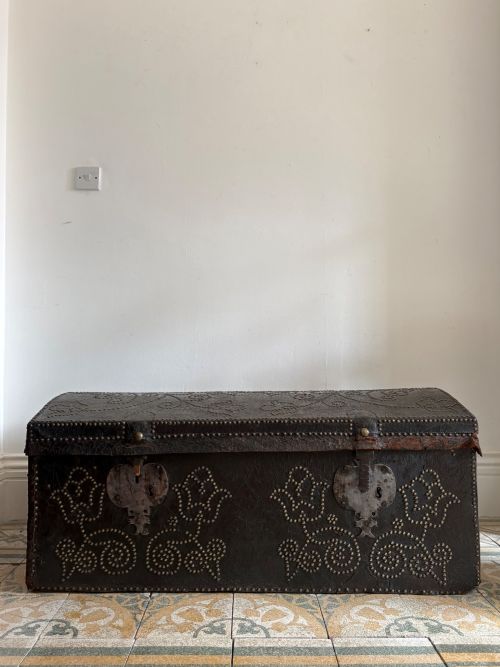
Metalwork plays a critical structural and decorative role, with iron, brass, and metal bindings reinforcing corners and edges. Studs are driven in rows to secure the hide tightly to the frame while adding geometric patterns across the exterior.
Dark Brown Leather Trunk Retail Price Guide 2026
Typical asking prices for dark brown leather trunk among the pieces listed under this phrase on Sellingantiques today, from the lower quarter to the upper quarter. They describe what is for sale here now, not the wider market.
Listings span from the seventeenth century through to the twentieth century, incorporating materials like brass, oak, iron, and glass.
Assessing quality and craftsmanship
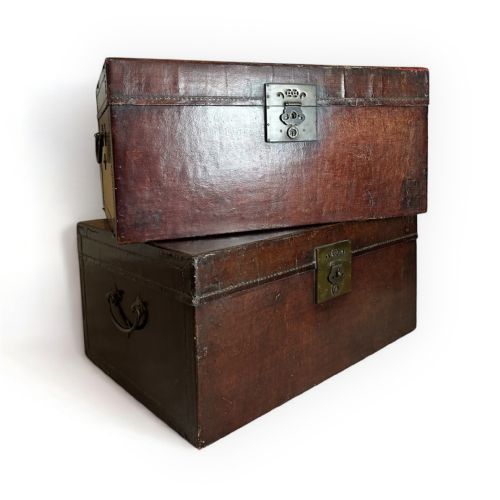
Quality rests in the integrity of the original hardware, the thickness and treatment of the hide, and the precision of the metal binding. Superior examples retain original brass carry handles, locks, and structural framing without modern replacements.
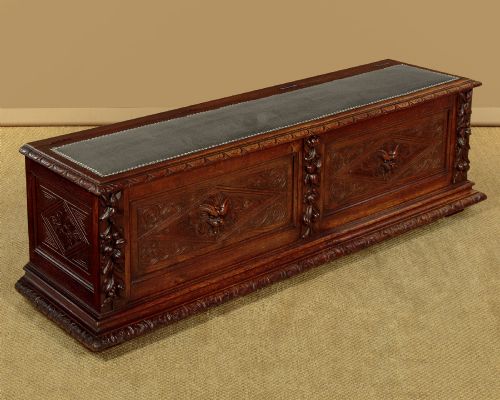
The sophistication of the joinery and decorative detailing distinguishes standard pieces from exceptional ones. Elaborate brass detailing, hand-carved oak elements, and makers' signatures elevate a piece from a utilitarian box to a significant historic artefact.
Samuel Pratt·JW Allen·A W Insall
The Dark Brown Leather Trunk Glossary
- Dome top
- A curved lid design that sheds water effectively and allows for greater internal storage capacity. This profile is frequently seen on eighteenth-century examples.
- Campaign trunk
- A portable storage piece designed for military officers or travellers on the move. These often feature recessed brass handles and robust metal bindings.
- Studded leather
- Leather secured to a wooden core using decorative metal tacks or studs. This technique reinforces the edges while creating a textured border.
- Hat box
- A specialised rigid container shaped to hold headwear securely during transit. Double hat cases accommodate multiple items with fitted internal compartments.
- Ottoman box
- A seated storage furniture form combining a hinged upholstered or wooden lid with a compartment below. These function as practical benches in living spaces.
Dark Brown Leather Trunk: Frequently Asked Questions
How were these trunks used originally?
These trunks served as durable luggage for travellers, military officers, and merchants moving belongings across land and sea. They protected clothing and valuables from the elements during long journeys.
In domestic settings, they transitioned into stationary storage for household linens, blankets, and seasonal garments, often kept at the foot of a bed.
How do I date a leather trunk?
Dating relies upon examining construction methods, hardware types, and timber framing. Seventeenth and eighteenth-century examples often feature heavy oak frames and dome tops with hand-forged ironwork.
Victorian and later pieces introduce machine-stamped brass components, canvas combinations, and specific maker labels or stamps that narrow down the decade.
Where should I place a trunk?
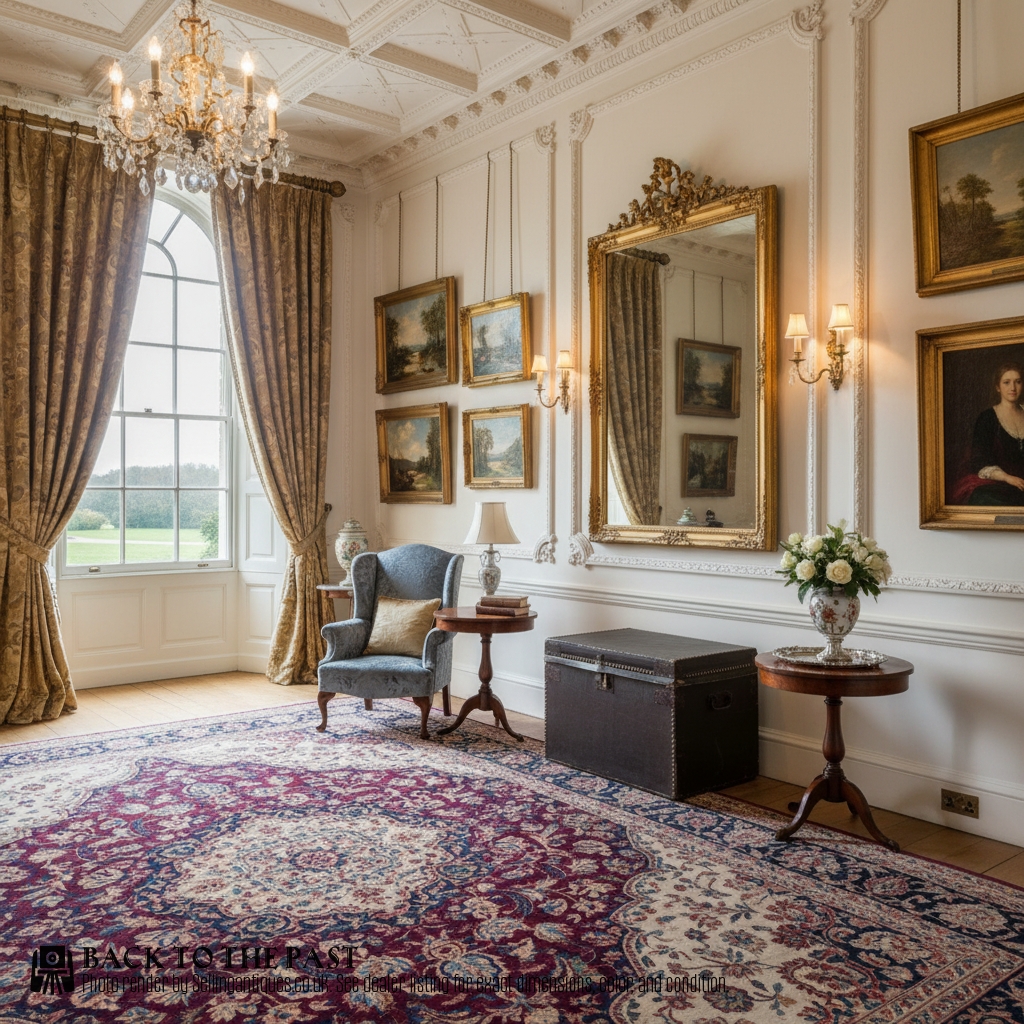
A trunk works exceptionally well at the end of a bed or as a coffee table in a living room, providing hidden storage. Ensure it sits away from direct heat sources to protect the historic leather and wood.
Smaller hat boxes or decorative objects can rest upon side tables or shelves to display their textured surfaces.
How do I maintain old leather?
Historic leather requires gentle dusting with a soft dry cloth and protection from direct sunlight to prevent drying and cracking. Avoid using modern chemical cleaners that might strip the original finish.
Consult a professional restorer before applying any conditioning treatments to ensure the historic hide is not damaged.