

Antique Trumeau Wall Glass
An antique trumeau wall glass brings architectural presence and painted charm into a room, combining a mirror plate with an upper oil painting or decorative panel.
Antique Trumeau Wall Glass
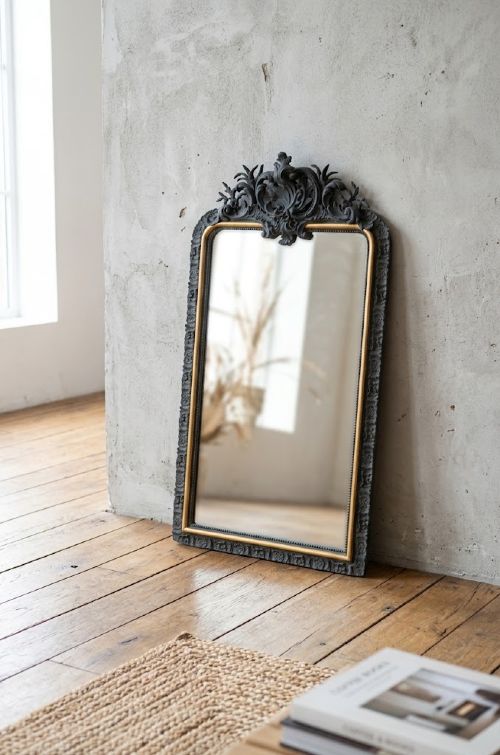
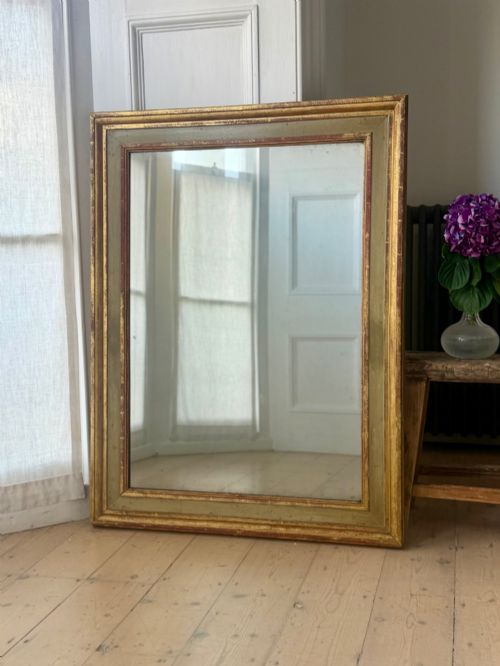
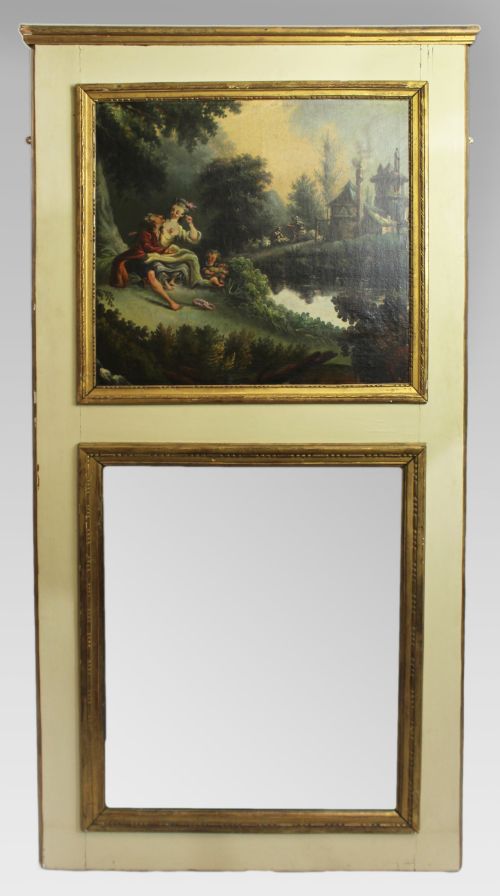
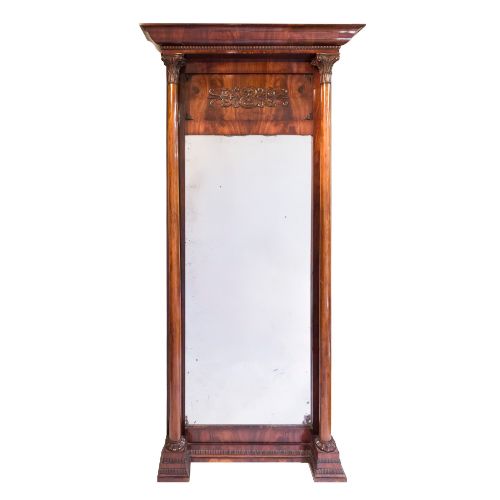
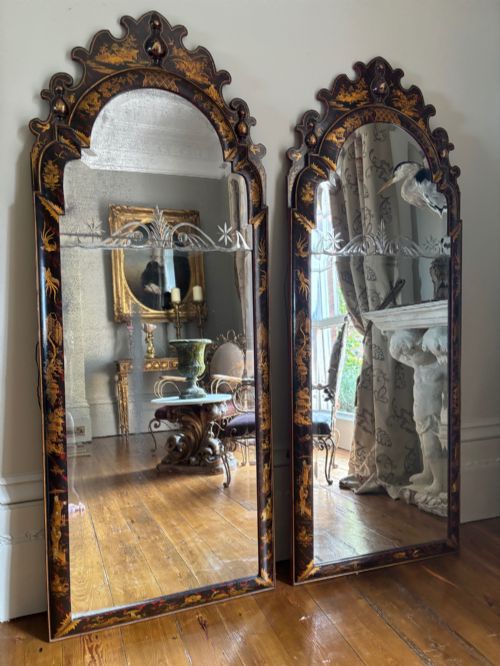
An antique trumeau wall glass unites a vertical mirror plate with an upper decorative section, typically incorporating an oil painting, a reverse glass print, or a carved panel into a single vertical scheme. These architectural wall furnishings originated to sit between windows as pier mirrors or above mantelpieces, drawing light around period rooms.
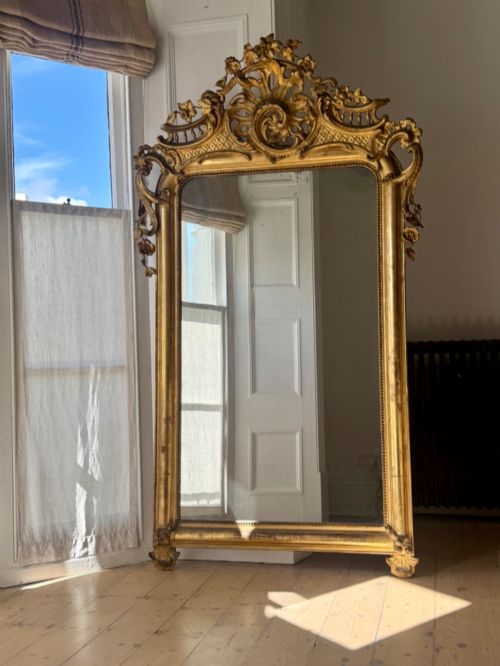
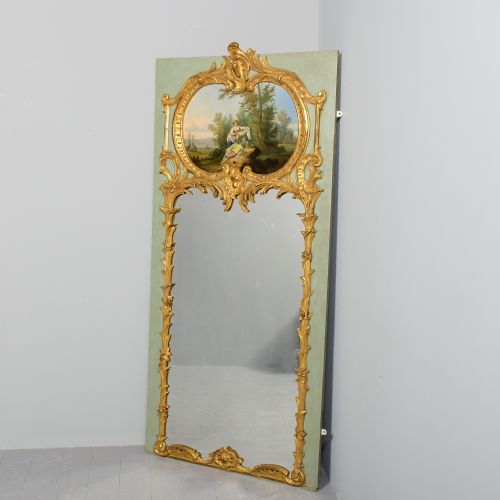
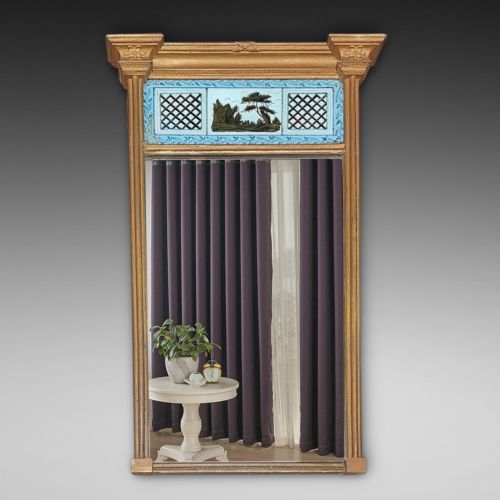
The selections available here span from the 18th century through the 19th century and into the early 20th century, drawing heavily on French and Regency design traditions. French examples frequently showcase painted wood, parcel gilt, or pastoral oil scenes, while Regency pieces lean toward giltwood frames embellished with verre eglomise panels.
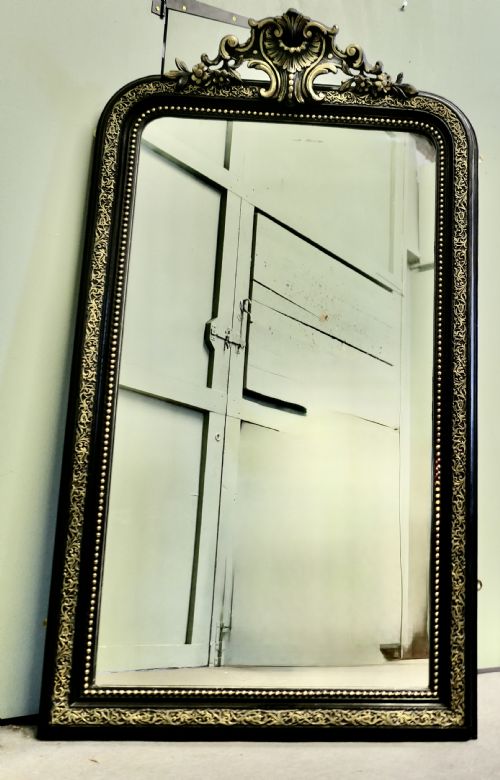
Wall mirrors, pier mirrors, and overmantel mirrors dominate the forms, offering tall vertical proportions suited to high ceilings and grand wall spaces. Buyers encounter variations ranging from neat-sized home proportions to grand scale panels complete with classical columns or lion masks.
How they were made
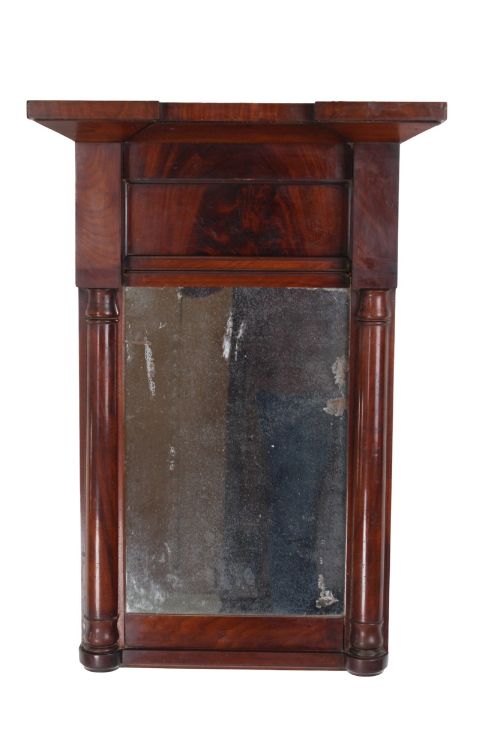
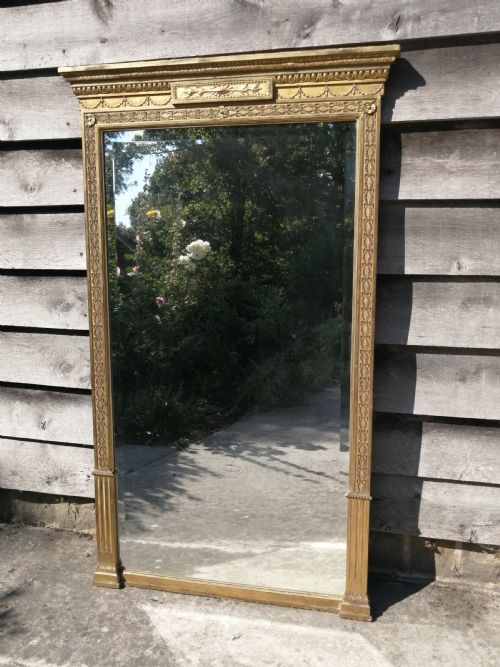
Frames rely upon traditional timber construction in mahogany, walnut, maple, and softwood, finished with carved gesso and applied gold leaf or surface paint. Artisans shaped these structural elements to hold heavy glass plates safely within architectural wall settings.
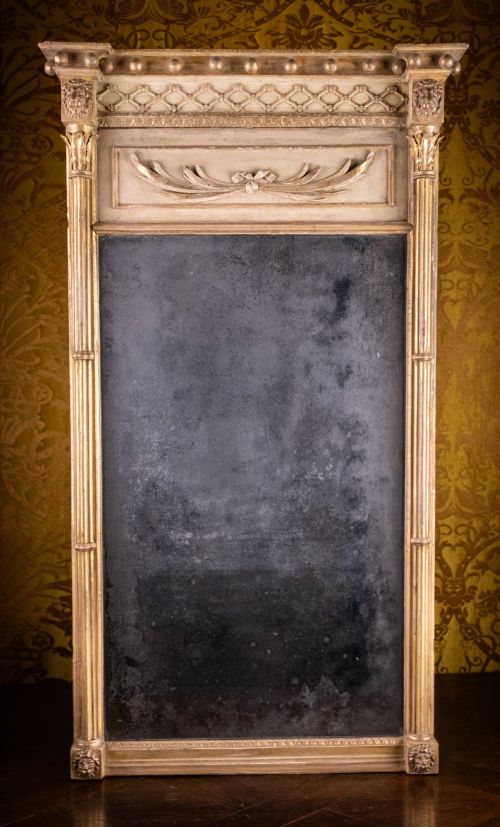
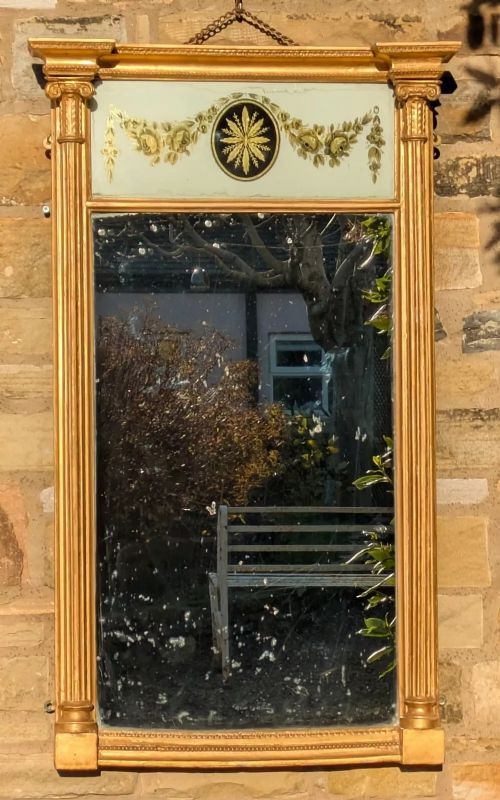
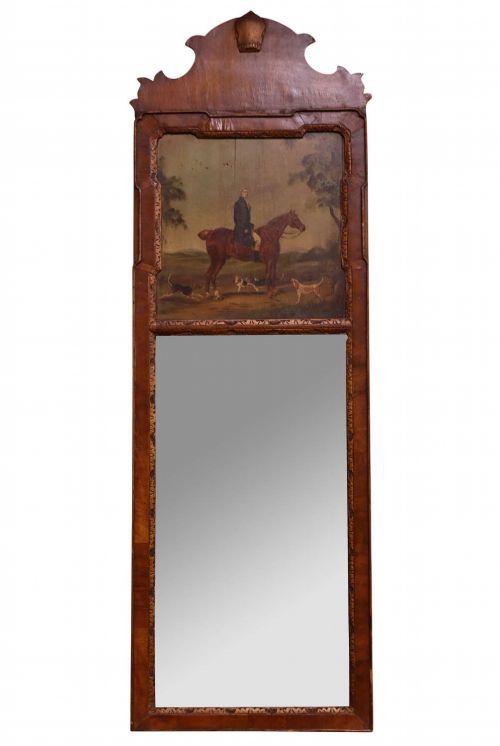
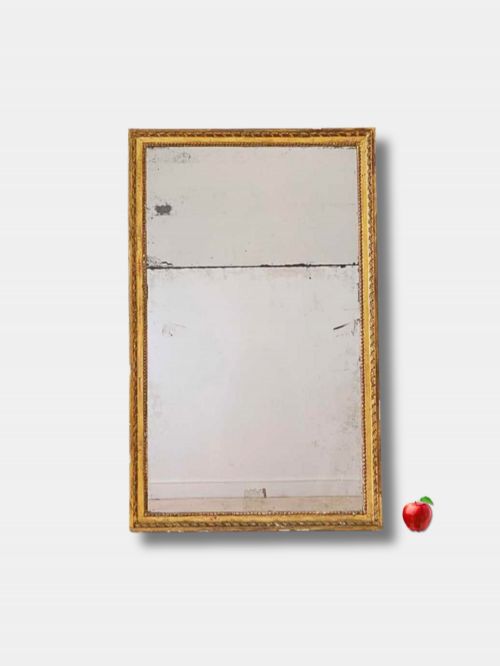
Mirror plates of the period frequently consist of original mercury glass, displaying distinct ageing characteristics across the reflective surface. Upper compartments often display hand-painted pastoral or equestrian oil scenes, alongside delicate verre eglomise panels executed on reverse glass.
One unusual 19th-century maple-framed mirror records an American and British naval engagement on a reverse glass print.
What varies in quality
The integrity of the original components dictates the standing of a piece, particularly whether the primary mirror plate and upper oil painting or verre eglomise panel remain together. Trumeaux that retain their original mercury glass plates and contemporary artwork hold a different level of historical completeness compared to later married elements.
The depth and crispness of the carving across the giltwood, gesso, or painted woodwork set the standard of the maker's hand. Finely articulated details such as carved lion masks, classical columns, and precise parcel gilding separate standard production from more ambitious workshop commissions.
The Antique Trumeau Wall Glass Glossary
- Trumeau
- A decorative architectural wall mirror incorporating an upper panel, usually featuring an oil painting or a reverse glass print. The style stems from traditional wood-panelled French interiors.
- Verre eglomise
- A cold decoration technique where artisan gilding and painting are applied to the reverse side of a glass panel. This method creates a deep, glossy sheen frequently used in Regency upper mirror sections.
- Mercury glass
- An early form of mirror plate produced by pouring a liquid tin-mercury amalgam behind glass. It is recognised by its soft, uneven reflection and characteristic dark speckling.
- Pier mirror
- A tall vertical wall glass designed specifically to hang on the wall space between two windows. They were built to maximise interior light reflection in period rooms.
- Gesso
- A plaster-like preparation mixture applied to wooden frames to provide a smooth base for subsequent gilding or painting. It takes crisp, detailed low-relief carving exceptionally well.
Antique Trumeau Wall Glass: Frequently Asked Questions
Are the oil paintings original to the frame?
Many trumeau mirrors retain their original 18th or 19th-century oil paintings or verre eglomise panels, depicting pastoral, equestrian, or classical subjects. Some pieces have undergone past restorations where upper panels were replaced or cleaned.
Close inspection of the canvas or wood panel behind the painting helps determine its age relative to the surrounding frame structure.
What is mercury glass?
Mercury glass refers to antique mirror plates produced using a tin and mercury backing technique before modern silvering was invented. This historic process produces a characteristically softer, deeper reflection with natural dark foxing spots.
The presence of original mercury glass is often valued by collectors as a sign of period authenticity.
How do I clean an antique frame?
Dust the giltwood or painted woodwork gently with a dry, soft-bristled brush to remove surface particles. Avoid liquid cleaners, polishes, or damp cloths, which can damage aged gesso, gold leaf, and delicate paint finishes.
Glass plates can be wiped sparingly with a slightly damp microfiber cloth, taking care not to let moisture seep behind the edges of the frame.