


French Empire Gilded Mirrors
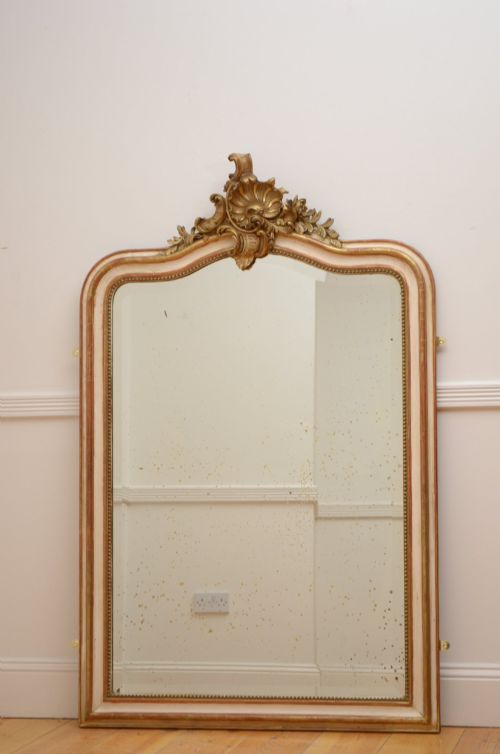
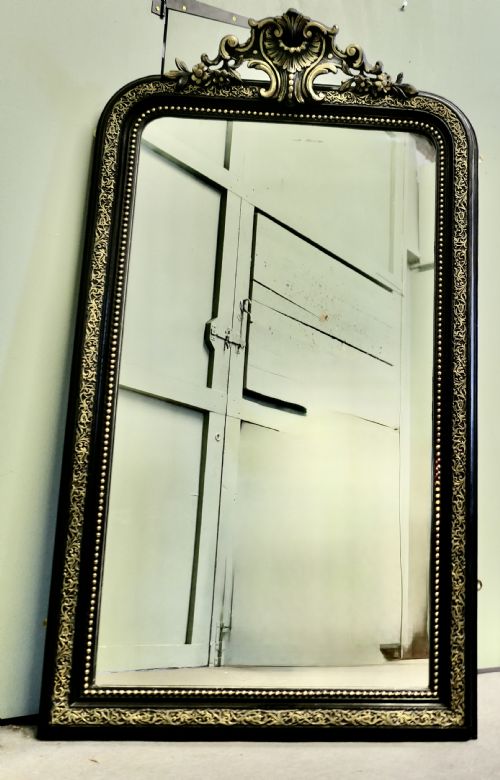
French empire gilded mirrors bring grand neoclassical weight and brilliant reflective surfaces into a room.
French Empire Gilded Mirrors
French empire gilded mirrors combine classical architectural forms with rich surface gilding to create striking interior focal points. When you search for french empire gilded mirrors, you encounter substantial wall mirrors, tall pier glasses, and decorative overmantels dating predominantly from the nineteenth century.
Beyond standard wall mirrors, the forms extend to dressing tables, picture frames, and wall sconces sharing the same gilt finish. Pieces range from architectural trumeau mirrors with painted panels to monumental pier glasses designed to sit between windows.
Materials and Construction
Makers constructed the structural frames of these mirrors using timber such as mahogany or painted wood, applying a layer of gesso to build up intricate relief ornament. This gesso foundation received thin applications of gold leaf to achieve a brilliant metallic sheen.
Mirrored glass plates, sometimes executed as split plates, were set within these heavy giltwood frames alongside oil paint panels depicting classical motifs. Carved details incorporated faux marble finishes and deep relief work portraying figures like Bacchus and cherubs.
Assessing Quality and Craftsmanship
Quality in these mirrors rests upon the crispness of the carved giltwood and gesso relief work. Superior examples display deep, sharp detailing in classical motifs rather than softened edges from worn moulds.
The integrity of the original gold leaf surface and the presence of period mirrored glass determine the visual impact of the piece. Substantial proportions in overmantel and pier mirrors indicate ambitious commissions intended for prominent reception rooms.
The French Empire Gilded Mirrors Glossary
- Giltwood
- Timber that has been coated with gold leaf over a prepared gesso ground. This technique creates a luminous and durable golden surface characteristic of formal nineteenth-century frames.
- Gesso
- A plaster-like mixture applied to wooden frames as a base for carving and gilding. It allows craftsmen to model intricate relief ornamentation before applying gold leaf.
- Pier Mirror
- A tall mirror designed specifically to hang on the wall space between two windows. These pieces often feature extended vertical proportions to reflect maximum light into a room.
- Trumeau Mirror
- An architectural mirror incorporating an upper panel decorated with oil painting or carved relief. The painted panel typically depicts classical scenes or pastoral figures.
French Empire Gilded Mirrors: Frequently Asked Questions
Where should I hang a pier mirror?
Pier mirrors work best in narrow wall spaces, traditionally positioned between two windows to amplify natural light.
Their tall proportions also suit hallways or narrow reception room walls where a vertical focal point balances the room.
What is a trumeau mirror?
A trumeau mirror combines a looking glass with a decorative upper panel containing an oil painting or carved relief.
This format originated in classical French interior architecture to integrate mirrors seamlessly into wall panelling.
How do I identify a Napoleon III mirror?
Napoleon III mirrors often display exuberant revival styling drawing upon French Rococo and neoclassical design elements.
They frequently feature split glass plates and heavy giltwood frames produced during the mid-to-late nineteenth century.
Can overmantel mirrors go on ordinary walls?
Overmantel mirrors function effectively on standard walls provided the supporting structure bears the substantial weight.
Their wide horizontal format makes them suitable for hanging above low sideboards or large seating arrangements.