
Antique Trinket Tray
An antique trinket tray is a small receptacle designed for holding personal ornaments, and these pieces offer a glimpse into past dressing habits.
Antique Trinket Tray
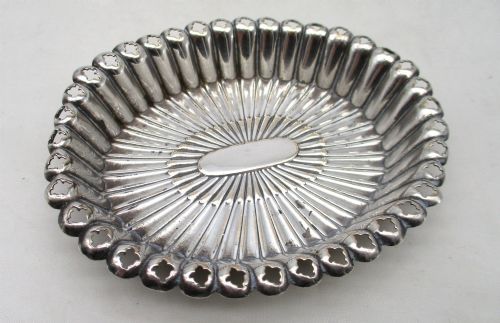
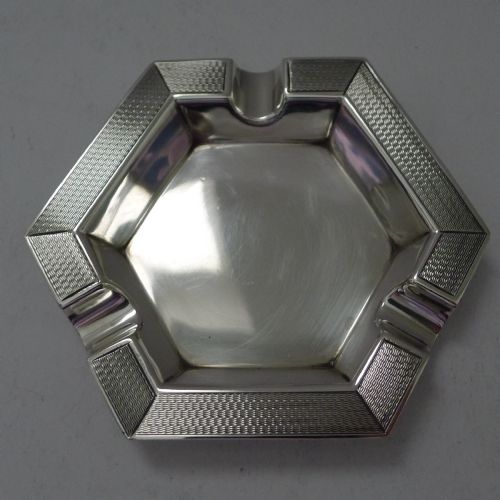
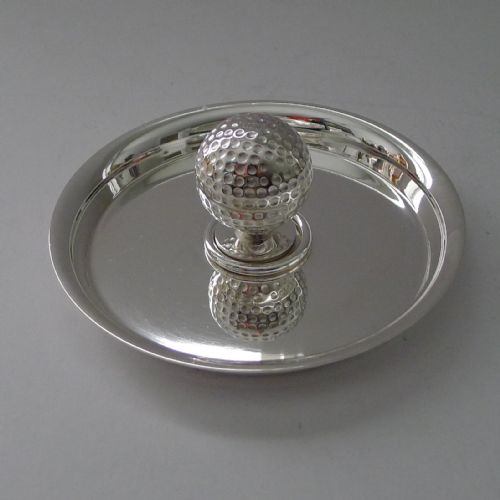
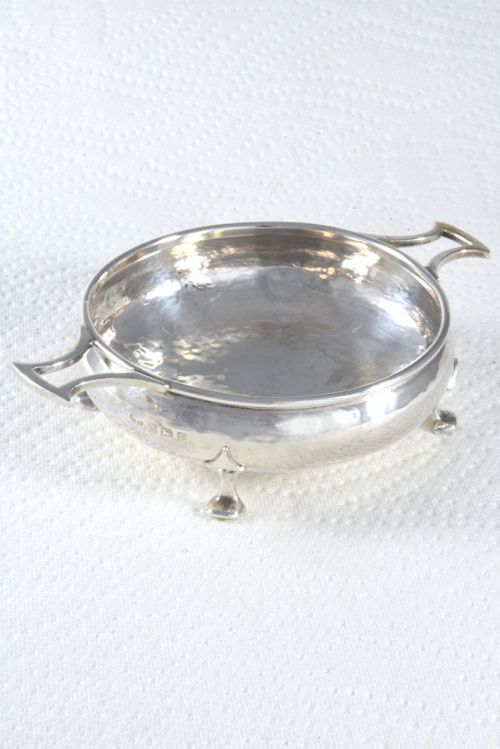
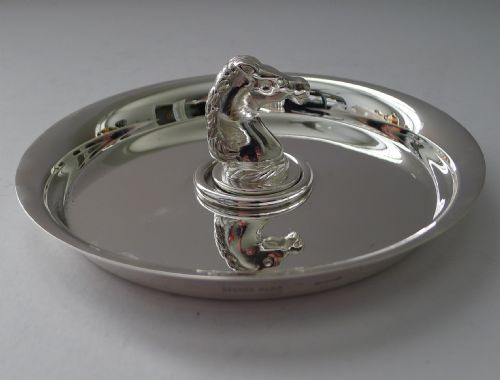
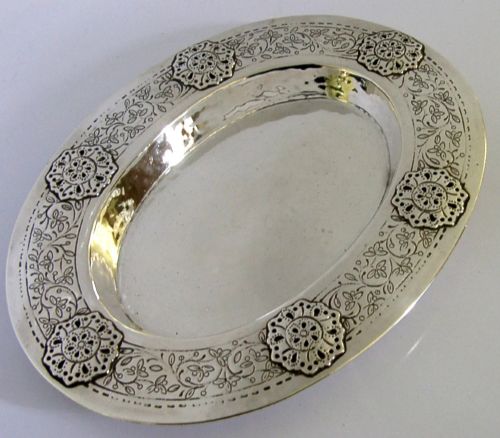
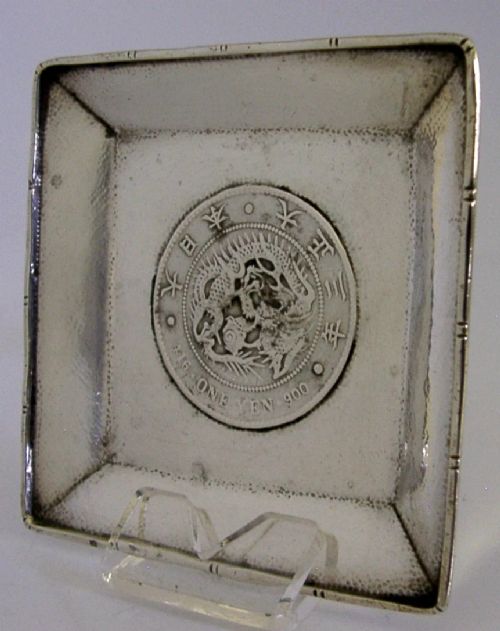
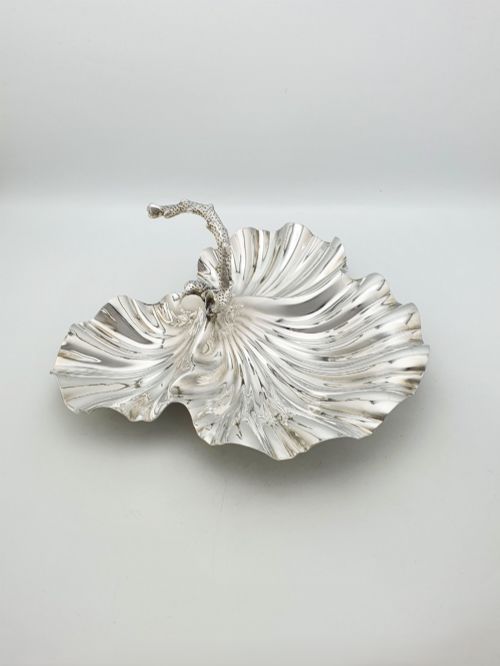
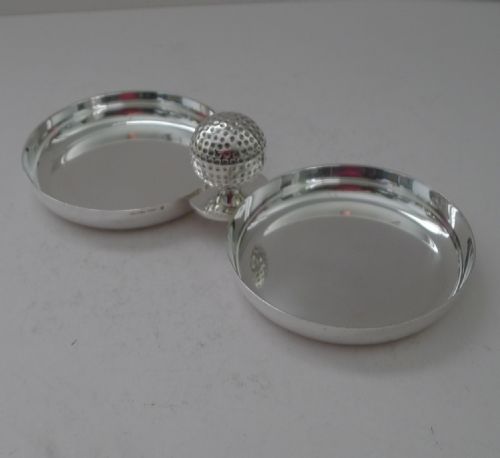
An antique trinket tray encompasses small decorative dishes, pin trays, and card trays used to hold pocket items, jewellery, and daily accessories. These items appear across various forms, ranging from small silver pin dishes to porcelain dressing table sets.
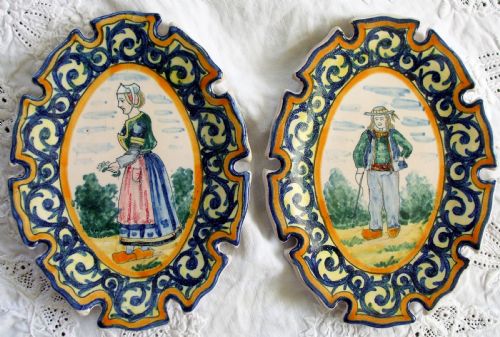
The pieces on this page span the Victorian and Edwardian eras through to the Art Deco period, alongside earlier examples in porcelain, ceramic, and sterling silver. Buyers frequently encounter silver and ceramic dishes manufactured in England, France, and China during the nineteenth and early twentieth centuries.
Makers produced these receptacles for specific domestic tasks, such as clearing pockets at the end of the day or serving calling cards in a hallway. Their compact sizes made them versatile additions to desks, dressing tables, and sideboards.
How they were made
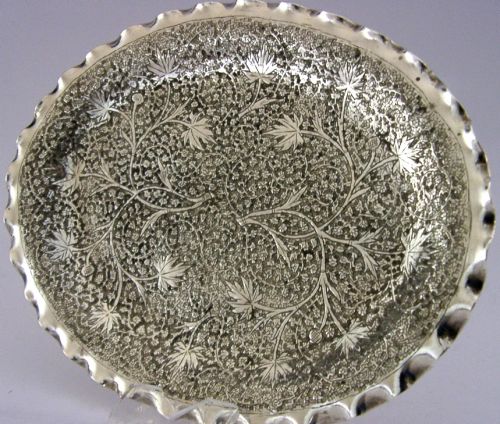
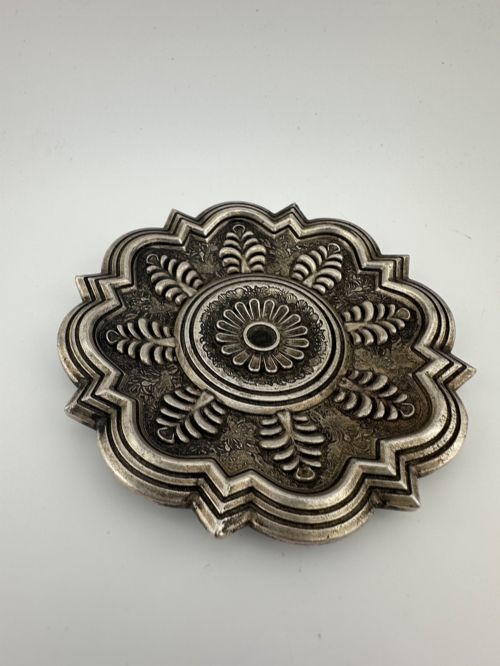
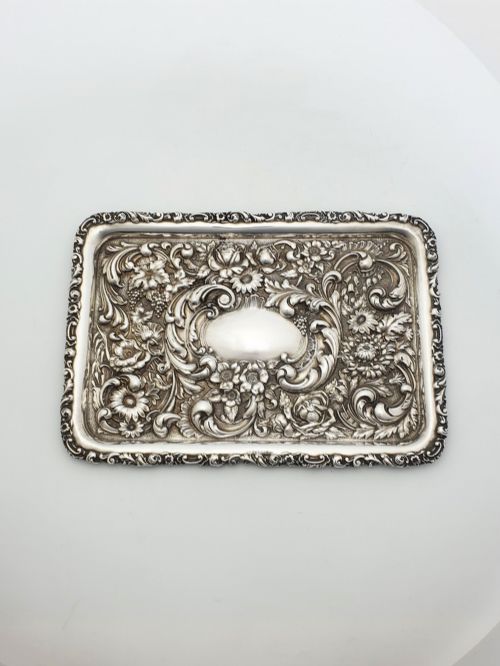
Silversmiths utilised sterling silver and silver plate, often shaping the metal through repoussé work to create raised floral and scroll patterns along the rim. Workshops also cast white metal and bronze, occasionally applying cold-painted details or enamel finishes.
Potteries shaped ceramic and porcelain bodies, applying hand-painted floral sprays, gilt edges, and blue and white transfers before firing. Makers such as Royal Worcester and various French faience factories produced glazed dishes with moulded shell and foliate contours.
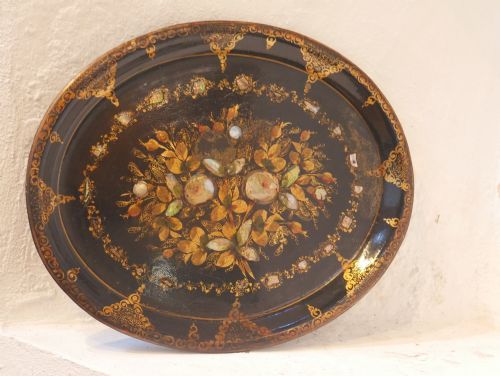
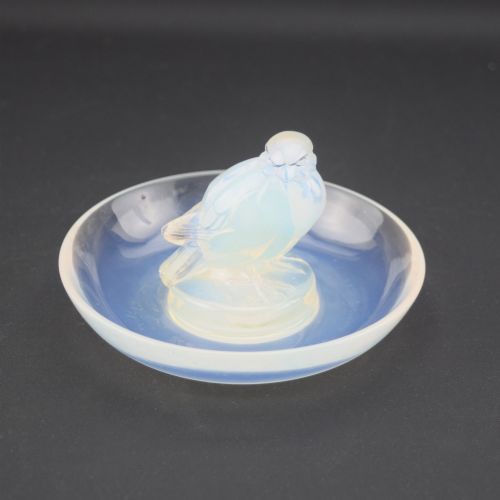
Alternative materials include papier-mâché, wood, and opaline glass, demonstrating the wide scope of manufacturing techniques employed by period artisans.
The selection spans the nineteenth century through the Art Deco era, encompassing both ceramic and metal manufacturing traditions.
What varies in quality
The standard of an antique trinket tray rests on the crispness of its chasing or the delicacy of its hand-painted decoration. Finer silver examples display deep, well-defined repoussé work without thinning of the metal from excessive polishing.
Porcelain quality is evident in the weight of the ceramic body and the precision of the gilding applied to the rims. Pieces that retain their original crisp enamel colours or clear maker marks demonstrate superior craftsmanship.
The presence of maker stamps, clear hallmarks, and undamaged mounts distinguishes standard domestic items from superior studio or factory outputs.
William Neale·Liberty Co·Robert Pringle Sons·William Comyns·John Grinsell Sons·René Lalique
The Antique Trinket Tray Glossary
- Repoussé
- A metalworking technique where the artisan hammers the design from the reverse side to form a raised pattern on the front. This method was widely used on silver trays to create floral and figural motifs.
- Vide-poche
- A French term translating to empty-pocket, describing a small dish or tray left in an entryway for keys and loose change. These items were typically cast in bronze or shaped from glazed pottery.
- Pin dish
- A shallow receptacle originally intended for holding straight or sewing pins on a dressing table. They frequently appear in sterling silver, glass, and porcelain.
- Pearl ware
- An improved earthenware developed in the late eighteenth century featuring a slightly blueish white glaze. It served as a common base for blue-printed transferware.
- Faience
- European tin-glazed earthenware produced notably in France and other regions. These dishes often feature hand-painted blue and white or polychrome designs.
Antique Trinket Tray: Frequently Asked Questions
What was an antique trinket tray used for?
These small receptacles served to hold personal items like rings, pins, and calling cards on dressing tables and desks. Victorian and Edwardian households placed them in bedrooms and hallways to keep daily accessories organised.
Over time, their uses adapted to changing fashions, becoming decorative display pieces or practical catch-alls for pocket contents.
How do I identify silver period trays?
British silver pieces carry hallmarks stamped directly into the metal, indicating the assay office, the year of manufacture, and the maker's mark. These tiny symbols provide an exact date for when the item was tested and sold.
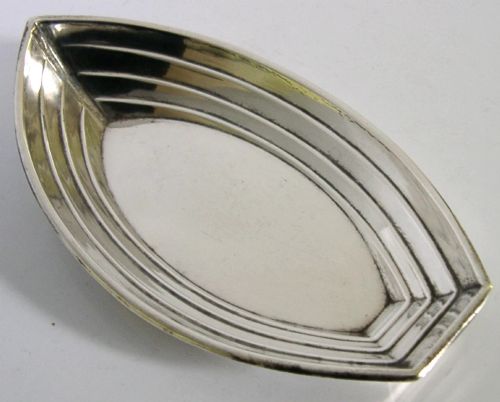
Style also helps determine age, as heavy floral repoussé points toward the late Victorian and Edwardian eras, while geometric lines suggest the Art Deco period.
Are porcelain trays fragile for daily use?
Period porcelain and ceramic dishes withstand gentle handling, but their glazed surfaces and gilt edges are vulnerable to chipping. Placing them on soft surfaces or inside display cabinets protects them from accidental knocks.
Cleaning requires warm water and mild soap, avoiding abrasive cloths that can wear away hand-painted details and gilding.
How do I distinguish silver plate from solid silver?
Solid silver items carry standard hallmarks indicating sterling standard, whereas silver plate bears specific manufacturer marks or acronyms denoting a thin layer of silver over a base metal. Weight also offers a clue, as solid pieces feel heavier.
Over time, worn silver plate may reveal the yellow or grey base metal underneath along high points and rims.