

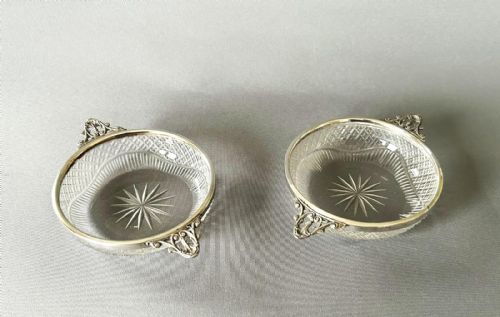

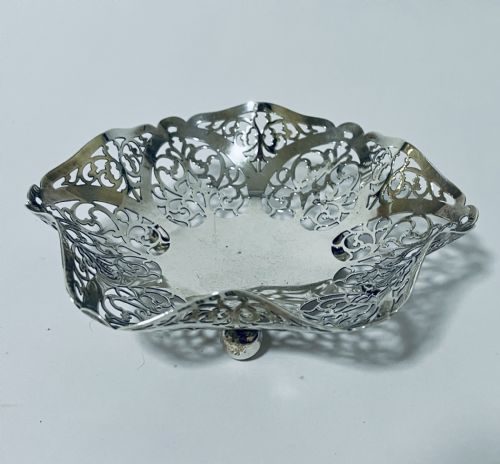
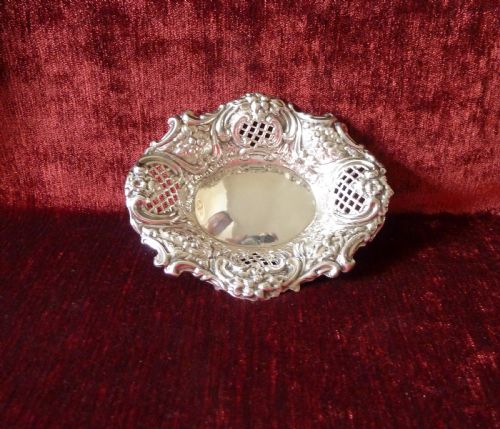


Edwardian Trinket Tray
An edwardian trinket tray is a small receptacle for pins and pocket items, sought after for dressing tables and desks.
Edwardian Trinket Tray
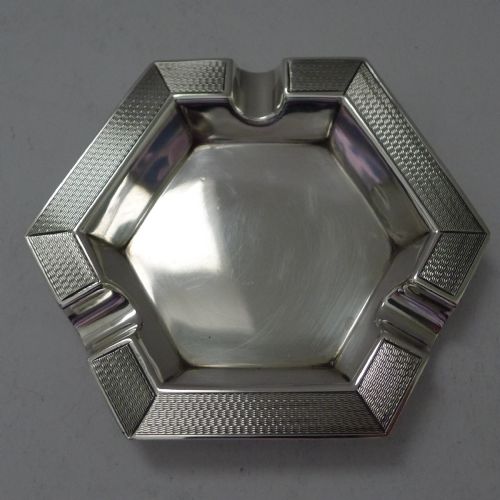
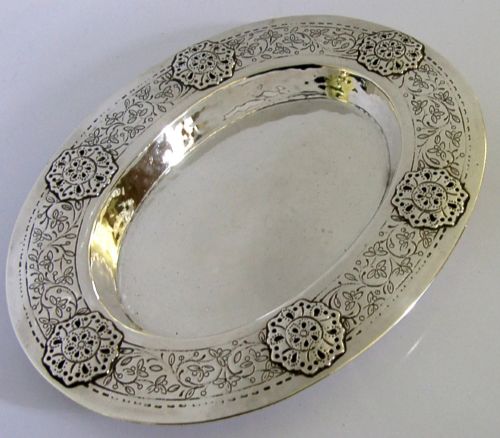
An edwardian trinket tray satisfies the period need for orderly dressing table accessories, appearing in forms such as pin dishes, card trays, and dressing table trays. The pieces mirror the decorative tastes of the early twentieth century alongside adjacent Victorian, Arts and Crafts, and Art Nouveau styles.
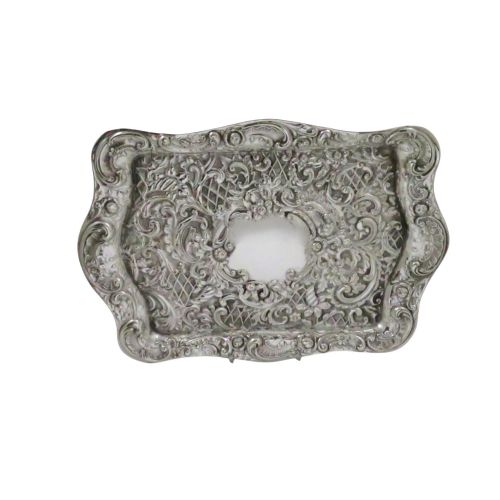
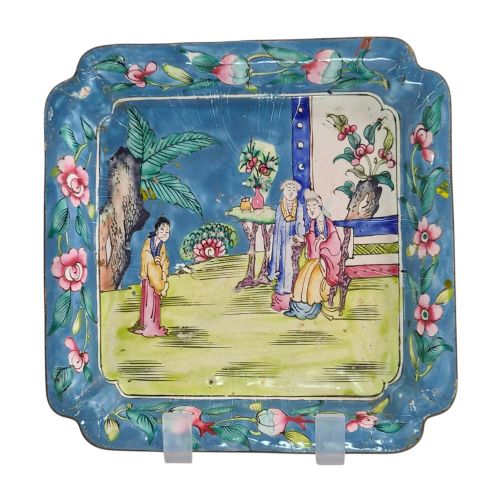
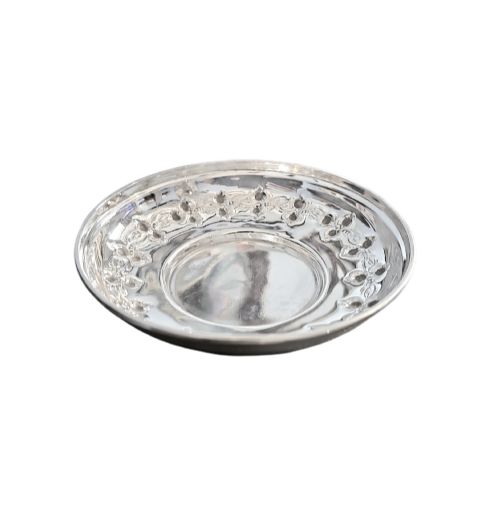
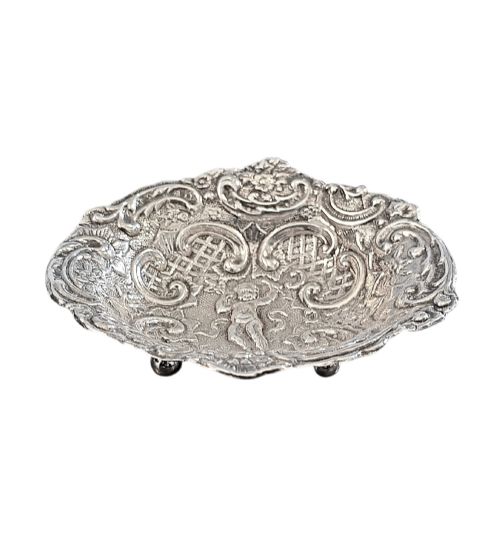
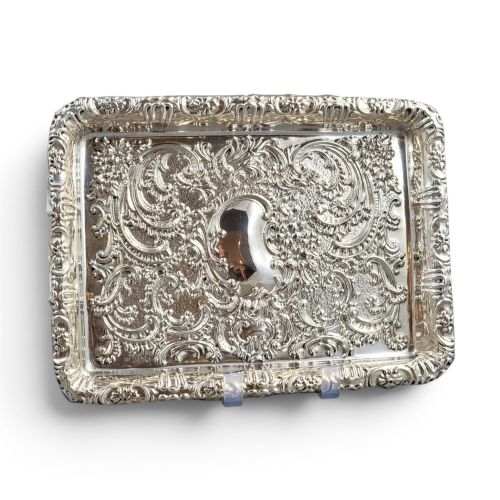
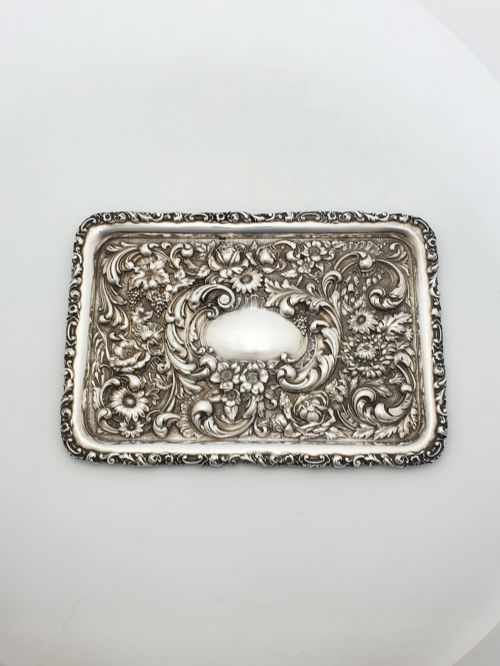
The material range is broad, spanning sterling silver, porcelain, enamel, papier-mache, and glass. Silver examples dominate the selection, often shaped with raised rims or repoussé decoration designed to catch the light on a vanity.
Materials and Construction
Metals such as sterling silver and pewter undergo shaping through hammering, casting, and repoussé techniques, creating raised floral motifs and figural designs. Silversmiths punch hallmarks into the metal to record the assay office, maker, and year.
Ceramic pieces utilise porcelain and faience bodies finished with glazes, hand-painted floral sprays, or gilding. Ebonised timber, papier-mache, and lacquer provide alternative dark surfaces for boxes and trays.
Edwardian Trinket Tray Retail Price Guide 2026
Typical asking prices for edwardian trinket tray among the pieces listed under this phrase on Sellingantiques today, from the lower quarter to the upper quarter. They describe what is for sale here now, not the wider market.
Object forms range from circular pin dishes and card trays to dressing table sets and leaf-shaped dishes.
Distinctions in Quality
The weight of the metal and the crispness of the repoussé work dictate the standing of a silver tray, where deep, detailed floral chasing separates standard items from finer productions. Hand-painted porcelain displays superior artistry through delicate brushwork and uniform gilding along the edges.
Maker marks and clear town hallmarks provide a verifiable origin that elevates an object. The inclusion of matching sets, original cases, or paired dishes also changes the character of the piece.
William Neale·Liberty And Co·Robert Pringle And Sons·John Grinsell And Sons·William Comyns Silversmith
The Edwardian Trinket Tray Glossary
- Repoussé
- Metalworking technique where a design is hammered into relief from the reverse side. This creates tactile surface patterns on silver trays.
- Hallmark
- Official stamp impressed into precious metals to indicate purity, maker, and assay town. It serves as a reliable guide to age.
- Faience
- Tin-glazed earthenware originating in Europe. It provides a smooth white background for painted decorative scenes.
- Ebonised
- Wood treated to imitate ebony through staining or painting. This finish creates a deep black surface often seen on trays and boxes.
- Blush ivory
- Porcelain finish developed by Royal Worcester featuring a creamy, matte tint. It mimics the tone of natural ivory and typically supports floral transfers or hand-painting.
Edwardian Trinket Tray: Frequently Asked Questions
What is an edwardian trinket tray used for?
These small dishes were placed on dressing tables and desks to hold loose pins, jewellery, coins, and pocket items at the end of the day. They kept small valuables contained and close to hand.
Over time, their decorative qualities made them popular display pieces rather than purely utilitarian desk accessories.
How do I identify a silver trinket tray?
Look for small stamped symbols known as hallmarks, usually found near the rim or on the base of the metal. These marks indicate the assay office, the standard of silver, and the year of manufacture.
Silver trays from this era often feature embossed floral motifs, scrolls, or plain polished surfaces designed for engraving.
Are these trays always made of silver?
Silver is common, but the period also produced trays in porcelain, earthenware, pewter, papier-mache, and ebonised wood. Manufacturers utilised whatever material suited the prevailing aesthetic style.
Ceramic examples often feature hand-painted floral sprays or gilt edges, while papier-mache provides a lightweight dark surface.
How should I clean a antique silver tray?
Silver requires gentle care with a soft cloth and a reputable silver polish to maintain the shine without wearing down raised details. Aggressive scrubbing can damage delicate repoussé work and erase crisp hallmarks.
Porcelain and glass trays benefit from warm soapy water and a soft sponge, avoiding harsh abrasives on painted areas.