




Edwardian Silver Trinket Tray
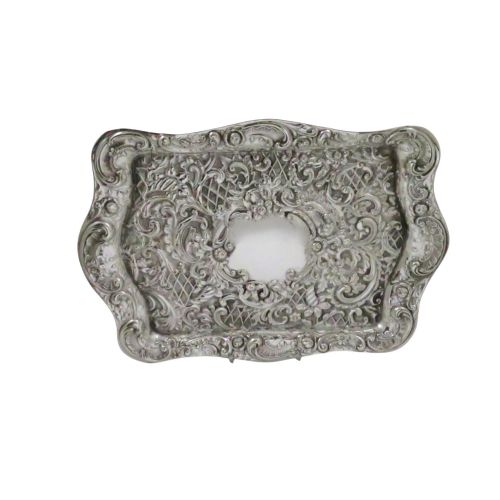
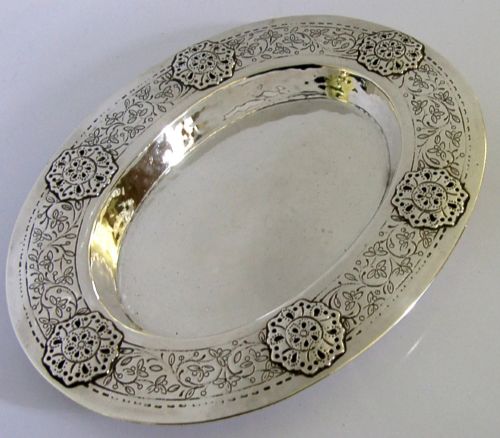
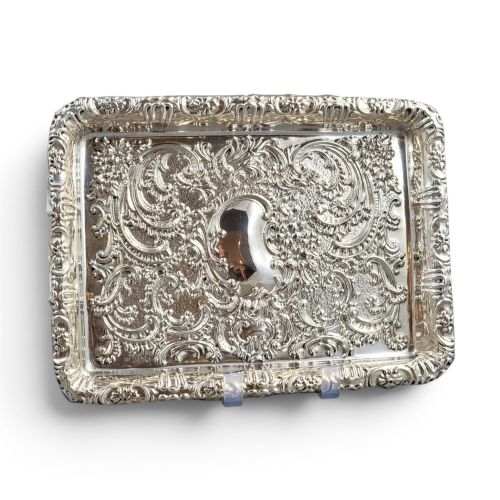
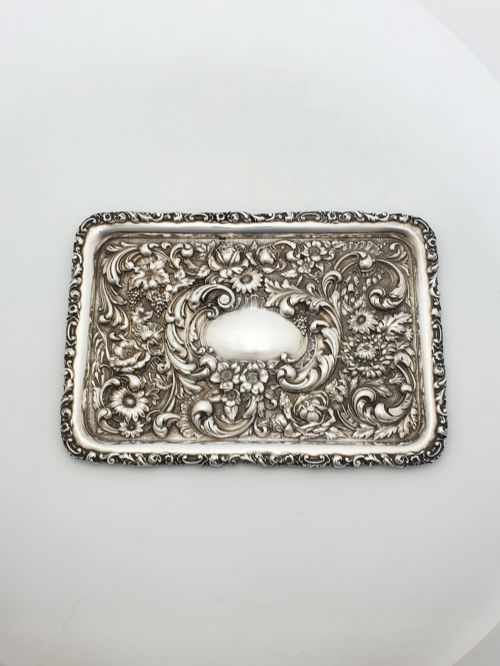
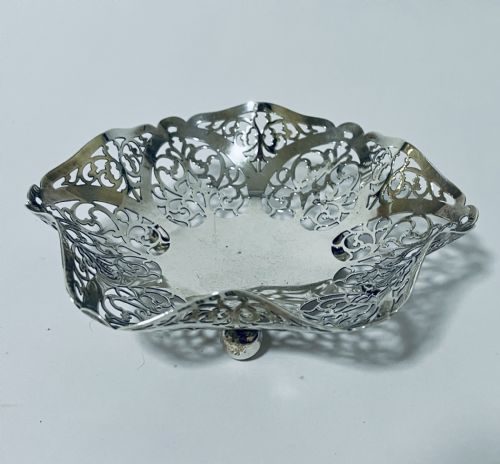
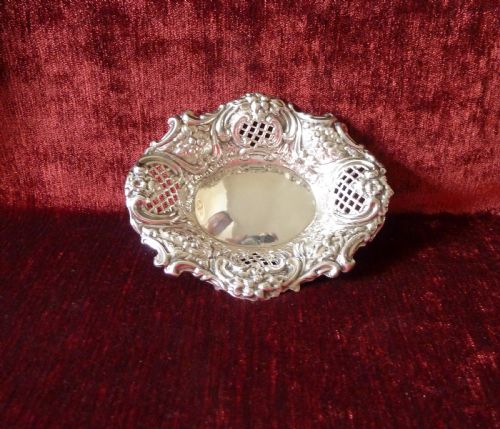
An edwardian silver trinket tray is a small dressing table dish in sterling silver, prized for repoussé floral work and Art Nouveau or Arts and Crafts styling.
Edwardian Silver Trinket Tray
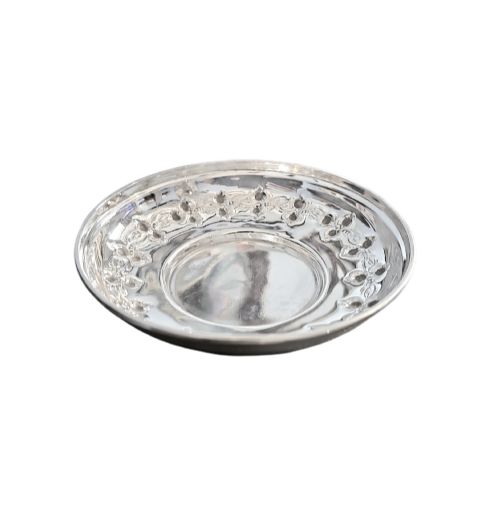
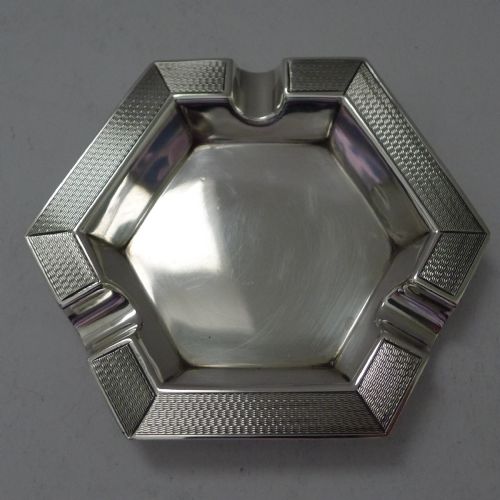
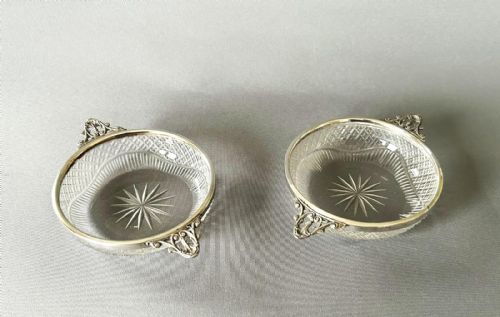
When searching for an edwardian silver trinket tray, collectors encounter small silver dishes and dressing table trays spanning the Edwardian period, along with related Victorian, Art Nouveau, and Arts and Crafts examples. These pieces typically take the form of small dishes, pin trays, card trays, and ashtrays designed for daily use on a dressing table or desk.
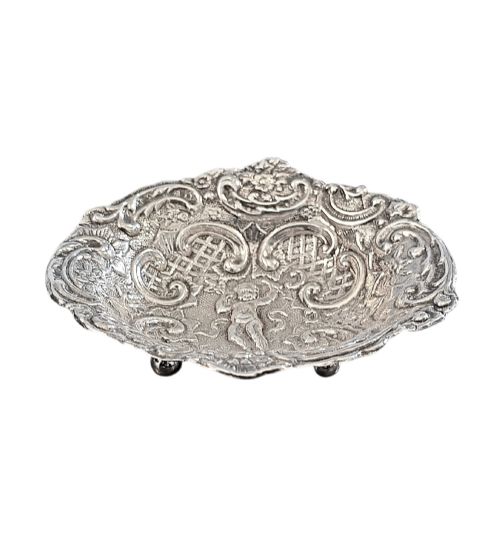
The version most commonly met on this page is the sterling silver Edwardian trinket tray, often embellished with repoussé floral motifs or figural scenes. Makers from this era produced these shallow dishes in various shapes, including leaf forms, round bowls, and rectangular card trays.
How They Were Made
Makers shaped sterling silver and silver plate through sheet metalworking and hammering techniques, often mounting the metal into ebonised wood or pairing it with cut glass, velvet, and satin. Repoussé work allowed artisans to hammer floral designs and angels from the reverse side into high relief.
Many items incorporate structural wooden bases or fabric linings like velvet and satin to cushion jewellery and small trinkets. Hallmarks stamped directly into the sterling silver record the city of assay and the year of production.
Edwardian Silver Trinket Tray Retail Price Guide 2026
Typical asking prices for edwardian silver trinket tray among the pieces listed under this phrase on Sellingantiques today, from the lower quarter to the upper quarter. They describe what is for sale here now, not the wider market.
Listings feature Edwardian, Victorian, and Art Deco periods, incorporating sterling silver, cut glass, velvet, and ebonised wood.
What Varies in Quality
The standard of an edwardian silver trinket tray depends largely on the crispness of the repoussé decoration and the weight of the sterling silver used. Pieces featuring detailed figural work, such as Reynold's Angels, or specific maker attributions display superior craftsmanship compared to plain domestic dishes.
Condition factors include the integrity of any cut glass inserts, the preservation of velvet or satin linings, and the clarity of the silver hallmarks. Well-preserved surfaces retain the depth of their original ornamentation without excessive wear from polishing.
William Neale·Liberty And Co·Robert Pringle And Sons·John Grinsell And Sons·William Comyns
The Edwardian Silver Trinket Tray Glossary
- Repoussé
- A metalworking technique where an artisan hammers decorative designs into relief from the reverse side of the silver. This method defines the floral and figural ornamentation on many dressing table pieces.
- Sterling silver
- An alloy consisting of pure silver and other metals, typically copper, standardised for durability. Most pieces on this page carry hallmarks verifying this metal content.
- Hallmark
- A system of official marks stamped on precious metals to show the standard of purity, the assay office, and the date letter. These marks allow collectors to date items accurately.
- Pin dish
- A small, shallow tray historically used for holding straight pins on a dressing table. They share similar forms and sizes with dedicated trinket dishes.
Edwardian Silver Trinket Tray: Frequently Asked Questions
What was an edwardian silver trinket tray used for?
These small dishes held daily accessories like hairpins, rings, and brooches on dressing tables and desks. They kept small personal items organised and within reach in domestic bedchambers.
Over time, their decorative appeal led to them being displayed on mantelpieces and sideboards as ornamental silver rather than purely functional items.
How do I identify an Edwardian piece?
Authentic pieces from the Edwardian era generally display hallmarks indicating dates between the death of Queen Victoria and the First World War. Stylistic clues include flowing Art Nouveau lines and Rococo revival floral repoussé.
Looking for the specific date letters and assay office marks stamped into the sterling silver provides the most reliable verification of the period.
Are these trays always made of solid silver?
While the majority of listings feature sterling silver or solid silver construction, variations do exist within the category. Some examples incorporate silver plate, cut glass, or are mounted on ebonised wooden bases.
Examining the metal for standard hallmarks helps distinguish solid silver pieces from plated alternatives or mounted combinations.
How should I clean my silver tray?
Gentle cleaning with a soft cloth and a specialised silver cleaner preserves the recessed details of repoussé work. Avoid harsh abrasive compounds that can wear down the high points of the metal decoration.
If the piece contains fabric linings like velvet or satin, or wooden elements, care must be taken to keep those non-silver materials dry during maintenance.