


Antique Trinket Pot
An antique trinket pot holds small personal treasures on a dressing table, combining utility with fine decorative craftsmanship.
Antique Trinket Pot
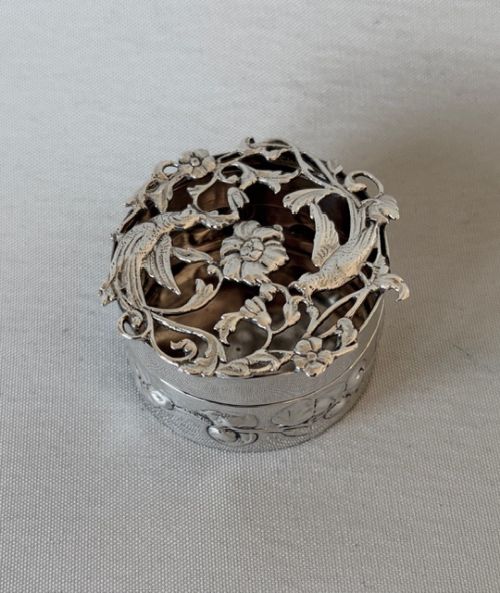
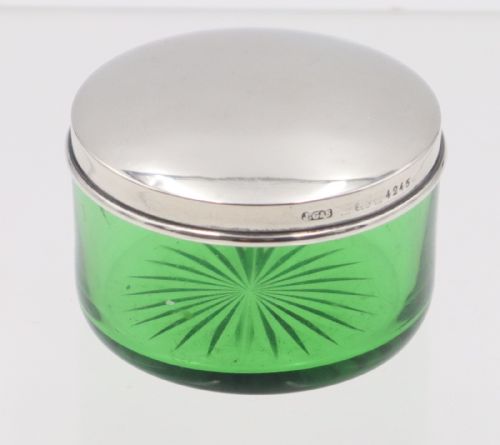
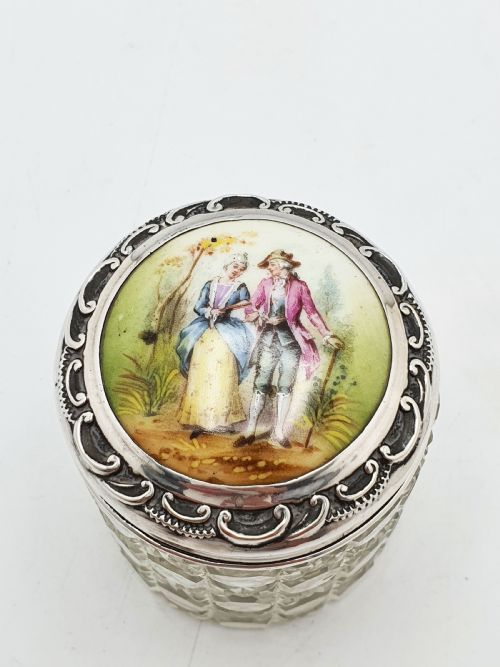
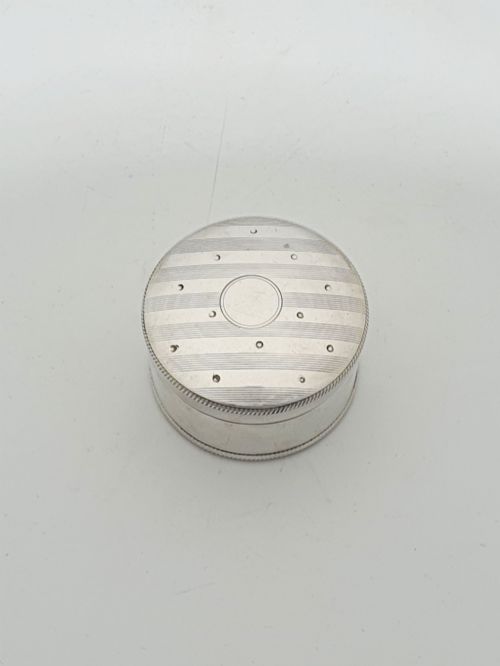
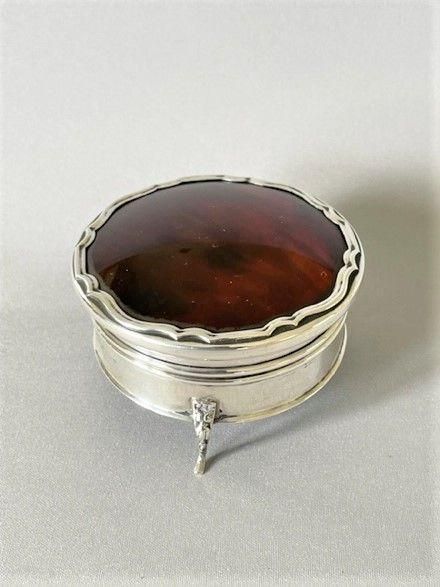
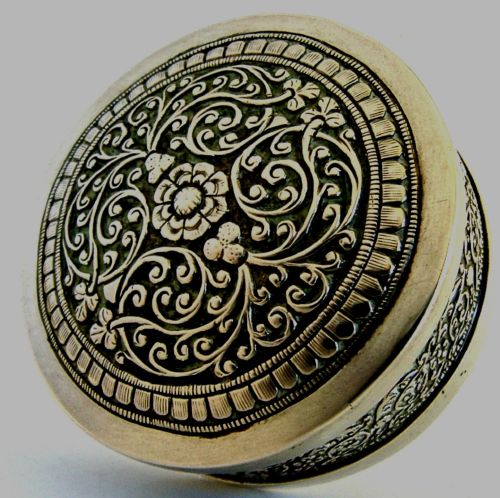
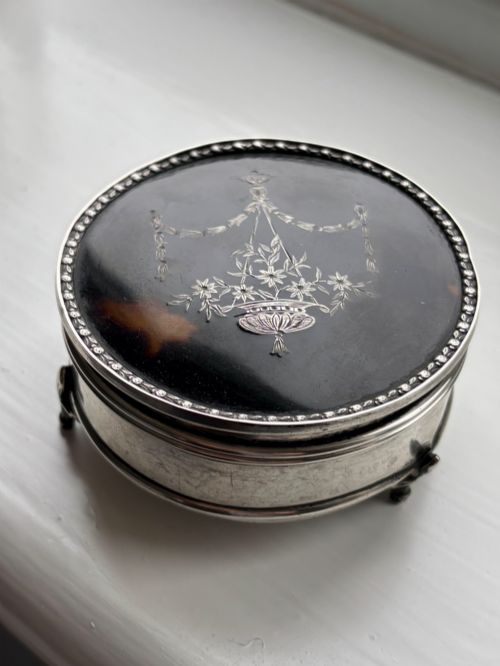
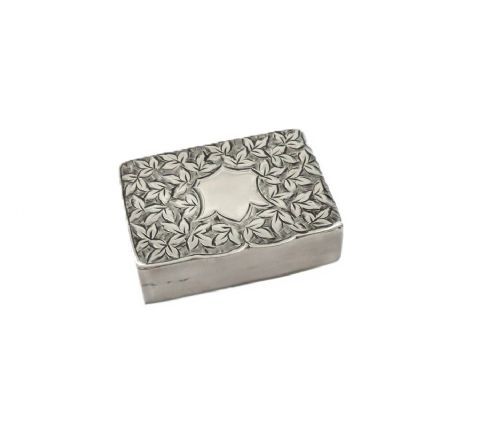
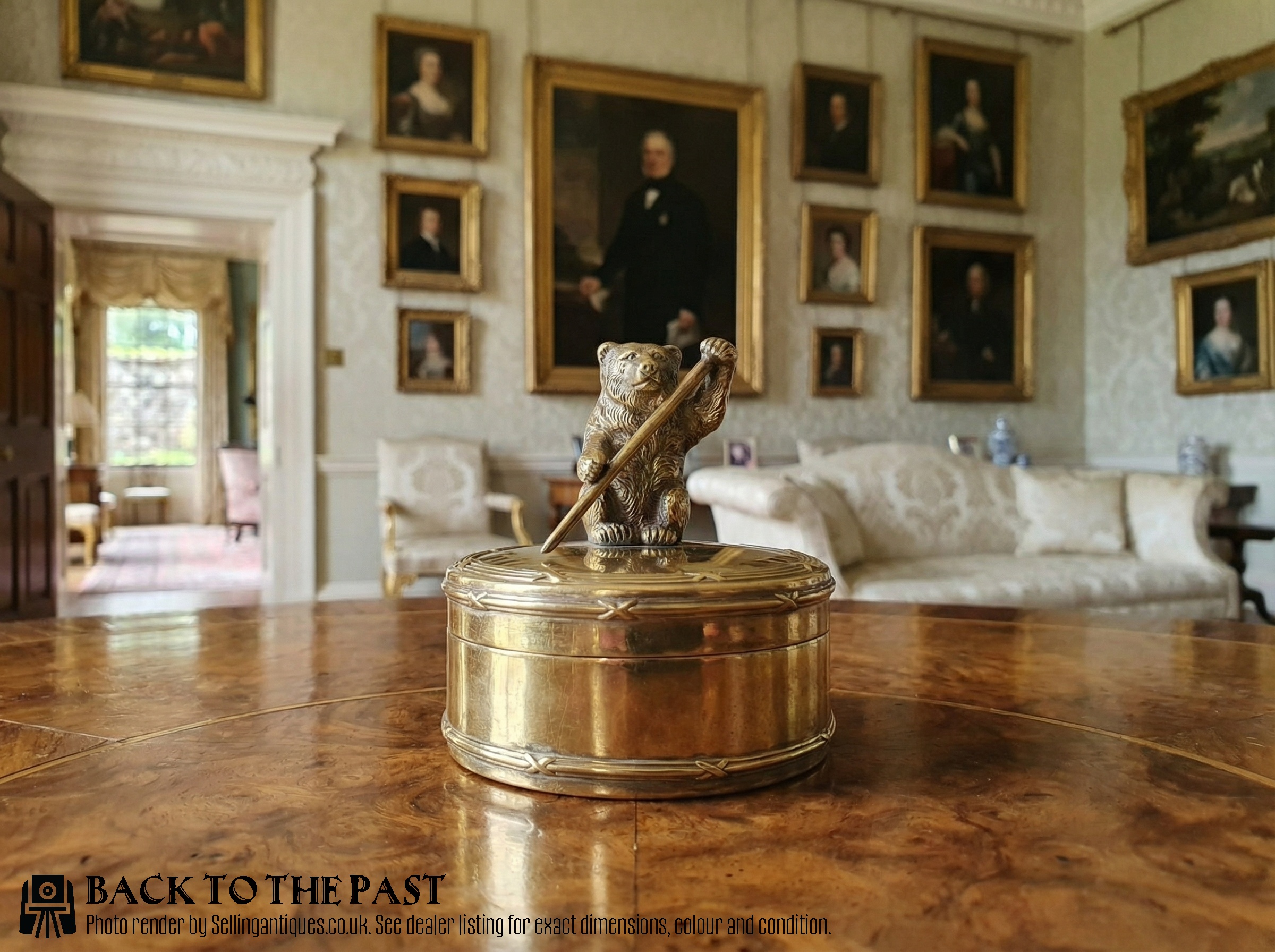
An antique trinket pot encompasses small lidded containers designed for vanity tables, including dressing table jars, powder boxes, pill boxes, and snuff boxes. These pieces appear across the Georgian, Victorian, and Edwardian eras, extending into the Art Nouveau and Art Deco periods.
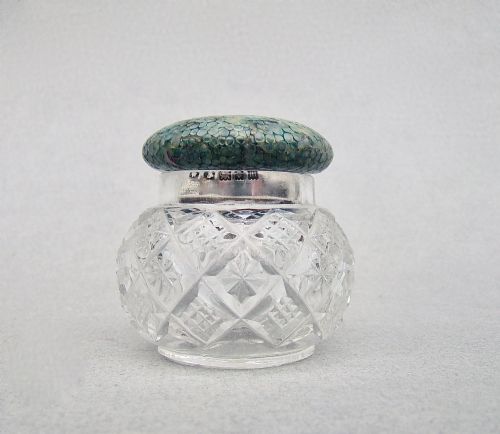
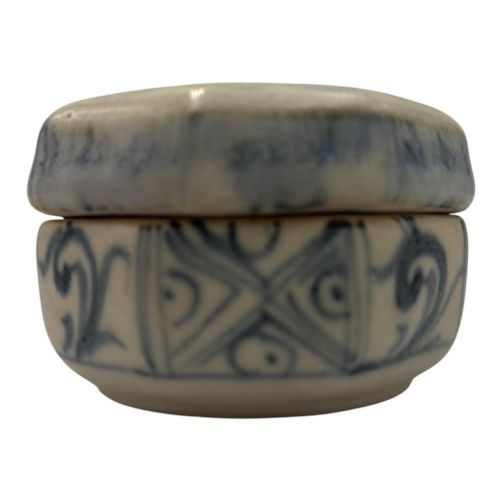
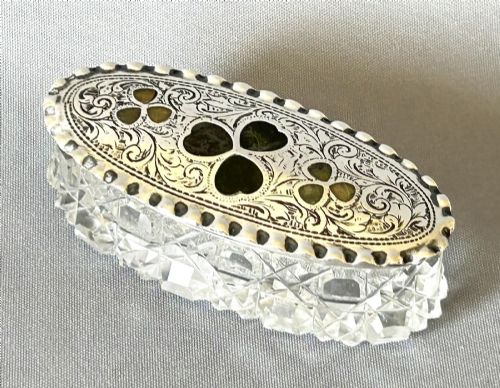
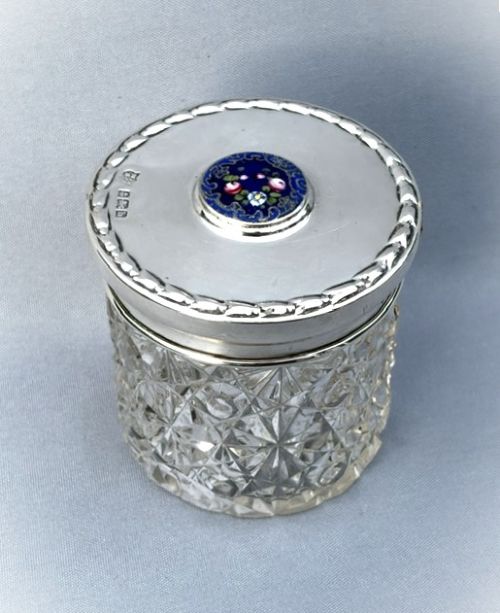
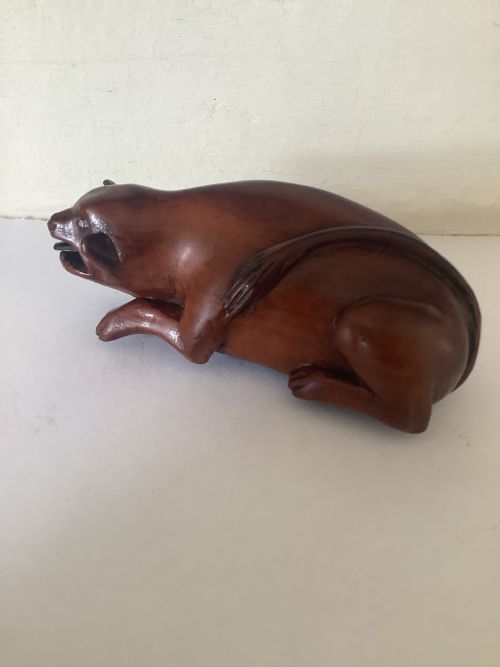
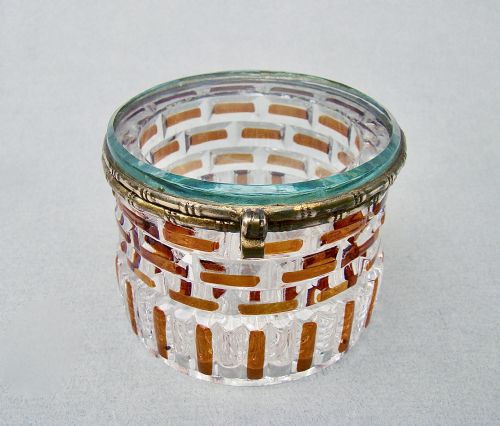
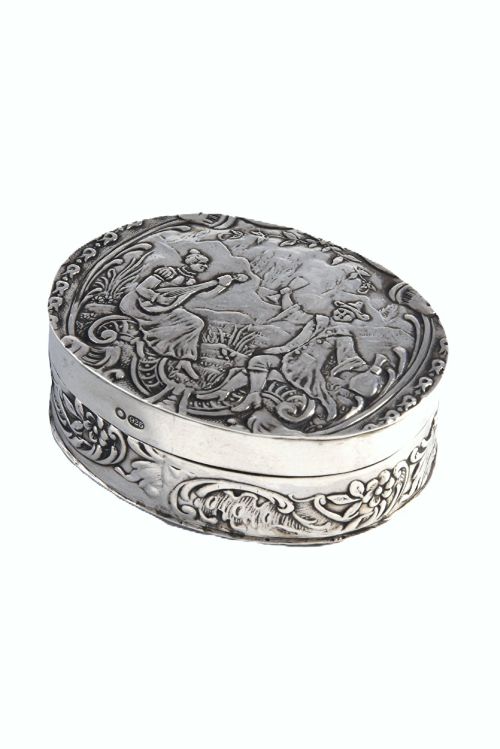
The most common examples on this page date from the late nineteenth century through the 1930s, featuring sterling silver mounts paired with cut glass, satin glass, or coloured enamel. Alongside these, buyers find solid silver boxes from Indian and Indo-Chinese makers, alongside carved wood and porcelain pieces.
Their original purpose was to hold pins, cosmetics, patches, or small jewellery items on a bedroom chest of drawers or dressing table. Today, they serve a similar decorative and practical role for storing contemporary keepsakes.
How they were made
Makers combined precious metals with glass, porcelain, and enamel, utilising sterling silver for hinged or lift-off lids and mounts. Glass bodies were frequently mould-blown, cut, or overlaid before receiving silver collars and repousse or engraved covers.
Enamelling techniques such as guilloche created patterned metallic backgrounds beneath translucent coloured coatings on dressing table sets and powder jars. Silversmiths stamped their pieces with assay marks indicating town, year, and maker, while wooden and ceramic items relied on hand carving and hand painting.
Antique Trinket Pot Retail Price Guide 2026
Typical asking prices for trinket pot among the pieces listed under this phrase on Sellingantiques today, from the lower quarter to the upper quarter. They describe what is for sale here now, not the wider market.
Listings feature sterling silver, cut glass, porcelain, and hardwood across Victorian, Edwardian, and Art Deco periods.
What varies in quality
The distinction between standard production and superior manufacture lies in the crispness of the metal chasing and the weight of the silver used in the mount. Thicker gauge silver retains its shape and hinge tension far better over decades of opening and closing.
In enamelled and glass pieces, the refinement of the guilloche engraving and the clarity of the coloured glass elevate the visual depth. Hand-painted ceramic details and precise inner fittings also signal higher workshop standards.
A. J. Pepper & Co·Ollivant & Botsford·Henry Clifford Davis·Goldsmiths and Silversmiths Company·A. Bromet & Co·Rene Lalique·Asprey & Co·Walker & Hall·William Comyns
The Antique Trinket Pot Glossary
- Guilloche enamel
- A decorative technique where a metal surface is machined with an intricate geometric pattern before being covered with translucent enamel. This allows light to reflect through the colour to create a shimmering effect.
- Repousse
- A metalworking method where the artisan pushes the design out from the reverse side using hammers and punches to create a three-dimensional relief on the front. It is commonly found on Edwardian and Art Nouveau silver box lids.
- Pot pourri box
- A lidded container featuring pierced or perforated metal work designed to release the fragrance of dried flowers and spices placed within. These vessels were popular on nineteenth and early twentieth century dressing tables.
- Pique work
- A meticulous decorative process involving tiny inlaid points of gold or silver into a dark organic medium such as tortoiseshell. The technique requires immense patience and steady hands.
- Bonbonniere
- A small ornamental container originally made to hold sweets or confections known as bonbons. Eighteenth and nineteenth-century examples often featured hinged enamel lids.
- Assay mark
- A stamp impressed into precious metals by an official assay office to guarantee the standard of purity. These marks help identify the city of origin and the exact year of manufacture.
Antique Trinket Pot: Frequently Asked Questions
What did people keep in a trinket pot?
These small containers held everyday personal items such as hairpins, rings, brooches, and small cosmetics. Ladies used them daily on dressing tables to keep dressing areas tidy.
Over time, different depths and shapes emerged for specific tasks, from shallow pill boxes to deeper powder jars and vanity pots.
How do I date an antique silver trinket box?
British silver boxes carry hallmarks stamped directly into the metal. These marks usually include a maker's mark, a lion passant indicating sterling standard, a city assay mark, and a date letter.
Matching the letter stamp to official assay office records reveals the exact year the piece was tested and finished.
Are glass and enamel boxes fragile?
Enamel and glass require careful handling because sharp impacts can chip the glass body or crack the fused glass surface of guilloche lids. Normal care on a stable dressing table surface keeps them safe.
When cleaning, soft cloths and gentle non-abrasive solutions protect the delicate metallic mounts and coloured finishes.
How do I tell Edwardian pieces from Victorian ones?
Victorian silver and glass jars often display heavier, more ornate repousse decoration and dense ornamentation reflecting nineteenth-century tastes. Edwardian and Art Nouveau examples frequently feature lighter, more flowing botanical motifs or cleaner geometric lines.
Hallmarks provide the definitive date, separating pieces made before 1901 from those produced during the Edwardian reign.