
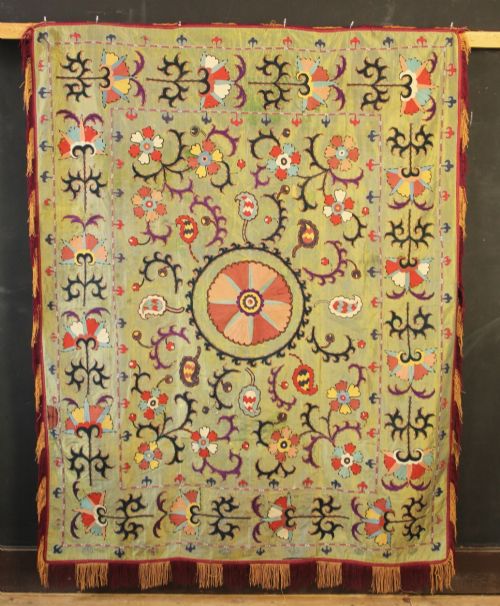


Antique Tribal Tapestry
When you search for an antique tribal tapestry, you uncover woven dowry panels, horse covers, and wall hangings from Central Asia and Persia that bring rich graphic energy to modern interiors.
Antique Tribal Tapestry
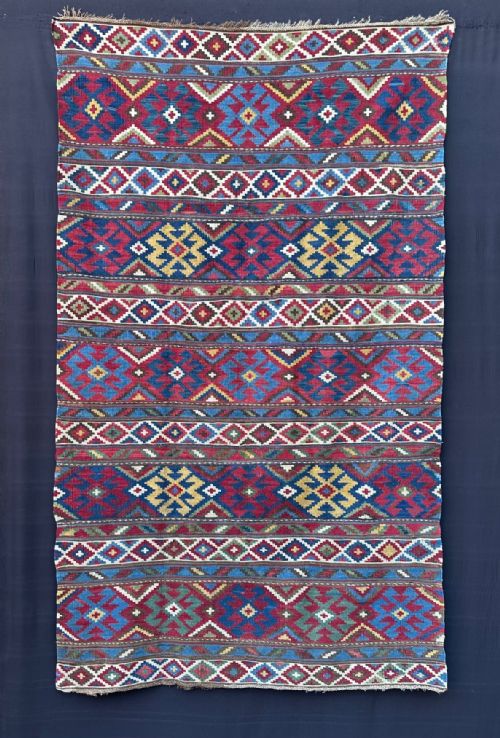
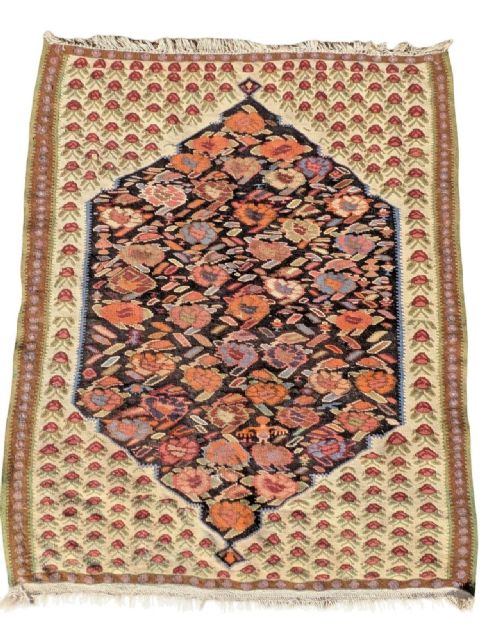
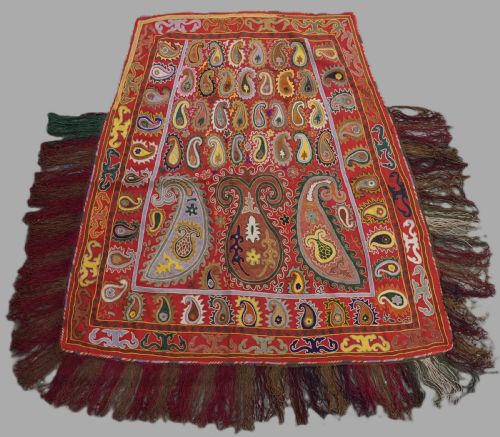
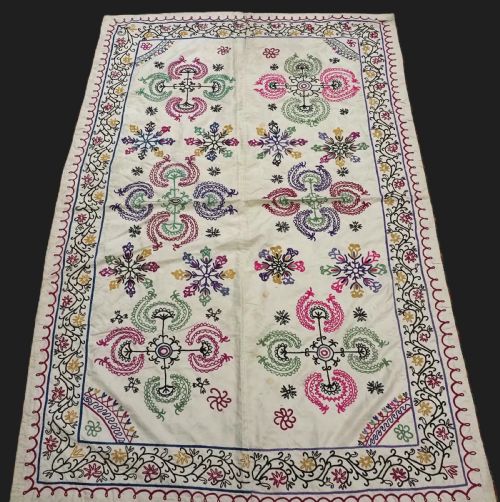
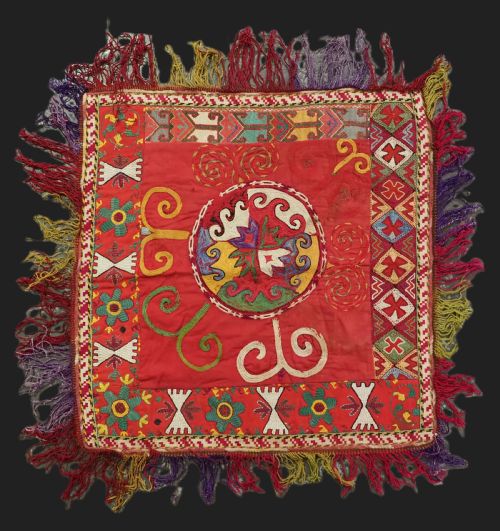
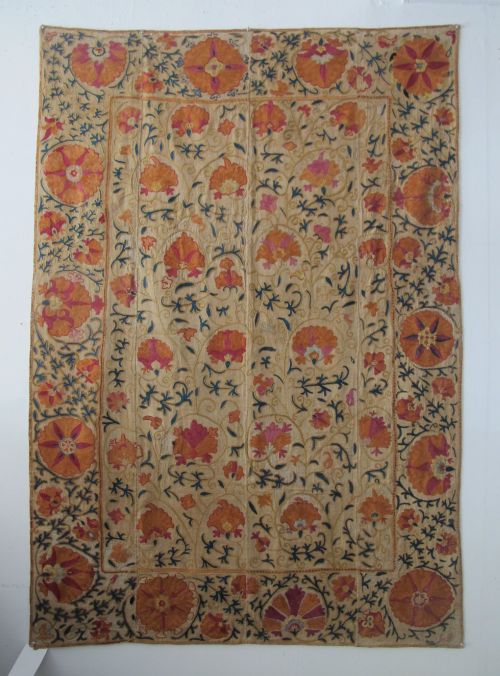
The objects gathered under the heading of antique tribal tapestry span a fascinating range of utilitarian and ceremonial nomadic items, including Uzbek ilgiches, Turkmen asmalyks, and Persian kilims. Most examples on this page hail from the late nineteenth and early twentieth centuries, reflecting the vibrant craft traditions of regions such as the Caucasus, Turkmenistan, and Uzbekistan.
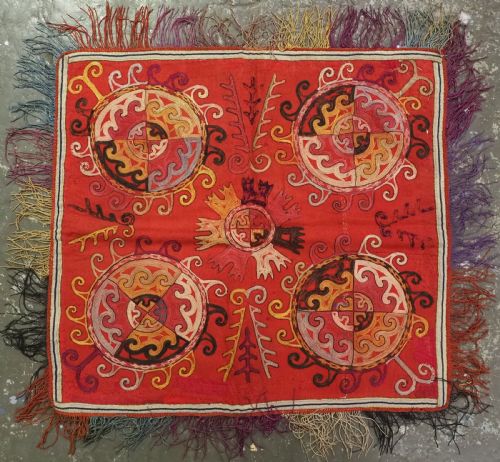
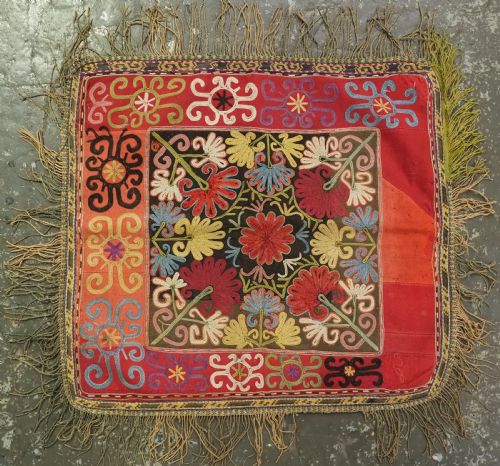
Buyers will encounter various textile forms, from wall hangings and storage bags to dowry embroideries and horse blankets. These pieces originate from distinct groups like the Yomut, Tekke, and Lakai tribes, each bringing specific regional motifs and weaving structures to the selection.
Materials and construction methods
Nomadic and village weavers relied primarily on locally sourced wool, hand-spun wool, and cotton, often embellished with fine silk embroidery or structured with flatweave techniques. Natural dyes provided the deep, stable palette seen across these textiles, developing a characteristic patina over decades of use.
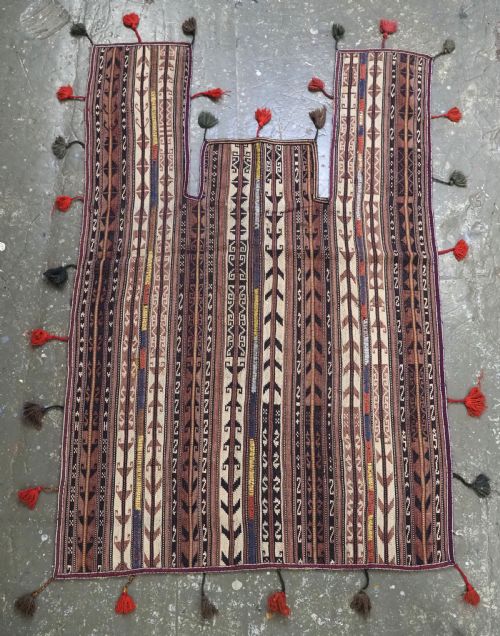
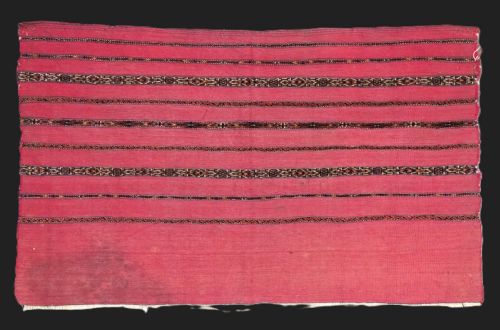
Construction methods varied from intricate needlework on cotton or silk foundations to sturdy sumac and flatweave structures used for utilitarian storage sacks and saddle covers. Artisans also utilised felt and leather where durability was required for household furnishings and animal trappings.
Several textiles on display were once proudly strapped to the flanks of camels or horses for special wedding processions.
Evaluating textile distinction
Quality in these nomadic textiles rests on the tightness of the weave, the fineness of the silk or wool execution, and the complexity of the design layout. Pieces displaying crisp geometric precision or dense, well-balanced embroidery command closer attention from discerning collectors.
The integrity of the natural dyes and the preservation of original borders or hanging loops further elevate a piece. Greater artistic expression in tribal motifs distinguishes standard domestic items from exceptional tribal works.
The Antique Tribal Tapestry Glossary
- Suzani
- An embroidered silk or cotton wall hanging originating from Uzbekistan, traditionally stitched as part of a bride's dowry. These panels feature bold floral or medallion patterns.
- Kilim
- A flatwoven carpet or rug produced without a pile, resulting in a lightweight textile with sharp geometric patterns. They served multiple functions in nomadic households.
- Asmalyk
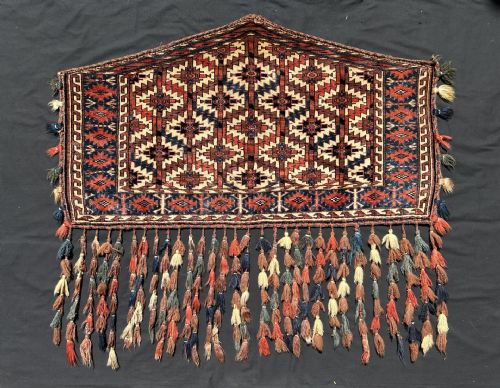
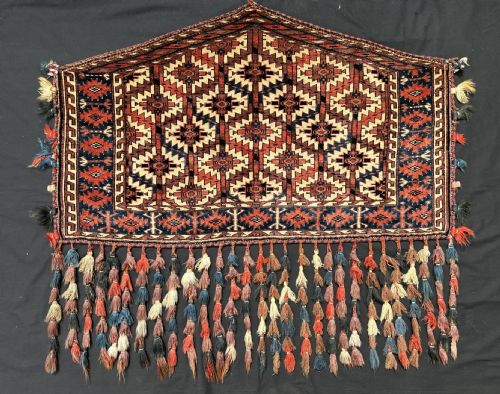
- A pentagonal trapping produced by Turkmen tribes, specifically the Yomut, used to decorate the flanks of a camel during wedding processions. They display rich regional guls.
- Sofreh
- A woven spread or eating cloth utilised by nomadic groups in Afghanistan and Persia for communal meals. They often feature minimalist central fields flanked by simple borders.
Antique Tribal Tapestry: Frequently Asked Questions
How were these tribal textiles originally used?
Nomadic groups utilised these woven and embroidered pieces for practical domestic functions, interior tent decoration, and ceremonial processions. Items ranged from storage bags and floor coverings to bridal dowry hangings and horse trappings.
Over time, these utilitarian objects became cherished heirlooms, reflecting the status and artistic identity of specific tribes across Central Asia, the Caucasus, and Persia.
How do I care for an antique textile?
Protect delicate wool, silk, and cotton textiles by keeping them out of direct sunlight to prevent natural dye fading. Gentle vacuuming with a mesh screen barrier helps remove dust without damaging fragile fibres.
For hanging wall textiles, ensure the weight is distributed evenly across a proper sleeve or support system rather than pinned at isolated points.
How can I tell different tribal designs apart?
Tribal attributions rely on specific colour palettes, structural weaves, and recurring motifs such as the characteristic guls found on Turkmen chuvals. Each regional group, from the Yomut to the Shahsavan, maintained distinct design vocabularies passed down through generations.
Examining the handling of wool, dye saturation, and border patterns helps clarify whether a piece originates from the Caucasus, Persia, or the Central Asian steppes.